Feds sought help hacking Apple, Google phones in 63 cases, ACLU says
- Actress Patty Duke has died at age 69
- Homeless man walks into restaurant asking for change, gets a job instead
- Tool shows how much you'll pay in taxes under each presidential candidate
- Woman drives up telephone pole, gets stuck in high-voltage wires, police say
- Trump's former $95 million mansion to be torn down
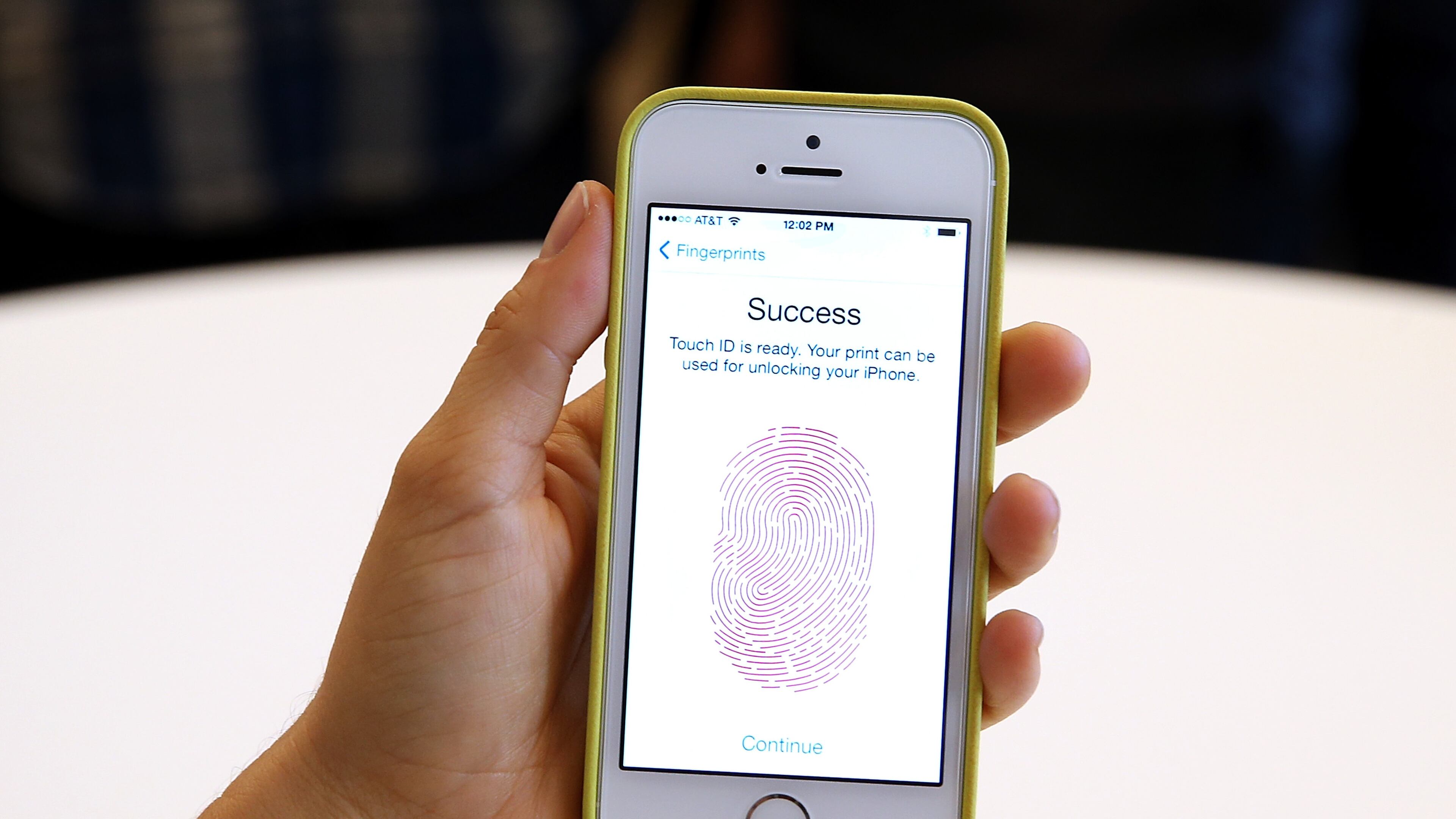
The Department of Justice's attempt to make Apple break into a phone used by one of the San Bernardino shooters was part of ongoing efforts to force technology companies to circumvent security measures on locked smartphones, according to the American Civil Liberties Union.
In a blog published Wednesday, the ACLU said it uncovered 63 cases dating back to 2008 in which the government used the All Writs Act to justify similar measures. The act, originally passed in 1789, gives courts the authority to issue orders needed to enforce other lawful orders.
A majority of the cases pertained to drug investigations, according to the ACLU.
"These kinds of orders have actually become quite ordinary," the organization said.
The group found as many as 13 more cases that were not immediately confirmed due to a lack of additional information.
The information comes from Freedom of Information Act requests filed jointly by the ACLU and the Stanford Center for Internet and Society.
In February, a federal judge ordered Apple to help investigators break into an iPhone owned by Syed Farook. He and his wife, Tashfeed Malik, killed 14 people in San Bernardino on Dec. 2 and later died in a shootout with police.
Apple appealed the ruling. On Monday, the federal government withdrew its petition, saying in a status report filed in court that authorities succeeded in accessing data on Farook's phone without Apple's help.