
How Falcons ‘very intentionally’ split snaps between Penix, Tagovailoa
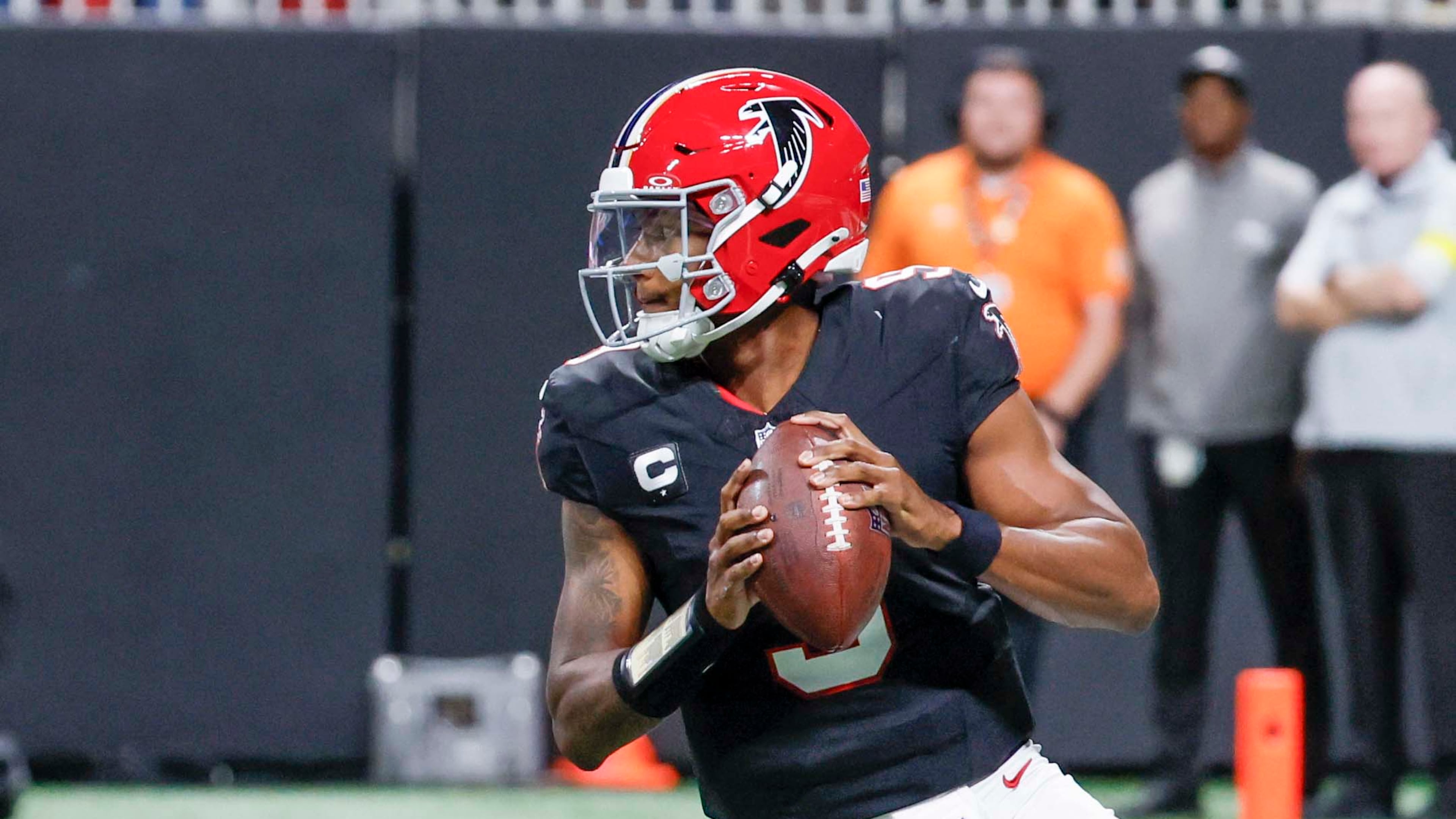
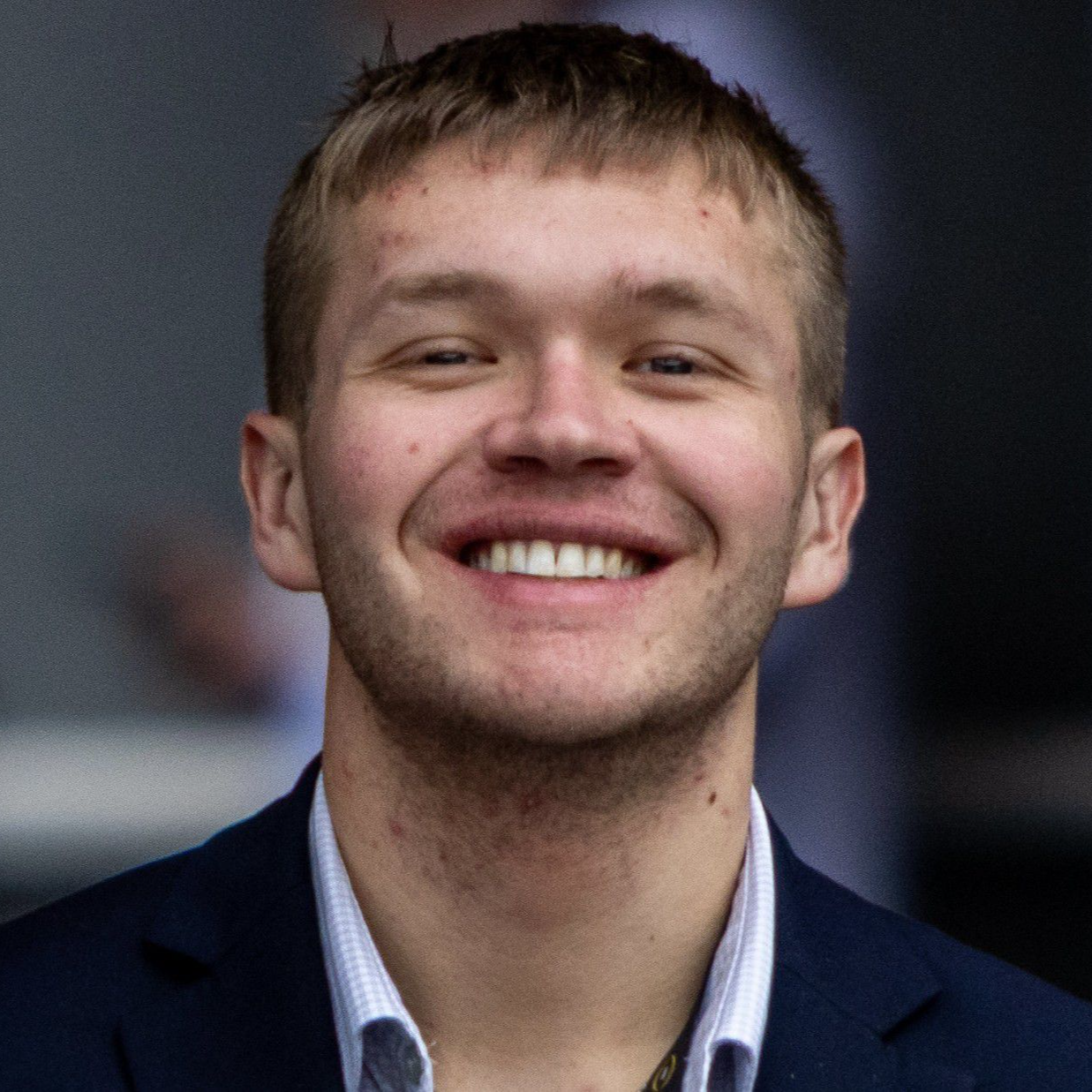
At the start of a quarterback competition of which he has little clue where it goes from here, Falcons coach Kevin Stefanski knows two things: The calendar shows May, and the season starts in September.
The four months in between — marked by OTAs, mandatory minicamp, training camp and the preseason — feature an all-encompassing evaluation and an overarching goal for the Falcons to get the best version of their players.
Stefanski’s staff is tasked with walking the fine line between getting significant, representative reps for Michael Penix Jr. and Tua Tagovailoa, all the while balancing Penix’s injury recovery and holistic development for both quarterbacks.
So, how will the Falcons split snaps this summer?
“Very intentionally,” Stefanski said Tuesday before the team’s second OTA practice.
Falcons offensive coordinator Tommy Rees “does an outstanding job of making sure we’re intentional about how we want this to operate,” Stefanski said.
“One guy will be up first one period, and then switch to the next period, and rotate every single day, and really almost every drill,” Stefanski said. “Because the truth is, we’re trying to get the best version of all of our players. So, we want to mix and match guys in different spots.”
Tagovailoa led the Falcons’ quarterbacks through individual periods and most team sessions, with Penix right behind. Veteran signal caller Trevor Siemian came in third, followed by undrafted rookie Jack Strand. Of note, Drake London, the team’s top receiver, often aligned to Tagovailoa’s side during the routes-on-air warmup period of Tuesday’s practice.
The Falcons spent extensive time in 7-on-7 periods, though they dabbled in 11-on-11, offense vs. defense sessions, too. Penix, who’s six months removed from ACL surgery, has been cleared to participate in individual and 7-on-7 sessions but not 11-on-11s, which complicates the Falcons’ wishes for a close-to-equal snap count.
Stefanski said the Falcons are mindful of getting Penix enough snaps, and they take the scope of his availability into account when they set the reps in the meeting room.
“I think, really, we’re focused on making sure each quarterback gets the reps they need for that given day,” Stefanski said. “So they can, No. 1, learn our system, perform and command our system, if you will. And then also add to the part of an evaluation.”
Both Penix and Tagovailoa threw one interception Tuesday. Tagovailoa was more consistently accurate, but each completed passes at a good enough clip to finish with solid days. There’s not a completion percentage the Falcons need their quarterbacks to hit — they’re more focused on the process, though production still matters.
The Falcons want to see their quarterbacks grasp the system and take hold of it. High-level practice performance is important, too, and 7-on-7 is inherently advantageous for quarterbacks to produce.
“There’s no pass rush out there,” Stefanski said. “You’ll see our offensive line out there, so they feel players around them, but it’s really a passing drill that skews the advantage to the offense. So, we want our guys to operate well in those periods, and pitch and catch at a good clip.
“And then in the team periods and everything else we’re doing, just having a very good command of what we’re doing and why we’re doing it.”
The Falcons view their quarterbacks — and all players across the board — in an individual microscope. They’re each at different points of their career, Stefanski said, and dealing with their own challenges, be it an injury, learning a new system or adapting to a change in scenery.
Tagovailoa is in a new chapter. He closed the book on a six-year tenure with the Miami Dolphins, who released him in March after 76 starts and over 18,000 passing yards. Penix, meanwhile, is still trying to prove he can validate the expectations placed upon his shoulders after the Falcons selected him No. 8 overall in 2024.
Yet apart from their strong left arms and whatever motivation they carry to prove themselves this fall, Rees sees few similarities between the two, which further reinforces the staff’s mission to develop them individually.
“I think each guy is on their own path,” Rees said.
The competition hasn’t yet caused tension. In a room led by quarterbacks coach Alex Van Pelt and assistant quarterbacks coach Jordan Reid, Rees said all of the signal callers are bought in and “doing well for us” through the first month of the offseason program.
“Collectively, I would say, working with this quarterback group has been really great so far,” Rees said. “These guys support each other. They’re committed to doing what we’ve asked them to do.”
Penix said he’s focused on running his own race and isn’t looking at Tagovailoa’s lane, but the two are off to a good start working with one another. Penix’s fellow quarterbacks have supported him during his rehabilitation process, and he said they’re all working to help each other improve.
This isn’t Penix’s first time rehabbing from an ACL tear — he did it twice in college — and he’s already experienced sitting back and not taking as many reps as possible. But his focus remains on himself, his knee and helping the Falcons snap an eight-year playoff drought.
“We all want to play football,” Penix said. “I’m focused on me and whatever I can do each and every day to make sure my body is ready for whenever the time comes. And me and Tua, it’s a competition. But at the same time, we’re working together to help this team win football games at the end of the day.”
The Falcons will eventually have to choose their quarterback, but that won’t be anytime soon. Stefanski wants his team to put on blinders and fixate their attention solely on the present — and his signal callers have embraced it thus far.
“Speaking quarterback wise, those type of decisions that you have to make, those are down the road,” Stefanski said. “But we don’t want to keep our focus there. We want to really be where our feet are, if you will.”