Atlanta leaders prepare for a new era of state partnership


The annual legislative session, which draws hundreds of state lawmakers to Georgia’s capital, has long been a period of uncertainty for Atlanta leadership.
For decades, the governor and both chambers of the General Assemble were in the hands of Republicans from outside of the city and what lawmakers chose not to do was often more consequential for the city as the legislation they did pass.
From proposals to seize control of the city’s world-class airport to legislation to allow the wealthy Buckhead neighborhood to break away from the city, Atlanta’s elected officials have spent prior sessions fending off potential threats until lawmakers adjourn.
“Atlanta specifically, but also probably all cities have felt like that, during legislative sessions, they’ve had to be on defensive watch,” said former Atlanta City Council President Doug Shipman.
But the upcoming session, which kicks off Jan. 11, marks a major political shift after Democrats took hold of the governor’s office and the state House and tightened the margin in the Senate.

That means Atlanta Mayor Andre Dickens and other city officials could see a level of state support on key policy areas like transit, housing and healthcare that has eluded them for years.
“All these issues are now on the table,” Courtney English, the mayor’s chief of staff, told the Atlanta Journal-Constitution. “It just creates a massive opportunity.”

When Atlanta Mayor Andre Dickens was elected in 2021, he was quick to make a very important phone call to former Republican House Speaker David Ralston. And he worked hastily to mend the city’s thorny relationship with Gov. Brian Kemp that had deteriorated during the pandemic.
The mayor made numerous, short journeys from Atlanta City Hall across Washington Street to the Capitol. Those paid off when Kemp questioned the legislation that would have allowed for Buckhead secede and the effort petered out altogether.
But after the election, new conversations began taking place inside City Hall, as the Dickens administration and council members began the switch from legislative defense to offense.
“We have really strong relationships under the Gold Dome, and they stand to get a whole lot stronger now,” English said.
‘A 2027 world’
At the Atlanta City Council meeting on Nov. 2, the day before the election, members approved the body’s 2027 legislative agenda. It’s a wish list of items city leaders hope to see — and not see — passed under the Gold Dome.
It included asks for water usage disclosure requirements for data centers and more state funding for housing but also noted the city’s opposition to a potential airport takeover.
But after the stunning results of the election, City Council members are going back to the drawing board and ready to push for bolder initiatives.
“It was written with a 2026 mindset, which is understandable,” said Council member Matt Westmoreland, chair of the Community Development and Human Resources Committee. “But we’re now getting ready to operate in a 2027 world.”
Westmoreland added that the slim majority will still require bipartisan support for legislation to get it passed, but one-party control of state government for the past two decades has put many conversations between city and state leaders on ice.
“The change is exhilarating and truly unknown all at the same time,” he said.

Bottoms support for transit and Medicaid expansion signals cities may be able to lean on Georgia lawmakers for support.
English said the Dickens administration is eying state help in funding healthcare facilities like the new hospital planned for the Southside, investments in early childhood education and Bottoms’ campaign pledge to put additional resources toward affordable and workforce housing.
“There are a lot of things that the state can do to really unlock the city’s ability to make things more affordable,” he said, pointing to the governor-elect’s grocery store tax proposal.
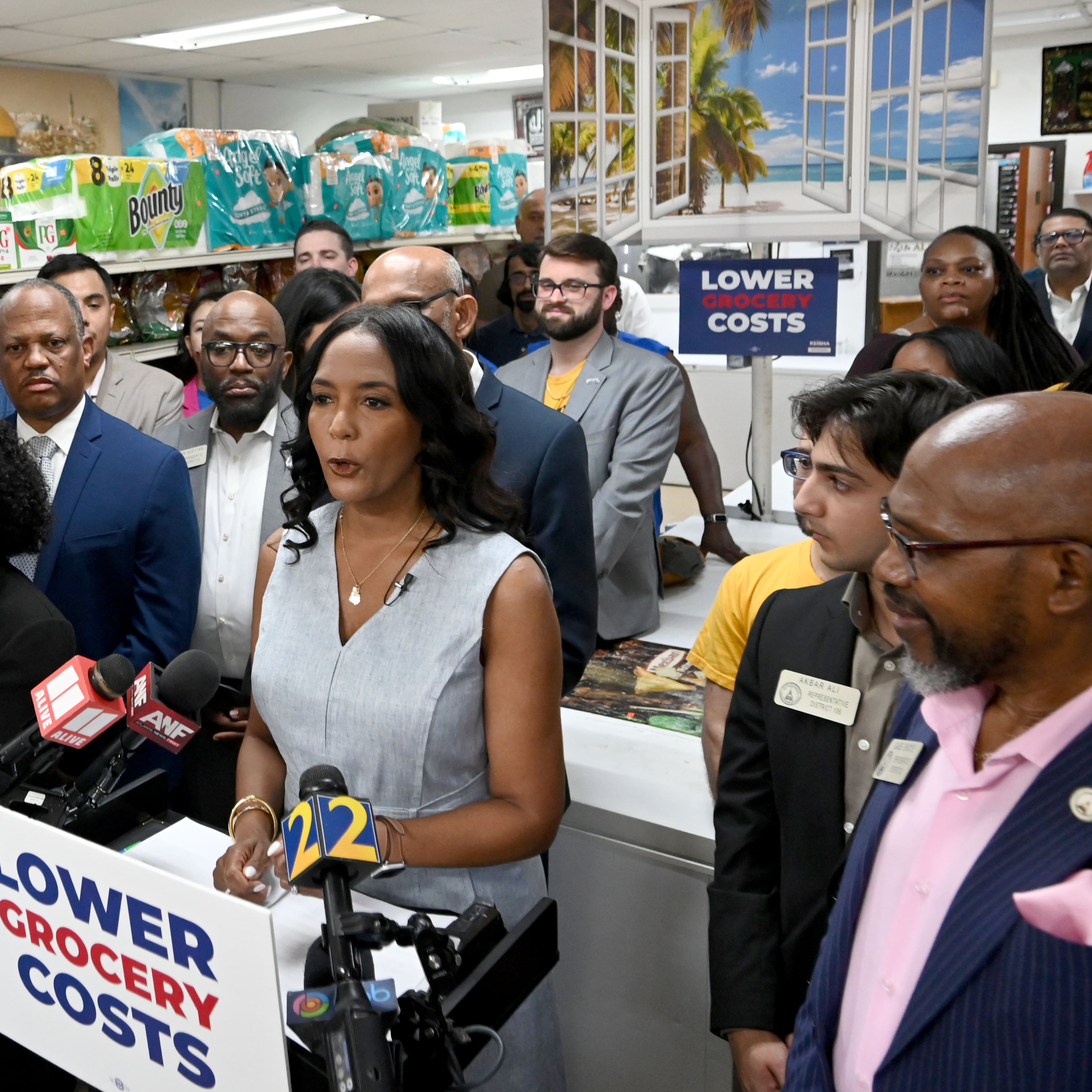
Others want to see Bottoms make good on the promise to dedicate state funding for transit — especially Atlanta’s MARTA system that has been shaken in recent years by budget woes and leadership changes.
“If we were to have a global, relevant and excellent transit system, we have to have a partner in the state,” Metro Atlanta Chamber President and CEO Katie Kirkpatrick told the AJC during a sweeping interview last week.

Shipman said state involvement in transit systems across Georgia would be “a huge shift in policy for cities.”
“MARTA is in need of reform,” he said and pointed to Bottoms’ familiarity with the agency. “You could vastly improve MARTA with changes at the state level that would not only help Atlanta but help the metro (area).”
Aside from the governor’s office, the results of the midterm election also mean a historic number of Atlanta Democrats will soon be in top leadership positions across state government.
Former metro Atlanta state lawmakers Josh McLaurin and Tanya Miller will be the lieutenant governor and attorney general.
Secretary of State-elect Penny Brown Reynolds is a former Fulton County State Court judge and newly elected Insurance Commissioner Keisha Sean Waites is a former state lawmaker and Atlanta City Council member.
“There are a lot of people that folks have known for a long time,” Shipman said. “Which will make conversations and information exchange just easier.”