Georgia’s incoming lieutenant governor faces Senate power struggle
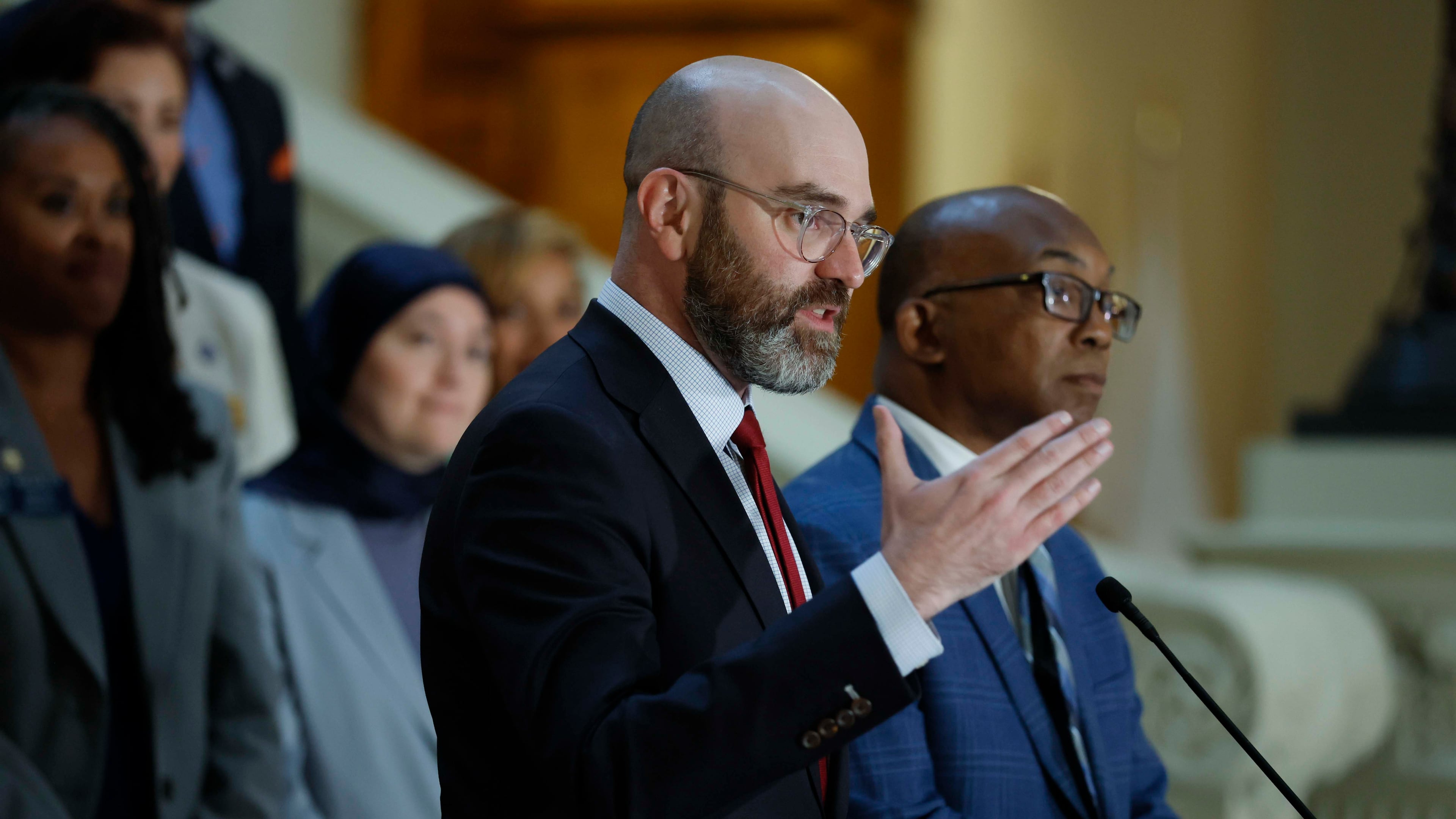

Georgia’s incoming Democratic lieutenant governor, Josh McLaurin, pledged throughout his campaign and after his Election Day win to work with Republicans in the Senate to advance bipartisan legislation and avoid political gridlock.
But with Republicans a retaining narrow majority in the Senate — the last GOP stronghold at the Capitol after Democrats swept statewide races and secured a House majority — McLaurin’s ability to deliver on that promise faces obstacles largely beyond his control.
McLaurin, an attorney and state lawmaker who served in both chambers, is up against the possibility that Republicans move to strip this position of some of its powers.

“I have said both publicly and privately that the tone I want to set is one of bipartisan cooperation,” McLaurin told the AJC and cautioned against speculating what actions the majority caucus might take.
“What I will say is, if the Republican majority’s mindset is that they don’t have to give Democrats any power within the chamber because they’ve got 29 votes, I think they’re signing up for a very hard road if they do that,” he said.
And with the Senate divided by a slender, 29-27 margin, both parties will need every member present and accounted for on every vote to successfully get legislation passed — or stopped.
“If somebody gets the flu it could change everything,” said former Republican state Sen. Ronnie Chance, who also served as majority leader. “There are going to be a lot of close votes. People are going to have to pay attention; people are going to have to show up.”
Power play
In Georgia, the lieutenant governor wields immense power in the state Senate by presiding over floor debates and making committee assignments that give him control over what bills reach the floor for debate.
But that power comes from the Senate rules, which can be changed by a vote from the majority party. And after Democrats flipped both the governor’s office and House and tighten the margins in the Senate, it’s still unclear how the remaining Republicans plan to respond.
“The Constitution says the lieutenant governor presides — you can’t take the gavel away from the lieutenant governor,” said former GOP state Sen. Don Balfour, who served in the chamber for more than two decades. “But when he makes a ruling on something, the Senate can override it.”

A Republican majority has twice changed Senate rules to weaken the position’s powers in recent years.
In 2003, after the GOP won control of the chamber for the first time since post-Civil War Reconstruction, Republicans stripped then-Democratic Lt. Gov. Mark Taylor of his authority to make committee assignments and name committee chairs.
Then in 2011, the Republican-led Senate stripped Republican Lt. Gov. Casey Cagle of his assigning powers following a feud over a hospital bed tax the year prior.
Former Lt. Gov. Geoff Duncan ― who left the Republican Party to run for governor as a Democrat this year ― said he expects history to repeat itself.
“My guess is that (the Republican majority) is going to look for opportunities to limit power,” he said. “But we’ll see how it shakes out. This is a whole new game now that the majority is so razor thin.”
Duncan said his advice to McLaurin has been “be nice to everybody in the room.”
“Somebody may not be with you on a particular vote, but they could be with you on a future vote,” he said.
‘Ready to fight back’
Senate Minority Leader Harold Jones says he hope Democrats can avoid a GOP-led effort to limit McLaurin’s power. He said the outcome of Republican leadership elections may tell the tale.
“We’re certainly hope they won’t decide to do that ― that they realize the people have spoken,” he said.
Once the legislative session begins in January, Republicans may choose to vote against Democratic bills just to keep the party from scoring legislative wins.
“There may be a certain proclivity to just voting Democratic bills down,” Balfour said. “But if it’s a good idea that could help a lot of people, I think they should shy away from that.”
McLaurin said he hopes the slim margin actually pushes Republicans toward working with Democrats instead of away, arguing the chamber can’t function without some level of agreement.
“I would hope that the Republican majority realizes that this is not going to be like the last few years where they are confident they can pass anything only with their own party’s votes,” he said. “They will need Democratic support.”
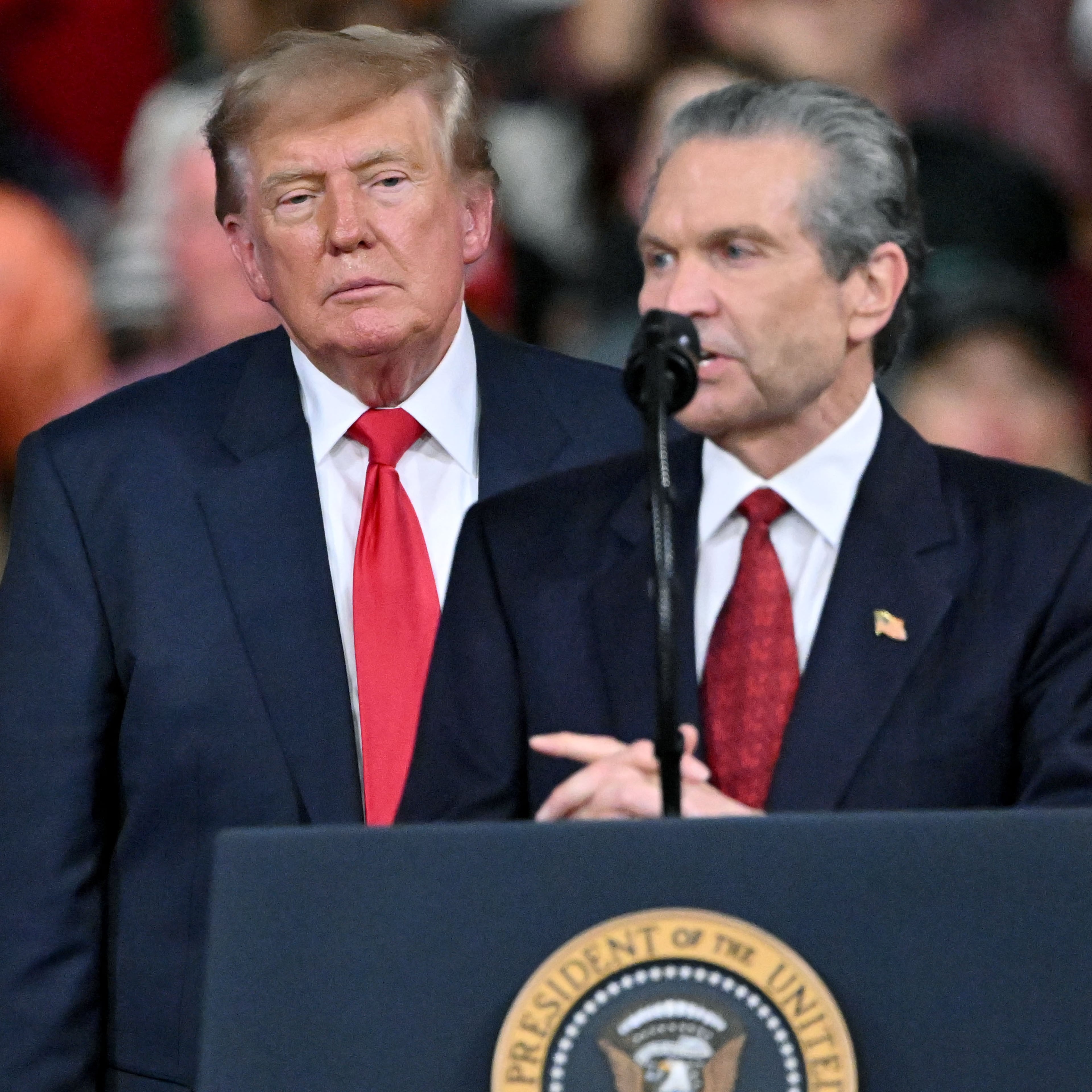
The Senate has also traditionally been the chamber where red-meat conservative legislation originates. Senate lawmakers have a history of pushing MAGA-aligned policies such as sweeping voting changes after the 2020 election, limits on transgender athletes and a ban on race discussion in classrooms also known as “critical race theory.”
But Democratic wins and large turnover of members who chose to either run for higher office or not seek reelection could lead to a more moderate agenda for GOP lawmakers heading into the upcoming legislative session.
“They are being replaced by senators that, quite honestly, are going to have a choice if they want to hit the reset button on their Donald Trump rhetoric,” Duncan said. “This is the time to do it if they’re a Republican.”
The exodus left key leadership positions up for grabs, like the chairs of important committees, including appropriations, judiciary and transportation.
Democratic leadership is also gearing up for a new kind of battle sparked by the party’s newfound power in the House, Jones said. He said his caucus will need to be prepared to push back against Republican-led amendments.
“Now, we will actually have bills coming over from the House to the Senate that will be Democratic bills, primarily,” he said. “We need to get ready to fight back.”