Stacey Abrams rules out 2026 bid for Georgia governor

Stacey Abrams won’t be on the Georgia ballot in 2026.
The two-time Democratic nominee for governor definitively ruled out another run for Georgia’s top job this year, saying Thursday she’ll instead continue her work fighting what she sees as the nation’s lurch toward authoritarianism under President Donald Trump.
“Americans are in pain but they are ready to act, and now is the moment to reconnect to what is at stake and what is possible,” she said in a statement to The Atlanta Journal-Constitution.
“It’s clear to me that the most effective way I can serve right now is by continuing to do this important work. For that reason, I will not seek elected office in 2026.”
Abrams was always seen as a long shot to join the race for governor, which already features about a dozen contenders vying to succeed term-limited Republican Gov. Brian Kemp. Still, some Democrats viewed her as a wildcard who could parlay her platform as a voting rights advocate and national fundraising network to mount a third bid.

And until Thursday, she ducked questions about her political future as she traveled the nation warning about the dangers she sees in Trump’s agenda — often without mentioning him by name — while promoting what she calls the “10 steps to freedom and power” to prevent autocracy.
“Authoritarian movements follow a recognizable pattern. My highest calling this year is to expose this playbook, mobilize resistance, and help us reclaim our moral leadership,” she said. “I remain committed to a multiracial, multigenerational democracy that delivers real freedom and opportunity for all.”
A broader battle
For much of the past decade, Abrams has been a singular force in Georgia politics.
A former House minority leader, Abrams became a national figure during the 2018 governor’s race as she sought to become the nation’s first Black female elected governor. Her narrow loss to Kemp was the closest Georgia governor’s race in roughly a half-century, and her refusal to concede defeat made her a hero to some Georgians and a pariah to others.
She launched the Fair Fight political organization to challenge Kemp and his allies and, after ruling out a 2020 Senate bid, raised more than $110 million for her 2022 rematch. Kemp defeated her decisively — overcoming both Abrams and a Trump-backed GOP primary challenge from former U.S. Sen. David Perdue.
Since then, the political machine Abrams built has faded. The New Georgia Project, which she founded, folded in 2025 shortly after being assessed a $300,000 fine for illegally backing her 2018 campaign. Fair Fight has downsized and retooled.

Nor is Abrams the feared candidate she once was for Republicans, who eagerly cast today’s Democratic leaders as her acolytes. Cody Hall, a Kemp adviser, practically pleaded for her to enter the race, saying the “third time is the charm.”
And though many Democratic activists still revere Abrams, more of them say the party is ready to move on.
Unlike 2022 — when Abrams ran unopposed for the nomination — a wave of well-known Democrats entered the 2026 race while she publicly kept her options open.
The field spans the ideological spectrum, from liberal state Rep. Ruwa Romman to moderate former DeKalb CEO Michael Thurmond to Republican-turned-centrist Democrat Geoff Duncan. Former Atlanta Mayor Keisha Lance Bottoms, who has never been a close Abrams ally, is widely seen as the front-runner.

Even so, some Democrats saw Abrams as a “break-glass-in-case-of-emergency” candidate if the field failed to catch fire. She still draws large crowds on the campaign trail and can command national media attention.
She fueled speculation by refusing to rule out a run while promoting her podcast, “Assembly Required,” a new book and other media projects.
But Abrams said Thursday she’ll keep her focus on a broader battle.
“The antidote to authoritarianism and its harms has always been democracy; and I have long believed that democracy requires active engagement and staunch defenders,” she said.
“But democracy is experienced by the vast majority through the work of government — when it fails, we are all imperiled.”
About the Author
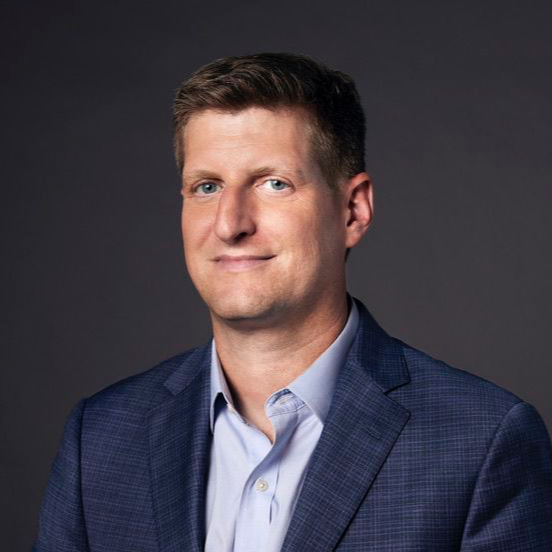
Greg Bluestein is the Atlanta Journal Constitution's chief political reporter. He is also an author, TV analyst and co-host of the Politically Georgia podcast.


