Georgia’s off-year elections show momentum and limits for progressives

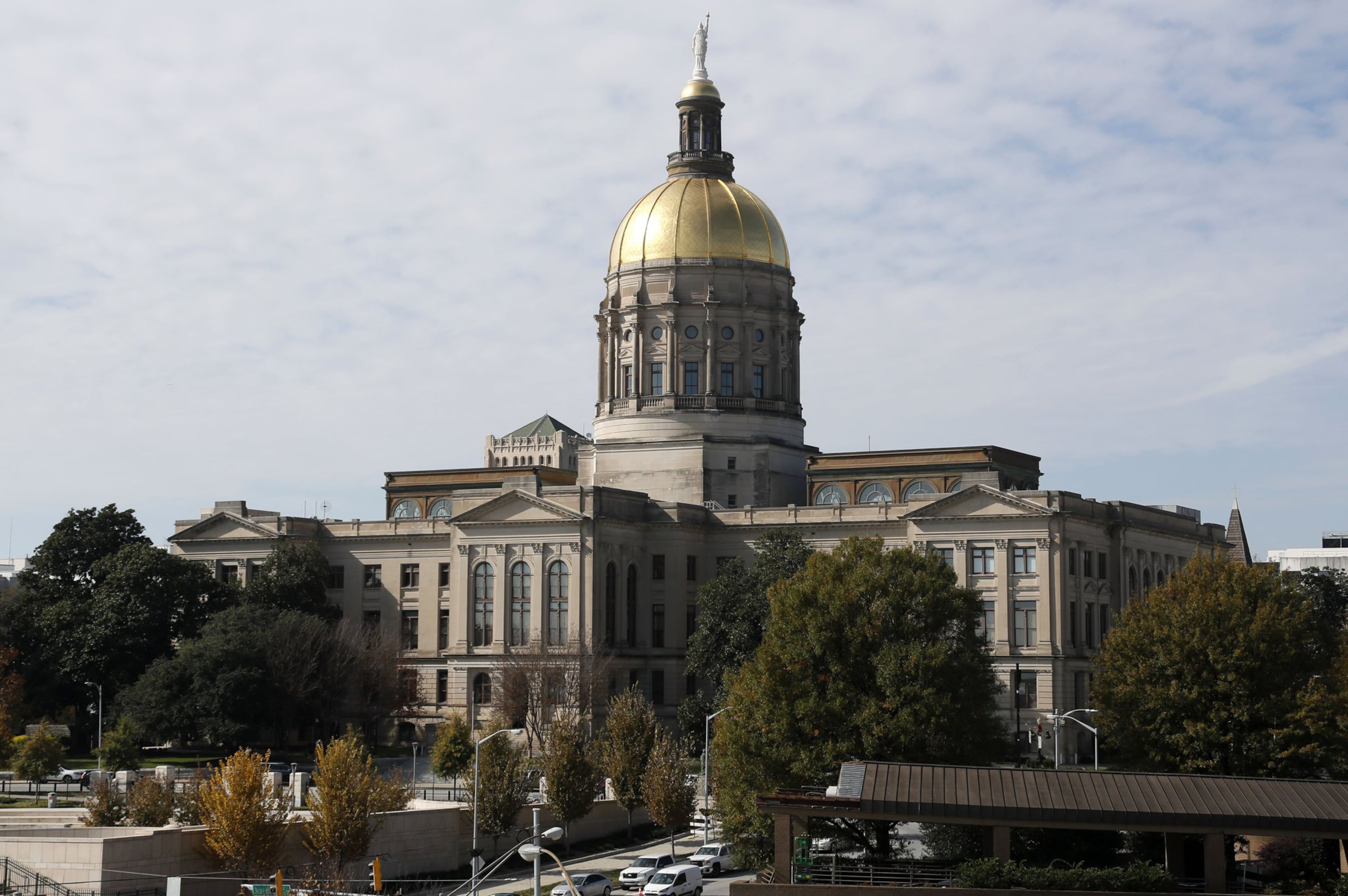
Democrats scored a string of victories in Georgia’s off-year elections, flipping long-held Public Service Commission seats and ousting the GOP-backed Roswell mayor. They did it by sharpening an electoral message that puts affordability at the center of the 2026 midterms.
But the results also exposed the limits of appeals to the party’s progressive flank in several closely watched contests, underscoring fresh tensions between the insurgent left wing and the more mainstream Democratic establishment.
Democratic socialists say they made real gains this year and plan to press harder in 2026 with more candidates and more primary challenges.
“We’ve got candidates going through an endorsement process as we speak,” said Matthew Nursey, co-chair of the Democratic Socialists of America’s Atlanta chapter. “And we’re really going to put time and energy into these campaigns.”
It’s hard to read too much into a series of mostly low-turnout nonpartisan races, but they offer an important gauge of the electorate’s mood ahead of midterm elections where top Georgia offices will be up for grabs.
In one of the key races, Democrat Dontaye Carter was trounced in his rematch against Republican Sandy Springs Mayor Rusty Paul, despite backing from liberal icons such as Stacey Abrams and the broader leftward drift of the suburban city of roughly 108,000 people.
Carter’s bid was further complicated by an exodus of influential local Democrats, including Councilman Andy Bauman and state Rep. Esther Panitch, who backed Paul instead.

Paul punctuated his victory in a city that backed Kamala Harris by 23 points last year by stressing his broad Democratic support — a result that Bauman said reflects the limits of an aggressively progressive agenda in places like Sandy Springs.
“From my vantage point, there’s only limited appetite here for an aggressively progressive agenda, particularly in the current environment,” said Bauman, who noted the backlash in some places to New York Mayor-elect Zohran Mamdani, a democratic socialist who ran on promises to take on modern oligarchs.
“Those dynamics shape how people hear and interpret political messages, even when the race itself isn’t partisan.”
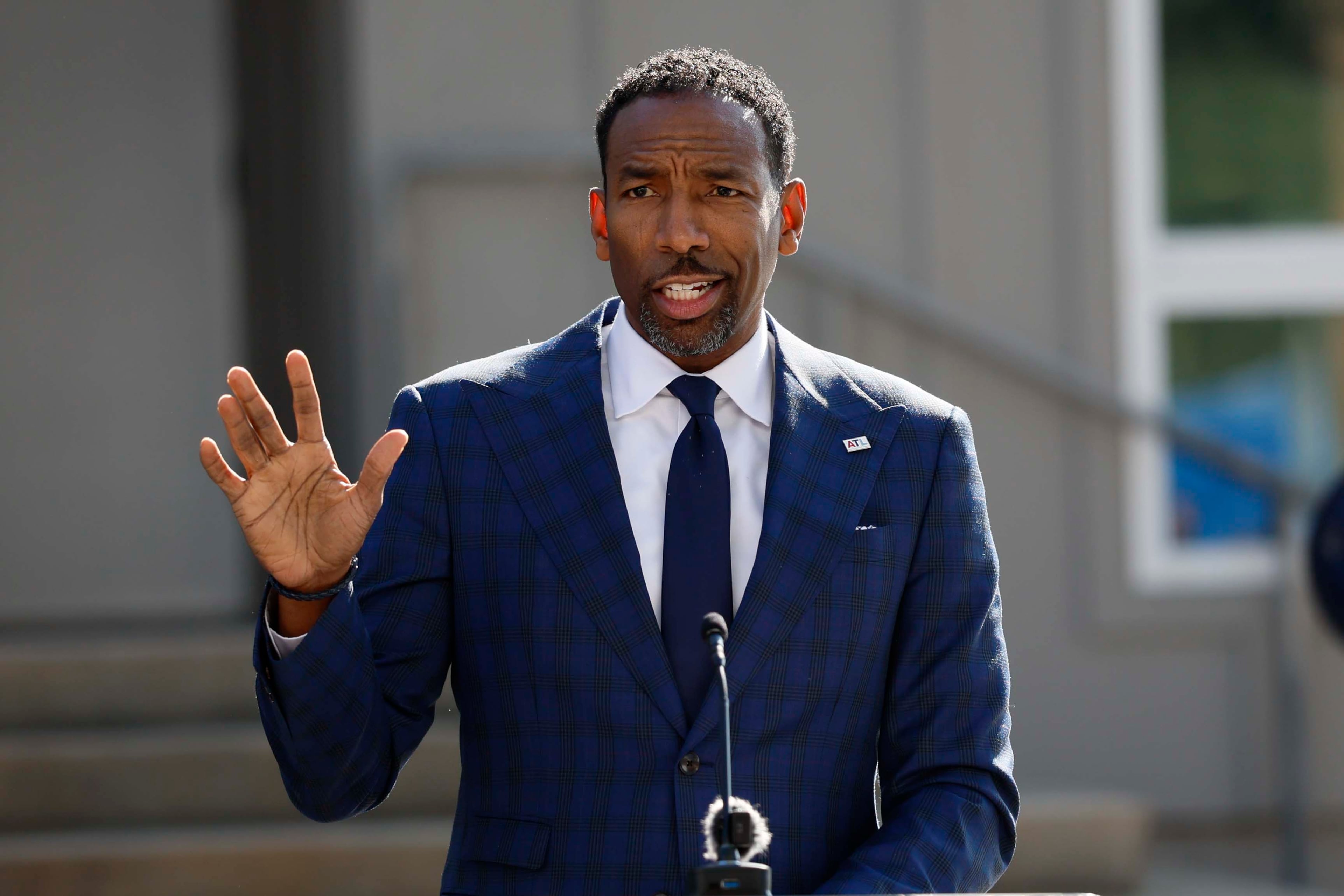
Other progressive candidates fell short in Atlanta’s municipal races — including a narrow defeat in the race for City Council president, where a mainstream Democrat backed by Mayor Andre Dickens prevailed and races for school board.
And South Fulton Mayor khalid “Kobi” kamau, one of the state’s highest profile democratic socialist officials, was tossed out of office after intense criticism over his spending of taxpayer dollars and international travel.
‘Stay tuned’
Even so, leading progressives pointed to signs of breakthroughs.
Kelsea Bond cruised to a landslide win in a crowded race for an East Atlanta City Council seat, becoming the first democratic socialist elected to the body.
And in Marietta, 24-year-old IT specialist Sam Foster came within striking distance of unseating the city’s four-term incumbent mayor, signaling an appetite for generational change even in more conservative suburbs.
“When you have a younger person coming in and talking about the things that voters care about, they’re going to have different solutions and a different way of fighting for the issues that they care about,” he told the “Politically Georgia” podcast.
State Rep. Gabriel Sanchez, the Legislature’s only democratic socialist, highlighted candidates aligned with his movement who fared better than previous runs in 2021 or overperformed expectations.
He said even some establishment contenders are embracing messages, such as promises to lower costs, that the party’s left has long made a mainstay. And he predicted more like-minded candidates will run next year in party primaries against entrenched Democrats.

“You’ll be seeing even more next year, so stay tuned for this working-class movement to grow even stronger,” said Sanchez, who himself toppled a popular Democratic incumbent in 2024.
Carter, for his part, pushed back on the notion his loss against a three-term incumbent in Sandy Springs reflected a broader shift. Paul, he said, benefited from “institutional longevity, name recognition” and dampened voter enthusiasm in the nonpartisan race.
“With less than a quarter of registered voters participating,” he said, “no one should treat the outcome like a sweeping endorsement of Mayor Paul’s agenda or a repudiation of mine.”
Other Democrats pointed to the Public Service Commission flips and last week’s Roswell mayoral runoff as far more meaningful victories — and a better template for 2026 candidates.
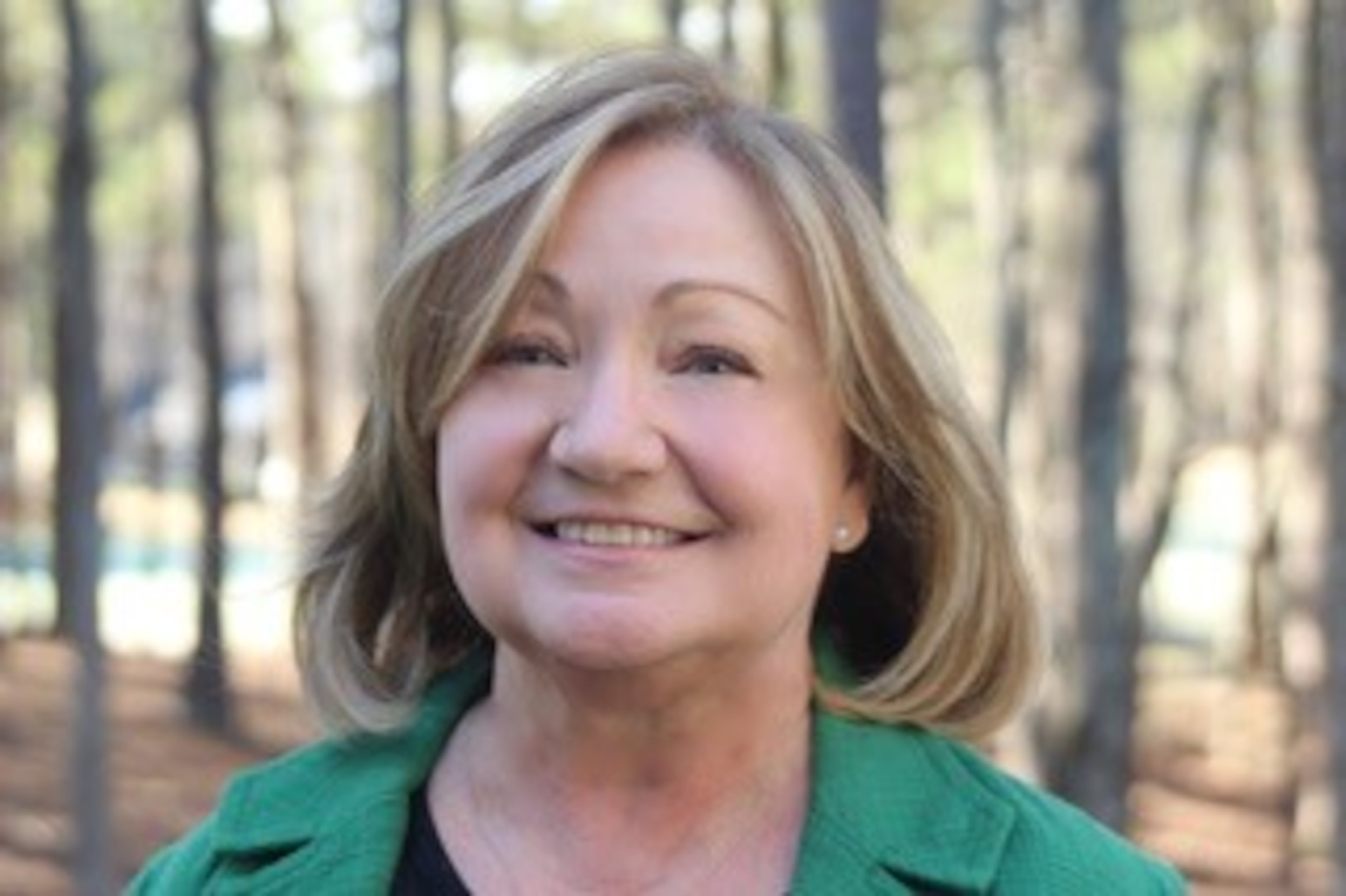
In Roswell, which traditionally leans Republican, former Democratic state Rep. Mary Robichaux defeated a GOP-backed incumbent in a race defined by frustration over a lack of transparency and removal of trees at the antebellum Mimosa Hall & Gardens project.
Robichaux said she embraced her party’s priorities but cast it as “progress that fits the city.” Her victory, she added, proved she could build an “amazing coalition with both parties” by staying focused on the issues.
Former Atlanta City Council President Cathy Woolard said the pattern in many of the races in the off-year cycle is unmistakable.
“Voters want fresh, ethical, policy-oriented candidates to support,” she said, “and are tired of the same old machine politics and longtime faces that they see get elected without competition.”
About the Author
Greg Bluestein is the Atlanta Journal Constitution's chief political reporter. He is also an author, TV analyst and co-host of the Politically Georgia podcast.