AJC Deja News: Coronavirus fears reminiscent of 1976 swine flu worries




ABOUT DEJA NEWS
In this series, we scour the AJC archives for the most interesting news from days gone by, show you the original front page and update the story.
Today’s AJC Deja News comes to you from the Thursday, March 11, 1976, edition of The Atlanta Journal.
Unlike the coronavirus, which is currently shuttering schools, offices, major sports leagues and other forms of mass gatherings, pandemics are not, unfortunately, new.
- DEJA NEWS: 1978 Legionnaires' disease outbreak | 1960 polio vaccines
One noted doctor said, 44 years ago, that we can effectively mark our calendars by the kind of mass illness we’re seeing now.
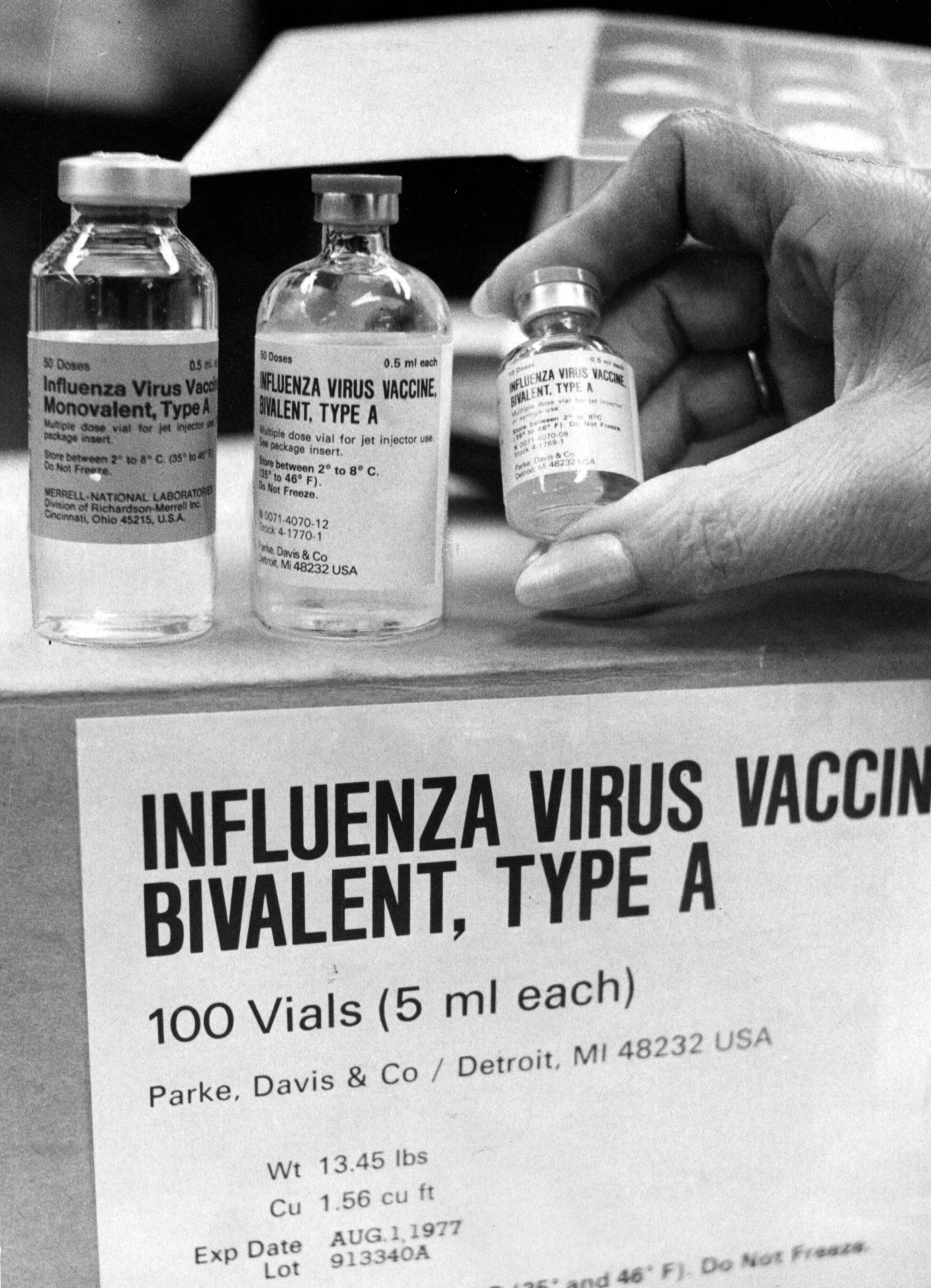
“Worldwide epidemics, or pandemics, of influenza have marked the end of every decade since the 1940s — at intervals of exactly 11 years,” Dr. Edwin Kilbourne, then chairman of the department of microbiology at the Mount Sinai Medical School in New York City, wrote in the New York Times in the spring of 1976 when fears of swine flu rippled throughout Georgia and the rest of the U.S.

From SARS to H1N1, global illnesses have created large-scale disruptions in cities, states and nations alike. Now, here in Atlanta and statewide throughout Georgia, public officials are scrambling to calm fears while trying to keep citizens as safe as possible. COVID-19, though, is a unique virus and is creating an unprecedented set of headaches for government and health authorities.
State officials confirmed Georgia's first coronavirus-related death March 12. A 67-year-old man with pre-existing medical conditions died after testing positive for the illness three days earlier.
The Journal’s Charles Seabrook wrote in his March 1976 article, “All-Out Flu Battle Considered,” that scientists of the time viewed swine flu as the next potential mass health crisis.
“As one of the scientists pointed out, the swine bug represents a major change in the flu strains of the past several decades,” Seabrook wrote. “Such a major change has occurred in the flu strains of the past several decades.”

The COVID-19 virus appears to follow that pattern. While there are seven types of known human coronaviruses that mild flu conditions and aren’t a serious threat to generally healthy adults, COVID-19 can cause more intense and sometimes fatal illness. Since the strain is new to the coronavirus family and is believed to have started in animals, humans haven’t built up any immunity to the virus. And there is currently no form of vaccination for it.
“Past history has shown us that when a major new strain is isolated, it goes on to cause the pandemics,” a CDC official told Seabrook.
VIDEO: What is a pandemic?
- MORE DEJA NEWS: Check out what we've covered before (and again)
Concern over swine flu in the mid-’70s took on special significance because a strain similar to that virus was believed to have caused the 1918-19 worldwide Spanish Flu pandemic, the worst influenza outbreak in history. About 500,000 Americans died during that outbreak.
“A perhaps simplistic reading of this immediate past,” Dr. Kilbourne wrote in 1976 of the 11-year intervals between pandemics, “urgently suggests that those concerned with the public health had best plan without further delay for an imminent natural disaster.”
The last major pandemic in the U.S. involved another novel virus, the H1N1/09 flu. 60.8 million cases were logged; 12,469 people died.
That pandemic began in the spring of 2009, almost exactly 11 years ago as Dr. Kilbourne predicted.
CDC recommends preventive actions to help prevent the spread of respiratory diseases:
• Avoid close contact with people who are sick.
• Avoid touching your eyes, nose, and mouth.
• Stay home when you are sick.
• Cover your cough or sneeze with a tissue, then throw the tissue in the trash.
• Clean and disinfect frequently touched objects and surfaces using a regular household cleaning spray or wipe.
• CDC does not recommend that people who are well wear a facemask to protect themselves from respiratory diseases, including COVID-19. Facemasks should be used by people who show symptoms of COVID-19 to help prevent the spread of the disease to others. The use of facemasks is also crucial for health workers and people who are taking care of someone in close settings (at home or in a health care facility).
• Wash your hands often with soap and water for at least 20 seconds, especially after going to the bathroom; before eating; and after blowing your nose, coughing, or sneezing. If soap and water are not readily available, use an alcohol-based hand sanitizer with at least 60% alcohol. Always wash hands with soap and water if hands are visibly dirty.
• If you are concerned you might have the coronavirus, call your healthcare provider before going to a hospital or clinic. In mild cases, your doctor might give you advice on how to treat symptoms at home without seeing you in person, which would reduce the number of people you expose. But in more severe cases an urgent care center or hospital would benefit from advance warning because they can prepare for your arrival. For example, they may want you to enter a special entrance, so you don’t expose others.
Source: CDC
CONTACT US
If you have a story you'd like researched and featured in AJC Deja News, send an email with as much information as you know. Email: malbright@ajc.com. Use the subject line "AJC Deja News."
>> MORE AJC HISTORY HERE: AJCreprints.com | Photo reprints | Content archives | Flashback Photos