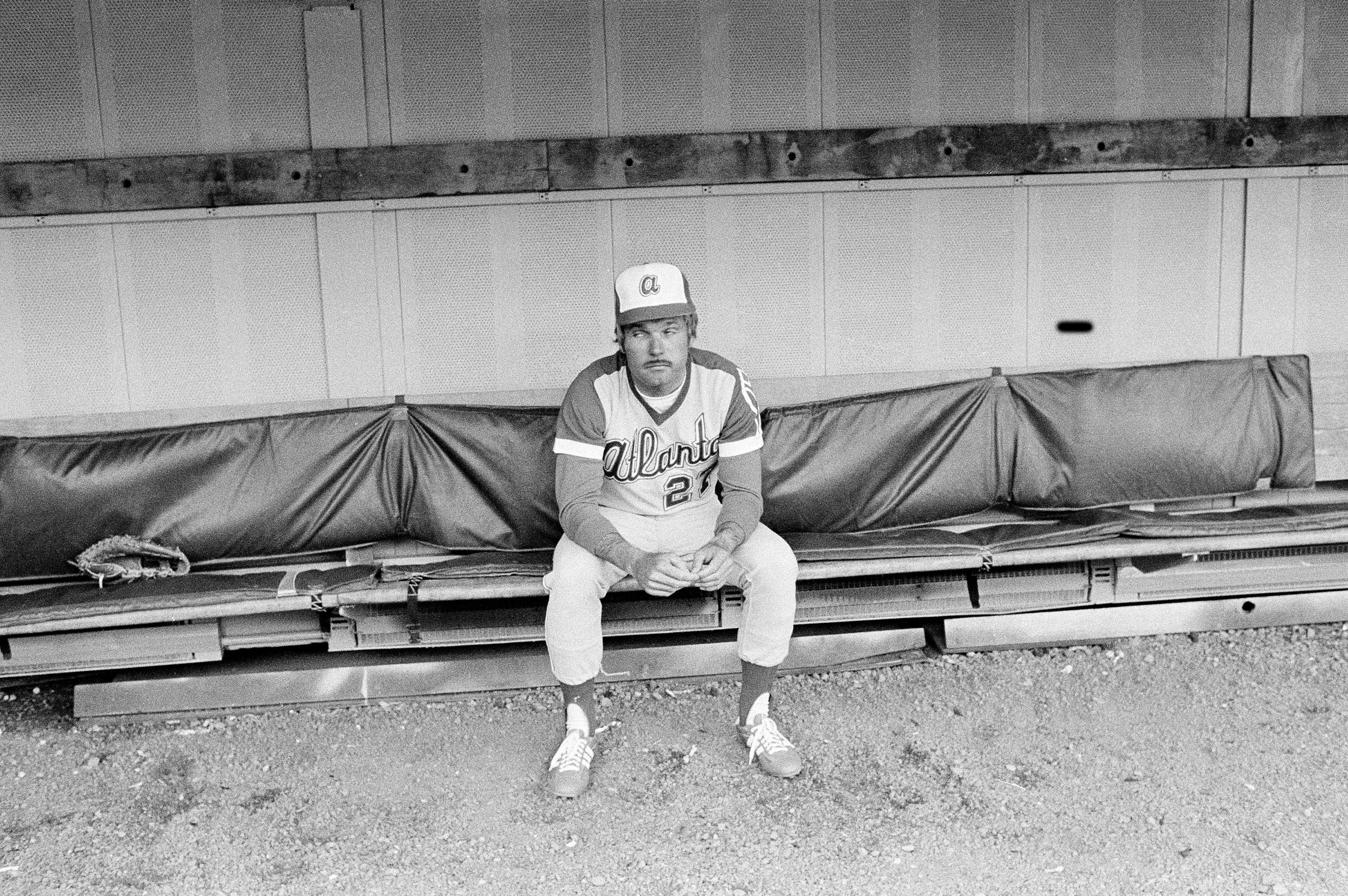
Elijah Walker, 79: Golf pioneer made game accessible to black youths
Before the First Tee, there was Elijah Walker’s junior golf program.
After becoming one of Atlanta’s first black golf pros in the 1970s, Walker launched the first city-owned junior golf program in the nation to expose inner-city children to the game.
For nearly four decades, he would teach more than 1,500 African-American children – from Atlanta’s upper middle class to low-income families.
Many of his young golfers would win junior championships and receive golf scholarships to college. They would take lessons from famous pro golfers and travel to participate in golf clinics and local, state and national tournaments, including the Doral Junior Golf Tournament that attracts participants to Miami from around the world.
“If it wasn’t for Elijah, those kids would not have had those opportunities,” said Charles DeLucca, president of the First Tee Miami-Dade Amateur Golf Association. “It was not just the golf. It was about the core values he instilled that changed many lives. He was a great and giving man.”
Walker died of stomach cancer on Sept. 17 at the age of 79. His funeral will be at 11 a.m. Saturday at the Ark of Salvation Church in Atlanta.
Born on March 14, 1936, in Huntsville, Ala., Walker’s love of golf began in childhood. At age 7, he became a caddy at the Huntsville Country Club.
After high school, he received a mechanical arts degree from Alabama A&M, where he and five other black students started an unofficial golf team that won the Southern Conference college golf championship on its first try.
Following a stint in the Army from 1961 to 1965, Walker returned to Huntsville to work as the assistant golf pro at the military golf course at Redstone Arsenal.
In 1971, he was hired to fill the court-ordered black pro position at the nine-hole John A. White Golf Course in southwest Atlanta, where he spent the next seven years as head pro.
Walker founded the Atlanta Junior Golf Program in 1978 when the city closed the golf course to the public. As the program’s director, he was left with five holes, the clubhouse and maintenance equipment.
With limited resources and a lot of determination, Walker rallied the support of the golf community to build a program that gained national attention.
Metro area country clubs donated range balls and clubs. Among the golf professionals to assist was Calvin Peete, the most successful black golfer on the PGA tour before the arrival of Tiger Woods.
“It was not easy going by any stretch,” said Atlanta resident Linda Broadus, who put her four children in Walker’s program in the 1980s. Three earned golf scholarships. “The roof was leaking. The sand traps were filled with grass. Mr. Walker took lemons and made lemonade. He would pick up kids from the projects. He would work with children whose parents were at their wit’s end. In spite of all the adversity, the children were still able to compete and excel at every level. ”
Walker’s son and daughter also were among the hundreds of children he taught. They both received golf scholarships to play in college. Like many of his other junior golfers, they followed in his footsteps and now teach the game to others.
“Now to see so many young people in golf, I believe my father’s work contributed to it,” said his son Travis Walker of Stockbridge. “Other cities saw what he was doing and started programs for youth. He just wanted to get kids off the streets and into something positive.”
For his work, Walker received the 1986 Golf Digest Junior Golf Development Award and was inducted into the National Black Golf Hall of Fame in 1991.
After retiring from the city in 1993, he founded the Inner City Junior Golf Academy at the Cascade Road Driving Range, which he continued until 2013.
Now home to the First Tee program, John A. White is a nine-hole golf course again.
“We learned on a five-hole throwaway, but it was our sanctuary where we honed our skills,” said Mark Cooper of Mableton, who joined Walker’s junior golf program in 1984 at age 10. “I never thought golf would take me anywhere beyond summer camp. But I ended up playing in college at Hampton University on a golf scholarship. Mr. Walker impacted a lot of lives.”
In addition to his son, Walker is survived by his daughter Tammy Walker of Marietta, his sister Louise Ford of Huntsville and four grandchildren.