Underfunded Georgia medical board does little to stop doctors who cross the line

The North Carolina medical board issued a blistering disciplinary order in October after it reviewed a case involving surgery on a 13-year-old boy.
The teen had gynecomastia, the often temporary enlargement of breast tissue in males during puberty. That surgery, which left the boy disfigured, should never have been performed on a patient of that age because the condition naturally resolves in 80% of patients, the medical board said. What’s more, the doctor didn’t adequately inform the family of the risks or properly document the procedure, the board found.
The doctor had another issue, too, the board said. He had agreed to pay $6.6 million in 2023 to settle federal charges that he improperly billed federal health programs.
The findings prompted the doctor to inactivate his North Carolina medical license.
The operation actually took place in Georgia, where the doctor, John Y. Chung, primarily practices. In a lawsuit here, the family claimed the doctor — who is a dermatologist, not a plastic surgeon — wasn’t qualified to perform the surgery. They also said the boy was fully conscious as Chung operated on him.
“He experienced agonizing pain and cried throughout the procedure,” the lawsuit says.
But unlike North Carolina’s medical regulators, Georgia found nothing in Chung’s actions that merited public discipline.
His clean licensing profile in Georgia doesn’t reflect Chung’s history. Patients looking up information on his Georgia license also wouldn’t find out that Tennessee had reprimanded him and ordered ethics training in a 2023 case.
The reality in Georgia: About every other state does more to protect patients from potential threats in the state’s medical offices and operating suites. Even care that falls far below standards and puts patients in jeopardy is unlikely to draw a rebuke from the state’s medical regulators, an Atlanta Journal-Constitution investigation found.
Risky Medicine
An AJC series examining how Georgia became a haven for unproven treatments
Part 1: Welcome to Georgia, where questionable therapies flourish with little oversight
Tennessee cracked down on a questionable therapy. Georgia gave its doctors a home.
Part 2: Desperate patients seek cures, leave with debt and regret
Atlanta clinic promoting unconventional medicine has controversial history
Part 3: Underfunded Georgia medical board does little to stop doctors who cross the line
Why you will have problems checking out your Georgia doctor
Who’s providing alternative medicine in Georgia, and what they can, can’t do
And when it comes to imposing serious disciplinary actions for any type of infraction, Georgia’s medical board ranks next to last in a state-by-state comparison, an AJC analysis found.
None of this should be a surprise.
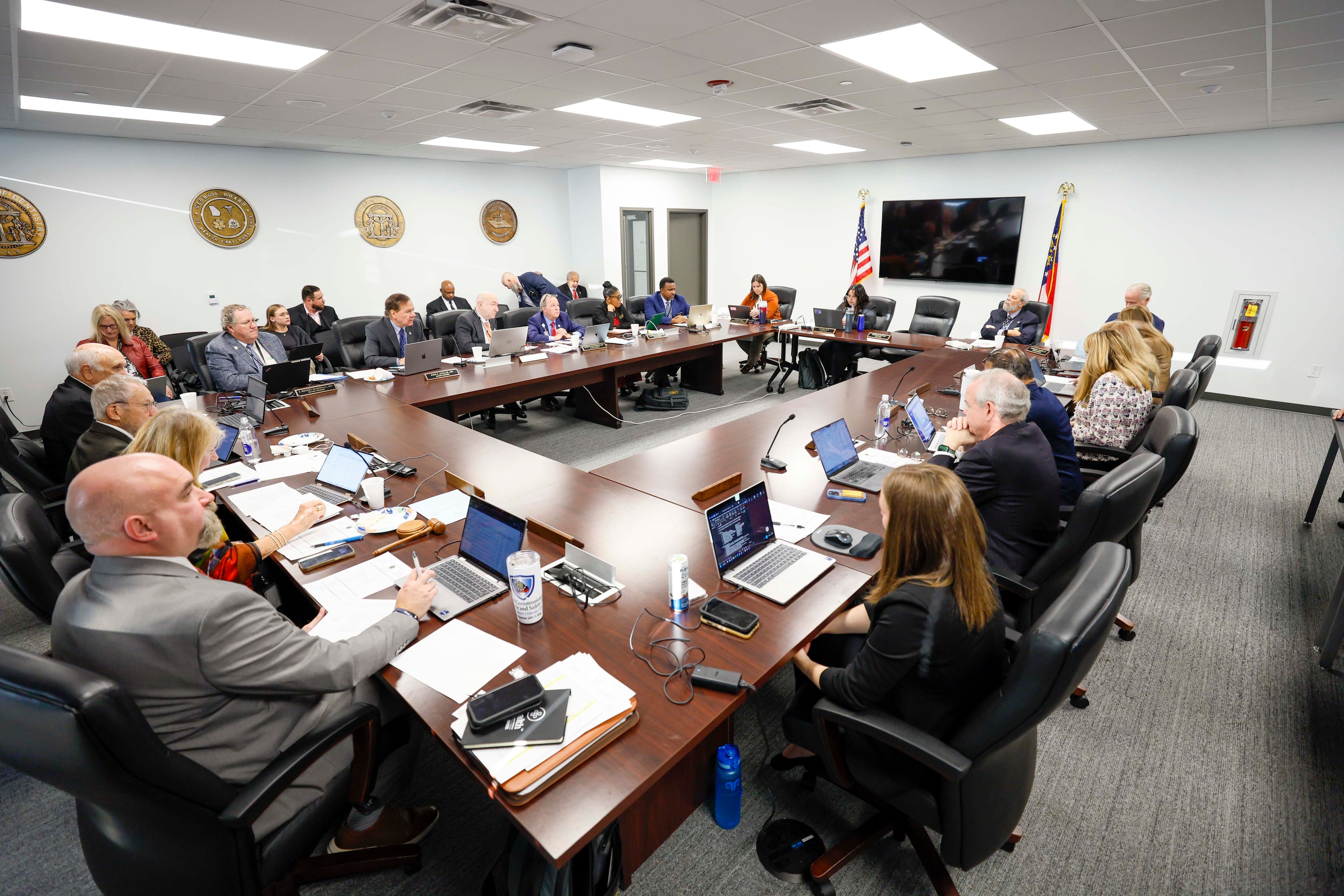
A scathing state audit warned six years ago that the Georgia Composite Medical Board doesn’t have the staff or the money to keep up with its responsibilities. Yet calls for significant increases in resources for the board have largely been ignored by Gov. Brian Kemp and the Georgia General Assembly, as they were again this year.
Now, some medical ethicists and policymakers say, the need for stronger patient protections has become urgent as more patients are enticed by social media, wellness influencers and even some federal health officials to try unproven or dangerous treatments.
Key takeaways
Doctors who violate the law, mislead patients or put them in jeopardy through errors or negligence have little to fear from the Georgia medical board. Even in many cases where patients died or suffered severe permanent injuries because of malpractice, the physicians had no public disciplinary actions, an Atlanta Journal-Constitution analysis shows. In fact, the AJC found serious discipline of any kind is so rare that only one other state does worse.
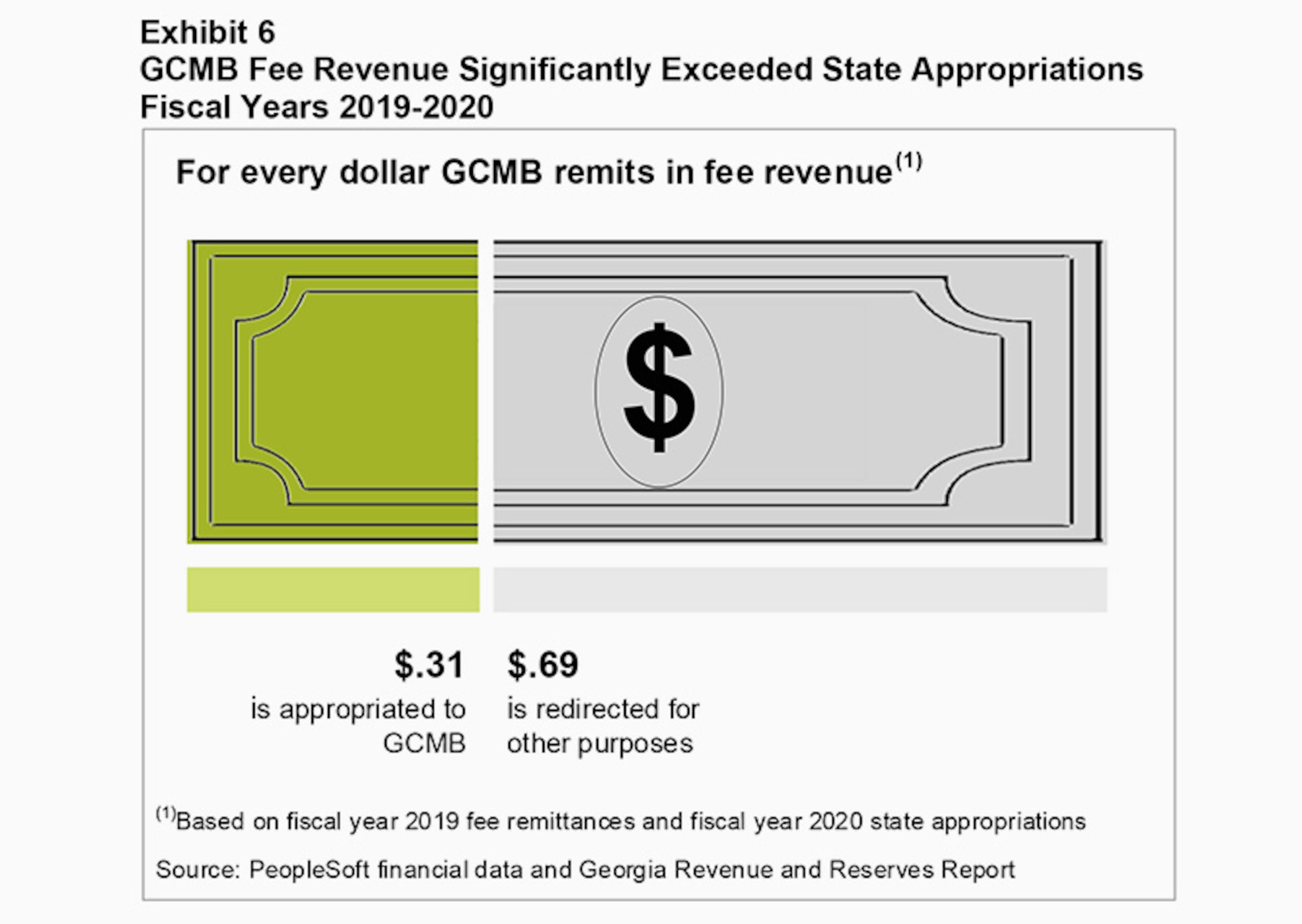
A key reason: Most of the money the Georgia board collects in license fees goes into the state’s general fund. The portion the board gets to keep isn’t enough to pay for the staff or other resources to keep up with its responsibilities.
It’s a scenario that has left the board struggling with a backlog of cases already so big it would take years to clear, even as more complaints pour in.
Now, as more patients are enticed by social media, wellness influencers and even some federal health officials to try unproven or dangerous treatments, the need for stronger patient protections has become urgent, medical ethicists and policymakers say.
It can be too easy for patients in Georgia to be sold a bill of goods, said Rep. Michelle Au, D-Johns Creek, who serves in the state Legislature and practices medicine as a board-certified anesthesiologist. She said she frequently sees patients who are being offered all sorts of treatments outside of mainstream medicine.
“Patients are putting their trust in people who maybe misrepresent their credentials or are soft on the science, and that is what the role of the medical board is, to try to preempt and regulate, right?” Au said. “But that is a huge job in a state like this, especially with the proliferation of profit-based centers that push this type of unregulated care.”
A federal government that is pushing back on established science adds to the challenge, she said.
“It becomes really a giant problem to deal with on literally every single front you can imagine in a state that’s underresourced,” Au said.

Other states act, but not Georgia
In other states, the growing popularity of medical spas, IV clinics, alternative medicine centers and practitioners that focus on “wellness” care and “functional medicine” has alarmed lawmakers and medical boards. Many have taken action.
In Texas, patients must be warned when they are offered alternative medicine treatments that are outside conventional medical standards. That covers everything from peptides and exosomes to hyperbaric oxygen and stem cells.
Texas also passed “Jenifer’s law” to up patient protections in response to a 2023 incident in which a woman died shortly after receiving an IV infusion at a Texas med spa.
Alabama’s medical board launched a statewide investigation about five years ago as IV therapy clinics were popping up everywhere. It found nurses were unlawfully practicing medicine and violating pharmacy laws, while physicians enabled the illegal activities. Chiropractors were also involved in diagnosis, recommendation and administration of the IVs, despite a state law forbidding them from prescribing or administering medicine.
The state put clinics on notice. Alabama’s attorney general later forced the closure of a mobile IV clinic that was also dispensing unapproved weight loss drugs.
Stem cell therapy

For-profit clinics across the country sell stem cell treatments that are not FDA approved. Some clinics isolate stem cells from a patient’s fat or bone marrow. Others use donated cells, often from umbilical cord blood. The cells are then injected or infused into the patient.
Claims: Clinics that sell the treatment may describe it as a miracle cure, effective for a wide variety of orthopedic conditions, neuropathy, Parkinson’s, ALS, MS, macular degeneration, stroke, autism, cardiac disease and male incontinence, among other afflictions. It is also said to restore virility and regrow hair.
Risks: Infection, tumor formation, unwanted tissue growth, immune system complications, blindness and neurological events. Critical challenges include manufacturing the products in a safe way.
Regulations: The FDA has approved stem cell therapy only for certain types of stem cells and for some specific conditions, including leukemia, lymphoma, multiple myeloma and aplastic anemia. It also can be used to reduce the risk of infection in people with blood cancers. Nonapproved stem cell products are investigational and are under review to see if the therapy can treat many other conditions.
Red flag: Claims that stem cells are a miracle cure.
In Mississippi, the medical board started warning practitioners and the public in 2023 about safety concerns involving retail IV hydration therapy businesses operating without qualified staff or legal authority. In 2024, Mississippi sanctioned a doctor for assisting in the unlicensed practice of medicine at IV clinics in several states where he was the medical director. He had allowed nurses to administer medications without an examination or diagnosis, the board said.
In Georgia, though, patients can’t rely on a proactive system of protection; figuring out whether a practitioner is crossing ethical, scientific or even legal lines is largely up to consumers themselves, the AJC investigation found.
As Dr. Kathryn Cheek, a veteran pediatrician and chair of the Georgia Composite Medical Board, makes her way around the state, she’s taken note of the med spas, IV clinics and other types of alternative medicine facilities in every community. Cheek said she has concerns about the credentials of the staff administering care and whether patients know what to look for when seeking treatments.
“The public in general is informed to a degree that there are charlatans in every specialty, every field,” Cheek said. “So it’s very important to us for us to help them understand what kind of care they’re getting, who’s supervising it, if anybody’s supervising it and that the public is protected. That’s what we want to do — definitely.”
In a move in that direction, the medical board issued a statement in mid-May reminding IV clinics and medical spas about the legal requirements for providing IV hydration and therapy services. The board was concerned that some clinics were not following the laws on the books, especially the requirements for proper physician supervision.
Cheek also said the board strongly disapproves of doctors who are not practicing based on established medical science.
“Unsafe or unproven practices are against the law, and that’s what people need to realize,” she said.
But it will be a challenge for the board to try to actually police what’s happening throughout Georgia in storefront clinics offering all sorts of purported remedies promoted on social media.
That challenge is largely the result of decisions by state leaders to siphon money from the board by keeping at least half — and often more — of the money the medical board generates from licensing fees.
That has left the board underfunded and ineffective for years, leading to a host of shortcomings, including the rarity of disciplinary actions, the 2020 state audit found.
The audit recommended that Georgia get in line with national standards and allow the board to use all the money it collects in fees to pay for its operations and hire the additional staff it needs to protect the public.
Lawmakers have never taken that step.
Results and risk
A risk of a drastically underfunded medical board: Dangerous doctors keep seeing patients.
When it comes to imposing any serious disciplinary actions, Georgia’s medical board ranks as one of the nation’s weakest.
Only Indiana ranks lower when it comes to discipline that limits a doctor’s ability to practice, the AJC found in an analysis of reports by malpractice insurers, medical boards, hospitals and others to the federal government’s National Practitioner Data Bank between 2022 and 2024.
In Ohio, which ranks first, the rate of serious discipline was five times higher than Georgia’s.
“The state licensing boards are both the first line of defense for patients and the last line of defense for patients,” said Robert Oshel, former associate director for research at the National Practitioner Data Bank, a government repository that tracks actions by hospitals, discipline and malpractice payments related to healthcare practitioners.
Boards protect the public by setting standards that govern who can get a license and acting to revoke or restrict doctors if something goes awry, he said.
“If the boards aren’t dealing with it effectively, then you end up with situations where highly questionable physicians continue to practice and continue to harm patients in a lot of cases,” Oshel said. “So it’s really important the boards do their job.”
An AJC review of medical board orders also shows Georgia rarely takes action against physicians for medical errors, negligence or other substandard care that caused patient harm. The stinging 2020 audit had similar findings, saying the board lacked the capacity and processes to do thorough and timely investigations.
The audit found the board imposed public discipline in less than 2% of cases, amid a board culture that sometimes shied away from taking action.
The board receives thousands of complaints a year, but in 2023 the board issued just 28 disciplinary orders against physicians; in 2024 it issued 31; last year it issued 52, the AJC found.
Few of those orders involved discipline for doctors who failed to meet care standards, the AJC found, aside from a few cases where another state had already acted or the doctor violated rules on prescription drugs.
In 2023, the medical board imposed restrictions on only two doctors after reviews found they had departed from minimal standards in treating patients. In 2024, the board sanctioned three doctors for substandard care. In 2025, the board sanctioned three, including one physician for care that was provided 10 years earlier.
By comparison, in a recent six-month period the medical board in North Carolina, which has about as many licensed physicians as Georgia, issued more than two dozen citations or public letters of concern involving what expert reviewers said were standard-of-care issues.
The AJC also found that the Georgia board hasn’t issued sanctions in some cases involving significant malpractice verdicts or settlements, including some doctors with multiple payouts. Even in the vast majority of cases where patients died or had severe permanent injuries, the physicians had no public disciplinary action, the AJC found in an analysis of the National Practitioner Data Bank reports.
State law requires the Georgia board to review malpractice payments to see if physicians have provided substandard care that merits disciplinary actions or required training. State law also requires that any significant malpractice payments be listed on each doctor’s profile on the medical board website.
The AJC in August requested a copy of the Georgia database of malpractice reports so it could analyze how often the board takes any action against doctors with significant malpractice payouts. The information is subject to release under the Georgia Open Records Act.
But the board did not release the data to the AJC until mid-May, citing concerns about the accuracy of the information. In an initial review of the data finally provided, the AJC found significant payout information appears to be missing.
Big payouts, no penalties
The AJC’s checks of significant malpractice cases it identified found board action was rare, even when doctors had multiple payouts or other issues, as was the case of Chung, the doctor who both North Carolina and Tennessee took action against while Georgia did not.
Chung did not respond to an AJC request for an interview.
The North Carolina medical board’s action against Chung is a testament to how a board should act to keep patients safe and hold physicians accountable, said Alex Seay, one of the attorneys in the case against Chung.
“It is unfortunate that Georgians do not have the same protections available to them from our Composite Medical Board. This example, and I imagine it does not stand alone, is all anyone should need to know that we as a state need to do better,” Seay said. “Whether that means getting the GCMB (Georgia’s medical board) more funding and resources or it means reforming the process, it is clear something needs to change so that patients in Georgia are protected.”
The AJC checked for board actions in cases where a physician had multiple malpractice settlements, large payouts or more than one type of adverse action.
These are among the examples the AJC found.
A surgeon’s profile shows six malpractice payments totaling more than $10 million. Other records show he and his practice paid $1.29 million to settle a federal case over improper billing. His Georgia license has no public discipline.
A gynecologic oncologist has six malpractice payouts totaling nearly $8 million on his profile, with multiple allegations of surgical errors. His license has no restrictions.
The license of a neurosurgeon with four malpractice payments listed totaling more than $2 million shows no discipline or restrictions.
An orthopedic surgeon with multiple malpractice payouts — including one for $6.8 million listed in a bankruptcy filing — and whose outpatient surgery center was threatened with closure by the state Department of Community Health because of violations, also has a clean license.
Even a doctor who gained media attention for allegedly botched cosmetic surgeries over 20 years, and who has been the subject of at least 11 lawsuits and complaints from multiple patients, continues to practice without restrictions or discipline.
A desperate need for resources
Georgia’s medical board says it wants to do more to protect the public.
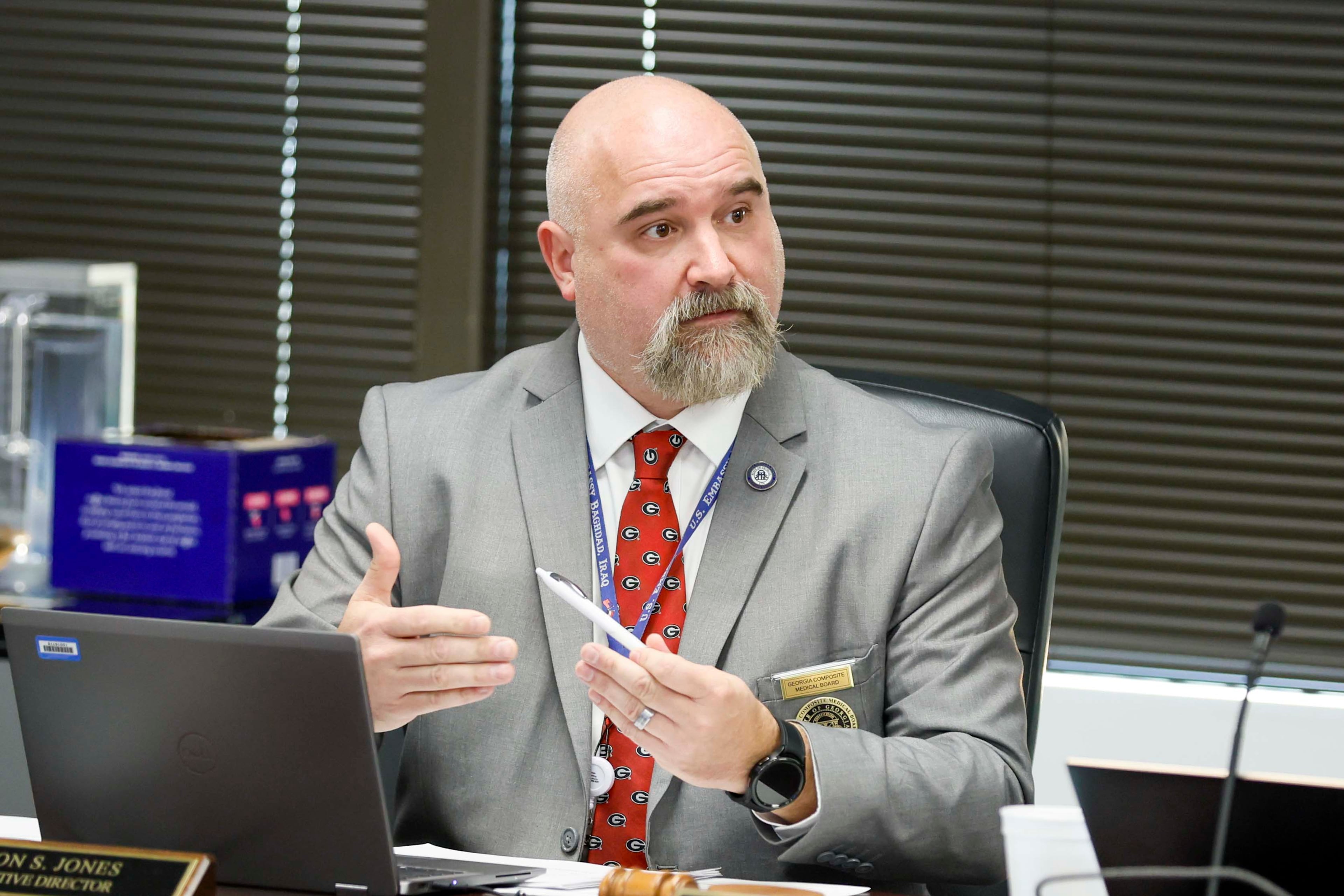
Jason Jones, who was hired as the medical board’s executive director in 2024, has tried to modernize and improve the efficiency of the board’s operations. He’s convinced lawmakers to approve a few new positions. He’s sped up the licensing and renewal process.
But Jones, a former investigator for the board, said he knows more needs to be done to quickly investigate clinics and practitioners who may be violating laws and harming patients.
“We know as a staff we need to do more for our board to be able to address these things and give them the information they need,” Jones said.
Jones had hoped to fill some of the gaps across his divisions by increasing the board’s staff from 44 to 71 positions with a focus on improving compliance and investigations. He had also hoped to add a team of people to inspect thousands of medical offices around the state, with new attention for med spas, IV clinics, pain clinics and ketamine clinics.
IV hydration and vitamin therapy

A high-dose blend of various vitamins and minerals is injected or infused into the bloodstream. The doses may be described as customized for each patient and may include over-the-counter medications and other substances.
Claims: Even for those with no vitamin or mineral deficiencies, the therapy is said to improve immunity, combat hangovers and colds, help treat asthma, diabetes, cancer, Lyme disease, migraines, fibromyalgia, cardiovascular disease and many other conditions, as well as reduce jet lag, relieve stress and remove toxins from the body.
Risks: IV drips and injections may cause severe infections and other injuries, particularly if they are administered in a facility with little oversight or if the equipment is not properly sterilized. Repeated IV therapy can overload the bloodstream, resulting in complications that include vein inflammation and damage. Large IV doses of some vitamins can cause potentially life-threatening allergic reactions.
Regulations: Orders for IV treatments must be prescribed by a physician, nurse practitioner or physician assistant after a patient assessment. Registered nurses cannot legally be the only healthcare professional involved in evaluating and treating patients. Under federal law, no one can promote dietary supplements for treatment of a disease because they haven’t been proved to be safe and effective, the Federal Trade Commission has noted. The FDA says compounded supplements administered through an IV in liquid form are, by definition, prescription drugs.
Red flag: The treatment is administered by an RN, emergency medical technician or licensed practical nurse with no physician, nurse practitioner or physician assistant involved.
The budget for the new positions could be covered if lawmakers allowed the board to keep more of its licensing fees, according to a board analysis.
Jones made a strong case to Georgia lawmakers that the board desperately needs the additional staff.
A 2026 budget presentation showed that the board has a backlog of hundreds of cases to investigate. Those cases often involve issues the board deals with all the time among licensed physicians — malpractice, sex abuse, improper prescribing, addiction and mental health.
A 2025 board analysis found that staffers in almost every board division would have to work double or triple shifts daily to keep up with the work demands. Clearing the backlog with present staffing could take years, the data indicates, as all the while more complaints come in.
However, Kemp’s budget called for no changes in the board’s funding for the upcoming fiscal year. Lawmakers approved adding only a medical director and a compliance inspector. Those positions were primarily to cover new board responsibilities involving licensure categories.
Sen. Kay Kirkpatrick, R-Marietta, a retired orthopedic surgeon, said she is concerned about medical care that’s not backed by science being offered in Georgia. “I think the medical board does the best they can with what they have,” she said. “There’s always problems with getting them enough funding to have enough investigators...”
But a giant increase in the board’s budget, Kirkpatrick said, is hard to achieve in one year. “We’re a big state, and the needs are huge, and so we just have to try to make wise decisions about how to use those resources.”
She also said that the board in some cases needs changes in state laws. “They can’t police things that they don’t have any authority to police,” Kirkpatrick said.

The Georgia board has targeted one growing area of alternative medicine: the use of ketamine and psychedelics that are generally offered to help with psychiatric conditions and pain. The board was concerned about clinics taking advantage of vulnerable patients and asked the General Assembly to pass a law that would rein in the industry.
“The board did want to kind of move forward on that to avoid the Wild West of clinics so it didn’t become the next opioid crisis,” said Kimberly Emm, the board’s deputy executive director and legal counsel.
The bill has been approved by both the state House and Senate and has been signed into law by the governor.
Emm and Jones, the board’s executive director, said it will take time to figure out how to most effectively and legally combat clinics that are making false and misleading claims to patients related to other alternative medicine treatments.
“We know it’s out there, and we’re looking forward to being able to … kind of help identify and help people understand what they should and should not be looking for in any place they go to get what they consider to be medical health help or medical services,” said Cheek, the board chair.
The medical board exists to do that job, said Au, the state representative who is also a doctor.
“This is an incredibly important body that does not work for doctors, does not work for nurses, does not work for any practitioners. The job of this board is to keep people in this state safe when they undergo medical care,” Au said.
While Jones is making strides, she said lawmakers and even the public can’t see a need for big changes at the board. That, she said, may take a high-profile tragedy.
“It’s only after something happens,” Au said, “that you have unregulated practice, that a patient dies or is injured, that we say, ‘Isn’t there a board that looks at this?’ ‘Shouldn’t we have caught this?’ ‘Shouldn’t they have done something?’”
About this investigation
Who’s watching out for patients in Georgia?
That was a driving question as reporters Carrie Teegardin and Danny Robbins set out to examine how the state was responding to practitioners touting unproven and disproven health treatments.
An initial step was to assess the extent of alternative medicine and “wellness” clinics across Georgia and learn who practices at them, what treatments they offer and what claims they make. Using web searches and public records, data analyst Phoebe Quinton compiled information on hundreds of such businesses.
The reporting team, led by editor Lois Norder, then researched the qualifications of the nearly 300 practitioners identified at the clinics, storefronts and mobile services. Was the provider really board certified? A bestselling author? A world-renowned cancer expert? Was the person pictured in the white coat and called “doctor” really a licensed physician?
That laid the groundwork for the next step: learning more about Georgia’s oversight of those businesses.
For that, the AJC relied on databases it created for all orders issued by the Georgia Composite Medical Board since 2018, malpractice verdicts and federal actions against doctors. The team also reviewed minutes of medical board meetings, medical licensing laws and board financial information.
That work raised the question of whether other states do more to protect patients and how they regulate alternative medicine. So the team studied medical practice laws in other states, actions by their medical boards involving alternative medicine and board orders for substandard care.
To gain a national assessment of medical board oversight, Quinton used the public file of the National Practitioner Data Bank to see how often the Georgia medical board imposed serious discipline compared with other states and how often the board imposed discipline of any kind on physicians with malpractice payouts.
Some of the most painstaking work involved the individual alternative medicine businesses highlighted in the series. The reporters relied not only on court and business records but also interviews with patients they identified, clinic owners and operators and public officials.