Welcome to Georgia, where questionable therapies flourish with little oversight



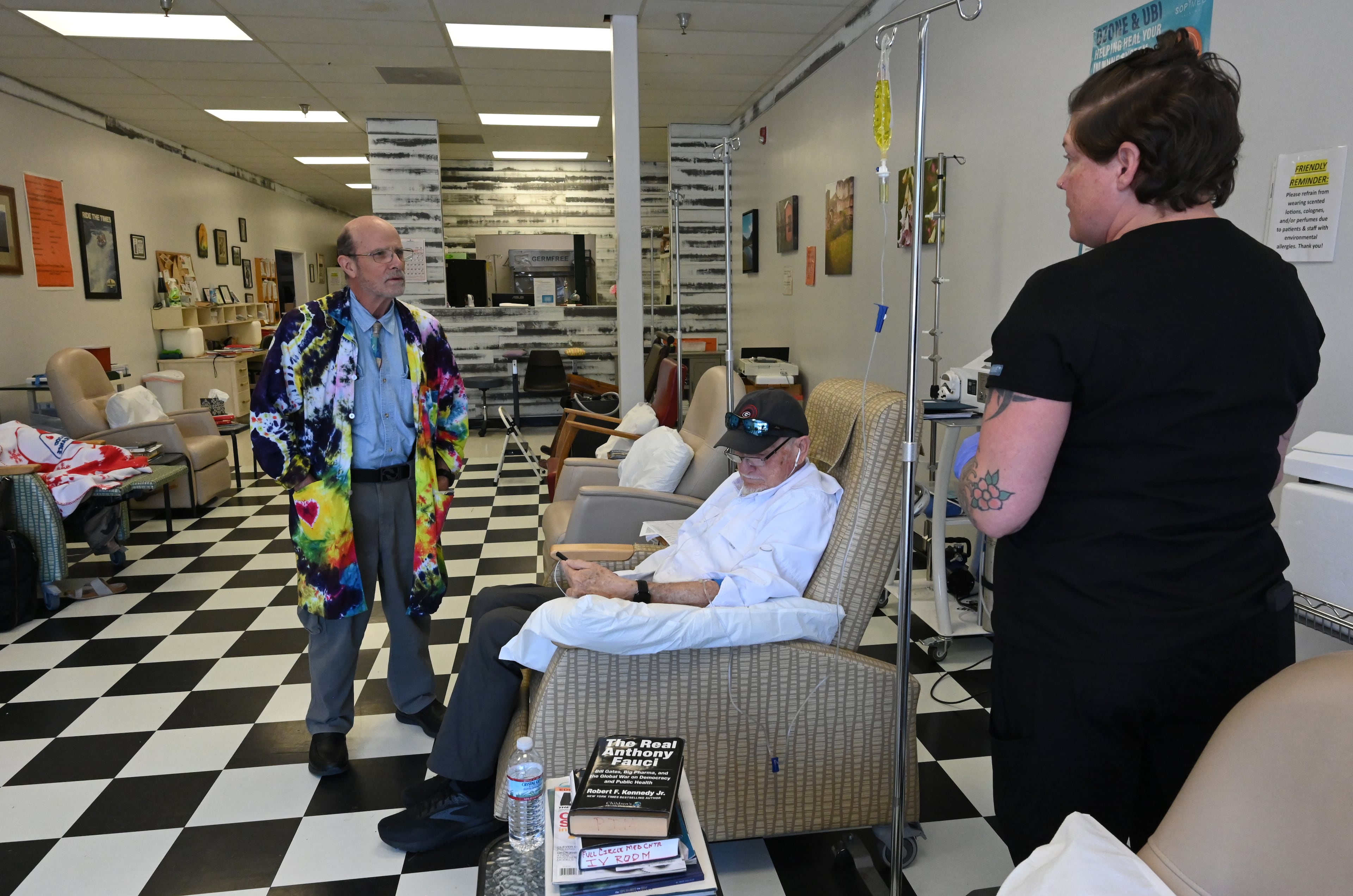
Dr. Charles Adams built his Tennessee practice by telling patients a controversial IV therapy he provides was good for everything from headaches to heart disease. So when that state’s medical board threatened to crack down, he found a work-around.
He moved his practice 15 miles down the road to Georgia. In Ringgold, where he occupies two spaces in a repurposed shopping mall, he has been free to treat patients as he sees fit, without interference from state regulators.
Georgia has no official welcome mat for providers like Adams who offer unproven or risky procedures, but the state has become a safe harbor for them, an Atlanta Journal-Constitution investigation has found.
Hundreds of practitioners throughout Georgia are operating storefronts and clinics promoting treatments that run counter to accepted science, mainstream medicine and federal guidelines. The primary reason: lax oversight from a state medical board that is one of the nation’s weakest.
Georgia’s medical board, the arm of state government that licenses and disciplines physicians, has been ineffective for years due to dramatic underfunding by the Georgia General Assembly and an often timid approach to regulation. The board rarely doles out significant sanctions of any kind.
That means Georgia sets few guardrails to stop any of those practitioners who violate state law, mislead patients or put health and safety at risk.
Many of these practitioners are physicians, including dozens purporting to have expertise in areas outside their specialties. Many others are advanced practice registered nurses or chiropractors who are running facilities without a supervising physician identified.
Georgia is even home to dozens of unlicensed people who appear to be violating the law by calling themselves MDs, doctors or “naturopathic physicians” and claiming to diagnose and treat disease, the AJC found.
Risky Medicine
An AJC series examining how Georgia became a haven for unproven treatments
Part 1: Welcome to Georgia, where questionable therapies flourish with little oversight
Tennessee cracked down on a questionable therapy. Georgia gave its doctors a home.
Part 2: Desperate patients seek cures, leave with debt and regret
Atlanta clinic promoting unconventional medicine has controversial history
Part 3: Underfunded Georgia medical board does little to stop doctors who cross the line
Why you will have problems checking out your Georgia doctor
Who’s providing alternative medicine in Georgia, and what they can, can’t do
Most of the practices the AJC identified offer a menu of therapies that have become buzzwords on social media: hyperbaric oxygen, chelation, stem cells, peptides, exosomes, hydrogen peroxide injections and IVs, custom vitamin infusions, ozone treatment and hormone boosts.
These treatments and others, websites and social media posts claim, can help patients dealing with all sorts of conditions, including some that mainstream medicine can’t cure. Almost nothing is off the table: autism, Parkinson’s, Alzheimer’s, chronic fatigue, aging, diabetes, emphysema, cancer, arthritis — and much more.
Georgia medical board officials insist that this isn’t a so-called “freedom of treatment state,” as some alternative medicine practitioners claim. Both the executive director and the chairman of the Georgia Composite Medical Board told the AJC they want to know about doctors and others who are crossing lines or presenting false information.
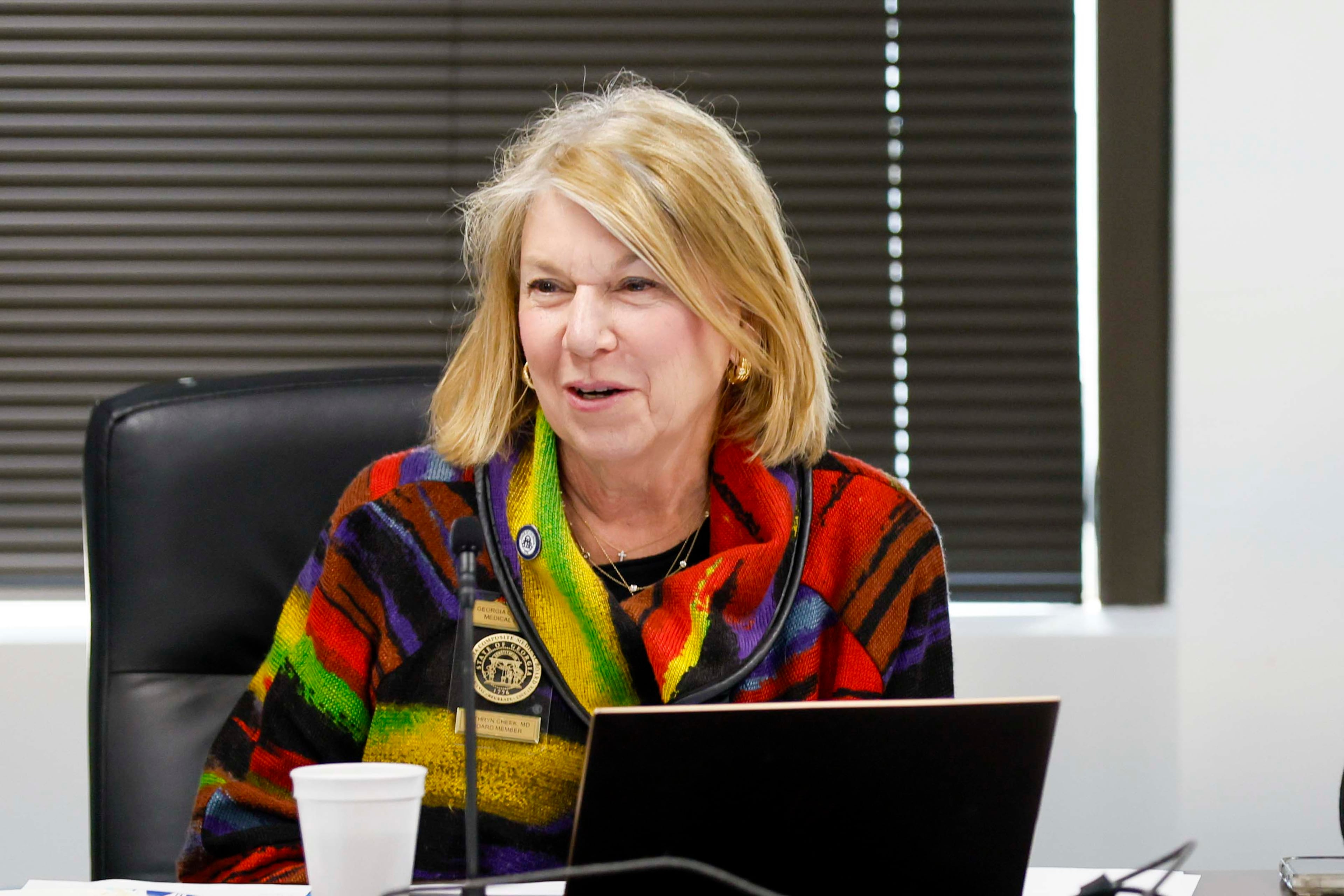
“We don’t have the ability to run down the street and knock on everybody’s door and say, ‘Are you compliant?’” said Dr. Kathryn K. Cheek, a board-certified pediatrician who is the chairman of the medical board. “But if we hear of someone that’s practicing out of the standard of care, we’re going to investigate it.”
Yet an AJC analysis of board records found oversight is scant and practitioners have found they can play by their own rules. Unlike other states that have warned the public about unproven or dangerous treatments, Georgia’s medical board rarely takes such stands.
Nor has the board aggressively targeted nonphysicians who offer diagnostic and treatment services that, by state law, only licensed physicians have the authority to provide. Since 2022, the board has issued only seven cease and desist orders to individuals engaging in the unlicensed practice of medicine.
The board has rarely taken action to rein in doctors who have harmed patients. The board hasn’t even acted when the federal government announced it successfully sued doctors for fraud.
That was the case with Adams, the doctor who moved from Tennessee to Georgia so he could continue to promote chelation therapy for a variety of ailments outside the use approved by the Food and Drug Administration: treating heavy metal poisoning. Although a jury in Rome found Adams violated the federal False Claims Act three years ago over his Medicare billings for chelation, and the case was highly publicized throughout the region, his Georgia medical license hasn’t been affected.
The result: an anything-goes atmosphere that attracts patients desperate for miracle cures or hidden secrets to longevity and who often are willing to pay large sums out of pocket.
Key takeaways
Patients throughout Georgia are getting injections or receiving IV infusions of hydrogen peroxide, compounded vitamins, peptides or stem cells, or breathing in high concentrations of oxygen.
Their hope: slow or reverse aging; restore libido; or overcome autism, Alzheimer’s diabetes, cancer, arthritis, Parkinson’s and more.
Hundreds of Georgia storefronts and clinics are promoting these unproven and risky treatments, with nary a word of warning from state medical regulators and few actions against practitioners even if they mislead patients, put them at risk or violate the law.
Lax oversight by a medical board that is one of the nation’s weakest is allowing practitioners to play by their own rules, an Atlanta Journal-Constitution investigation found. And those practitioners now have a powerful ally in Washington, Health and Human Services Secretary Robert F. Kennedy Jr.
Dr. Jonathan Stegall has little in common with Adams. Stegall hasn’t come under scrutiny from the federal government. His background includes a residency at Yale. He practices in an Alpharetta office building.
Yet he, too, has benefited from what he calls the “health care freedom” of Georgia.
“That’s why I’m here,” he told the AJC, describing how he came to settle in metro Atlanta after medical school in South Carolina.
Stegall draws patients from all over the U.S., and even some from outside the country, by offering insulin potentiation therapy, a controversial alternative cancer treatment that uses insulin to purportedly minimize the side effects of chemotherapy drugs. The cost of his 12-week regimen, which typically isn’t covered by insurance, is $80,000.
Commonly known as IPT, the treatment has not been validated for safety or effectiveness by clinical trials, and medical boards in at least two states, Tennessee and California, have disciplined physicians who treated patients with it.
In a 2019 article in The Lancet Oncology, three colleagues at the National Cancer Institute’s Center for Cancer Research highlighted the lack of supportive data and warned that insulin potentiation therapy may, in fact, do more harm than good. Citing the significant out-of-pocket cost, they concluded that “only IPT practitioners stand to benefit.”
But Stegall is passionate about the procedure, which, by his account, has led many of his patients to see improvement.
“I realize (IPT) is not for everybody,” he said. “But, to me, with something like cancer, we need to use all the tools we think we can use safely and effectively. That means pulling from the standard of care. It also means pulling from some alternative therapies that aren’t standard of care.”
Claims without merit
Doctors like Adams, Stegall and others throughout Georgia now have a powerful advocate in Washington.
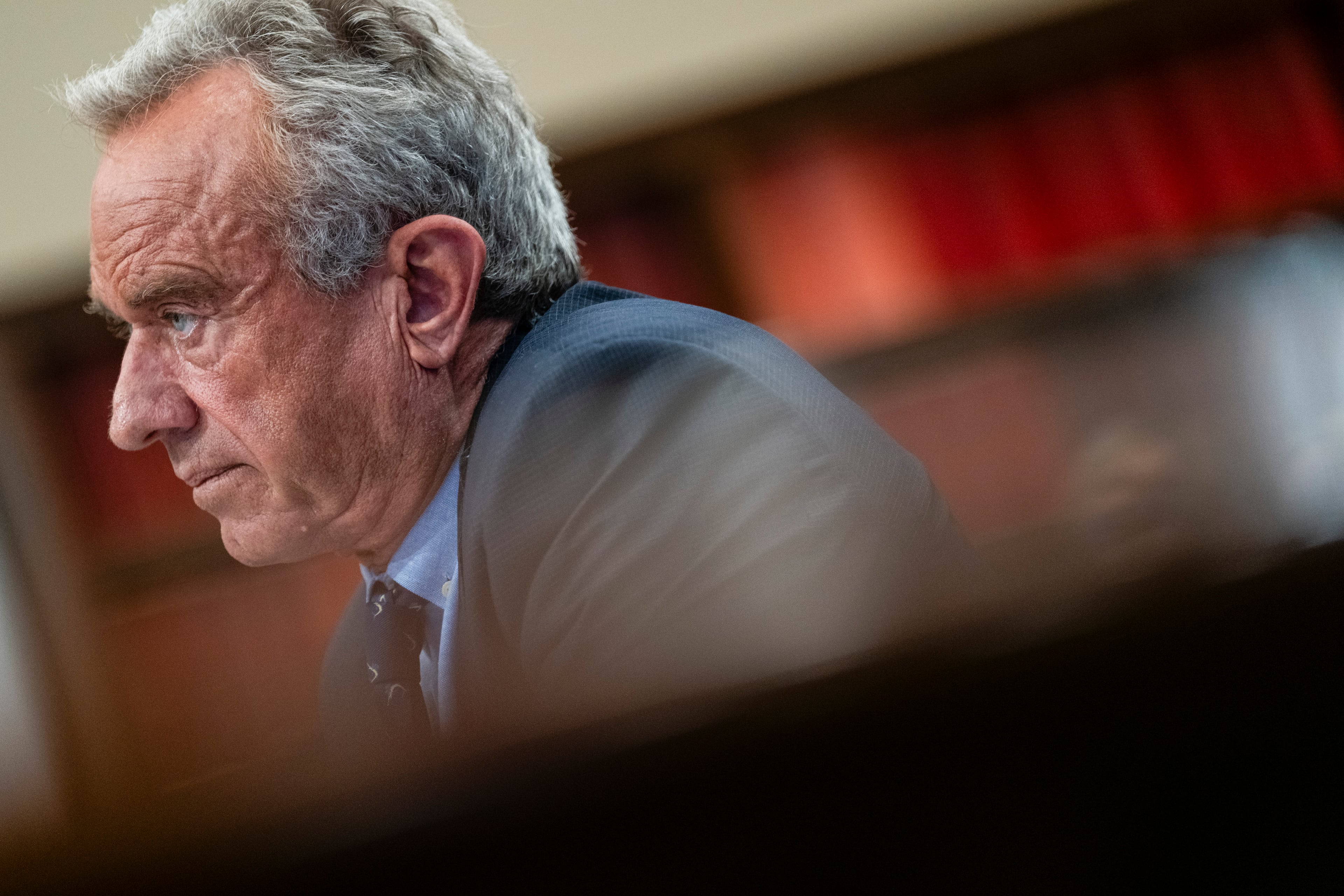
Robert F. Kennedy Jr., secretary of Health and Human Services, says he wants to end the federal government’s “war” on alternative medicine. In fact, RFK Jr. claims to have tried many of the treatments himself, including stem cells, peptides, hyperbaric oxygen and chelation, which he once said can help “restore” children with autism. This summer, under pressure from him, the FDA is expected to reverse its ban on 14 peptides that the agency had warned could be dangerous.
Kennedy’s role as the nation’s top health official represents the new power and prominence of a movement that rallies around the idea that Big Pharma and mainstream physicians in the American Medical Association profit by keeping patients sick.
Followers have built a behemoth industry of their own: Big Wellness. The movement pushes for the freedom to tap into the treatments that most traditional doctors don’t offer and don’t approve of.
The consistent message of the movement, widely spread on social media, is powerful: Be well. Be fit. Overcome the odds. Survive. Thrive.
The focus on wellness has inspired countless Americans to improve their diets and start exercising, which everyone involved in healthcare supports. But critics say some players associated with the movement also undermine health by lending an air of legitimacy to bogus treatments.
To study the industry in Georgia, the AJC examined the treatments being offered and the credentials and training of staff working at nearly 200 alternative medicine businesses it identified, some with multiple locations.
While flashy websites and slick social media testimonials suggest powerful results, the AJC found some claims are paper thin.
To gain patients’ trust, these practitioners often boast of their special expertise. The AJC found, though, that gaining certification for some of these “specialties” can be as easy as watching a few videos, attending a weekend seminar at a hotel or enrolling in an unaccredited college that bestows doctorates on those who attend online classes and pay a few thousand dollars.
Traditional doctors who achieve “board certification” spend years training and must pass rigorous exams in their specialty. The rigorous specialty and subspecialty certifications for everything from pediatrics and emergency medicine to dermatology and orthopedic surgery come from national organizations that set standards and are part of the American Board of Medical Specialties.
Exosome therapy

Exosomes are nanosized extracellular vesicles that are secreted by cells and act as messengers for cell-to-cell communications. They are usually derived from stem cells and injected or administered by IV. They are also used topically in skincare treatments.
Claims: Exosomes are touted to address cellular damage, musculoskeletal disorders, nerve injury, muscle tears, pain and inflammation and improve the body’s immune response. Some claim a potential to treat cancer.
Risks: Researchers believe they hold promise, but much about them is unknown, including risks. There have been reports of serious complications, including cancer relapse and severe inflammatory responses, after patients received exosome therapy without medical oversight. The Nebraska Department of Health issued warnings in 2019 after several patients there became seriously ill after treatment with unapproved cell-based therapies with exosomes. Some physicians have noted that IV infusions of exosomes may vary in quality and should be matched to the right patient.
Regulations: In 2019 and again in 2020, the FDA warned the public about so-called regenerative medicine products such as exosomes. The FDA considers exosomes to be biologic drugs that require full clinical trials and FDA approval before marketing. There presently are no FDA-approved exosomes for human use.
Red flag: Clinics saying that exosome treatments are FDA registered; that does not mean that they are FDA approved.
These certification boards are private professional groups that are unrelated to the state medical boards that license and discipline physicians.
Stegall, the Alpharetta physician who offers alternative cancer treatment, sells cancer information videos on a website that says he’s a “globally recognized oncologist with over 10 years of experience in practicing and researching integrative cancer therapies.”
That’s not exactly true.
Stegall was trained in internal medicine at the Medical University of South Carolina and the residency program at Yale. But he is not board-certified in oncology or anything else. And he holds no hospital privileges, according to medical board records.
Stegall acknowledged that his training as an “integrative” oncologist was not from a traditionally recognized program. But he does not believe that should be an issue. If conventional board certification is important to a patient, “I’m not your guy,” he said.
“That system is fine for people who want to work in a hospital system and go by that level of certification,” he said. “But I don’t think board certification would change my practice or what I do. And I don’t think my patients care about that.”
The AJC also found providers claiming credentials they don’t have or that might not be worth the paper they’re written on.
In Marietta, for example, the owner of a wellness clinic calls herself Dr. Katherine Igah-Phillips. Her website showed her pictured in a white lab coat holding a stethoscope, and it said she’s an M.D. While her LinkedIn profile says she went to Xavier University School of Medicine, in Aruba, she isn’t a licensed physician at all.
The website also said Igah-Phillips’ Mind Body Spirit Wellness Center is one of Atlanta’s “most renowned Integrative Medicine Practices,” offering treatments for general wellness along with IV therapies that can help with everything from cognitive decline and heart disease to high blood pressure and cancer.
In an interview with the AJC, Igah-Phillips acknowledged she isn’t a licensed physician and can’t treat patients as a doctor but thought it was OK to use the title of “Dr.” in her promotional materials. She said it was not her intention to “make people think that I’m something that I’m not.” She said she has a nurse practitioner who handles most of the patient visits at her clinic and that a medical director, who is a licensed doctor, oversees that care.
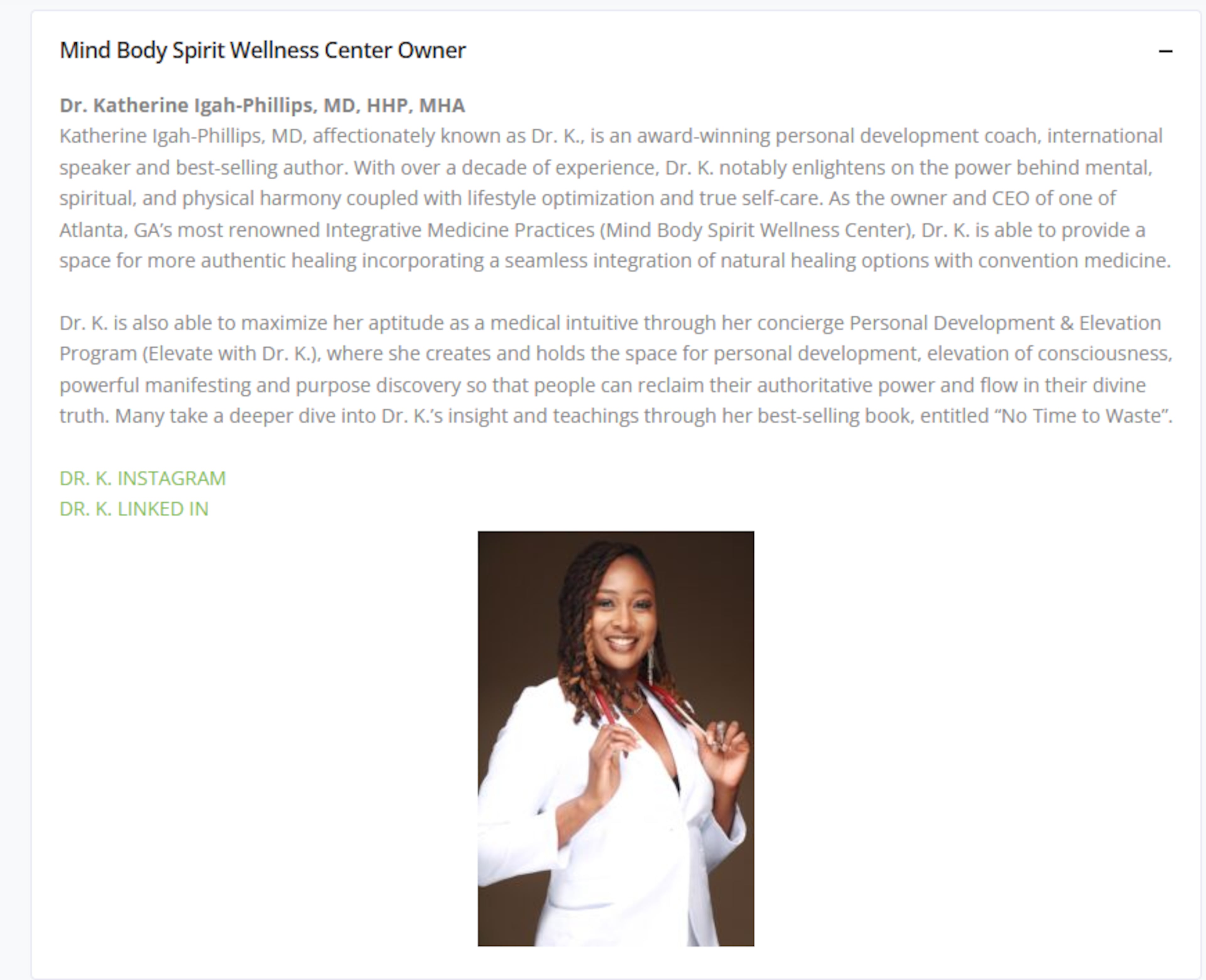
Igah-Phillips also said she holds a certification as a “holistic health practitioner” and provides health coaching to clients. She said she got her certification from an organization called Scholistico. The AJC found that the online organization offers the certification for $195 through 35 hours of audio and video lessons.
Igah-Phillips told the AJC during an interview that the questions raised by a reporter about her website and her presenting herself as a doctor made her realize she needed to make changes. The site soon appeared to have been taken down, the AJC found.
What’s not being said
What’s missing from most of the businesses’ websites and social media posts studied as part of the AJC’s investigation is information that might give patients pause.
In Alpharetta, a chiropractor at RegenHaus Medical, Daniel Taylor, promotes injectable exosomes even though the FDA warned consumers in 2019 that clinics offering such products are “taking advantage of patients and flouting federal statutes and FDA regulations.” The FDA has not approved exosomes for therapeutic use and has received multiple reports of serious adverse events related to the unapproved products — microscopic particles released by cells that supposedly can repair tissue.
“Still struggling with back pain after injections, PT or chiropractic care or even surgery?” Taylor said in a video posted on RegenHaus’ Facebook page last year, not long after the clinic opened. “Let me explain why exosomes might be the missing link.”
Under Georgia law, chiropractors are not allowed to give injections to patients.
In a brief interview with the AJC, Taylor said patients receiving exosomes at the facility are treated by “medical staff” and not by him. “We have a lot of satisfied patients,” he added. “The medical staff does a great job of taking care of patients.”
The RegenHaus website lists as a member of its staff a physician assistant who the site says has extensive experience with therapeutic muscle and joint injections.
Until recently, the staff was headed by Dr. Joel Durinka, described on the RegenHaus website as lead physician and medical director and “a highly trained physician with dual residency experience in family medicine and general surgery.”
Peptide therapy

Peptides are small chains of amino acids used by the body for some essential functions, such as regulating the immune system and managing hormones. In alternative medicine, they are created in labs or at compounding pharmacies and administered through injections, patches and nasal sprays. Sellers may also offer them in pills or creams.
Claims: The most popular peptides are semaglutides, used in FDA-approved medications such as Wegovy and Ozempic for weight loss and to reduce the risk of cardiovascular events. The success of those peptides helped fuel the promotion of other peptides as building muscle, boosting immunity, speeding healing, improving gut health and reversing aging.
Risks: Lab-created peptides used at alternative medicine facilities may be unregulated ones sourced from China and include chemicals that have never been extensively studied in humans. Reports have linked some unauthorized peptides to liver injury, renal failure, hepatitis, muscular paralysis and respiratory failure.
Regulations: It has been illegal to sell some of the most heavily promoted peptides for human consumption; they are supposed to be sold only for research. The FDA in 2023 listed 19 peptides as ingredients that should not be used by U.S. compounding pharmacies because of significant safety concerns. However, under pressure from Health and Human Services Secretary Robert F. Kennedy Jr., the FDA is expected this summer to change the status of some of the peptides so that consumers could obtain them from “ethical suppliers.”
Red flag: Being administered peptides without first having a physical examination.
What the website didn’t say: Durinka lives and practices in Buffalo, New York, and in June of last year was charged with Medicare fraud as part of a massive, New York-based federal case in which $5.6 million was allegedly derived from bogus telehealth sessions and another $29.6 million from unnecessary medical equipment.
Durinka was removed from the RegenHaus website just days after Taylor was interviewed by the AJC in late March. In the interview, Taylor had defended the Alpharetta clinic’s use of the New York physician, saying Durinka had a supervisory role that didn’t require him to be present. As for the criminal charges, Taylor said Durinka asserted that he’d been “lumped in” with an organization he worked for and hadn’t done anything wrong.
In a written statement provided later to the AJC, an attorney for the clinic said Durinka was removed from the website because RegenHaus “has recently updated its medical director arrangement and is in the process of onboarding a new medical director.”
Durinka has pleaded not guilty to the Medicare fraud charges. He did not respond to a request to be interviewed for this story.
The RegenHaus website also states that Taylor is board certified in neuropathy from the American College of Physical Medicine. What isn’t said: It’s a credential that can be obtained by watching nine one-hour training videos.
In Valdosta, a nurse practitioner, Melissa Milicevic, says she offers a “functional medicine” model at iThrive Health and Wellness. She says she treats everything from hormone balance and traumatic brain injury to cancer and mental health.
She is able to do that, she told the AJC, because of the expertise she gained through functional medicine and antiaging training organizations. “My goal has always been to fill gaps in the current system with passionate, evidence-informed care that puts patients first,” she wrote in a text message.
To practice independently as an advanced practice nurse, Milicevic must have a supervising physician. But the doctor listed for her had his license suspended in 2024 by the Georgia medical board after a required evaluation found he was unsafe to practice due to psychiatric impairment and risk of sexual misconduct. Milicevic’s prior supervising doctor was sentenced to prison in 2019 after being found guilty in a healthcare fraud case.
The medical board said its records for Milicevic don’t show an active protocol agreement with a physician. In an interview with the AJC, Milicevic said she has one, but she refused to provide a reporter with a copy.
Lives at risk
Another concern: what’s not revealed by some practitioners about the treatments they offer. These businesses often give prominent website space to patient testimonials, touting successful treatments. Cautionary information is nowhere to be found.
In Atlanta, Dr. Frank Matalone’s website greets patients with an enticing message: “HOLISTIC. INTEGRATIVE. FUNCTIONAL. TRUSTWORTHY. This is how MEDICINE should be!” But Matalone’s “new paradigm of medicine” primarily promotes controversial, widely discredited treatments, including hydrogen peroxide therapy.
The website says hydrogen peroxide therapy — in which patients receive an injection or an infusion of the chemical — can treat any condition that calls for antibiotics and can be an “adjunct to cancer treatment.” However, the FDA has warned that high concentrations of hydrogen peroxide are dangerous, even potentially fatal, and physicians in at least four states have been disciplined by medical boards for administering it.
The AJC requested an interview with Matalone, but he did not respond.
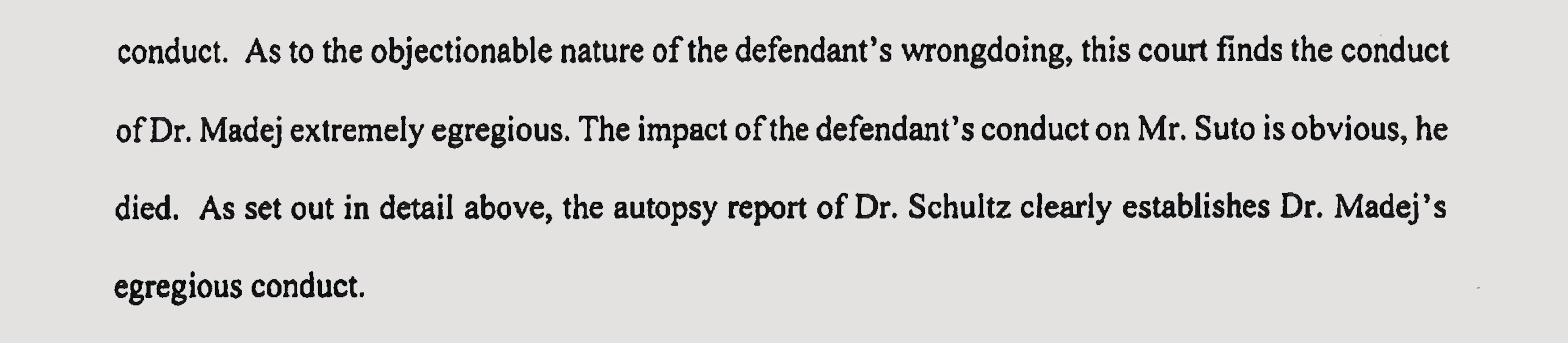
A prominent anti-vaccine physician from Georgia, Carrie Madej, voluntarily surrendered her Georgia medical license in 2023. This came shortly before she was accused of negligence in a lawsuit for using hydrogen peroxide in 2021 to treat a Tennessee man with COVID-like symptoms. He later died.
In 2025, a judge ordered Madej to pay the estate and family members of the man more than $1.3 million. In his ruling, the judge described the matter as a “most bizarre and shocking course of ‘medical’ treatment.”
Madej refused to participate in the case. She did not respond to the AJC’s request for comment.
Joe Schwarcz, director of the Office for Science and Society at McGill University in Montreal, strongly criticized Madej’s extreme anti-vax comments in a column that ran shortly before the Tennessee man’s death. Among Madej’s comments, she once posted ingredients for a bath she claimed would “detox” the vaccine for those who regretted getting the COVID shot.
Schwarcz, who holds a doctorate in chemistry and has spent decades monitoring pseudoscience and the alternative medicine industry, said the promotion of disproven treatments by physicians can put patients’ health and lives at risk.
“The worst situations are the doctors who have sort of gone off track and are recommending procedures that are either ineffective or possibly dangerous,” Schwarcz told the AJC.
Especially dangerous for patients with serious conditions, he said, is forgoing proven, effective treatments in favor of alternative treatments that might allow a potentially deadly disease to progress.
“People go for what looks like a simple solution to a complex problem,” he said. “Nobody likes to think of chemotherapy or radiation or surgery. It’s much more attractive that you can drink sour cherry juice, or whatever happens to be in vogue, to cure everything. But it just doesn’t work like that. The human body is extremely complex.”
Schwarcz said some practitioners pushing care that’s unproven or disproven know the treatments aren’t effective and are focused on profits. Others, he said, become true believers after patients report positive results, and they like the idea of being medical heroes who believe they have discovered something others have failed to see.
What’s missing in their advocacy for treatments, Schwarcz said, is backing by scientific studies that filter out placebo effects.
Patients just don’t have the resources to make critical healthcare decisions on their own, said Arthur Caplan, founding head of the Division of Medical Ethics at NYU Grossman School of Medicine.
“In the health sphere, you need advice from science-based people, and you need them to somewhat regulate what people are offering you,” Caplan said.
Kennedy himself acknowledges that the new freedom he promotes for alternative medicine practitioners comes with some risks.
“Of course, you’re going to get a lot of charlatans, and you’re going to get people who have bad results,” he said on a podcast with popular health influencer Gary Brecka. “But ultimately, you can’t prevent that either way, and leaving the whole thing in the hands of Pharma is not working for us.”
`The beauty of Georgia’
Adams’ presence in Georgia speaks to the state’s open-door policy.
He lives in Lookout Mountain, Tennessee, but practices in Ringgold, a town of 3,400 across the state line in Catoosa County. There, just off the first Georgia exit on I-75 south, he offers a variety of alternative therapies, many of which have no proven efficacy.
One of those therapies is chelation. The procedure is approved by the FDA strictly for treating acute cases of lead poisoning and other forms of heavy metal poisoning, but it’s used by Adams and others in Georgia as a general cure-all and antiaging elixir. When the Tennessee medical board was considering limiting physicians to the FDA standard — a directive ultimately approved in 2005 — Adams moved south.
“Georgia is a freedom of treatment state and Tennessee isn’t,” Adams said, summing up the reason for his move in an interview with the AJC.
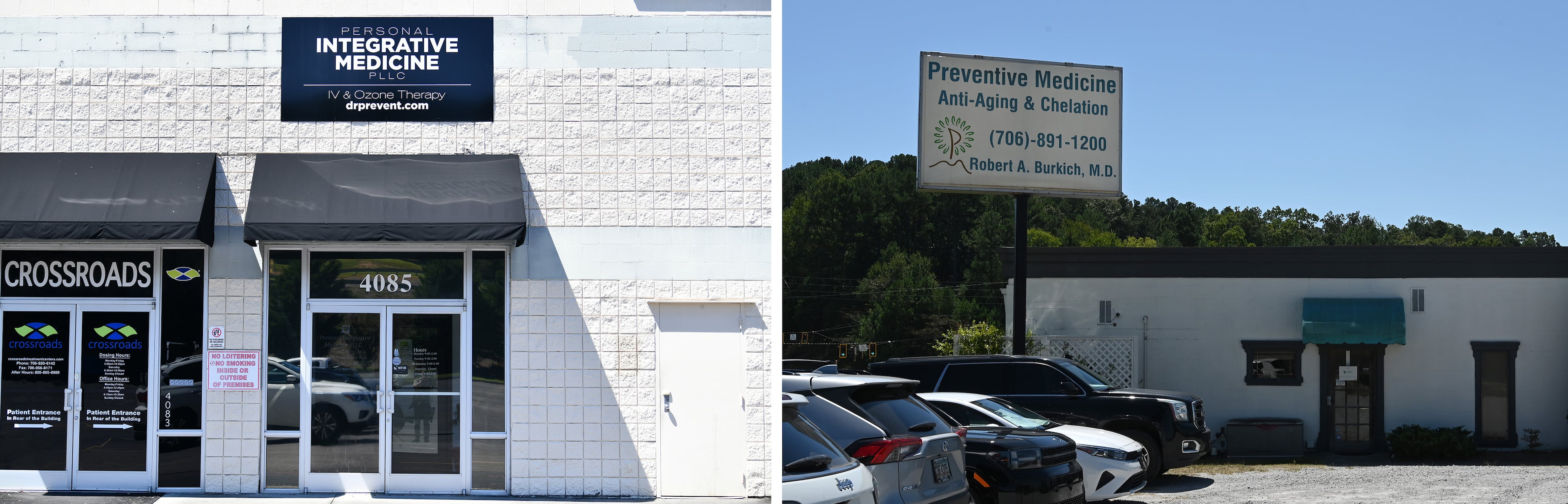
Another physician from Tennessee, Dr. Robert Burkich, also moved his practice to Ringgold, opening an office about a mile from Adams’ so he, too, could continue providing chelation for purposes other than lead poisoning.
The hands-off attitude of the Georgia medical board is “the beauty of Georgia,” Burkich told the AJC.
But as more doctors and other practitioners push the limits of alternative medicine, and as the federal government under RFK Jr.’s leadership moves to a more hands-off approach, experts say that medical boards are an important last line of defense for patients.
Indeed, the AJC found dozens of examples across the country where state boards have acted on issues that the Georgia board has largely ignored.
Besides Tennessee, at least 14 other states, including Alabama and Mississippi, have issued warnings about chelation or instituted rules restricting it. That Georgia hasn’t taken a similar step is particularly noticeable because a patient died while undergoing the procedure at a Dunwoody clinic in 2002.
The Alabama medical board has also conducted its own investigation of the growing number of “wellness” clinics and spas offering IV treatments and found that the businesses routinely broke the law by not having a physician involved. The board issued an alert requiring the industry to change, making it clear that the practice of having registered nurses diagnose and treat patients was not allowed.
Washington has sanctioned a doctor for failing to properly supervise the staff at an alternative medicine business with clinics across the country. Ohio and Michigan followed suit. That doctor was also licensed in Georgia, but the state took no action against his license.
Kentucky says it is a violation for physicians to represent that they can treat or cure diseases when they should know the treatment has little therapeutic value. Vermont has strict rules around advertisements of stem cells or stem-cell-related products. Missouri says it is a violation for a doctor to provide services that the board has declared to be of no medical value.
In Colorado, doctors who practice alternative medicine must inform each patient in writing of the doctor’s education, experience and credentials. Ohio is among several states that require physicians to obtain patients’ informed consent before using any alternative medicine therapy. Texas has moved to shut down alternative medicine businesses operated by individuals who are unlicensed and cannot legally diagnose or treat patients.
Georgia’s medical board these days is doing some hand-wringing over alternative medicine. It reports having identified thousands of med spas and IV clinics, as well as hundreds of medical marijuana, ketamine and pain clinics, that it believes need more scrutiny.
The board asked lawmakers to approve a bill to allow it to rein in psychedelic-assisted treatments and therapy before the industry gets out of control, and the bill has been signed into law by Gov. Brian Kemp.
But a request by the Georgia board for a large increase in its funding so it could step up investigations and oversight got no traction.
Caplan, the medical ethicist, said patients are at risk if they don’t have regulators to protect them and are on their own to assess a treatment that’s promoted as a miracle cure but has no scientific evidence to back it up.
“It’s not the same as deciding what beer you want to drink or what pantyhose you want to wear,” Caplan said. “Probably you can decide those things on your own. Deciding whether this guy’s cancer treatment makes sense for you or your mother, I don’t think you can decide on your own.”
About this investigation
Who’s watching out for patients in Georgia?
That was a driving question as reporters Carrie Teegardin and Danny Robbins set out to examine how the state was responding to practitioners touting unproven and disproven health treatments.
An initial step was to assess the extent of alternative medicine and “wellness” clinics across Georgia and learn who practices at them, what treatments they offer and what claims they make. Using web searches and public records, data analyst Phoebe Quinton compiled information on hundreds of such businesses.
The reporting team, led by editor Lois Norder, then researched the qualifications of the nearly 300 practitioners identified at the clinics, storefronts and mobile services. Was the provider really board certified? A bestselling author? A world-renowned cancer expert? Was the person pictured in the white coat and called “doctor” really a licensed physician?
That laid the groundwork for the next step: learning more about Georgia’s oversight of those businesses.
For that, the AJC relied on databases it created for all orders issued by the Georgia Composite Medical Board since 2018, malpractice verdicts and federal actions against doctors. The team also reviewed minutes of medical board meetings, medical licensing laws and board financial information.
That work raised the question of whether other states do more to protect patients and how they regulate alternative medicine. So the team studied medical practice laws in other states, actions by their medical boards involving alternative medicine and board orders for substandard care.
To gain a national assessment of medical board oversight, Quinton used the public file of the National Practitioner Data Bank to see how often the Georgia medical board imposed serious discipline compared with other states and how often the board imposed discipline of any kind on physicians with malpractice payouts.
Some of the most painstaking work involved the individual alternative medicine businesses highlighted in the series. The reporters relied not only on court and business records but also interviews with patients they identified, clinic owners and operators and public officials.