Judge tosses prom party assault case, blames ‘grossly negligent’ prosecution
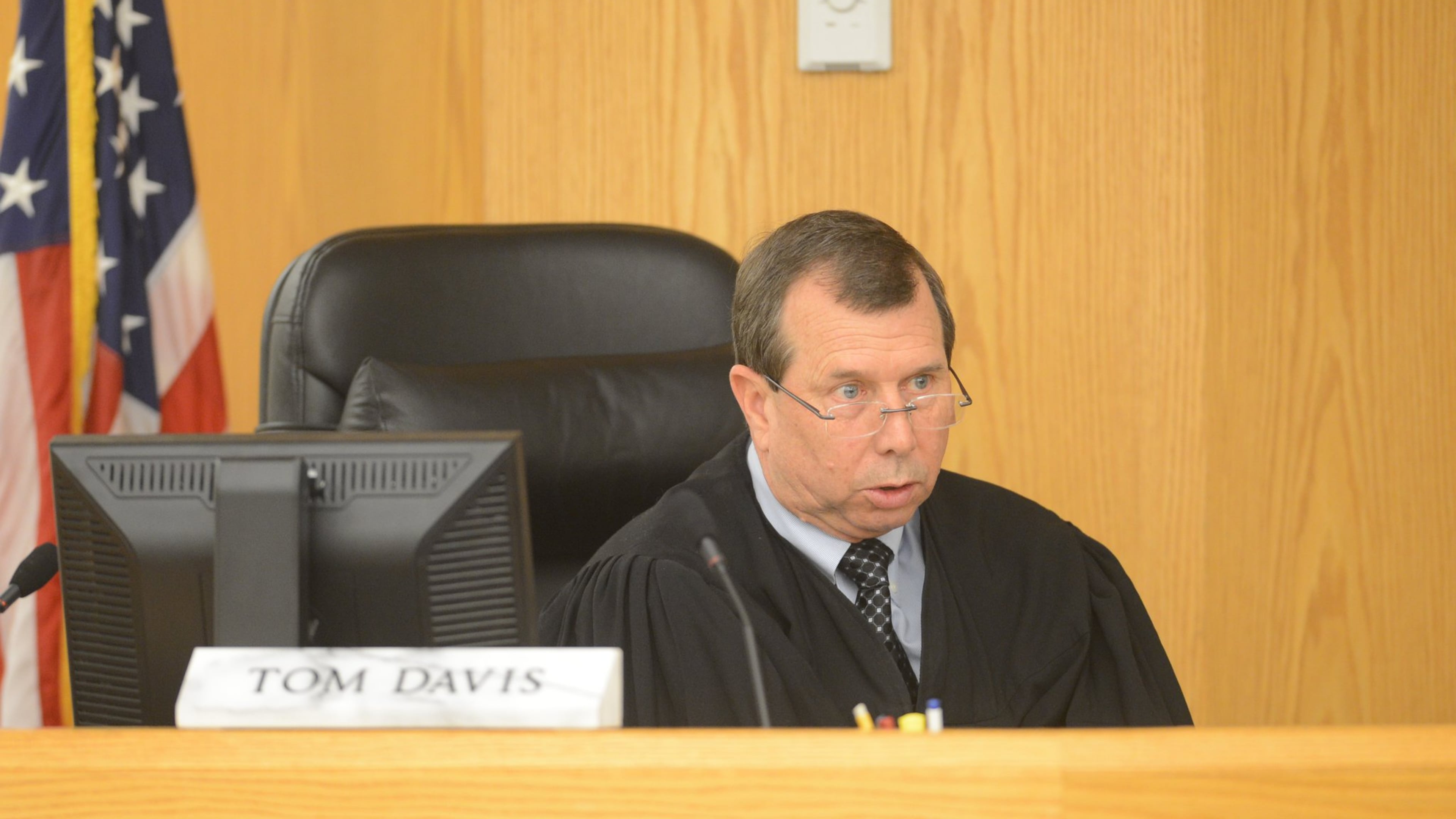

The 12-year prosecution of three former Calhoun High School seniors accused of sexually assaulting a teenager at a prom party in 2014 has been “grossly negligent,” a Gilmer County judge said in dismissing the case before trial.
Defendants Andrew Haynes, Fields Chapman and Avery Johnson have spent about a third of their lives awaiting trial on charges including aggravated sexual battery, Senior Judge Tom Davis said Monday in an order throwing out their indictment.
Davis noted that the alleged victim, 18 at the time of the prom party at a Gilmer County cabin, is effectively “denied her chance to be heard” by the ruling, issued on the 12th anniversary of the alleged assault.
The judge largely blamed county prosecutors for the “uncommonly long” delay in the case, saying they were “grossly negligent” in failing for over a decade to disclose all evidence, hampering the defendants’ ability to prepare for trial.
“It is most regrettable that the alleged victim’s right to a resolution was not better protected in this case,” Davis wrote in his order. “By legal necessity, the court’s inquiry has had to focus on the defendants and the effects of the process on their right to a speedy trial.”
Attempts to contact the alleged victim were not successful.
Appalachian Judicial Circuit District Attorney Frank Wood, whose jurisdiction covers Fannin, Gilmer and Pickens counties, and prosecutor Morris Martin did not respond to an inquiry about the case.
Martin argued in court that the case should be kept alive, attributing the delay in part to the defendants’ actions as well as the involvement of numerous lawyers and judges, limited judicial resources, overcrowded dockets and the coronavirus pandemic. He said none of the defendants asserted their right to a speedy trial until January 2025 and there is a “lack of any showing that the delay was purposeful, oppressive or prejudicial.”
Johnson’s attorney, Jesse Vaughn, said the atypical case has involved many twists and turns and that the judge “did what he was required to do under the law.”
“He does feel a sense of relief but not joy,” Vaughn said Wednesday of Johnson. “This process has been grueling and has put his life on hold for quite a while.”
Haynes’ lawyer, Noah Pines, said the judge properly analyzed the relevant law and “correctly concluded that the 12-year delay in this case violated my client’s constitutional right to a speedy trial.”
Chapman’s attorney did not respond to an inquiry about the case.
The defendants have been on bond since their arrest in May 2014. They said in court filings that they lost college scholarships and other career opportunities because of the charges against them, to which they pleaded not guilty.
Chapman said he had a 4.0 grade-point average in high school, where he played football and tennis, but that the University of Georgia rescinded his admission after his arrest, which prompted years of death threats. He said he got an online business degree from the University of West Georgia.
Johnson said he’d accepted a scholarship to play baseball at Georgia Highlands College before his arrest and that the case ultimately ended his time there, after complaints by the parents of other players. He said he has worked “blue-collar jobs” because he couldn’t get a four-year college degree while accused of sexual assault.
Haynes said his academic scholarship to Mercer University was rescinded because of his arrest, after which he got a two-year degree from Georgia Northwestern Technical College. He said Kennesaw State University wouldn’t admit him as a student while the case was pending and he found work as an electrical apprentice.
In a 2014 court hearing, a friend of the defendants testified that he witnessed the incident, saying the sex was consensual.
In his order, Davis said the case isn’t so complex that it would take more than a decade to prosecute. He noted the case has seen at least two deaths — one judge and one attorney — and that it had been moved among several judges and delayed after the first district attorney on the case became a judge.
“To put it frankly, there were several years when no action was scheduled and nothing was accomplished, least of all a trial,” he said.
Davis said some of the delay is tied to the defendants’ unsuccessful attempt in 2015 to end the case, which included a short appeal before COVID-19 temporarily shuttered courts in 2020. But he said longer periods of delay were the fault of prosecutors, who were still disclosing evidence to the defendants in 2025.
“The court believes that discovery is the lifeblood of our criminal justice system, and weighs heavily the state’s inattention (if not cavalier disregard) to its statutory discovery duties,” the judge said. “All three defendants testified to the long-term stress, anxiety and concern they have felt while waiting for resolution of the charges.”