Busy metro Atlanta ERs leave ambulance patients waiting outside, data shows
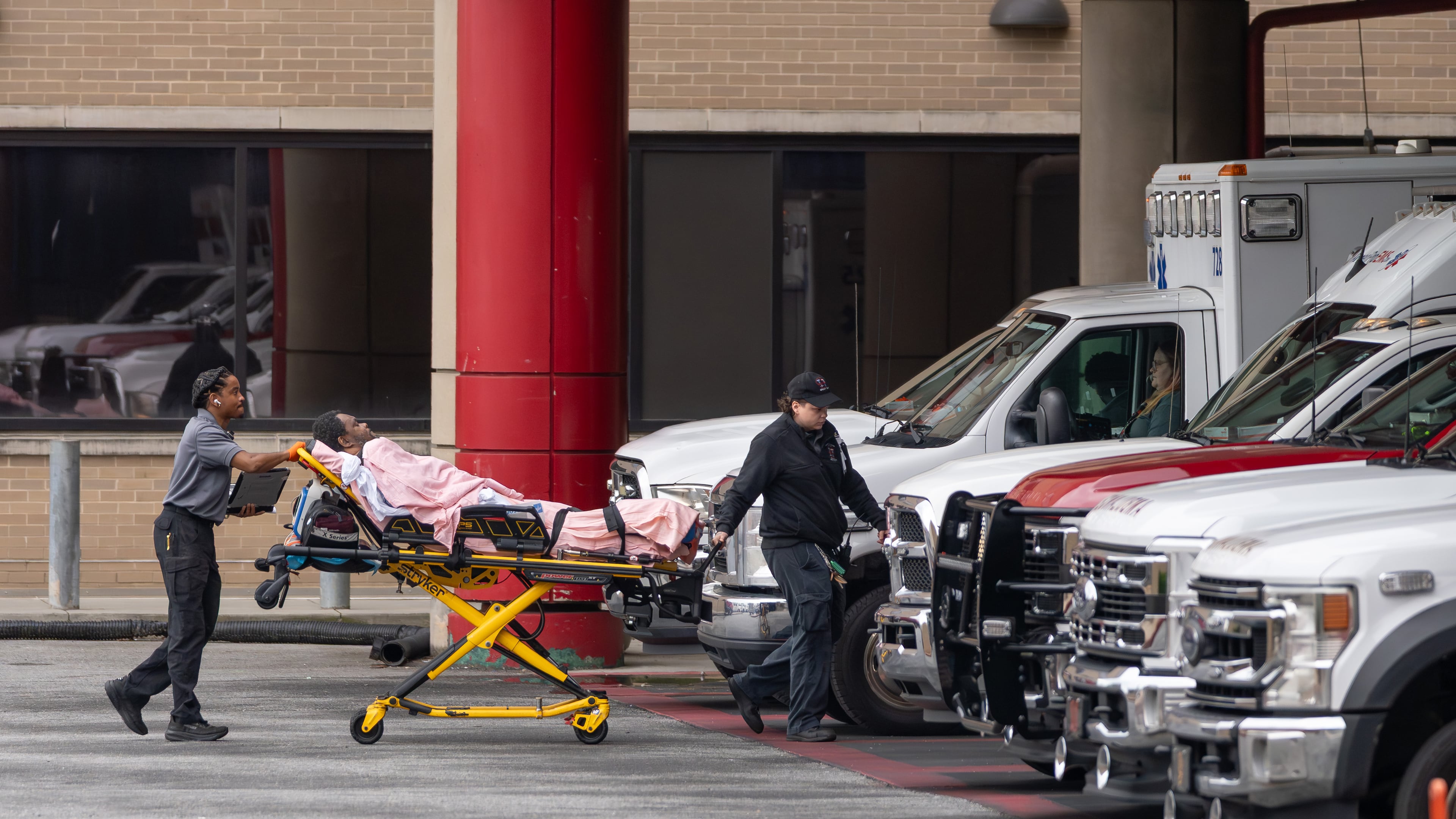
Some Georgia ambulances are reaching hospitals with a patient on board and then shifting into park.
And waiting.
State data shows medical crews that pull up to the busiest hospitals in metro Atlanta sometimes end up waiting for more than an hour to transfer care of a patient to emergency department staff.
The wall time — also called the ambulance patient offload time — is the duration between the moment an ambulance arrives at a hospital and when that patient is released to emergency room care.
In 2025, the Georgia Department of Public Health created a task force to study wait times statewide and help improve communication between hospitals and emergency medical services.
The state’s goal is to keep that duration to 20 minutes or less in at least 90% of cases. But many hospitals across metro Atlanta aren’t coming close to that benchmark, according to DPH data compiled from January through March of this year.
On average, the state goal is met only 44% of the time at hospitals in DeKalb, Fulton, Cobb, Clayton and Gwinnett counties, the data shows.
Grady Memorial Hospital met the patient offload goal only 23% of the time; Emory Decatur Hospital met it 22% of the time; and Emory Hillandale met it just 19% of the time, which was worst in the state, according to the data.
And at each of those hospitals, 10% of reported offload times were more than an hour.
Michael B. Johnson, director of the DPH Office of EMS and Trauma, said in a letter to hospital and EMS leaders across Georgia that workforce issues are affecting hospital patients at all points in the continuum of care.
“Hospitals and EMS agencies continue to experience workforce shortages and resource limitations, affecting hospital bed availability,” Johnson’s letter says.
That includes emergency rooms.
Emory Decatur and Emory Hillandale are both classified as “dangerously overcrowded” on the National Emergency Department Overcrowding Scale.
In an emailed statement, Emory Healthcare said it is aware of the challenges emergency departments nationwide have in addressing wall times. The issue relates to high patient volumes, and Emory has implemented a new patient assessment process across its entire hospital system, according to the statement.
“An initiative involving a receiving team, developed by (emergency department) staff at Emory Decatur Hospital and Emory Hillandale Hospital, is helping to decrease wall times across the system,” the statement said. “Additionally, Emory Healthcare’s Capacity Command Center analyzes data in real-time to help load-balance patients across the system.”
Grady Memorial Hospital, the only level 1 trauma center within 20 miles of Atlanta, is also classified as “dangerously overcrowded.” In 2020, it reported receiving more than 150,000 emergency room patients a year and had just over 950 beds.
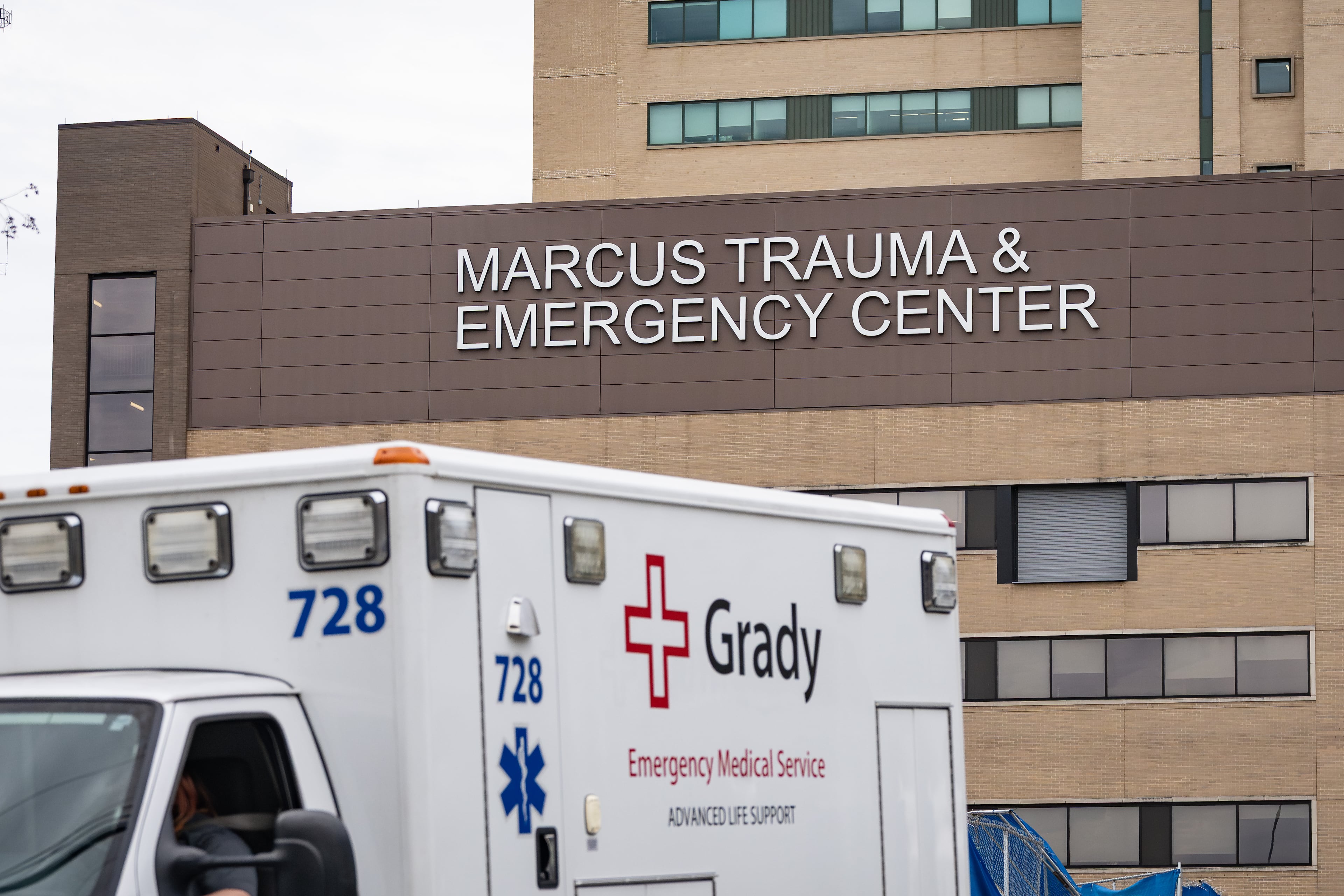
Of the hospitals in the metro Atlanta region, Grady reported the highest volume of EMS cases by far, with more than 13,000 patients between January and March. The next highest patient volume was about 9,400 at Wellstar Kennestone Regional Medical Center, the nearest level 1 trauma center apart from Grady.
Grady officials did not respond to multiple requests to comment for this story.
In DeKalb County, half of all patients taken by ambulance to a hospital end up at either Grady, Emory Decatur or Emory Hillandale, according to a report by a consulting firm the county hired to help improve its ambulance service.
DeKalb interim Fire Chief Melvin Carter said patient offload times at hospitals continue to be a problem countywide.
Carter said the county’s ambulance response times have improved since 2022. The time between an emergency being called in and an ambulance arriving at the scene has shortened by about 1 minute, 50 seconds in the most serious cases and roughly 2 minutes, 40 seconds in other severe cases.
But ambulances still face challenges when trying to drop those patients off.
“These delays are largely driven by hospital capacity, patient acuity and overall health care system demand,” Carter said.
The problem has become worse as the number of emergencies outpaces emergency department capacity. A study in the Journal of Hospital Management and Health Policy said over 136 million patients visit emergency departments in the U.S. each year, and about 20 million arrive by ambulance.
A case study by the Patient Safety Network said in the last two decades, the number of emergency room visits has increased, but the number of beds available has dwindled.
“The burden of (emergency department) crowding necessarily spills over to EMS providers as longer wall times leave them feeling that they are ‘held hostage’ at hospitals waiting for the transition of their patients’ care to the ED,” the case study said.