Pushback against talking about Charlie Kirk troubles teachers a year after his death
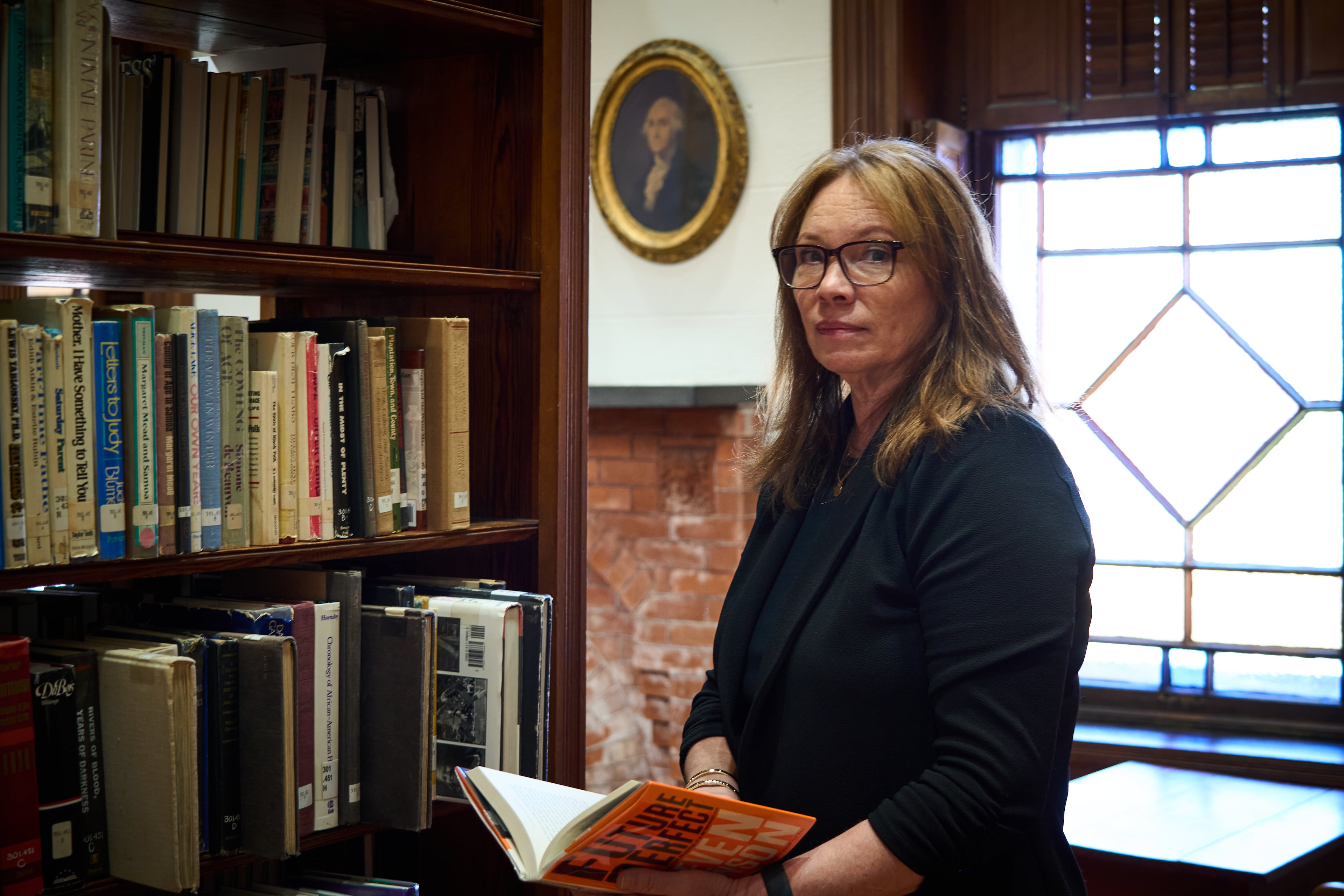
Michelle Mickens doesn’t really want to talk about herself.
It’s been a year since conservative activist Charlie Kirk was shot and killed in Utah, and the veteran teacher posted on social media about it. She was pressured to resign, she said, then she filed a lawsuit accusing her employer, the Oglethorpe County School District, of violating her right to free speech. She won close to $300,000 in a settlement.
But to Mickens, that wasn’t about her.
“Just to talk about me is kind of awkward because I think on a national level we’re seeing an attack on public education, and unfortunately I was a victim of that,” she said.
It’s not just her: Kirk’s killing triggered a rash of firings, lawsuits and eventually settlements about social media posts from educators across the country. A Reuters analysis two months after Kirk’s death found at least 600 Americans were fired, suspended, placed under investigation or disciplined by employers for comments about his assassination — including 350 people working in education.
Members of President Donald Trump’s administration, including Vice President JD Vance, said people who spoke ill of Kirk after his death should be called out.
“Call them out, and hell, call their employer,” Vance said on an episode of “The Charlie Kirk Show” that aired shortly after Kirk’s death. “We don’t believe in political violence, but we do believe in civility.”
Two Cobb County teachers lost their jobs and others were placed on administrative leave after making social media posts that “celebrated and condoned” Kirk’s murder, the district said at the time. One of the teachers suggested in a social media post that Kirk’s killing was “the unfortunate result of protecting that oh so precious second amendment,” in reference to statements Kirk made, according to records obtained by The Atlanta Journal-Constitution.
Emory University terminated associate professor Anna Kenney after she posted “Good riddance” about Kirk on a friend’s Facebook page. Kenney later sued the university for breach of contract.
And Mickens posted a quote from Kirk in which he said some annual gun deaths were the cost of having the right to bear arms without commentary of her own, then said in a comment on the post that Kirk was “a fascist full of hate.”
“I don’t condone violence of any kind, and I certainly don’t condone this, but he was a horrible person, a fascist full of hate for anyone who was different,” the comment read in part. “While I’m sad that we live in a country where gun violence is an epidemic, the world is a bit safer without him. I didn’t respect him at all, and he’s part of the hatred and vitriolic language we hear so much now. I pray that without him, people can be kinder and more tolerant to one another.”
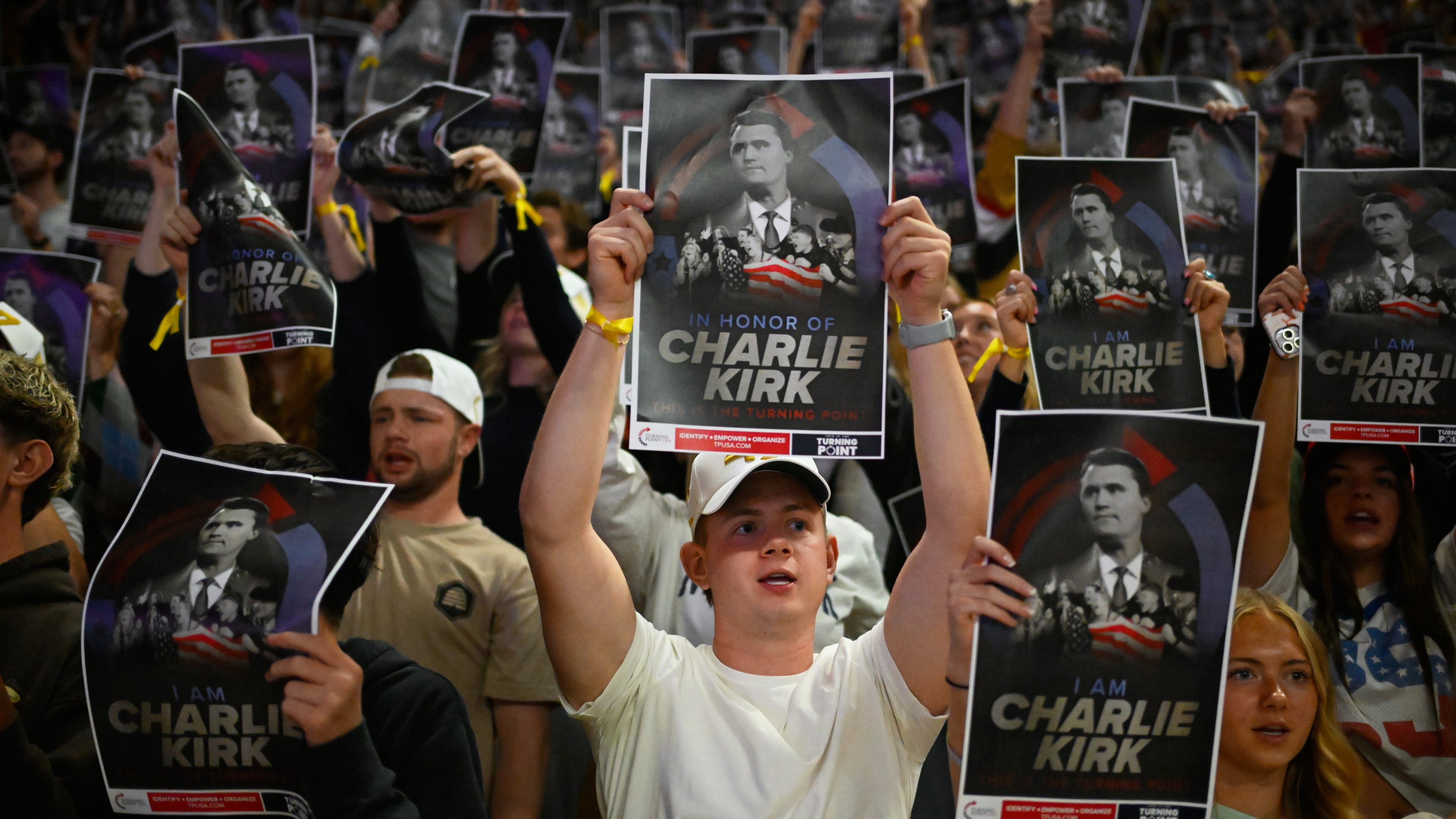
Charlie Kirk was a polarizing figure: He co-founded Turning Point USA, a nonprofit dedicated to engaging young conservatives, and rose to popularity for engaging in political debates and posting the videos online. Conservatives saw him as a figure who welcomed debate from all sides of the political spectrum — one who “made being conservative and young cool again,” as a state lawmaker put it. Critics pointed out that he had a history of making racist, sexist, antitransgender and antisemitic comments.
The Foundation for Individual Rights and Expression said Kirk’s death had a “profound impact” on college campuses nationwide, prompting students to feel less comfortable expressing their own political views and public officials to increase pressure to sanction faculty speech. The organization released its annual campus speech rankings Wednesday.

But the backlash against educators was just another flashpoint in an ongoing debate about democracy and individual rights. Debates over critical race theory, divisive concepts and book banning all found a stage in the classroom in recent years.
Despite the national conversation, teachers don’t give up their First Amendment rights when they sign their contracts. But it can be difficult to balance their roles as teachers with their personal identities, said Georgia Association of Educators President Wayne Huston.
“Being a teacher in the time of social media, in this political climate, is kind of like walking a tight rope,” he said.
Many educators across the country who were accused of violating their employer’s policies are getting big payouts, like Mickens did. Michael Tafelski, a top official at the Southern Poverty Law Center and one of Mickens’ attorneys, said it’s still hard for teachers to file litigation to defend their rights. It takes a lot of resources and opens you up to public scrutiny, he said.
“We scare educators to fall in line and not be able to have an opinion, both in the classroom or out of the classroom,” he said. But then you have teachers leaving the profession or families pulling their kids out of public schools, he said. “It takes a big toll, and that’s by design.”
Mickens settled her lawsuit in July and agreed not to teach anymore in Oglethorpe County. The school district denied all of Mickens’ allegations, the settlement stated. She’s spending time with her father in Illinois. She encourages other teachers to know their rights and join a teaching organization that can help them if they need it.
“I think we are in a stage now where we’re gonna really have to get ready to fight for public education more than ever before,” she said. “I’m proud to be a part of that movement toward protecting educators and students and public education in general.”