Atlanta students aren’t just learning about climate change. We’re fixing it.
In my freshman year of high school, I was very interested in climate change and environmental conservation. Still, I didn’t believe that I would be able to make a significant impact or change, especially considering I was just a high school student.
In our classes, we learned that something needed to be done to fix the wide array of climate, community and environmental issues our generation faced, but at that point, there was almost a mindset among the students that these were issues for professionals or scientists to solve, not us.
It wasn’t until the Green Heart STEM Challenge that my mindset changed. As part of the Fernbank Science Tools and Techniques program, I was introduced to the challenge and worked through a constructive process to develop a real solution that could be used to solve an issue in my community.
The Green Heart STEM Challenge is a metro-wide competition between student groups for a $1,000 implementation grant to help three winning groups bring their solutions to fruition. The challenge is hosted by the Captain Planet Foundation and has four rotating themes centered on the Captain Planet Elements: Earth, wind, water and fire. The challenge’s goal is to help youth develop their own solutions to environmental issues in their communities, while also becoming involved in and informed about issues concerning climate change and the environment.
The competition gave students a better understanding of the issues that were not only present globally, but especially prevalent in our communities. We were introduced to local professionals in environmental and sustainable fields, who helped us refine and develop our ideas further.
After each team researched and received professional guidance, they chose an issue to tackle. My team decided our project would focus on erosion in creeks near our high school and in our community. Over 70% of habitats along the creeks in our community were assessed as marginal and submarginal by the Georgia Environmental Protection Division. We were interested in ways we could help fix it. We learned about some potential solutions — such as rain gardens, live stakes and even riprap.
Once we submitted our pitch, my team was invited to the finale event, where we were judged alongside other groups to decide the winner. My team came in second, earning us a spot in the finalist group. After reaching and qualifying for the finale stage, each finalist groups was invited to the Green Heart STEM Challenge Idea Incubator to continue developing our project.
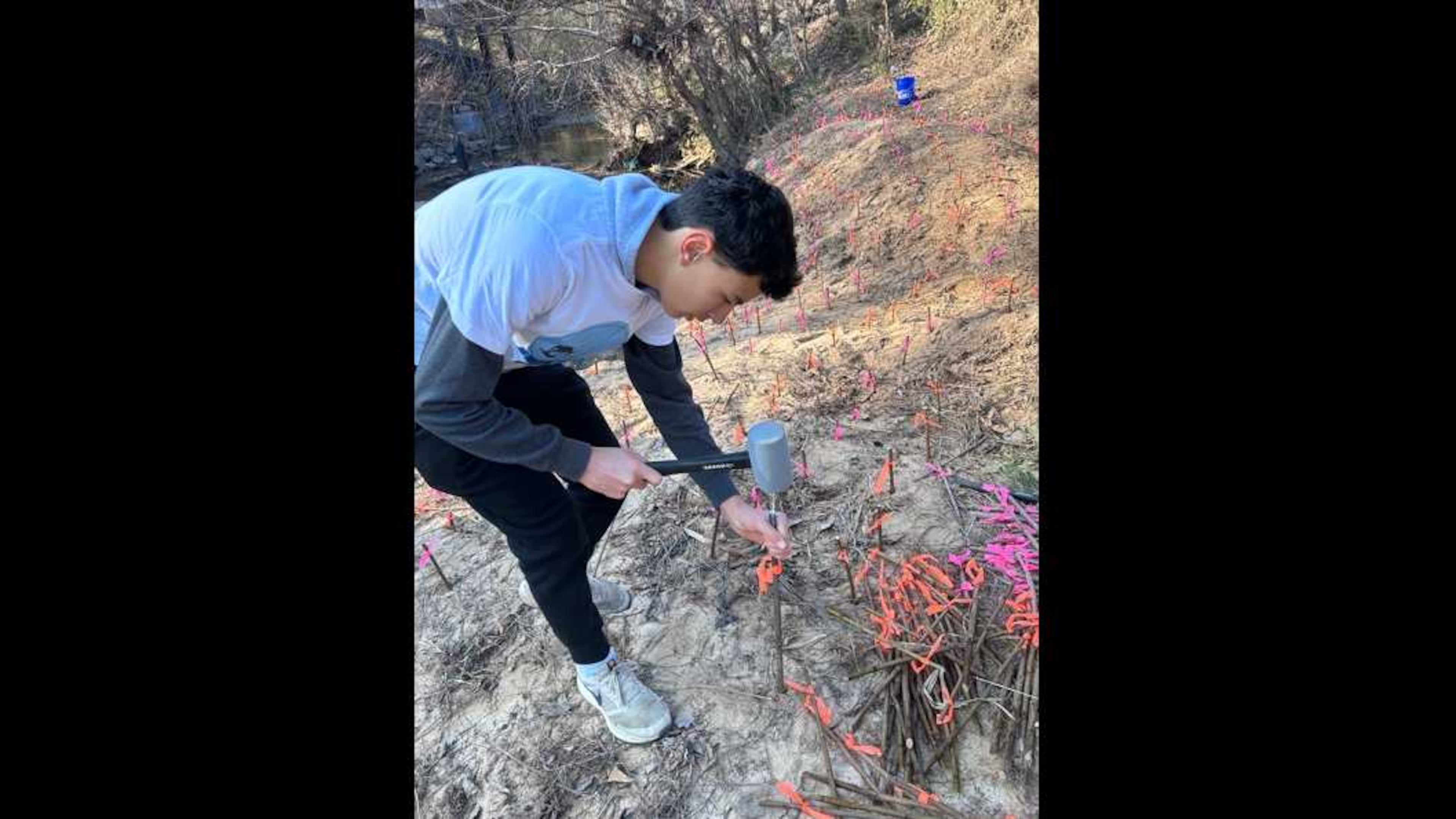
From that point on, I was able to carry out our plan with greater support from the Atlanta Youth Climate Action Fund, along with guidance from the Captain Planet Foundation. With the help of a group of dedicated youth volunteers from Chamblee High School, we were able to plant nearly 1,000 live stakes in erosion-afflicted areas. These live stakes then grew into plants that helped hold the soil together and restore the damaged environments.
My mindset has changed. I’ve gone from not believing I could accomplish any meaningful change to leading a team of youth to completely restore and protect creek environments in our community. What made the difference wasn’t just the program itself, it was the adults in it who genuinely believed our ideas were worth pursuing. I stopped thinking of myself as just a student with an idea and started seeing myself as someone who could actually lead a project that mattered.
Many students don’t realize the opportunities available to help them resolve issues in their own communities, and even fewer believe that adults will take them seriously when they try. But that support exists, and once you find it, your confidence grows alongside your project. With the right guidance and dedication, any young person can step into the role of environmental leader. It comes down to our generation to solve the climate and environmental challenges of the future, and we are more ready than most people think.
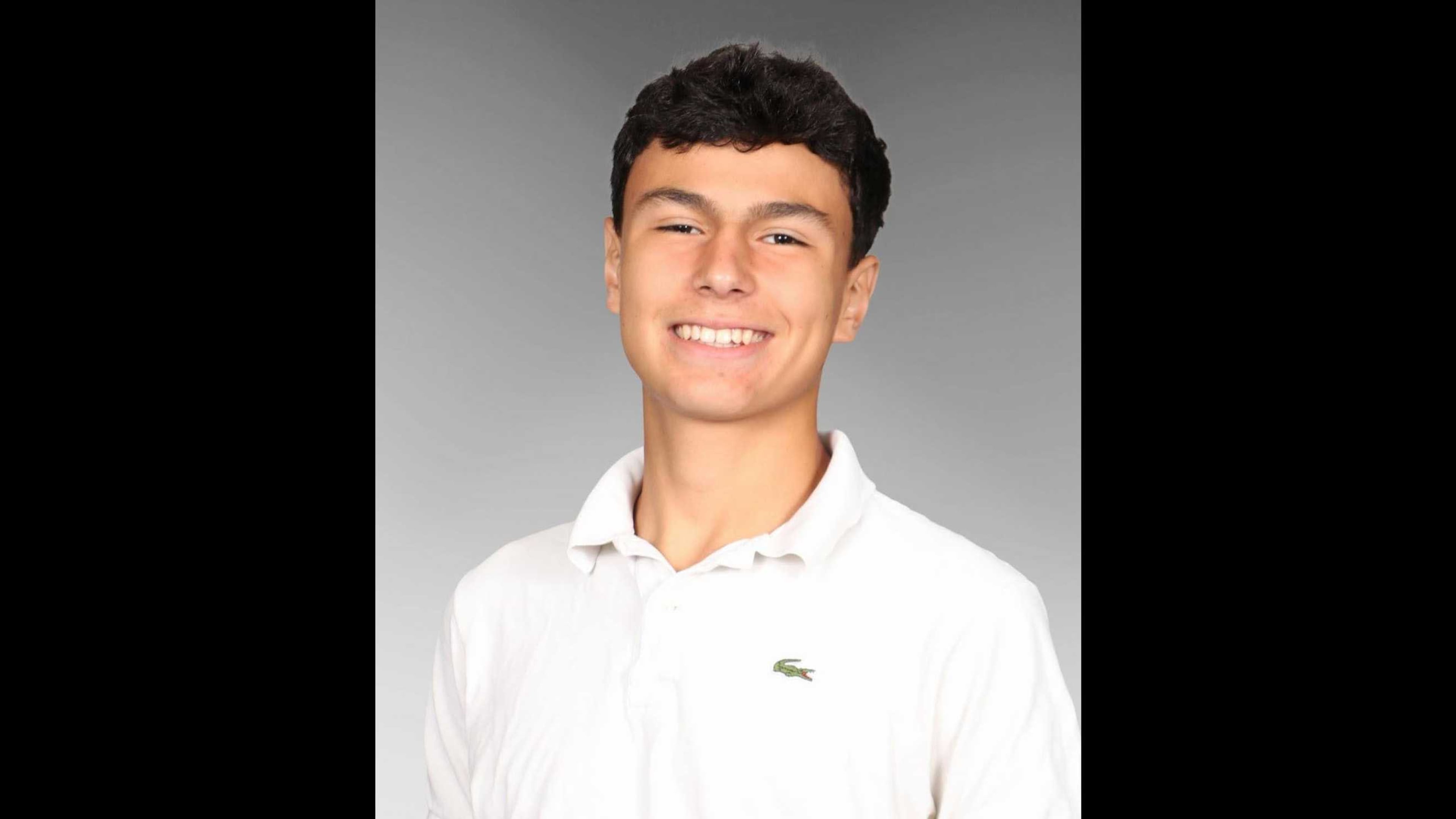
Maximo Luciani is a junior at Chamblee High School who plans on going into a career in environmental and civil engineering.
If you have any thoughts about this item, or if you’re interested in writing an op-ed for the AJC’s education page, drop us a note at education@ajc.com.