Lung cancer in non-smokers is rising. Georgia doctors explain new treatments
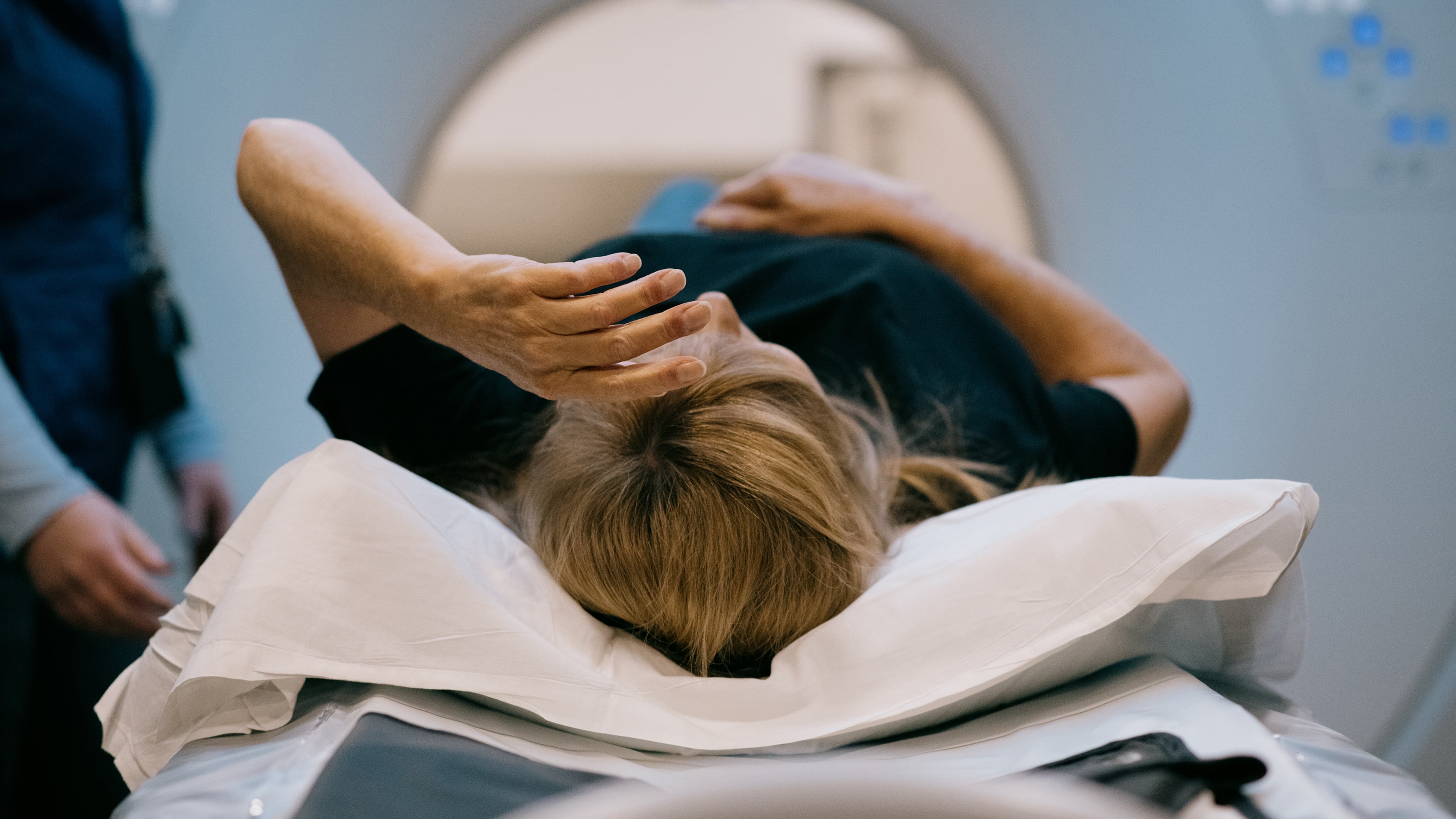
Ralph Snyder had been coughing for a year. The 86-year-old Fairburn retiree, who had never smoked, tried cough medicine and over-the-counter products before his doctor prescribed medication.
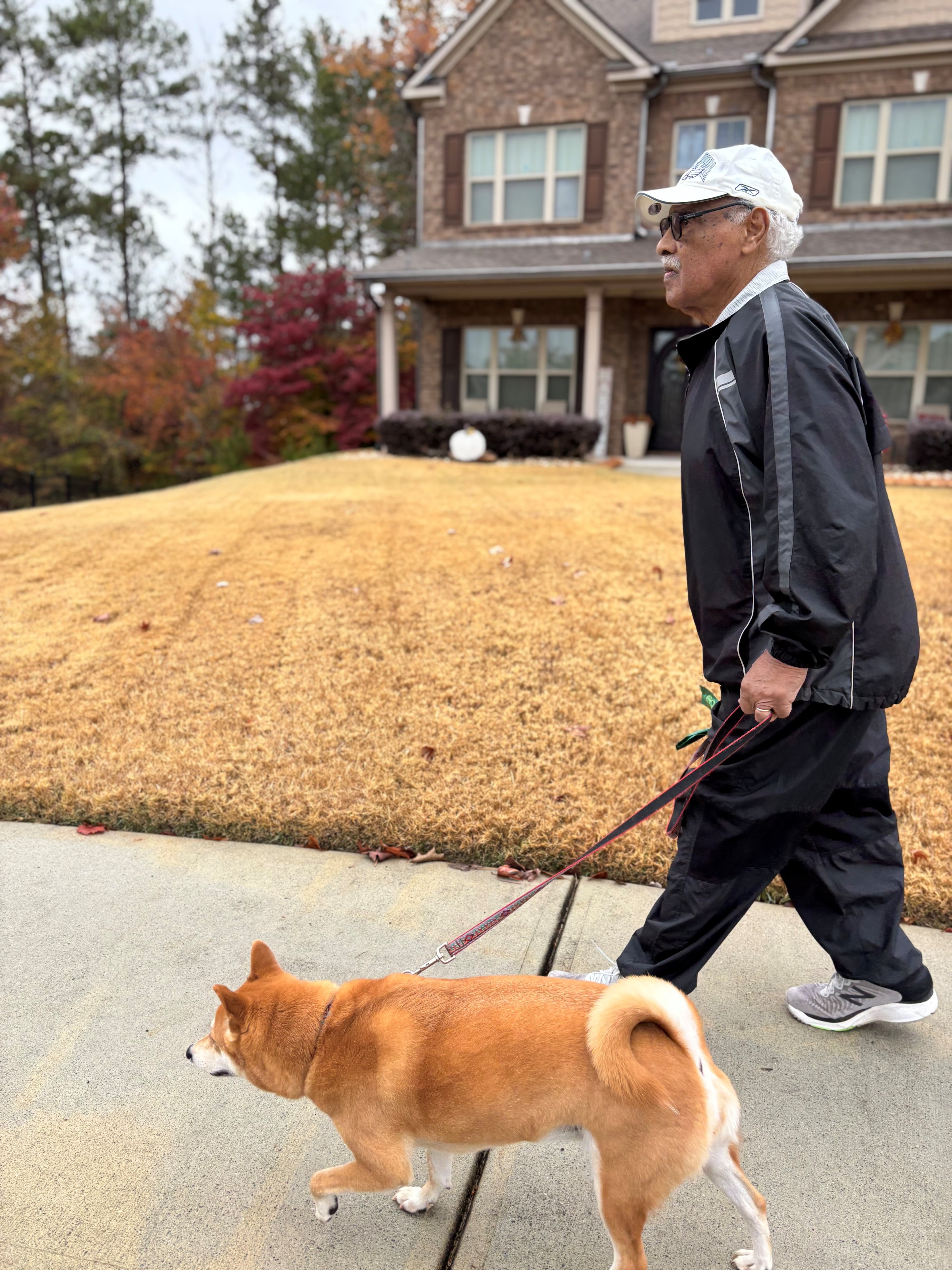
But his condition continued to worsen. While exercising at a gym in Sarasota, Florida — where he lives part of the year — he had difficulty breathing. His daughter rushed him to the emergency room, where he was diagnosed with pneumonia and sent home with an antibiotic.
The cough persisted and he rapidly lost 30 pounds.
It wasn’t until a Piedmont doctor referred him to a cardiac pulmonologist that a series of medical tests and imaging revealed the cause: stage 4 lung cancer driven by a rare genetic alteration.
“I was shocked,” said Snyder, who used to exercise two hours a day while working as a systems analyst for a data processing company and continued playing pickleball after retiring. “I’m taking care of my health and all of a sudden [at 85] I get a diagnosis of lung cancer.”
Lung cancer is the leading cause of cancer death in the United States, accounting for about 1 in 5 cancer deaths, according to the American Cancer Society.

During Lung Cancer Awareness Month, the Atlanta Journal-Constitution highlights a lesser-known aspect of lung cancer. Although the disease primarily is associated with smoking, Snyder is part of a rising trend in non-smokers diagnosed at later stages.
About 10 to 20% of lung cancers occur in people who have never smoked or smoked fewer than 100 cigarettes in their lifetime, according to the Centers for Disease Control and Prevention. Some of these cancers are associated with genetic changes, while other risk factors include secondhand smoke, radon and air pollution.
Snyder is benefiting from one of the many newer medications on the market targeting specific genetic mutations like his and, in many cases, offering an alternative to surgery, chemotherapy and radiation.
A few months before Snyder was diagnosed last year, the U.S. Food and Drug Administration approved the medicated capsule Ibtrozi, a targeted therapy that treats his specific tumor mutation.

Among people who have never smoked and developed lung cancer, the vast majority have a tumor mutation, said Dr. Daniel Fortes, a thoracic surgeon with Wellstar Health System.
“These are changes that develop within a tumor and help it grow. They are not, however, inherited mutations and cannot be passed down to family members,” Fortes said.
Researchers are also examining the role of environmental factors. Air pollution and other exposures are believed to be a major factor contributing to the rise in lung cancer among non-smokers, according to a study last year by the National Cancer Institute and the University of California San Diego.
“We don’t really understand it,” Fortes said about the cause of the cancer mutations. “We know that, for example, it’s easy to tie lung cancer to smoking because the burning of tobacco has literally hundreds of thousands of chemicals that have proven to cause cancer.”
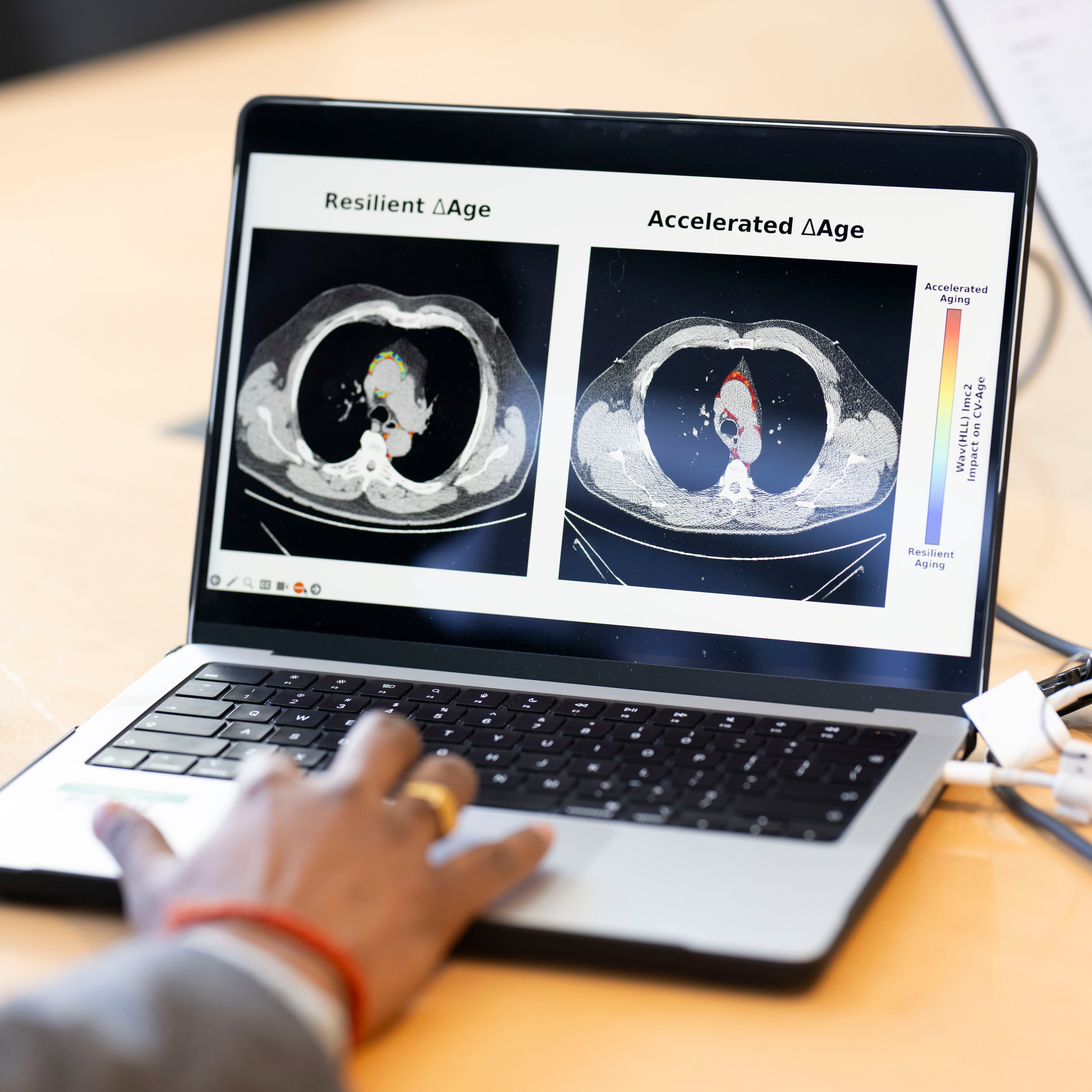
But it’s harder to prove the cause of genetic mutations.
Most of the non-smoking patients that develop lung cancer are in their 60 and 70s, but there are also more patients in their 40s and 50s, Fortes said. These cancers have a higher tendency to show up in multiple parts of the lung, developing out of areas of lung inflammation, progressing over time, and developing into new cancers, he said.
“The good thing about these, at least in general, they are much slower growing than traditional lung cancer.”
Like standard lung cancer in smokers, many patients who never smoked seek medical care at a more advanced disease stage when symptoms start to appear, Fortes said. One challenge is that routine lung cancer screening is not recommended for people who have never smoked.
“In a lot of cases, it’s almost a matter of luck. A person has a scan done for an unrelated reason and we discover something in the lungs that ends up being lung cancer.”
With patients having more frequent imaging, clinicians can identify and diagnose lung cancers earlier, when they’re most treatable, he said.
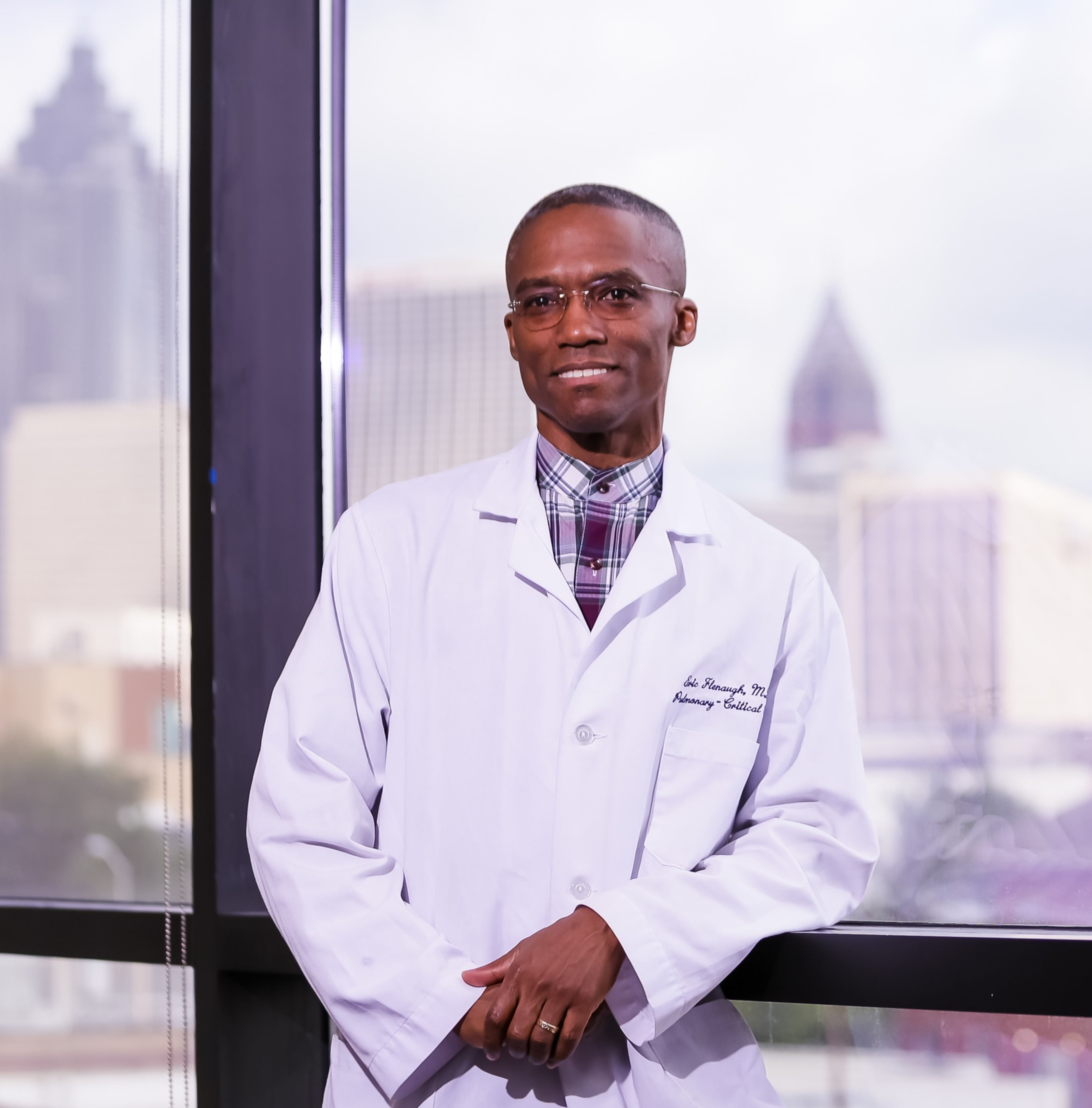
Growing awareness of lung cancer risks among different populations, including people who have never smoked, along with more accessible imaging scans, is helping doctors identify lung cancer that might otherwise go undetected, said Dr. Eric Flenaugh, an interventional pulmonologist with Morehouse School of Medicine and physician director for the Lung Nodule Clinic and lung cancer screening program at Grady Memorial Hospital.
Years ago, when a patient went to the hospital for a CT (computed tomography) scan of the chest, radiologists didn’t know what early-stage cancer looked like on imaging, Flenaugh explained.
“By the time lung cancer developed symptoms, patients often had a large mass, and it was usually at an advanced stage. Now we have newer diagnostic tools that allow us to biopsy some of these small 1-centimeter spots on the lung and get an accurate diagnosis.”
Possible signs of lung cancer, even if you’ve never smoked:
- A persistent cough or coughing up blood
- Shortness of breath
- Chest pain
- Repeated respiratory infections, such as pneumonia
- Unexplained weight loss
Source: Centers for Disease Control and Prevention
Partly because of improved diagnostics, Flenaugh has noticed that he has more lung cancer patients who are non-smokers, about 8 to 10% compared to 5% a decade ago.
He has watched lung cancer care evolve over the past 30 or 40 years when the standard treatment for patients with lung cancer was chemotherapy and radiation.
“It wasn’t specific to the type of lung cancer that one person might have. We’ve recently learned that one-size-fits-all treatment doesn’t work. There are differences in the genetic characteristics and mutations of lung cancer between individuals, and we can target therapy toward some of the characteristics that help the cancer thrive and survive. As a result, you get a better response to treatment and survival is better.”

More awareness is needed because lung cancer in non-smokers remains underrecognized and patients have a delay in diagnosis, said Dr. Ticiana Leal, a medical oncologist and researcher who leads the lung cancer disease team at Emory University’s Winship Cancer Institute.
She believes that it’s crucial that all new patients diagnosed with lung cancer have biomarker testing to identify their subtype of lung cancer and the genetic drivers of that subtype. Blood and tissue samples are tested to analyze the cancer cells for a specific gene mutation or protein changes that can be targeted with therapy, said Leal, who was a consultant on Snyder’s case.
“These targeted therapies are really helping the patients live longer and better,” Leal said. “Mr. Snyder is a clear example of that. I’m so happy to hear how well he’s doing.”
Roni Robbins has been a journalist for nearly four decades. This is her second stint as a freelance reporter for the AJC. She was formerly a freelance reporter and editor for Medscape. Her writing has appeared in WebMD, HuffPost, Forbes, the New York Daily News, BioPharma Dive, MNN, Adweek, Healthline and others. She’s also the author of the award-winning novel, “Hands of Gold: One Man’s Quest to Find the Silver Lining in Misfortune.”