Sitting too much can leave your hips stiff. These 5 exercises can help.

Whether you’re sitting at a desk, driving or spending hours on the couch, staying in one position for too long can leave your hips feeling stiff and uncomfortable.
Many adults aren’t getting enough physical activity, either. More than half U.S. adults did not meet federal aerobic physical activity guidelines, according to a recent report from the Centers for Disease Control and Prevention. Adults in the South were the least likely to meet the recommendations.

Improving hip mobility doesn’t require a gym membership or hours of exercise. A few minutes of simple movement at home can help, according to Mark Kovacs, a human performance scientist and CEO of the Kovacs Institute in Marietta.
Why your hips get stiff
“The human body was designed for movement, not prolonged sitting,” Kovacs told The Atlanta Journal-Constitution. “When we spend hours seated, our hips remain in a flexed position, limiting the movement of the hip flexors, glutes, and surrounding muscles.”
Over time, reduced movement can contribute to stiffness and limited joint mobility.
“The biggest problem isn’t sitting itself. It’s staying in the same position for too long,” he said.
Limited hip mobility can make everyday activities more challenging, from getting up out of a chair to squatting, walking or putting on your shoes and socks. When the hips don’t move as freely, the lower back and knees may compensate, potentially putting extra strain on those areas.
Kovacs recommends combining gentle stretching and active movement to improve hip flexibility and mobility. These five exercises can help you get started.
1. Half-kneeling hip flexor stretch
The move: Kneel on one knee with the opposite foot flat on the floor in front of you. Gently tuck your pelvis under and shift forward until you feel a stretch in the front of the hip on your kneeling side. Keep your torso upright and avoid arching your lower back.
Repetitions: Hold for 20 to 30 seconds on each side. Repeat twice.
2. 90/90 hip rotations
The move: Sit on the floor with both knees bent at approximately 90 degrees, one leg positioned in front of you and the other out to the side. Slowly rotate both knees toward the opposite side, using your hands for support if needed.
Repetitions: Complete eight to 10 controlled repetitions per side.
3. Glute bridge
The move: Lie on your back with your knees bent and feet flat on the floor. Tighten your abdominal muscles and glutes, then slowly lift your hips until your shoulders, hips and knees form a relatively straight line. Avoid arching your lower back.
Repetitions: Hold for two to three seconds. Complete 10 to 15 repetitions.
4. Quadruped rock-back
The move: Start on your hands and knees with your spine in a comfortable, neutral position. Slowly shift your hips backward toward your heels without excessively rounding your lower back, then return to the starting position.
Repetitions: Complete 10 to 12 slow repetitions.
5. Standing hip circles
The move: Stand upright while holding a chair or countertop for balance. Lift one knee and slowly move it in a controlled circle without twisting your torso.
Repetitions: Complete five to 10 circles in each direction on each leg.
“The best hip mobility routine doesn’t need to be complicated,” Kovacs said. “Five to 10 minutes of consistent, controlled movement can be more valuable than an occasional hourlong stretching session.”
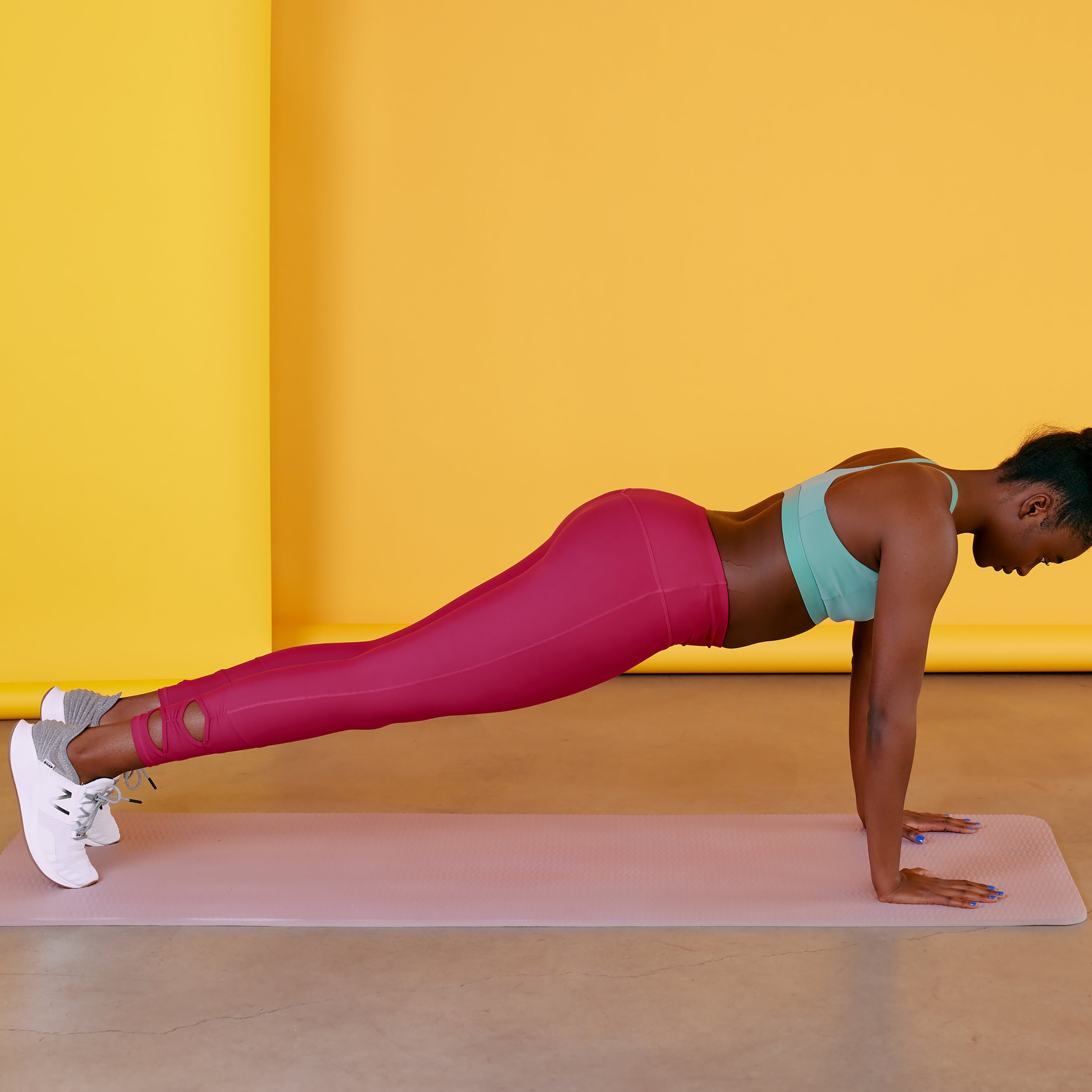
He recommends doing the exercises four to five days a week. Some people may feel less stiff immediately after moving, but improvements in flexibility and movement control generally take four to six weeks of consistent practice.
For those who work at desks, he suggests standing, walking or changing positions every 30 to 60 minutes.
Mistakes to avoid
Stretching harder doesn’t necessarily produce better results. Aggressive stretching can irritate sensitive tissues, particularly if you already have pain or joint problems.
Avoid bouncing during stretches, forcing yourself into painful positions or trying to match someone else’s range of motion. It’s also important not to overlook strength training. Healthy hips need both flexibility and muscular control.
“Mobility is not about forcing your body into extreme positions,” Kovacs said.
If hip stiffness is making everyday activities more difficult, small changes to your routine can help. Taking regular breaks from sitting and making time for simple exercises can help maintain mobility and keep you moving comfortably.
“The ability to move well is one of the foundations of healthy aging,” he said.