How to set boundaries when family gatherings get uncomfortable
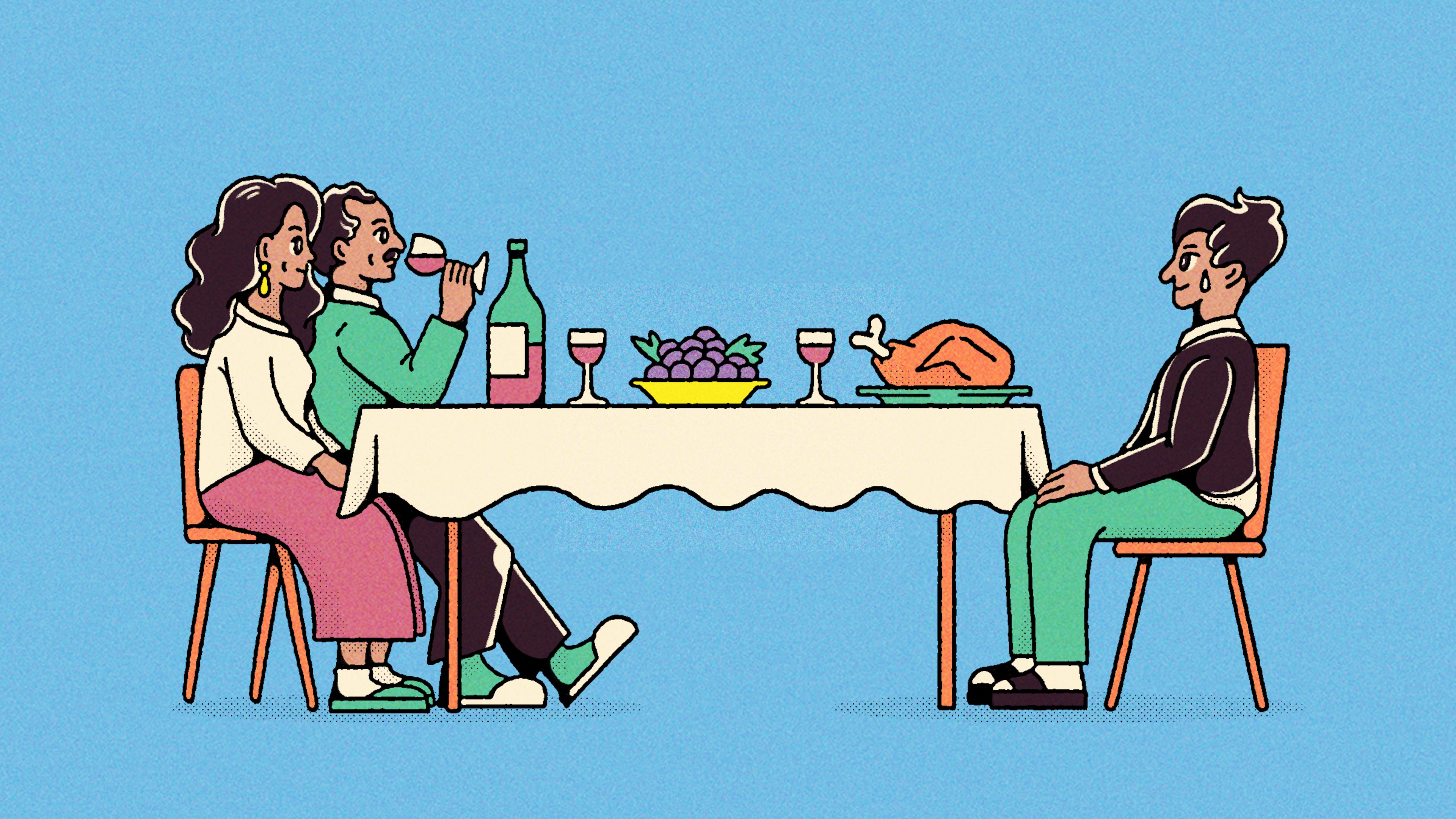

“Wow, you’ve really been eating good.”
The minute these words slip from your aunt’s lips as she greets you Thanksgiving morning, you already know what kind of day it will be.
No matter what holidays you celebrate or what those celebrations look like, one thing that many of us have in common is the awkward conversations that tend to come up when spending time with family. These conversations often center on weight and appearance, parenting, politics and relationship status.
I’ve heard enough stories to know these aren’t isolated incidents. These exchanges often have very little to do with what’s actually happening in your life and much more to do with something unsaid or unresolved with the messenger. I suspect that many of us have had similar experiences for a couple of different reasons.
First, when visiting with our families of origin, everyone tends to show up as the role you inhabited as a child. For example, if you’re the youngest in your family, you may still be seen as the “baby” who needs to be taken care of rather than the fully grown adult with responsibilities and a family of your own. Those endless attempts to offer parenting advice may stem from the fact that your relatives still see you as someone who needs their guidance.
A second reason these exchanges happen is the belief that differences in our choices are an indictment of someone else’s. Consider a decision to remain child-free when your grandmother had 10 children. When she asks when you’re finally going to have kids, it may come from a genuine desire to become a great-grandmother. But it could also reflect a belief that your decision not to have children somehow suggests she made the wrong choice herself.
A third reason these interactions can be more common around the holidays is that we’re often coming together during an already stressful time. We’re trying to squeeze family gatherings into busy work and school schedules, and alcohol is frequently part of the celebrations. That stress of the season, combined with alcohol, can make it harder to regulate our emotions and filter what we say.

But understanding why something happens doesn’t mean we’re immune to feeling rattled or unsettled when it does. Here are a few strategies that may help you navigate uncomfortable conversations with family as you head into the holiday season.
- Make a plan for how you’ll respond to comments you know are likely to come. If you know Grandma asks about when you’re going to get married every time you see her, consider preparing a response before you arrive. You might say something like, “Grandma, that’s not something I want to talk about today, but I’d love to hear more about the new dance class you started this year. Tell me more about that.” This sends a clear message that this is not a conversation you’re interested in entertaining while still leaving the door open for connection.
- Enlist the help of people in your corner. If there’s a topic you would prefer to avoid altogether, consider asking your favorite cousin or another trusted family member to help get ahead of it. They can get the word out to family and act as a barrier for some of the exchanges that may occur.
- Have an exit strategy. Arrive with your departure time already in mind. If you’ve gathered with your family long enough, you likely know the rhythms of the interactions. Perhaps things tend to be fine early in the day but unravel as the evening progresses. It’s totally OK for you to leave before things take a turn.
- Don’t feel obligated to defend or justify your decisions. The way you decide to parent, your relationship status or your ideas about politics are yours to have. When we’re gathered with family, it can be easy to fall into the idea that we owe them an explanation for why we believe what we do, but this can be a slippery slope as it often leads people to believe these things are up for negotiation when they are not. If someone tries to engage you in a conversation that leaves you feeling compelled to defend your position, it’s OK to redirect. You might say, “This is a really big topic and I don’t think we’re going to figure it all out today. Let’s discuss something else.”
- Give yourself permission to celebrate differently. If you’ve had enough years with your family to know that no amount of redirection will result in them not crossing boundaries, choosing to not attend a gathering is a reasonable response. You might stay home or find another way to celebrate. Spending time with family during the holidays can be wonderful but only if it’s actually enjoyable and restorative; not simply because it’s an expectation. If that setting no longer feels like one that’s comfortable, change the plan and create something that feels like a better fit for you.
This column is designed to be educational and informational only and should not be interpreted as medical advice. It is not a substitute for seeking the support of a licensed mental health or medical professional.
What are some strategies you’ve used to navigate these experiences during the holidays? I’d love to hear about it. Or if there’s something you’re trying to work through in your life that you could use some feedback about, let me know. Share it with me at drjoy@ajc.com.