What makes a home ‘healthy’? Atlanta experts explain what buyers should look for.
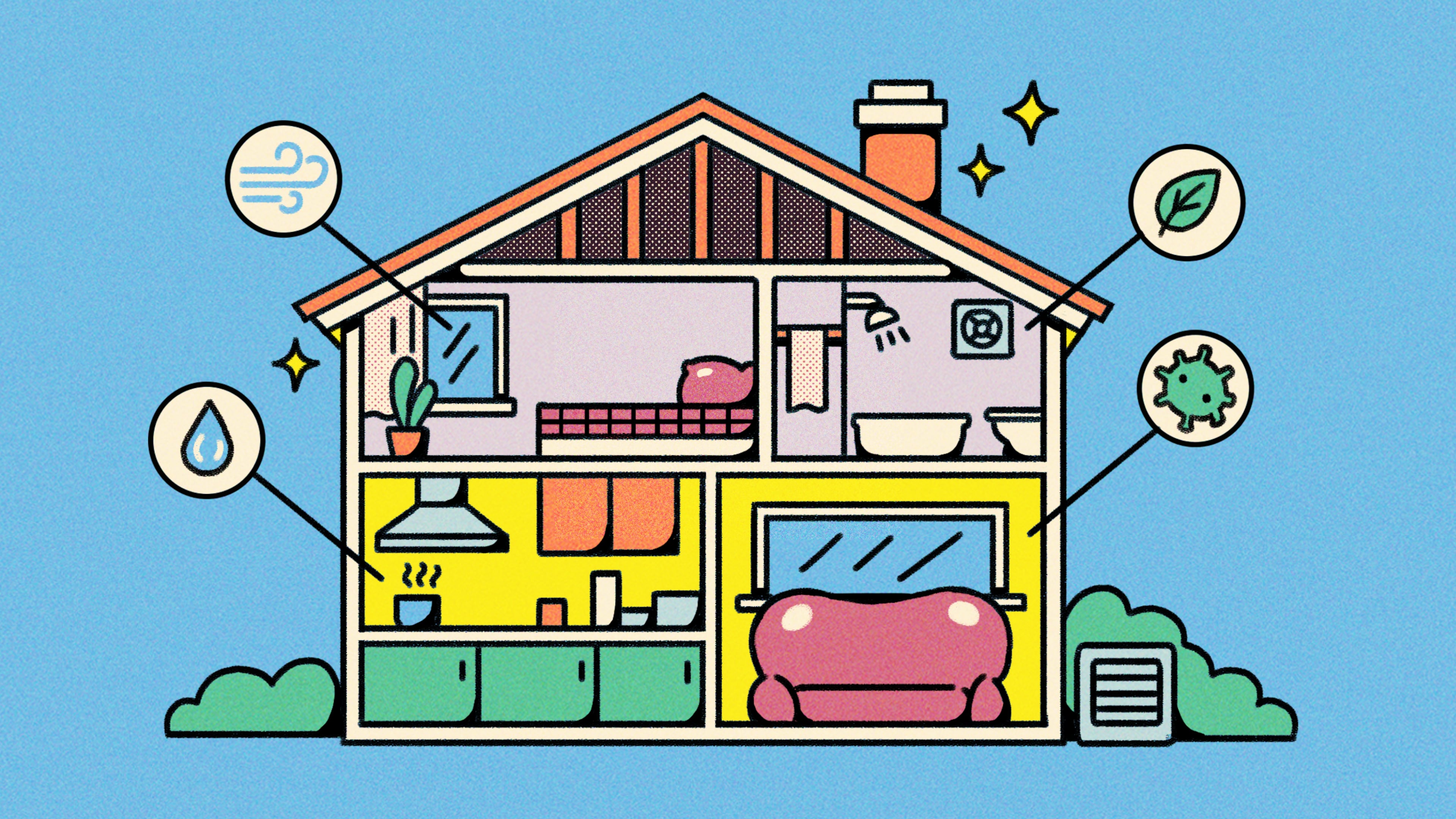
A home can have a renovated kitchen, new floors and plenty of square footage and still fall short in ways that affect the people living there every day.
For homebuyers, that means looking beyond appearances and considering indoor air quality, energy efficiency, comfort, lifestyle and the cost of maintaining a property.
“Healthy is a broad term, and the ‘healthiness’ of a home is dependent on who lives there,” said Amelia Godfrey, program director of EarthCraft and education at Atlanta-based Southface Institute.

Someone with severe allergies, for example, may have different needs than someone without those sensitivities.
But generally, Godfrey said, a healthy home limits exposure to irritants and gives occupants some control over indoor air quality.
A healthy home starts with what’s inside
Effective HVAC filtration, adequate ventilation, and kitchen and bathroom exhaust fans that vent outdoors can help improve indoor air quality.
The U.S. Environmental Protection Agency identifies source control, ventilation and filtration as key strategies for cleaner indoor air. Controlling moisture is another important consideration, particularly in Georgia’s humid climate.
Air leaks can allow hot, humid outdoor air to seep into an air-conditioned home, forcing cooling systems to work harder and potentially contribute to moisture problems that encourage mold or mildew.
Energy efficiency, comfort and indoor air quality are closely connected. Sealing air leaks, for example, can improve efficiency, but Godfrey cautioned that homes with combustion appliances, such as gas fireplaces, must have proper ventilation to prevent exposure to carbon monoxide and other pollutants.
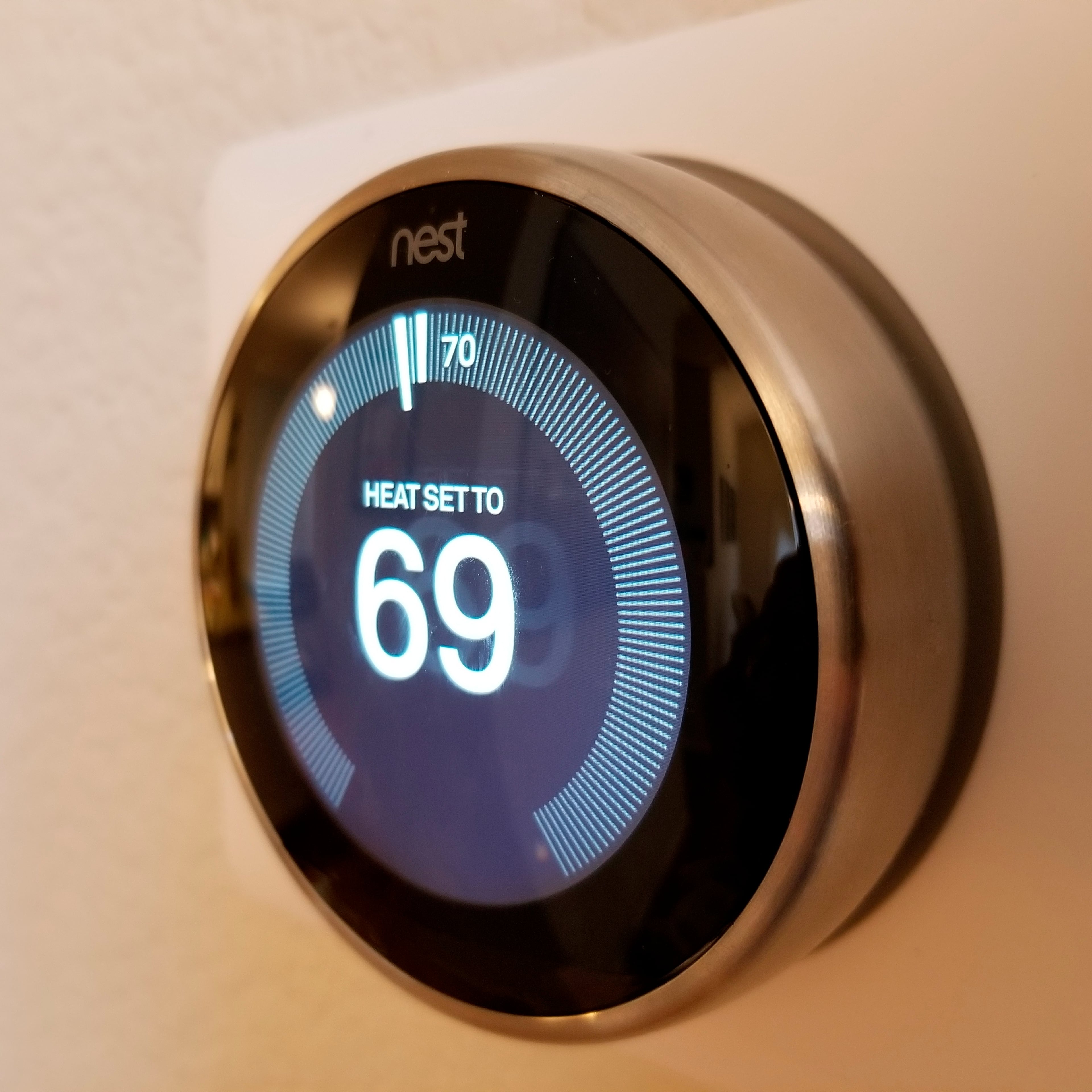
Buyers should check whether kitchen range hoods and bathroom exhaust fans vent outdoors. They should also pay attention to the age and condition of the heating and cooling system. An oversized air conditioner, for example, may cool a house quickly without running long enough to remove excess humidity.
Insulation, windows, doors and proper air sealing also play a role in maintaining comfortable indoor temperatures and controlling energy costs.
“If you look at a breakdown of how homes use energy, roughly half of the consumption is for heating and cooling,” Godfrey said.
A healthy home supports the way you live
A home’s physical condition is only part of the equation. Its location, layout and surroundings can also influence how comfortable and connected people feel in their daily lives.
Atlanta Realtor Kyle Marshall said buyers rarely use the term “healthy housing” to describe what they want. Instead, they focus on lifestyle priorities such as walkability, outdoor space, privacy, and access to neighbors and community.

Some buyers want to live near restaurants or the Beltline, while others prioritize sidewalks, natural light or dedicated workspaces, particularly if someone in the household works remotely.
But it’s also important to not let cosmetic features overshadow a home’s condition.
“People tend to focus on how pretty things are,” Marshall, with the Justin Landis Group, said.
During showings, he encourages buyers to look beyond cosmetic updates and watch for potential problems such as foundation issues, roof leaks and signs of water intrusion. Those repairs can be far more expensive than repainting walls or updating a kitchen.
“I don’t want someone to buy a house and be stuck with a hundred thousand dollars worth of repairs after closing,” Marshall said.
A thorough home inspection and careful due diligence can help buyers uncover potential problems before committing to a purchase.
A healthy home should be affordable to maintain
A home’s true cost goes beyond its purchase price. Property taxes, insurance, utilities, repairs and routine maintenance can add up quickly.
Sean Hardeman, a spokesperson for comparison service iSelect, said buyers should consider the year-round cost of owning a home, not just how it feels during a showing.
An iSelect analysis puts Georgia’s average monthly electricity bill at approximately $157, or about 2.5% of the average monthly income used in its comparison. Still, utility costs aren’t always top of mind during a home search.

Marshall said some cost-conscious buyers ask about energy efficiency, but many first-time purchasers overlook utility expenses when evaluating properties.
“It’s important to factor these in so that you have the budget not just to buy the home, but live in it,” Hardeman said.
The size of a home can also affect ongoing expenses. Larger homes generally require more energy to heat and cool, while smaller homes may cost less to maintain.
Questions to ask before buying
A healthy home doesn’t have to check every box, but experts say buyers should look beyond cosmetic updates and consider how a property will affect their comfort, health and budget.
Here are some things to consider before making an offer:
- Check the HVAC system. Ask about its age, maintenance history and whether it’s appropriately sized for the home.
- Look for moisture problems. Check for signs of water intrusion, leaks, condensation or mold, particularly around windows, bathrooms and basements.
- Check ventilation. Make sure kitchen range hoods and bathroom exhaust fans vent outdoors rather than into an attic or back into the room.
- Ask about energy costs. Request previous utility bills to get a better idea of what it costs to heat, cool and operate the home.
- Consider the materials. Paints, flooring, cabinetry and furniture can release chemicals into indoor air. Godfrey said buyers shopping for new products can look for third-party certifications such as Greenguard.
- Think about daily life. Consider natural light, noise, storage, outdoor space, and whether the home’s layout and location support your routines.
Ultimately, a healthy home is not necessarily one that checks every box. It’s one that balances physical comfort, daily needs and financial sustainability for the people living there.
“It’s all about living comfortably in the home while reducing the impact on your energy bills and the environment,” Hardeman said.