What is an anxiety bag? Gen Z’s ‘panic pouch’ trend, explained.
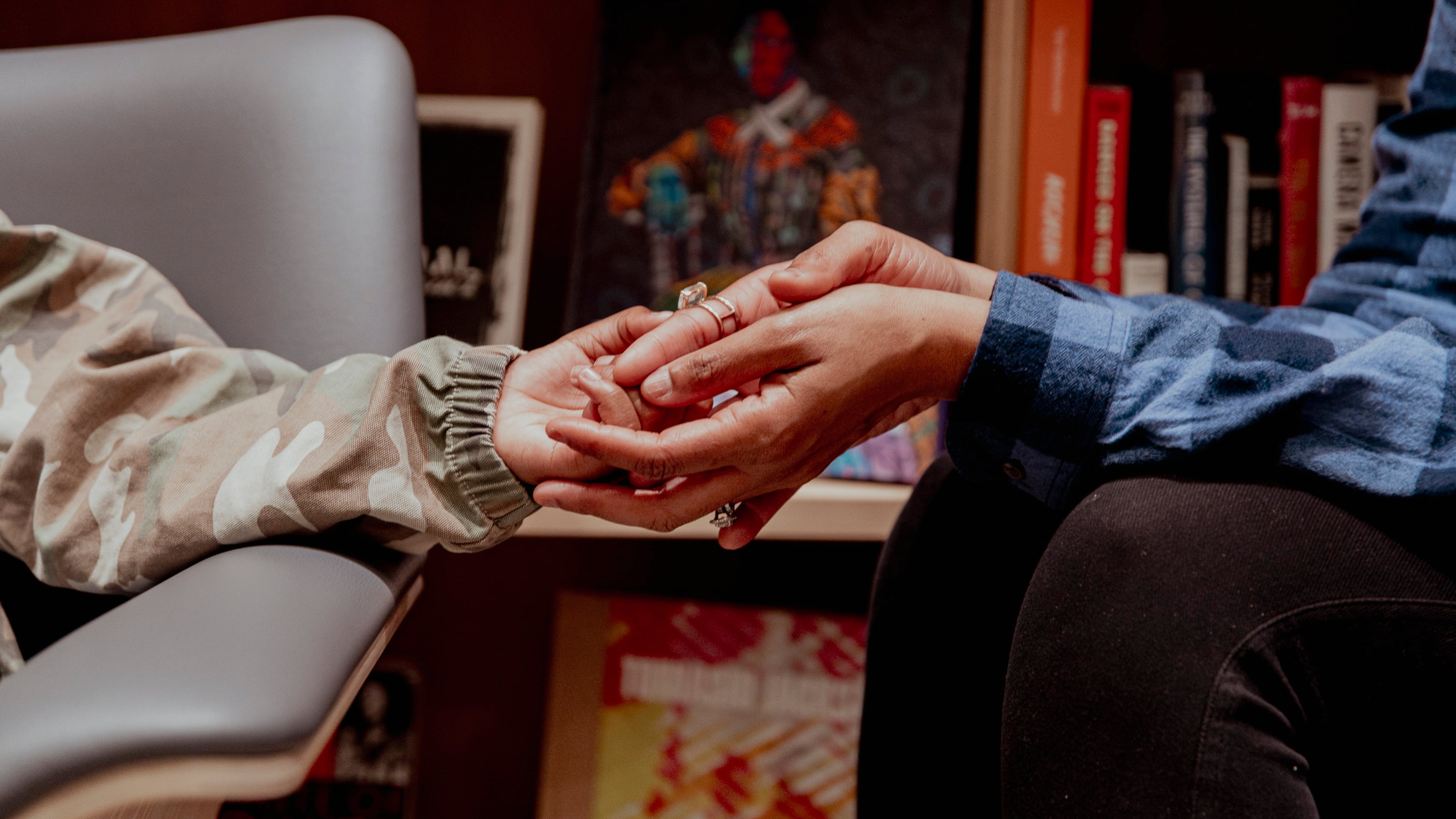
For some people, managing anxiety means more than learning breathing exercises or practicing mindfulness. It can also mean keeping a small bag of comfort items within reach, just in case.
Enter the “anxiety bag,” also known as a “panic pouch,” a trend gaining attention among Gen Z on social media. These small bags are packed with items meant to help ease anxiety on the go, from sensory tools and calming scents to snacks and headphones.
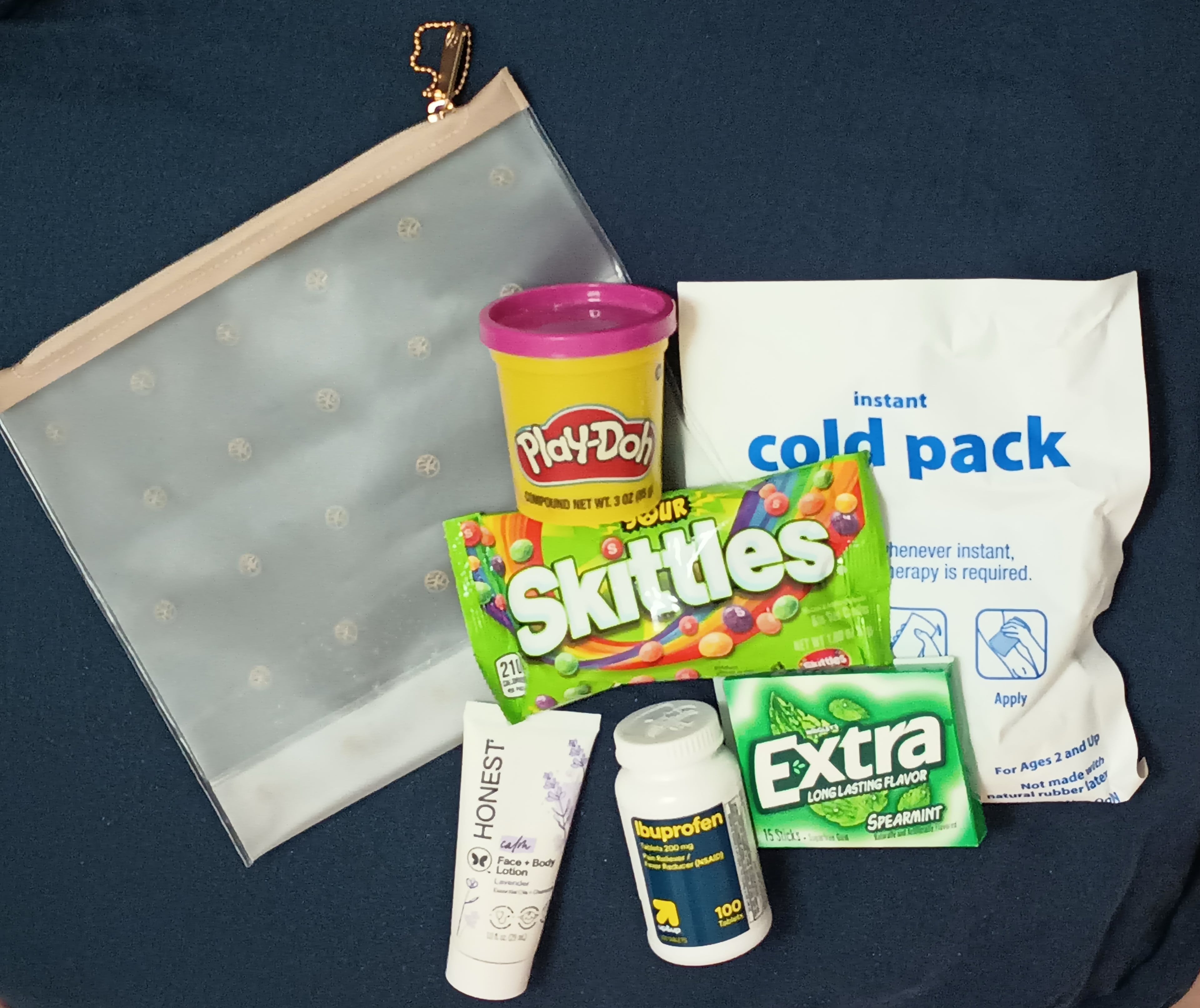
Atlanta content creator Stefany Staples is among those sharing the trend on social media. In one of her viral TikTok videos, she walks viewers through the items she keeps in her anxiety bag and explains how they help her manage anxious moments.
For Gen Z, the popularity of anxiety bags reflects a broader willingness to talk openly about mental health and find practical ways to help.
Why are younger generations experiencing so much anxiety?
Gen Z has been dubbed “the anxious generation,” as young people are often more open about discussing their mental health than older generations. Social media has given them a place to share those experiences, alongside the tools and strategies they use to cope.
Social media also makes it easier for people in this age group to compare themselves to others, said Jen Powell, a licensed professional counselor with Anxiety Specialists of Atlanta. At the same time, the expert acknowledges that our brains haven’t evolved to process the enormous, nearly constant barrage of information coming from our devices.
“They’ve got constant digital connectivity, economic uncertainty, climate concerns — it’s a multitude of things,” Powell told The Atlanta Journal-Constitution.

A study cited by Emory’s Rollins School of Public Health found that members of Gen Z are more likely to spend more time on social media each day, and a third of teens reported that they use at least one site almost constantly.
In addition, research has found that adolescents who spend more than three hours a day on social media face twice the risk of experiencing poor mental health outcomes, including symptoms of depression and anxiety, according to the U.S. Surgeon General.
How anxiety bags can help
Anxiety bags can be an effective tool, Powell explained, noting that she has clients who use them. The bags can help restore a sense of calm and provide familiar, predictable tools that are easy to access.
“It can be hard to remember what works if you’re having an intense panic attack,” she said. “It gives you a sense of control. It helps your body move out of its flight or flight response.”
Many people may not know that these coping skills exist, and talking openly about anxiety and sharing how you manage it can help normalize and destigmatize it, the expert added.
Powell also recommends reevaluating what’s in your bag from time to time to see what’s working and what may need to be replaced.
“Coping skills can change over time. Take a look at (your bag) and see if it’s empowering you,” she said.
What to put in an anxiety bag
Since anxiety affects everyone differently, Powell suggests choosing items that appeal to you — including those that engage multiple senses, such as taste, touch and smell.
You might put two items in your bag or 20. The number doesn’t matter as long as the items are useful to you. Here are some ideas to get you started:
- Fidget toys or squishy items
- Cold or warm compresses
- A small, portable fan
- Lavender-scented essential oil
- Mints
- Gum
- Sour candies
- Ginger chews or other nausea helpers
- Lip balm
- Lotion
- A meaningful photo that makes you feel happy and relaxed
- Headache medication
- Earbuds for listening to music, podcasts or white noise