The racial history behind MARTA’s limited reach in Atlanta
From day one, MARTA's development and history has been defined by race. The development of the Metro Atlanta Rapid Transity Authority began in 1965, but by the time lawmakers approved legislation in 1971, only two of the five counties involved in the plan ultimately signed up. In an era defined by white flight, political opposition and secret bus routes, Atlanta's vision of a transit system meant to connect counties instead became a tool that segregated the city and surrounding counties. The legacy of those decisions can be felt today and affects who has access to opportunity and who gets left behind. The AJC's Ernie Suggs takes a deep dive into the limited reach of Atlanta's major transit system and why it tells a deeper story shaped by division and resistance. Credits: AJC | Georgia State University | MARTA | National Archives | Ernie Suggs / AJC




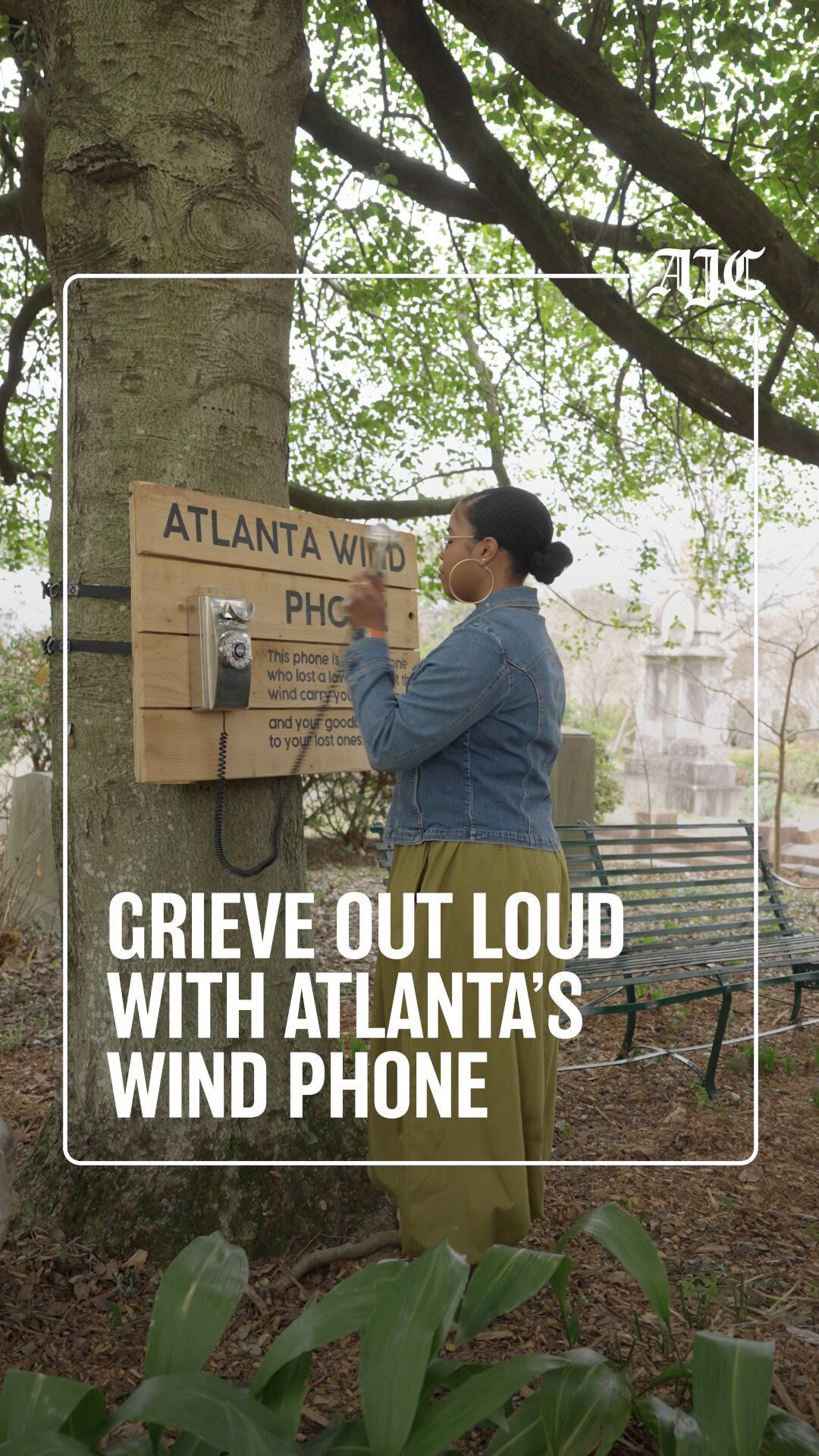
Atlanta’s first wind phone finds a permanent home at Oakland Cemetery
A wind phone has no dial tone but lets you grieve. Created in 2010, Atlanta’s first sits at Oakland Cemetery, offering a quiet, healing space.

'I could have done more': Emotional testimony from father of Apalachee shooting suspect
Testimony continued in the trial of the Apalachee High School shooting suspect's father. Credit: AP

Footage shows moment MARTA train rams into fallen tree and derails
On Dec. 29, 2025, a MARTA train derailed when a large tree toppled onto the tracks during severe winds. Credits: MARTA

How the largest nuclear plant in the country powers Georgia
Credits: AJC | Getty | HBO | CBS NEWS | Georgia Power/YouTube | Reuters | NPR | Forbes | The Guardian | MIT Technology Review | Pennsylvania Capital-Star