Tech projecting $2.4M deficit, but expecting recovery
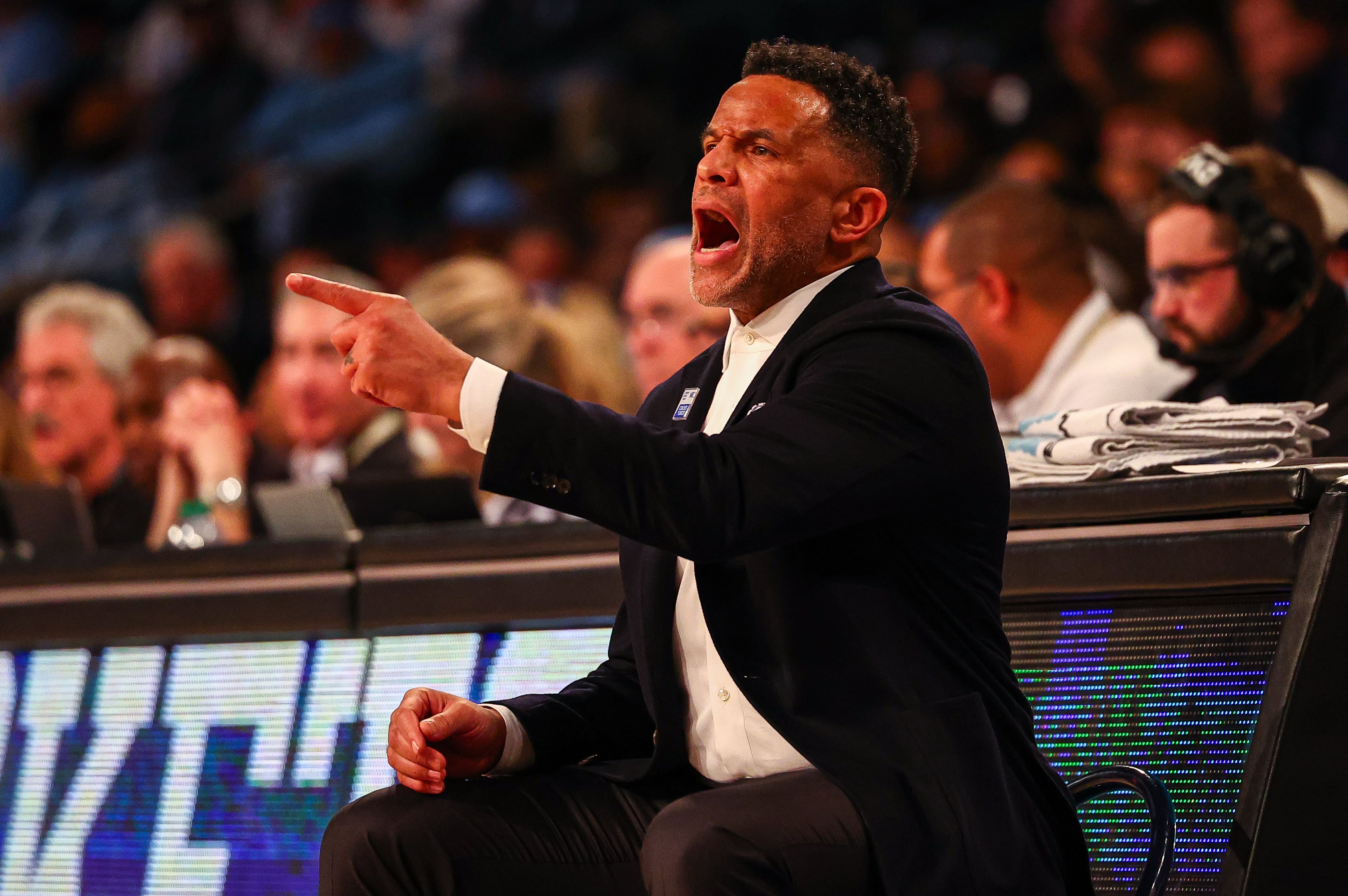
New basketball coach Josh Pastner and his staff, repairs to Bobby Dodd Stadium and slow ticket sales are expected to drop Georgia Tech’s athletic department into a $2.4 million deficit for the coming fiscal year. Athletic director Mike Bobinski sees it as a one-year aberration, though, and is confident for improved financial standing in years to follow.
The projection was given Thursday at the Georgia Tech Athletic Association’s board of trustees meeting by Marvin Lewis, associate athletic director for finance and administration.
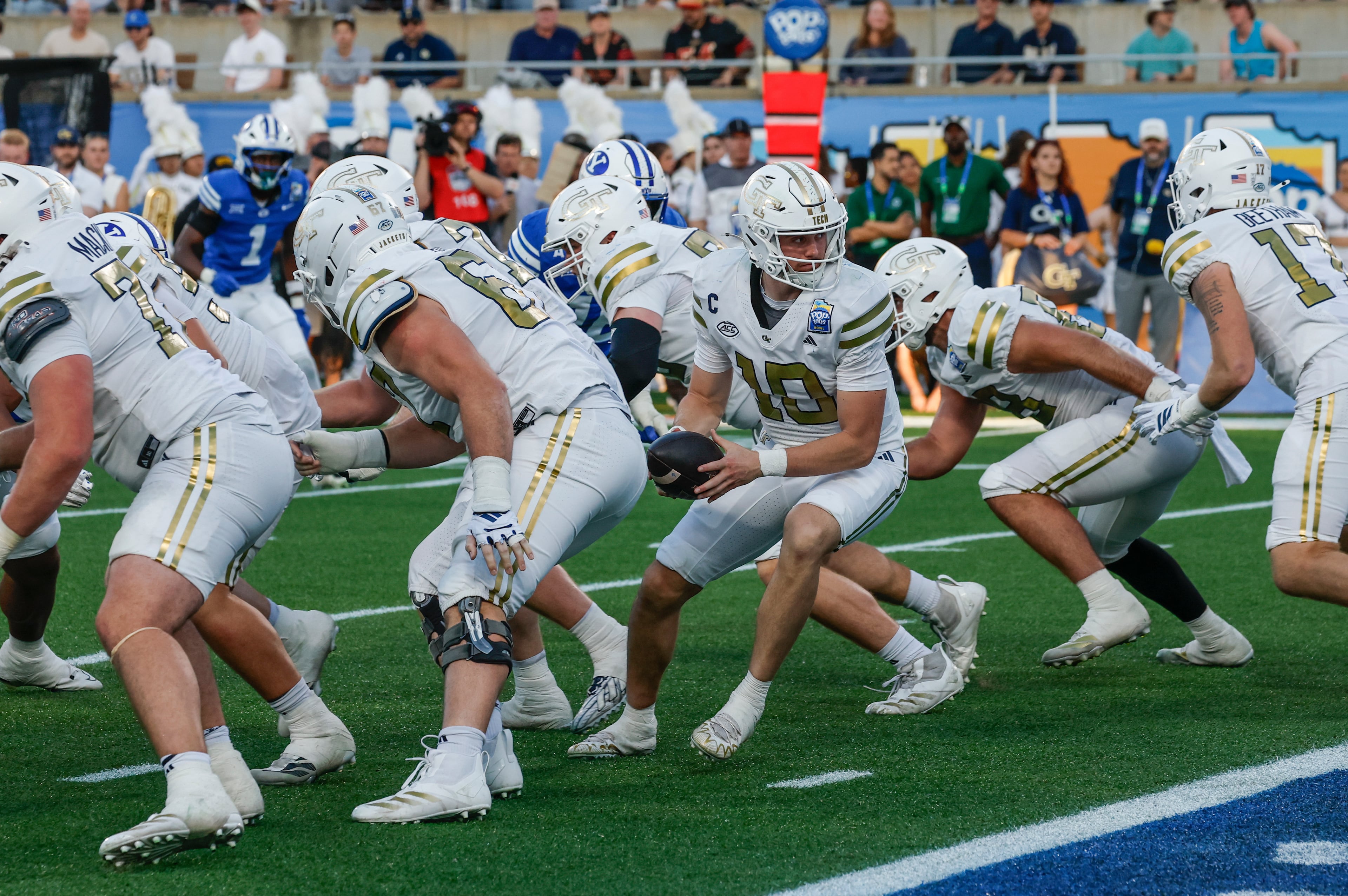
Ticket revenues are projected to dip $2.2 million from this past year’s totals, to $12.052 million, on expectations of slower sales for football (after a 3-9 season) and basketball (following a coaching change and low expectations for the 2016-17 season). As is also the case for all even years, Tech won’t have Georgia on its home schedule, a game that can bring in between $1 million and $1.5 million, Lewis said.
The department also will take on an additional $1.3 million in salary costs for basketball compared to last year. That's the result of hiring Pastner (starting at $1.6 million, $525,000 more than former coach Brian Gregory), allocating $740,000 to the pool for his three assistants ($190,000 more than the pool for Gregory's assistants) and paying Gregory's buyout.
Tech also will take on two big-ticket costs for repairs at Bobby Dodd Stadium. The department will spend $850,000 on a waterproofing project to address leaks. The video board also needs to be repaired because it was emitting a signal that interfered with wireless coverage around the stadium. It’s a $1.5 million cost, $300,000 of which will be paid this coming fiscal year.
The $2.4 million deficit is about 3 percent of projected revenues ($75.4 million). The department will cover the deficit out of its fund balance, which now stands at $6.5 million. That has been built up by about $2.2 million in the past two years.
Lewis and Bobinski called the deficit projection conservative and anticipated surpluses in fiscal years 2018 and 2019.
“Next year will be a year that’ll be a challenge for a variety of reasons,” Bobinski said last week. “We knew that going in but then it turns back around in the ’17-’18, ’18-’19 years in a good way, and beyond that, we think it’ll get even better as things progress.”
Some of the optimism was founded in Bobinski’s expectation that ticket sales for basketball will improve as Pastner’s regime moves forward.
“As we think ahead with basketball, we certainly believe that we’ve got capacity in basketball to do better from a revenue standpoint, and we believe we will once things turn the way we believe they’ll turn,” he said.
Average attendance at McCamish Pavilion has dropped 7,365 in the renovated arena’s first season (2012-13) to 5,831 this past season. Pastner happened to be at the meeting to introduce himself to board members and answer questions.
“We’re going to turn it around,” he said.
About the Author

Ken Sugiura is a sports columnist at the Atlanta Journal-Constitution. Formerly the Georgia Tech beat reporter, Sugiura started at the AJC in 1998 and has covered a variety of beats, mostly within sports.