Revisiting why Ted Turner deserves Hall of Fame consideration


Late Braves owner and media icon Ted Turner is among eight individuals on the ballot for the Hall of Fame’s Contemporary Era Committee.
And he warrants consideration because few people have had a wider, longer-lasting impact on how the sport is perceived and distributed than Turner. After all, if the National Baseball Hall of Fame’s purpose is to tell the story of the sport, how could one explain history without mentioning Turner’s influence?
Turner, who died at age 87 on May 6, is not only among the most important figures in Braves history, but across all of baseball. A true visionary, Turner transformed the Braves into the on- and off-field superpower they’ve remained today. He’s also helped grow baseball nationally in an unparalleled way.
Our columnist, Ken Sugiura, looked at Turner’s Hall of Fame case shortly after his death. It’s time to revisit the discussion with Turner now a legitimate candidate.
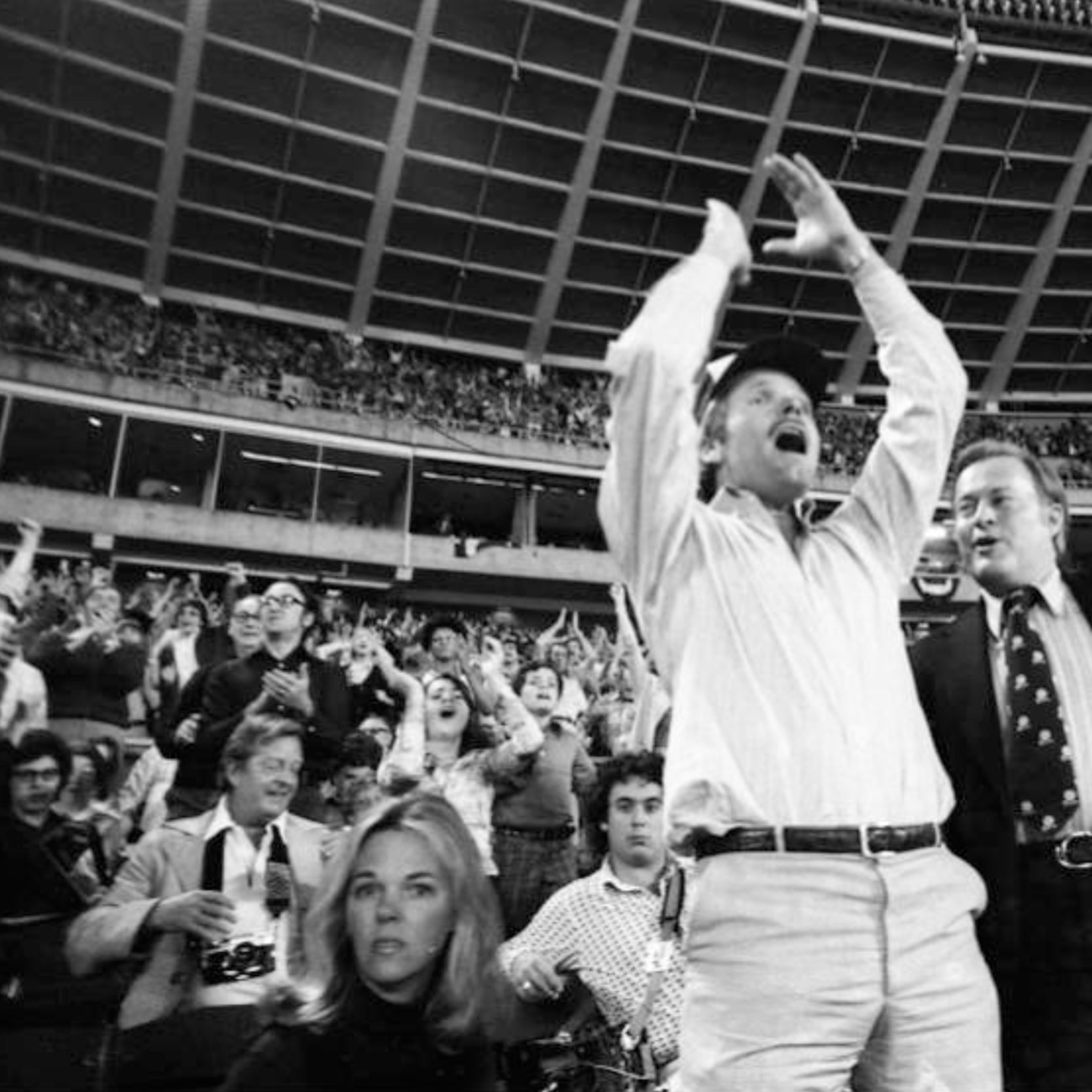
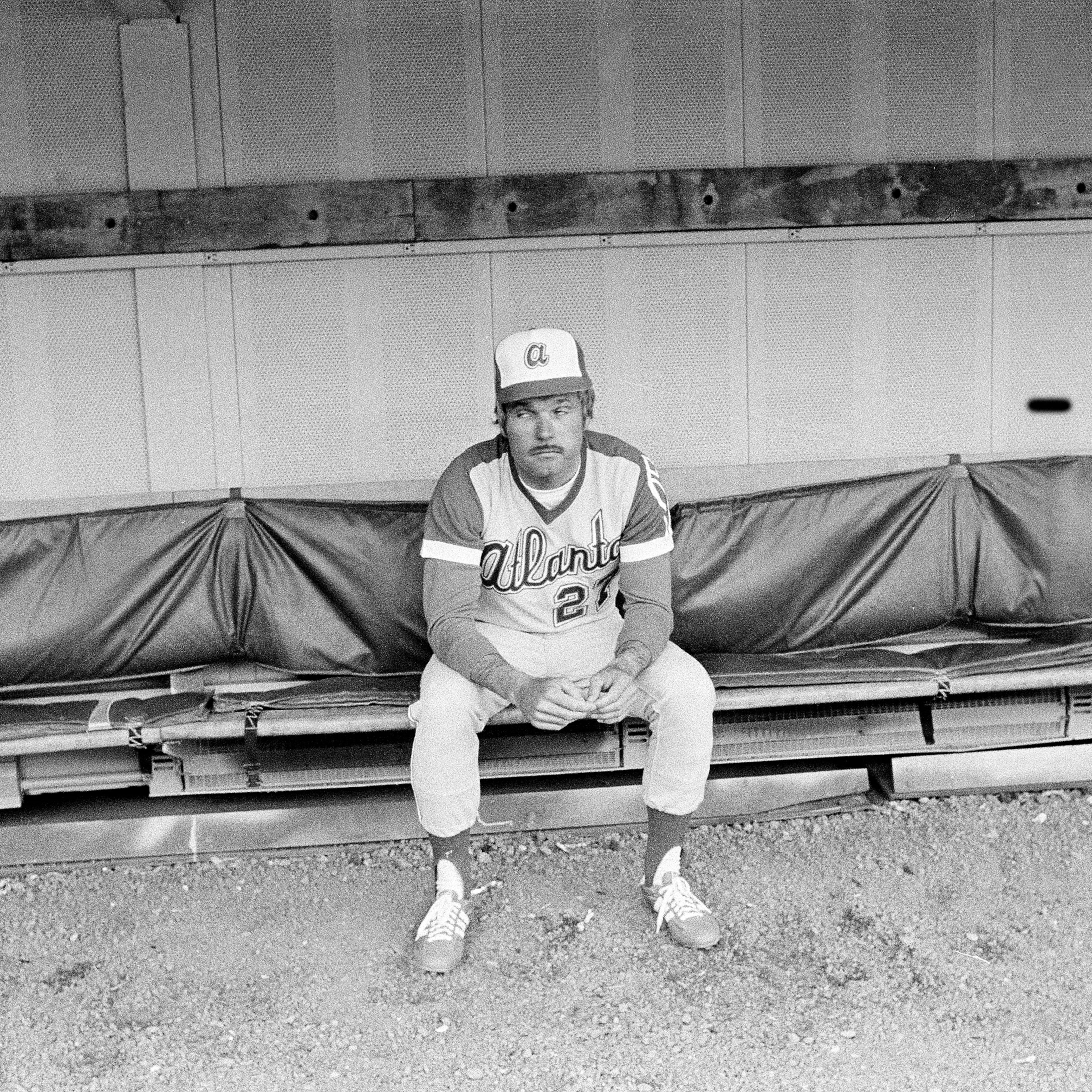
Turner purchased the Braves in 1976, setting the stage for an unprecedented run. A few years into his ownership, the Braves were broadcast across the country on the TBS Superstation, turning them into a national brand.
It changed how fans consumed baseball and media; a once-preposterous notion became revolutionary in its execution. It also created generations of Braves fans from Maine to Texas to Oregon. The winning helped, too — and Turner was an indelible part of it.
A vivid personality, Turner’s fingerprints are all over the Braves and MLB throughout the 1980s and 1990s. Turner brought in numerous key individuals — including Bill Lucas (the game’s first Black general manager), Bobby Cox and John Schuerholz, the latter two Hall of Famers — as he oversaw the Braves’ ascension.
The team won the 1995 World Series as the highlight of a 14-year run atop its division (1991-2005). The Braves won five NL pennants and employed a bevy of Hall of Famers over that time: Cox, Schuerholz, Chipper Jones, John Smoltz, Greg Maddux, Tom Glavine, Andruw Jones and Fred McGriff.
Turner’s ownership oversaw historic transactions such as hiring Lucas, drafting Jones No. 1 and signing and/or retaining numerous core players, building Turner Field and enabling a player-friendly culture that the Braves still consider a foundation. They notably developed their core philosophies — including their emphasis on draft and development, and their focus on pitching — under Turner.
Turner was a very involved owner — often too much so, though his meddling and brashness were part of his charm — but he finally relented to Cox and Schuerholz, and his trust was rewarded. Turner’s conviction, boldness and appetite for winning continue to make him among the most illustrious owners. He wasn’t just the overseer and bank roller; the Braves followed his lead as a franchise, developing an identity and an organizational expectation to win that had previously eluded them.
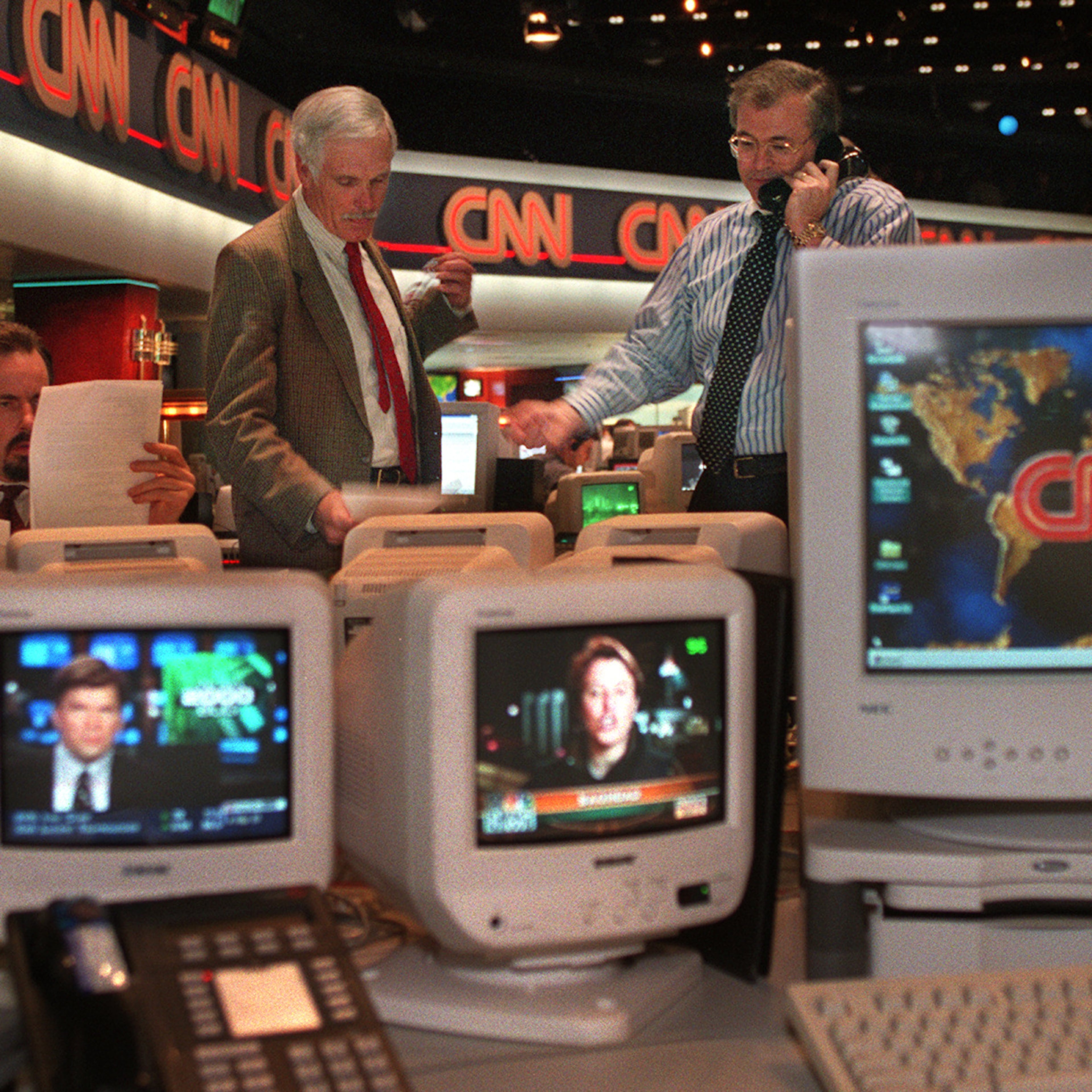
But his Hall of Fame case centers as much on his media impact. Consider that Turner went from broadcasting a very small number of games — for a bad team — early in his ownership tenure to making the Braves appointment viewing in homes around the country. Turner played a pivotal role in expanding MLB’s brand while opening the door for its expanded media coverage in the decades that followed.
While the Braves are long removed from their TBS days, MLB on TBS continues today, broadcasting marquee regular-season matchups throughout the season, along with multiple postseason series. This year, that included the American League Championship Series between the Rays and Guardians.
MLB Commissioner Rob Manfred shared the following on Turner following his death:
“Ted Turner was a visionary whose impact on the media landscape transformed how fans experience sports. Through his leadership, the Atlanta Braves reached millions of households nationwide on TBS, helping build a legacy of sustained excellence that included the franchise’s first championship in Atlanta with the 1995 Braves.”
Retired manager Dusty Baker, who played for the Braves (1968-1975) and has numerous ties to the franchise, including his well-documented friendship with Hank Aaron, is also on the ballot. He was a three-time manager of the year and two-time All-Star as a player. Baker, 77, managed the Astros to the 2022 World Series title one year after the Braves defeated them in the Fall Classic.
Also on the ballot: managers Bruce Bochy, Joe Maddon and Lou Piniella; general managers Sandy Alderson and Brian Sabean; and player, broadcaster and National League President Bill White. A historical overview committee of baseball historians and writers, including former AJC Braves beat writer David O’Brien, selected the ballot.
The 2027 Hall of Fame class will be inducted July 25 in Cooperstown, New York. Anyone selected by the contemporary committee would join any players voted in by the Baseball Writers’ Association of America, which will announce its voting results Jan. 19.