Georgia’s old political order is gone. Metro Atlanta is in charge now.
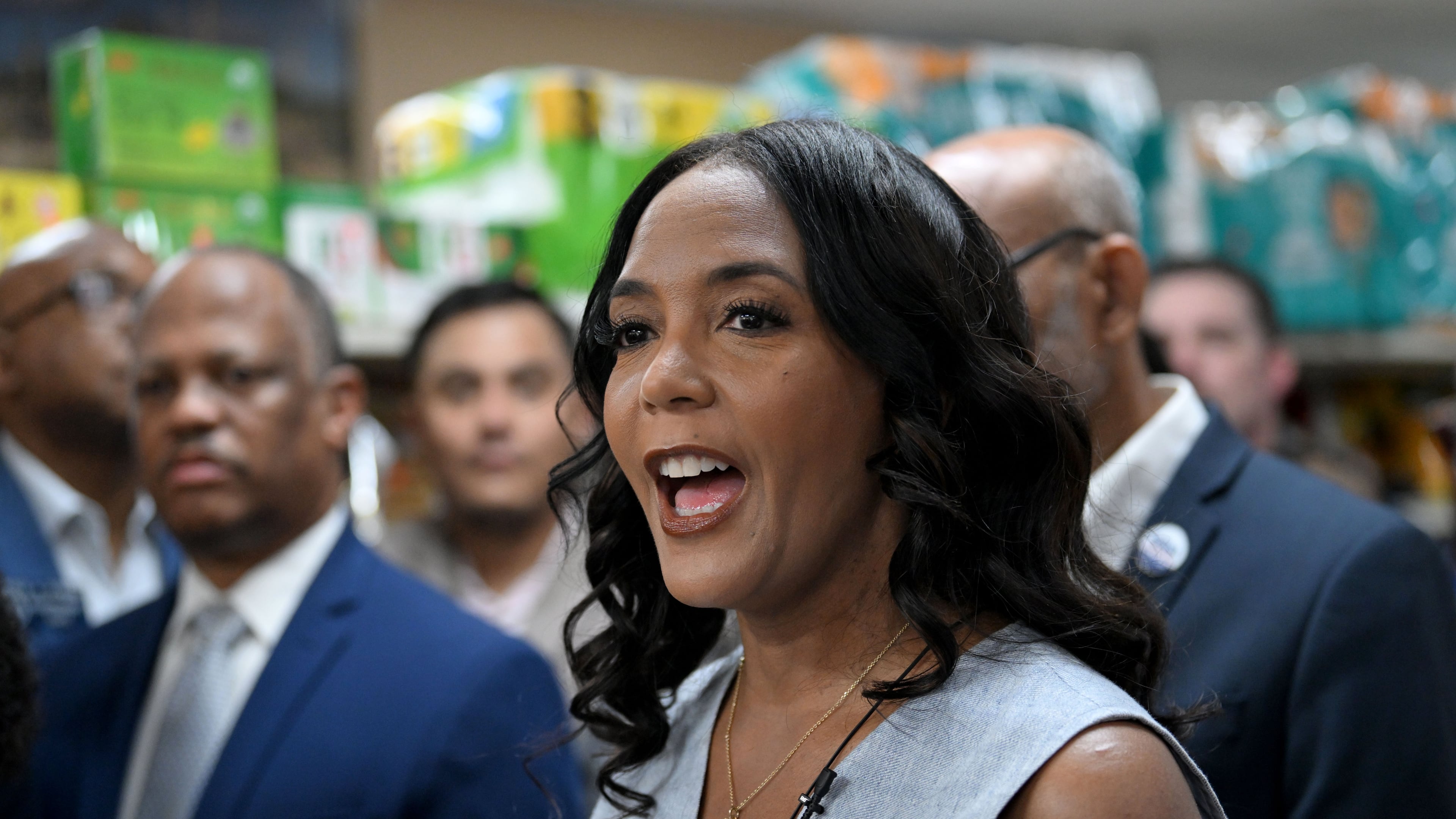

Before Katherine Juhan-Arnold jumped into the race to oversee Georgia’s biggest industry, she invited neighbors to her Snellville home to show them what they could grow in their own backyards.
In January, the Democrat will become Georgia’s agriculture commissioner after trouncing Republican Tyler Harper, a seventh-generation farmer from the tiny town of Ocilla.
Even Georgia’s top agricultural official is from metro Atlanta now.
She has plenty of company. Every incoming statewide constitutional officer comes from Atlanta or its suburbs. Keisha Lance Bottoms will be the first former Atlanta mayor to become governor. Josh McLaurin, the future lieutenant governor, hails from Sandy Springs.
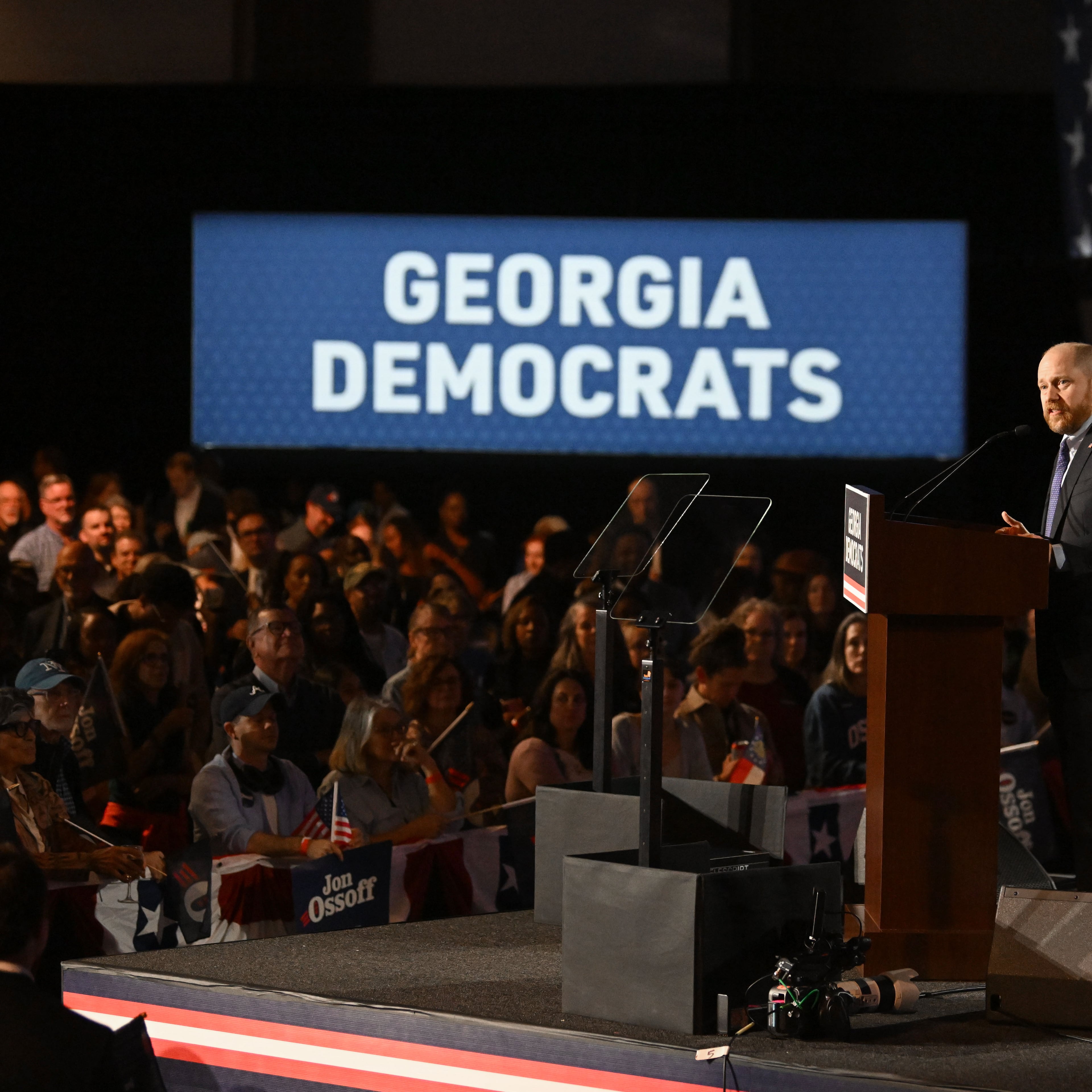
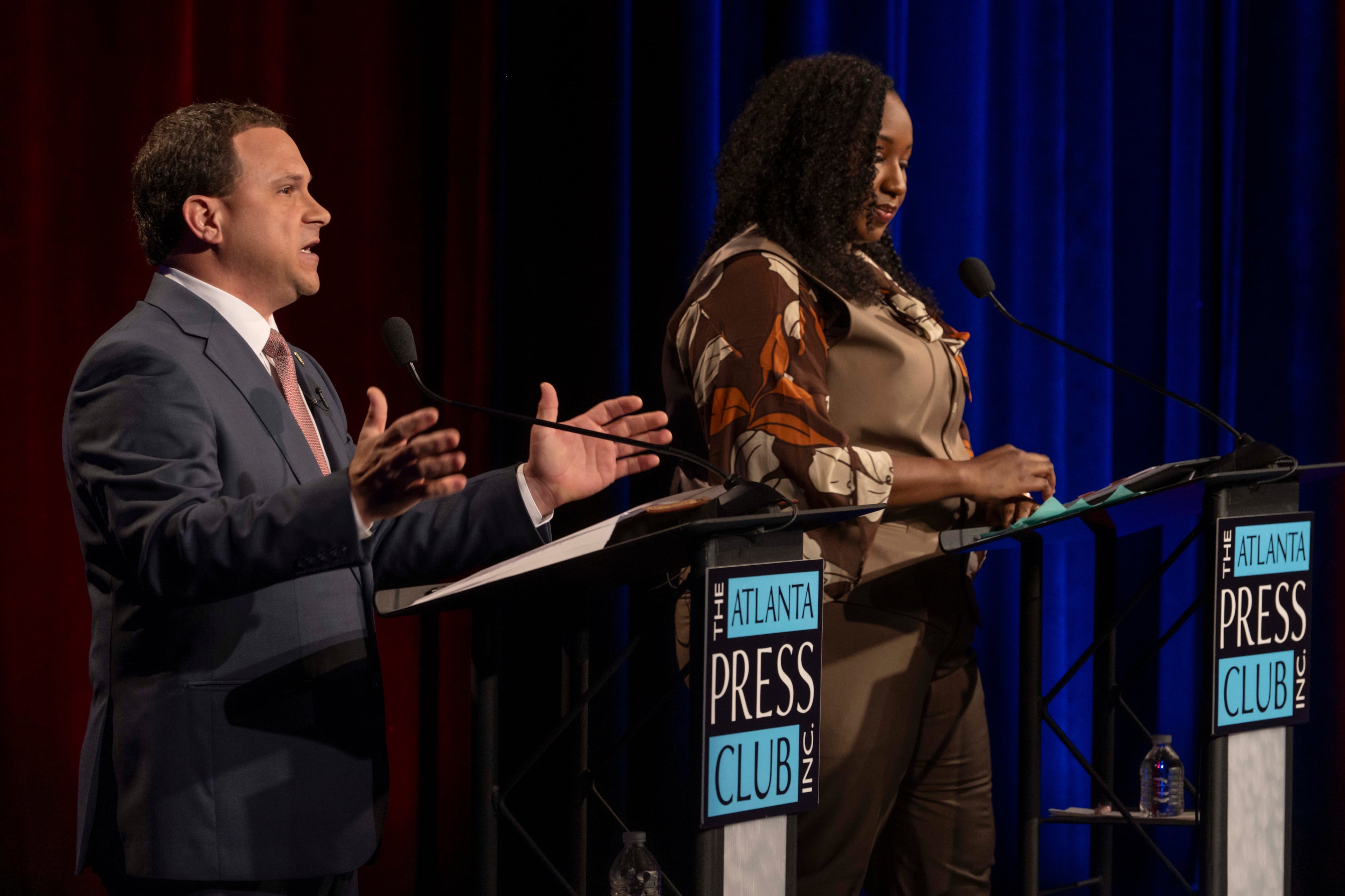
Georgia’s next attorney general and secretary of state built their careers in Fulton County courtrooms. The new leaders of Georgia’s insurance, schools and labor departments are rooted in the city or its outskirts. And both U.S. senators live inside the Perimeter.
The midterm ushered in a monumental restructuring of Georgia’s political order. When lawmakers return in January, rural Georgia may have less clout under the Gold Dome than at any point in modern state history.
The rapid shift is already generating anxiety in farm country. Agriculture leaders are circulating a petition calling for legislative hearings into Juhan-Arnold’s plans and qualifications for the office, turning her into an avatar for rural Georgia’s frustrations.
“Working for a nonprofit and having a 2-acre garden does not qualify you to run the biggest business in Georgia,” said Mickey Tuck, a longtime GOP activist in Floyd County. “That’s like playing doctor with your baby dolls and then say you are qualified to do open heart surgery.”
Yet not everyone sees the tilt toward Atlanta as a setback for rural Georgia.
Charlie Hayslett, a scholar who has long chronicled the divide between metro Atlanta and the rest of the state, argues that rural communities did little with their enormous influence to reverse decades of decline.
“For the last 20 years, rural Georgia had more muscle than ever, and it lost ground to the rest of the country on almost every measure I track,” he said.
“That’s not all on Republicans. The slide started in the late ’90s,” he added. “But much of it traces straight to decisions made by legislators representing those places.”
‘A learning curve’
The geographic realignment has been building for decades.
Even the Democrats who ran Georgia a generation ago relied on an often-uneasy coalition of Black voters in the cities and white conservatives in small towns and rural counties. Meanwhile, metro Atlanta’s suburbs were among the most reliable bastions of Republican support.
When the GOP captured the Governor’s Mansion in 2002, it built a new governing coalition mixing suburban and exurban Republicans with rural conservatives who abandoned the Democratic Party.
Now that coalition is in tatters.
The suburbs swung decisively toward Democrats, who also strengthened their hold on urban areas. Republicans still dominate rural Georgia, but many of those counties are losing residents. And their political influence was waning far before November’s wipeout.
In 2022, Republicans ran up a roughly 335,000-vote advantage across a collection of small-town and rural counties, according to an analysis by Trey Hood, a University of Georgia political scientist. Four years later, that advantage had shrunk to about 261,000 votes.
The Democratic margin in the urban counties, meanwhile, ballooned from roughly 37,000 votes to nearly 624,000. The bloc also includes cities outside metro Atlanta, but much of the party’s strength came from the region. And Hood expects the gap to widen.
“With so many statewide officeholders hailing from Atlanta along with a large share of their voting constituency, it may be that places outside the Atlanta metro area will become even easier to ignore,” Hood said.
The Republican retreat happened across the map. Democrats unseated Republicans in legislative races in close-in suburbs, made inroads in the exurbs and flipped House seats in GOP-friendly Hall County, Middle Georgia and southeast Georgia.
The result cost rural Georgia one of its most powerful advocates. House Speaker Jon Burns, a timber farmer from southeast Georgia, won reelection but lost his leadership post when Democrats stunningly captured the chamber.
Another rural power broker is headed to the exits, too. Outgoing Lt. Gov. Burt Jones, who hails from the Middle Georgia town of Jackson, said the consequences could reach beyond partisan politics. Even suburban Republicans, he said, often struggle to understand the needs of rural communities.
“It’s no fault of theirs, they just don’t have a good grasp of how small towns work because they didn’t grow up in one,” Jones said on the “Politically Georgia” podcast.
“There’s a learning curve,” added Jones, who lost a bid for governor. “And as that rural number shrinks, their ability to be meaningful and have strong representation is more concerning.”
Atlanta ascendant
For Atlanta, the reversal could be transformative.
The uneasy relationship between Atlanta City Hall and the statehouse has long been one of the oldest sources of friction in Georgia politics. The two sit just a few hundred steps apart but have often seemed worlds away politically.
That timeworn tension endured over generations for a reason. Politicians from both parties knew they could rev up their rural bases by running against “Atlanta.” But those days seem over. With Bottoms headed for the Governor’s Mansion and the city’s politicians ascendant, the old playbook no longer works.
Atlanta City Council members are already giddy about the possibilities, drawing up ambitious legislative wish lists. Bottoms pledged to establish a dedicated state funding stream for MARTA, a major break from the state’s longstanding resistance to funding the transit system’s operations.

But that doesn’t mean age-old fights between the city and state will disappear. Bottoms will face competing budget demands while guarding against perceptions that she’s favoring her hometown.
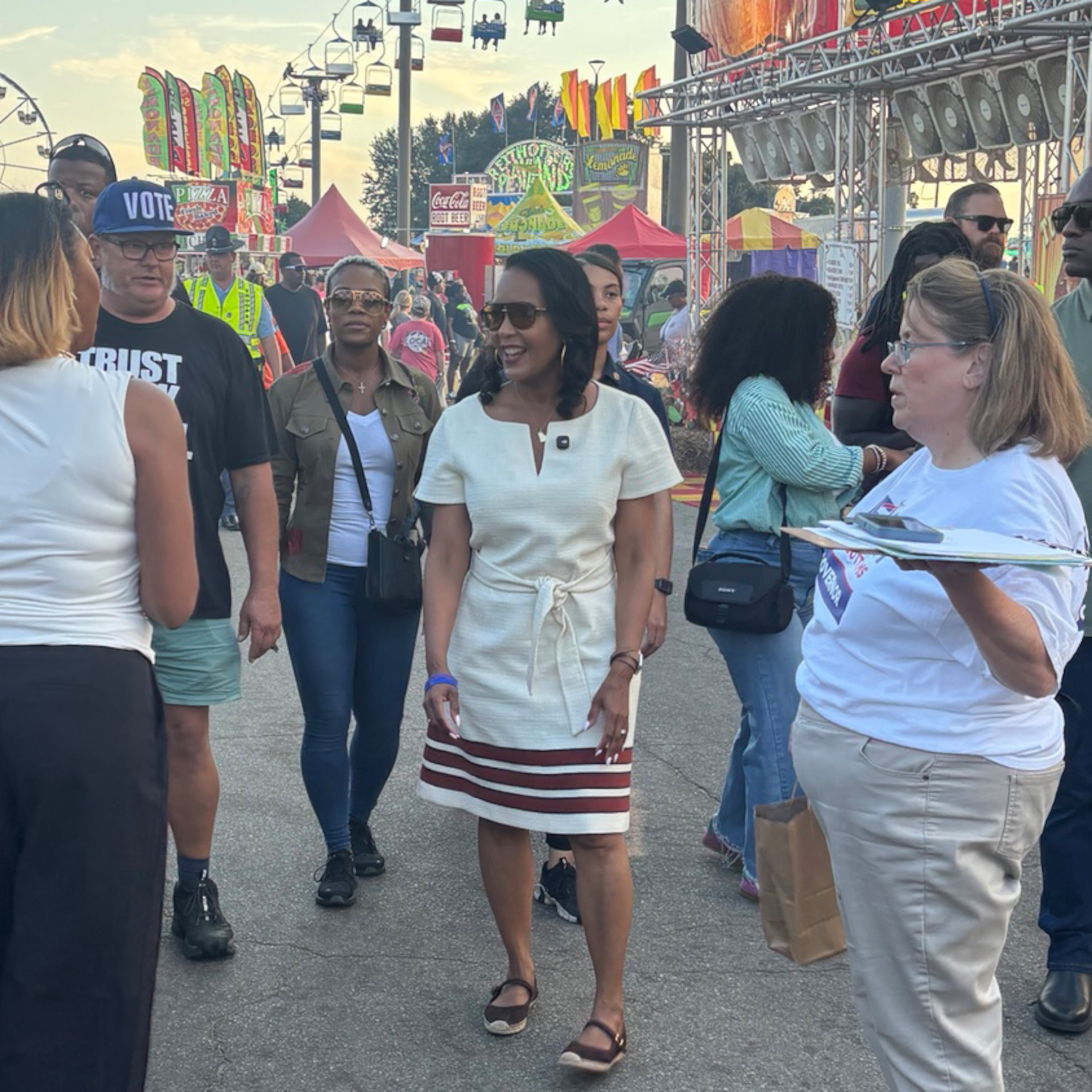
Bottoms was mindful of that challenge during the campaign. She made a point of visiting communities far outside Atlanta, even when she faced criticism from metro Democrats, hoping to “dispel the myth” that she would focus only on the capital city.
“I’ve been elected governor of all of Georgia, the red counties, the blue counties, the purple counties,” she said after her victory. “It’s going to be important for us to work together to find common ground on those things that we are able to agree on.”
The last holdout
Rural Georgia may have lost much of its political clout, but it’s hardly powerless.
For starters, agriculture remains Georgia’s largest industry, generating more than $100 billion in economic activity each year. And rural lawmakers from both parties still hold influential plenty of influential legislative posts.
Rural Republicans remain a powerful bloc in the state Senate, the GOP’s last major foothold at the Capitol. Among them is state Sen. Russ Goodman, a South Georgia blueberry farmer who chairs the Senate Agriculture Committee.
Rural Democrats have a voice in the House, too, where their party holds a close majority. State Rep. Debbie Buckner, until recently the only House Democrat representing a rural district, could be in line to lead her chamber’s agriculture panel.

Buckner recalled how lawmakers from both parties saw this shift coming nearly two decades ago and banded together to form a rural caucus. She said that spirit of cooperation matters more than ever.
“It’s a time for change, but I don’t think it’s a time for worry,” she said. “When the margins are so close, we’re forced to compromise. We have great Democrats and Republicans in rural areas, and it’s all better when we work together.”
Bottoms now faces a challenge of her own convincing rural Georgians that a government led largely by metro Atlanta Democrats can deliver for them, too.
Hayslett sees an opening for her to do just that. He suggests creating a rural czar with a budget and staff, rather than another toothless advisory council, to give those communities a direct line to the governor.
He sees an even bigger opportunity in Medicaid expansion, one of Bottoms’ top legislative priorities.
“She can’t expand Medicaid without two Republican senators,” Hayslett said, a nod to the GOP majority in the state Senate. “But it’s the most important thing she could do for rural health and rural economies, and it sounds like there’s some Republican willingness to get this done.”