How Georgia Democrats flipped the birthplace of the state’s modern GOP
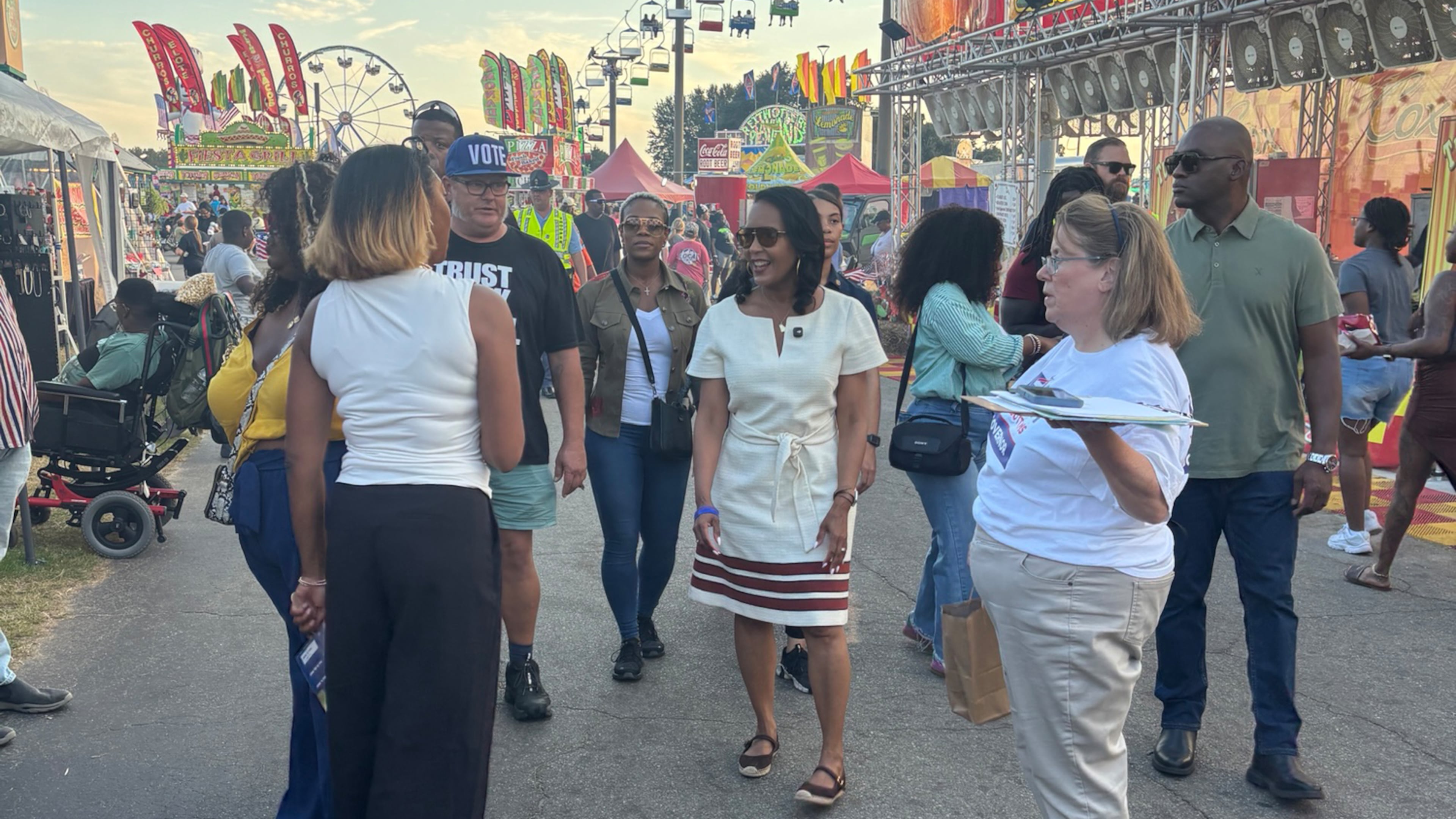

PERRY — Under the dangling carts of the towering Agrilift, near stalls selling jumbo turkey legs and watered-down lemonade, Houston County Democrats made their midterm stand.
Once just a few dedicated volunteers, the party deployed dozens of activists to the Georgia National Fair to try to win over voters in one of the state’s most dependable GOP counties.
For 11 days, they worked the crowds, talking politics with thousands of fairgoers along the midway and building the volunteer network to transform a skeletal county party into an organizing force.
“That was a massive lift for our county party,” said Kristen Kiefer, the Houston County Democratic chair. “And it paid off.”
The result was a stunning political reversal. Houston County, which helped launch Georgia’s modern Republican renaissance, flipped blue in November.
Democratic U.S. Sen. Jon Ossoff carried the county by nearly 9 percentage points. Gov.-elect Keisha Lance Bottoms narrowly won it, too, along with almost every other Democrat running statewide.
In another upset, Democrat Renita Duncan unseated Republican state Rep. Bethany Ballard in a Middle Georgia district that covers parts of Houston and Peach counties.
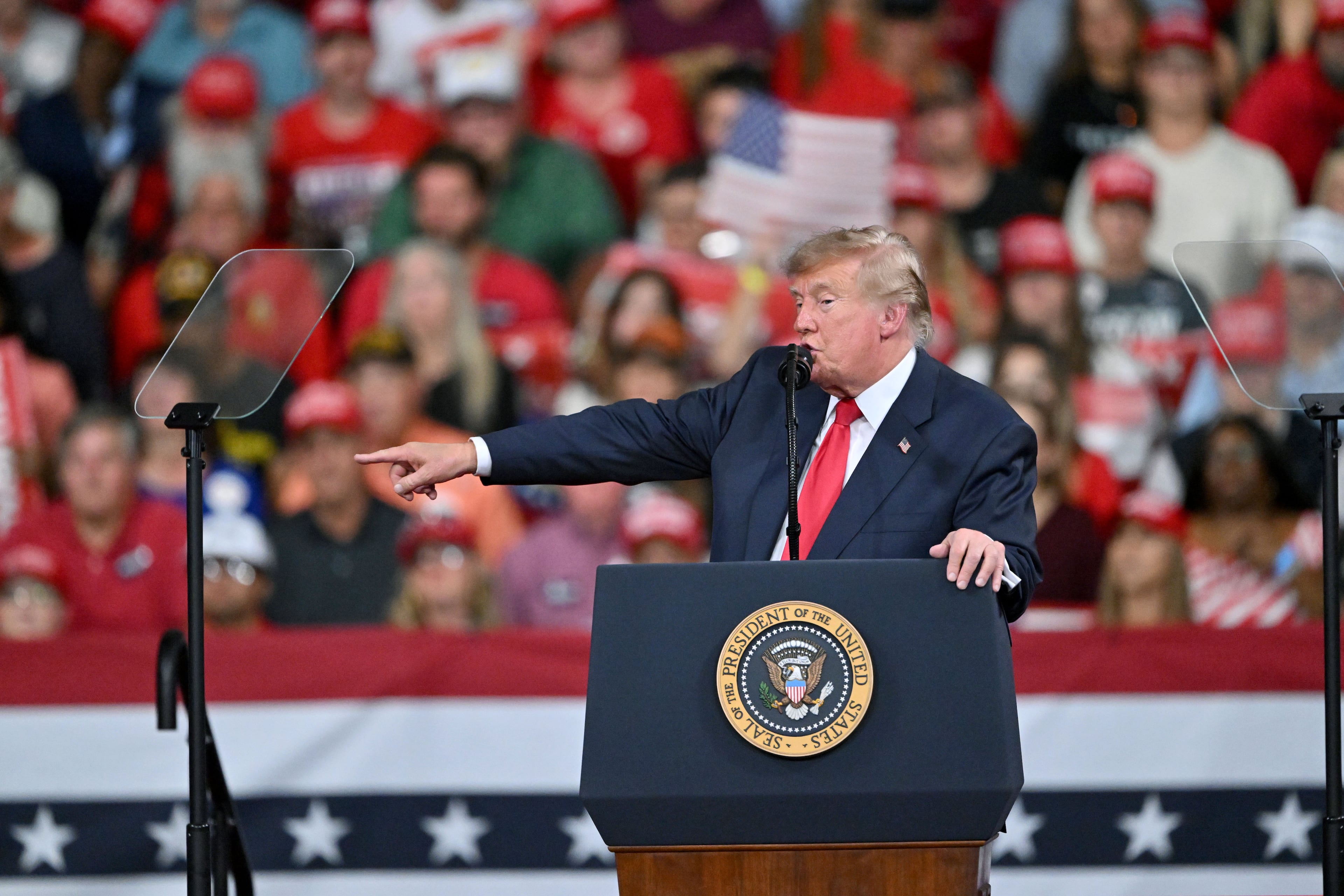
Even a last-minute rally by President Donald Trump, who used the event to announce plans for a $4.2 billion Audi plant in nearby Peach County, couldn’t keep Houston County in the GOP column.
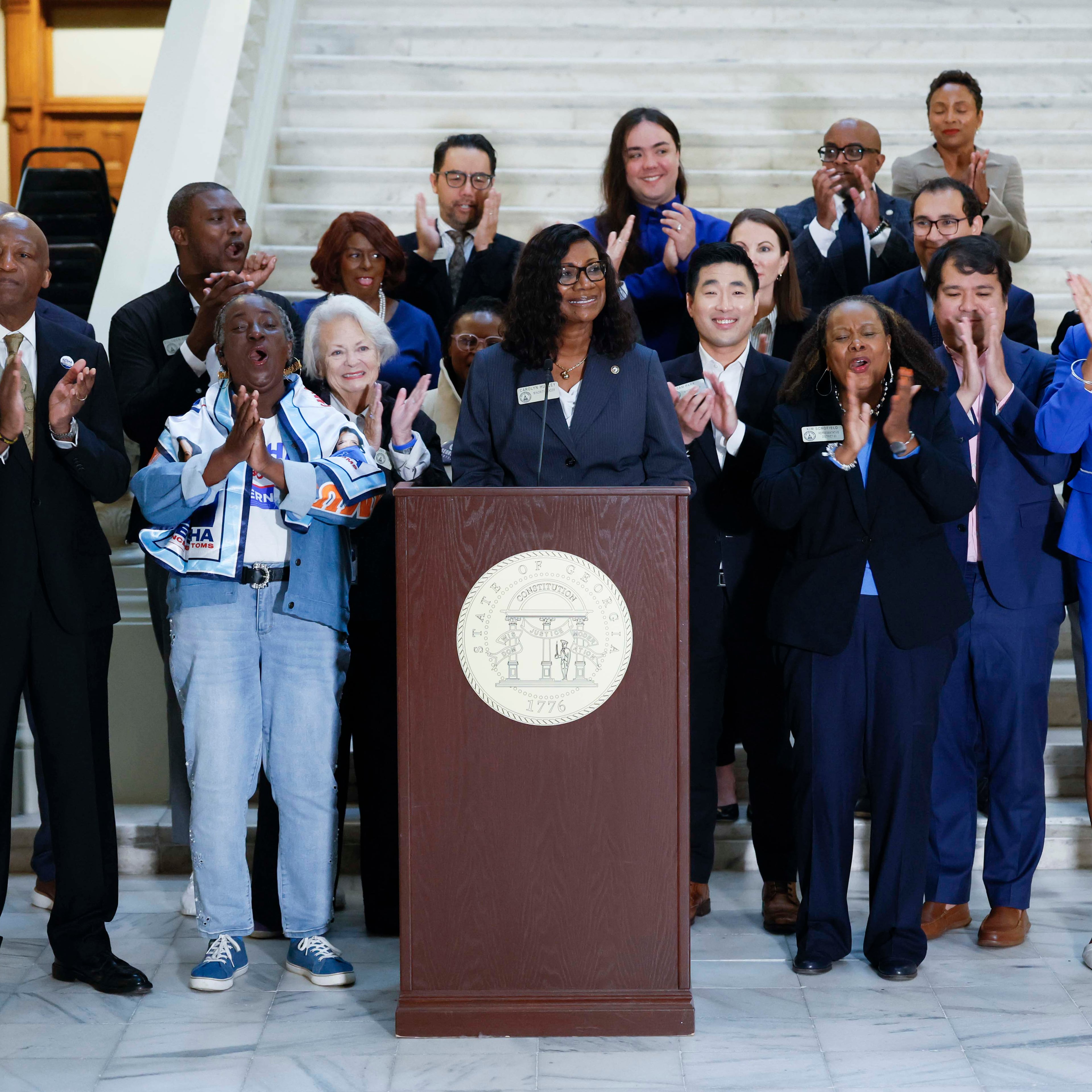
“Let me tell you: We have done the unthinkable,” said Jeanette Allen McElhaney, a Houston County union organizer. “We knocked doors. We phone-banked until people got tired of making calls.”
The results rewarded years of groundwork by local activists who recruited candidates, built networks and kept grinding in places their own party had written off.
It was a standout example of how the party expanded the political playing field beyond metro Atlanta, competing in communities once considered Republican fortresses.
For Kiefer, it was an overnight breakthrough that was years in the making.
“It was a wave,” she said, “and a lot of hard work.”
A fluke or a realignment?
When Gene Degraphenreid plunged into Democratic politics in 2016, the retired Air Force colonel had a problem: He couldn’t find much of a local party to join.
No wonder. Houston County was Sonny Perdue country.
It was here where Perdue started his journey from former state senator to 2002 victor over Democratic Gov. Roy Barnes, a stunning upset that ushered in nearly a quarter-century of GOP dominance.

Perdue regularly romped in his home county, carrying two-thirds of the vote that year, and improving on that margin during his 2006 reelection bid.
Other Republicans followed suit. Gov. Brian Kemp defeated Stacey Abrams in Houston County by more than 18 points in 2022. Trump carried the county by roughly 11 points two years later.
But Houston County wasn’t always a Republican fortress. It had deep Democratic roots, too.
Former Democratic U.S. Sen. Sam Nunn grew up in Perry, where his father was elected mayor. He launched his own political career representing the region in the Georgia House.
In 2014, those competing political legacies collided when Nunn’s daughter, Michelle, faced Republican David Perdue, Sonny Perdue’s cousin, in a U.S. Senate race. The Republican easily won, part of another GOP sweep of state offices that year.

Yet even as Republicans kept winning, there were signs their grip was loosening as Trump reshaped Georgia’s political landscape. Hillary Clinton captured about 38% of Houston County’s presidential vote in 2016. Joe Biden’s share climbed to 43% in 2020, while Kamala Harris inched up to 44% in 2024.
Chris Grant, a Mercer University political science professor who studies Georgia elections, sees both a temporary backlash against Republicans and signs of a more lasting political shift.
“It’s both a fluke but also a sign that things are changing in Houston County,” he said.
Slow burn
Houston County was changing. Its population ballooned by about 40,000 between 2010 and 2025, fueled by growing Black and Latino communities. Nearly 20,000 of its residents are veterans, reflecting the outsized influence of Robins Air Force Base.
Local Democrats, however, had a lot of catching up to do.
In 2020, Kiefer was printing campaign slate cards in her living room, with little help from statewide campaigns focused on more competitive battlegrounds.
“We were still outside the circle of the coordinated campaigns. We weren’t a priority county,” she said.
Local Democrats started small. They recruited candidates for city offices and school board seats, building an apparatus one race at a time.
The first breakthroughs came in 2021, when LaRhonda Patrick ousted an incumbent to win the Warner Robins mayor’s race and Derek Mack captured a City Council seat. More victories followed in school board contests in 2022 and 2024.
Although the races were nonpartisan, they gave Democratic organizers a taste of victory — and a growing bench of volunteers.
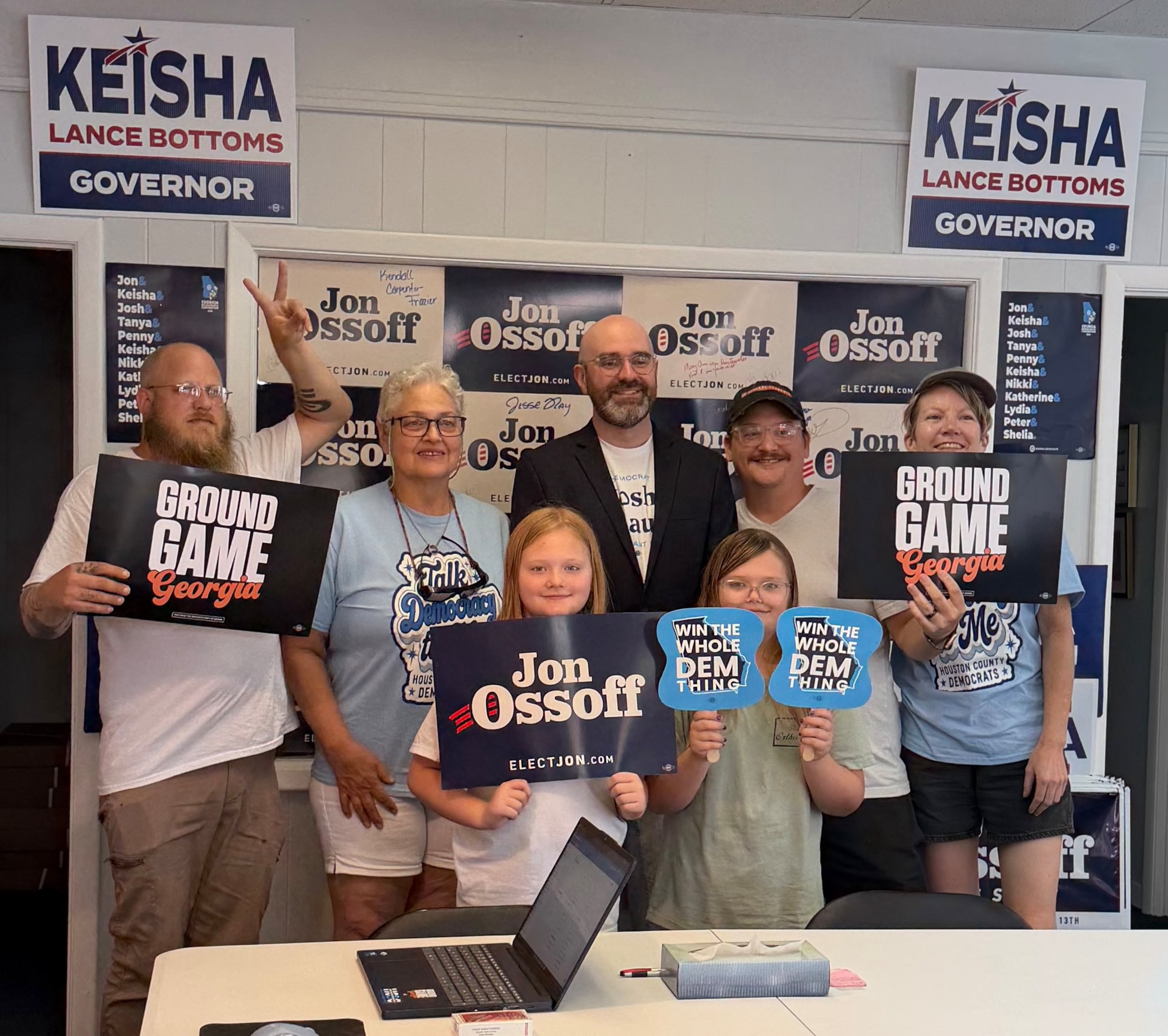
Kiefer wanted to connect Democrats who felt like isolated “blue dots” in a sea of red. She gave volunteers lists of like-minded voters in their neighborhoods. Some formed book clubs. Others organized house parties and regular lunch groups.
She called it the “knock your block” program. The pitch was to turn a checkerboard of scattered supporters into a community that stays engaged beyond the next election.
Other Democrats started paying attention.
Lt. Gov.-elect Josh McLaurin stumped there in July 2025, the first statewide contender to make the trip that cycle, according to local organizers. Others followed, including Ossoff, who drew a boisterous crowd to a local church in February.
The state party began investing more, part of a broader push to compete in places Democrats had long neglected.
“I said when I ran for chair we’re going to fight everywhere for every seat we can,” state Democratic Party Chair Charlie Bailey said in an interview with the AJC’s “Politically Georgia” podcast. “We’re not going to win them all, and we didn’t this time. But we won a lot more than we lost.”
The fairground strategy
In 2022, Democrats returned to the Georgia National Fair after years away, staking out a spot along a crowded Midway where hundreds of thousands wandered by each October.
By this year’s fair, the political competition ratcheted up.
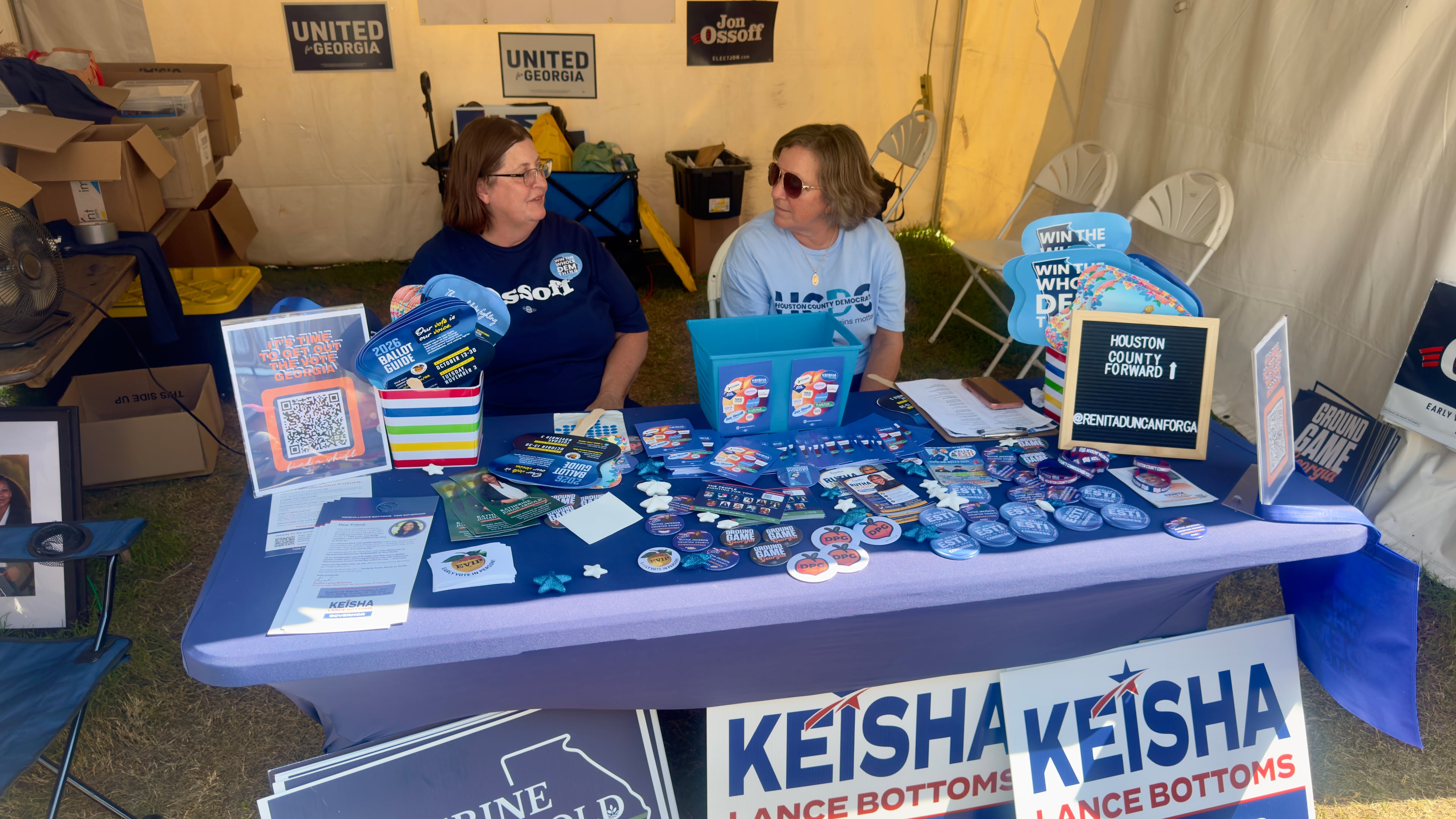
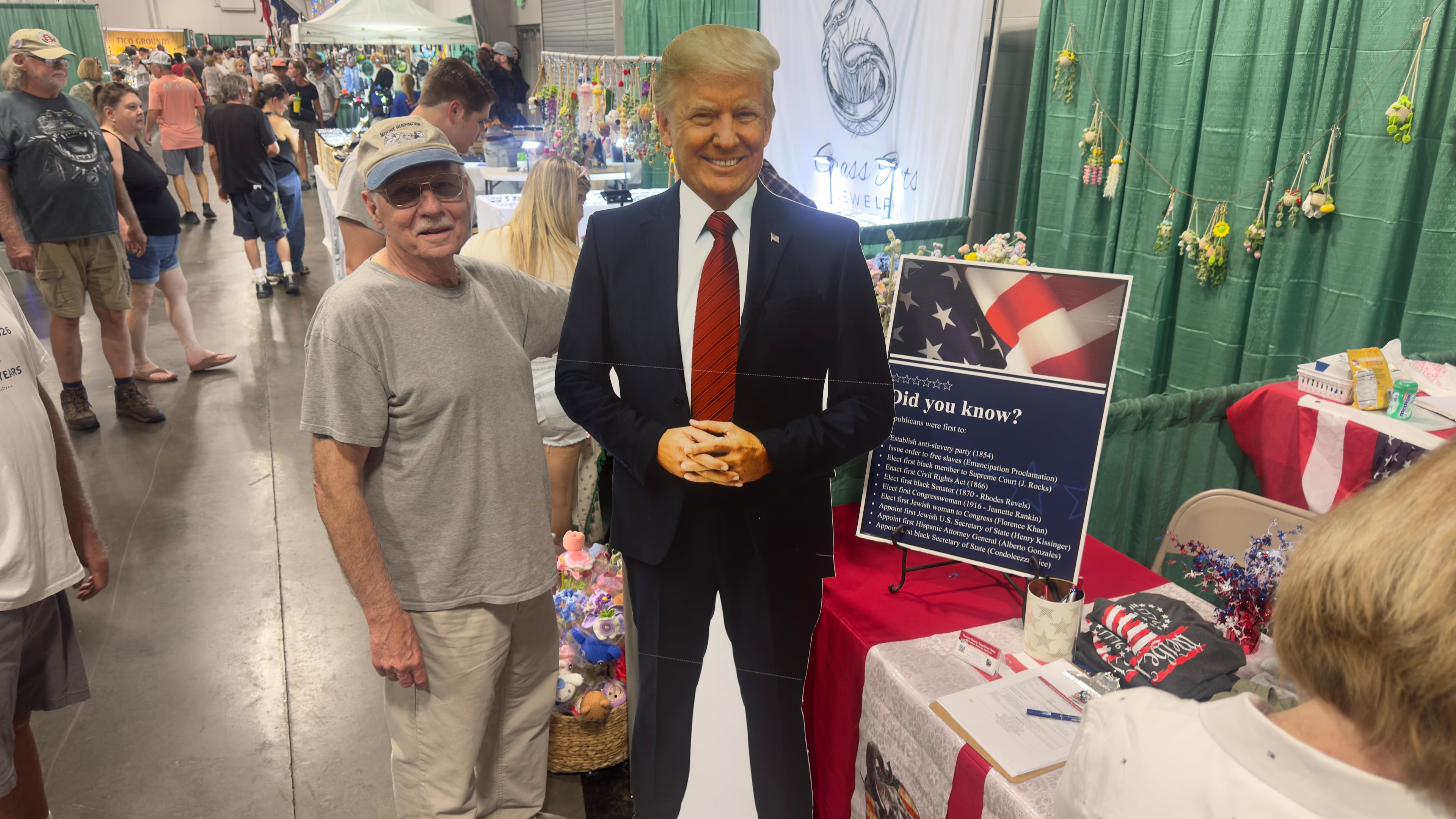
Republicans manned a booth featuring a life-size cardboard cutout of Trump. A short stroll away, Democrats handed out campaign leaflets and Ossoff T-shirts as smoke from the nearby turkey-leg stand wafted past their tent.
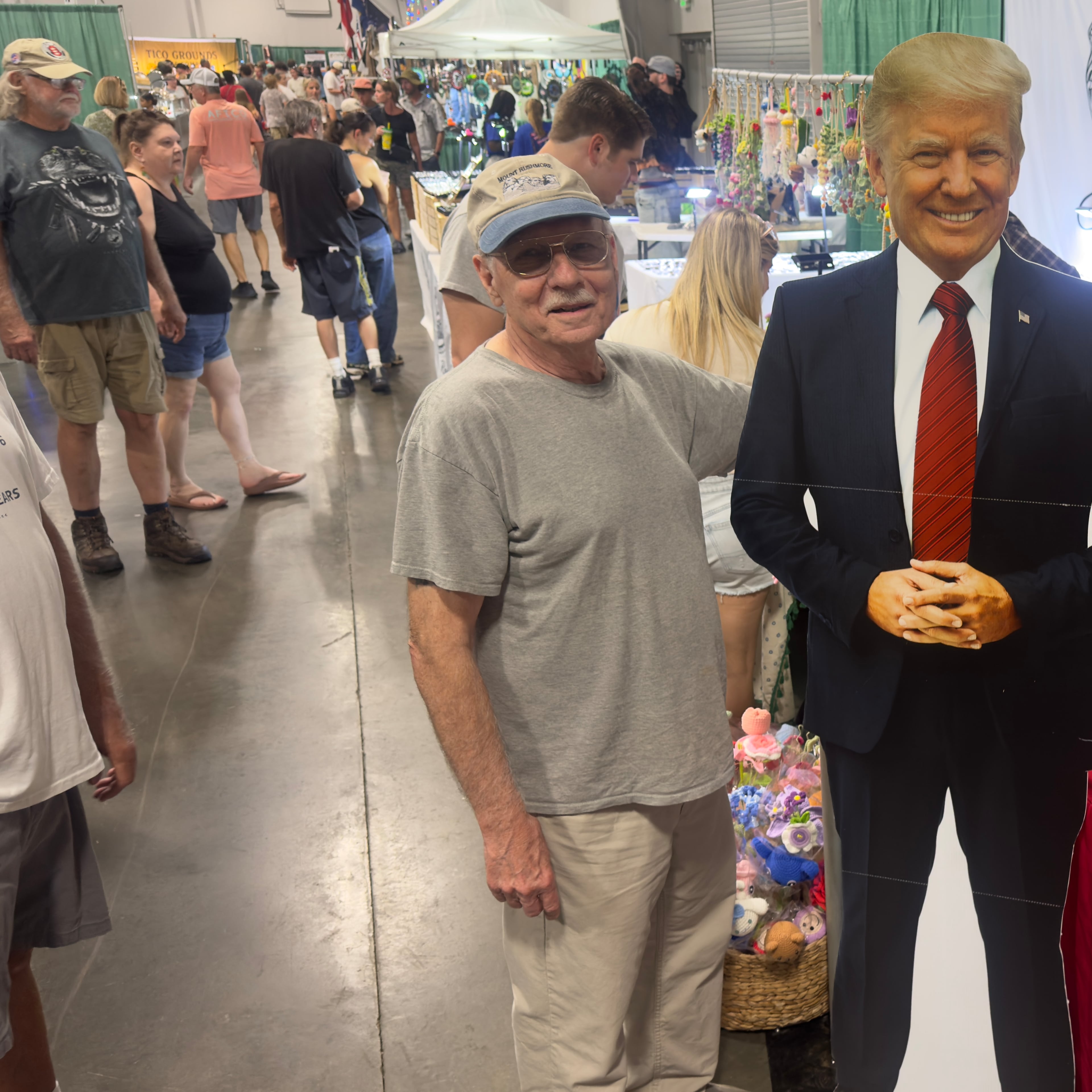
Some visitors were enthusiastic. Others kept their distance. But for a county party that once struggled for attention, the fair became a new staging ground to reach voters.
“It helped us grow our volunteer base more quickly,” Kiefer said.
The work didn’t end when the fairgrounds emptied. Degraphenreid, now the county party’s first vice chair, said volunteers rang nearly 7,000 doorbells and made thousands more phone calls.
For a man who once struggled to find any local Democrats, the turnaround was head-spinning.
But Degraphenreid also acknowledged the growing army of volunteers was only part of the equation. The other was a backlash against Trump that whipped up even some of Houston County’s conservative voters.
“A vote for a Democrat was a vote against Donald Trump,” he said. “And Republicans just didn’t work as hard as Democrats did. They thought they were going to win.”
‘We chose to ignore him’
Even Republicans who survived the Democratic wave had a scare.
County Commissioner Shane Gottwals, who cruised to victory four years earlier, barely held off Democrat Rutha Jackson this time.
“To win four years ago by 19 points and then win now by just over 400 votes is a clear indication that Democrats were motivated and put their feet on the ground and got to the polls in amazing numbers,” Gottwals told the Houston Home Journal after his close call.
Houston County is not suddenly some Democratic stronghold. Republicans still control the county commission, chaired by Sonny Perdue’s son Dan, who ran unopposed this year. And the political tides could shift again in 2028.
“We can’t stop working now,” said McElhaney, the labor organizer who is already busy planning ways to keep the coalition energized. “We’ve got to continue staying engaged.”
But Houston County showed what could happen when a Democratic wave met years of organizing and a new playbook for dealing with Trump.
When the president last rallied in Perry in September 2021, Democrats countered with a virtual news conference. A progressive group sent a plane towing a banner promoting Biden.
This time, Kiefer wanted nothing to do with the spectacle.
When Trump returned to Perry on Oct. 24, local Democrats stuck with the grassroots canvassing they’d been doing for months.
“We’ve seen what giving him attention does for us,” she said. “We chose to ignore him being there entirely. And we hit the doors harder than we ever had.”