Georgia liberal Democrats see momentum behind primary successes
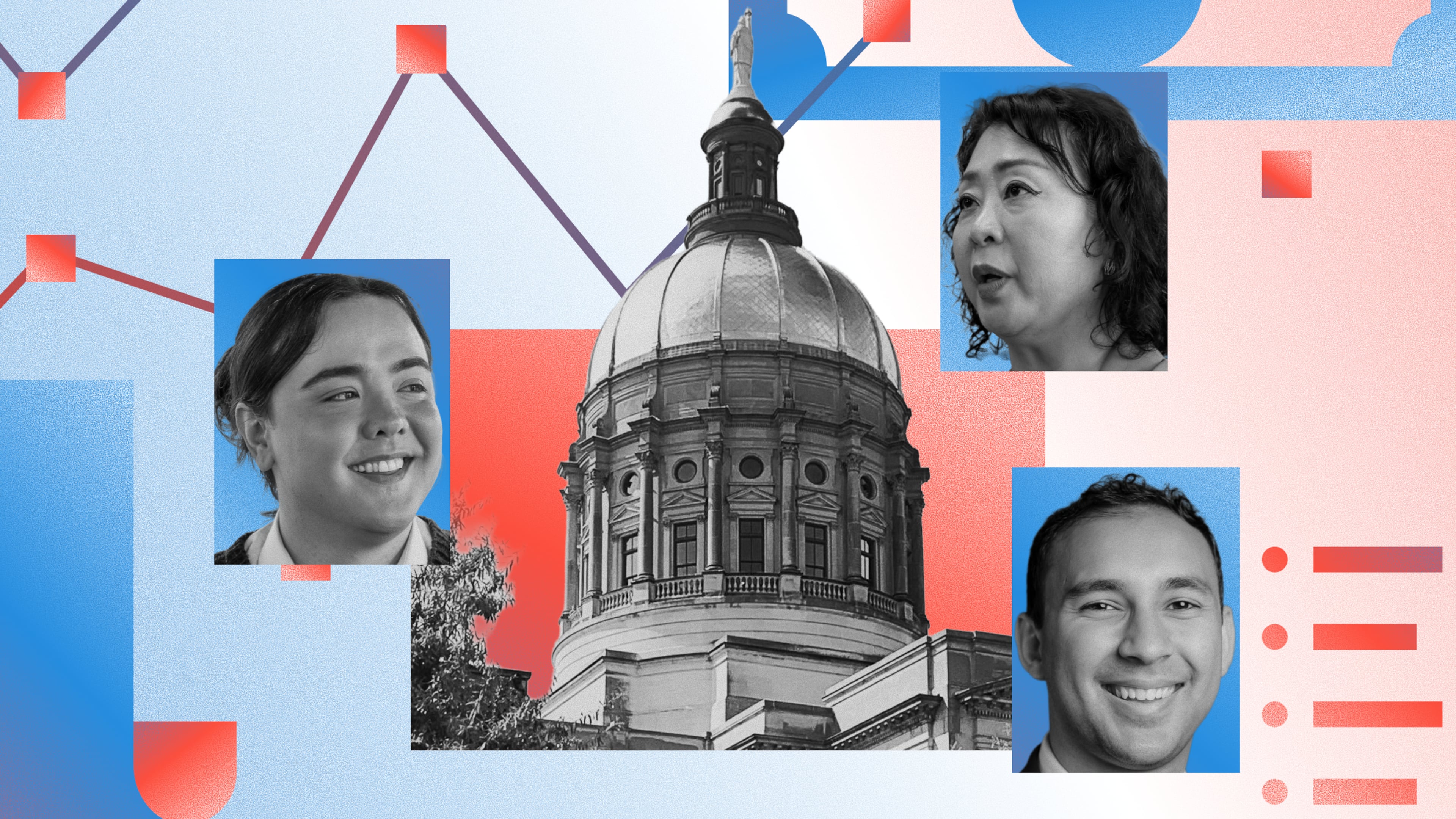
Liberal Democrats are celebrating primary election wins that put their coalition on track to add new voices to the General Assembly — including the state’s first nonbinary and transgender legislator.
Coupled with primary victories for incumbents from the state party’s left wing who fended off more moderate challengers, Democrats are looking to capitalize on voter frustrations and national economic uncertainty to fuel their success. They are even eyeing some Republican-held statehouse seats as possible flips.
Rep. Gabriel Sanchez, the first Democratic Socialist elected to the Legislature in 2024, beat a more moderate challenger by winning more than 82% of the vote in his Cobb County district. He was one of 16 Democratic state legislative candidates endorsed by the liberal Working Families Party, 11 of whom won their primaries.
“When you really look at the overall picture, we’ve done a really good job of showing that people are ready for change,” said Sanchez, who is also a co-chair of the Legislature’s Progressive Caucus established in February.
“You don’t see these insane levels of turnout unless people are tired of the status quo,” he said. “People want to have a government that truly represents them.”

Liberal candidates have adopted Democratic issues like affordability but also are pushing back against dark money fueling campaigns, fighting water-hungry data centers and calling for regulations around investor-owned rental homes that hurt affordable housing initiatives.
Leaders of the Working Families Party say primary successes for their endorsed candidates mean those issues are resonating with voters and that the policies liberal lawmakers advocate for under the Gold Dome are supported.
Six of the group’s successful candidates were incumbents who didn’t draw primary challengers.
“It shows that our message is impactful and that our organizing is impactful,” said Fallon McClure, Southeast deputy regional director of WFP. “We’re coming into our own and creating a lane for people to feel like they have a true political home that’s representative of their values.”
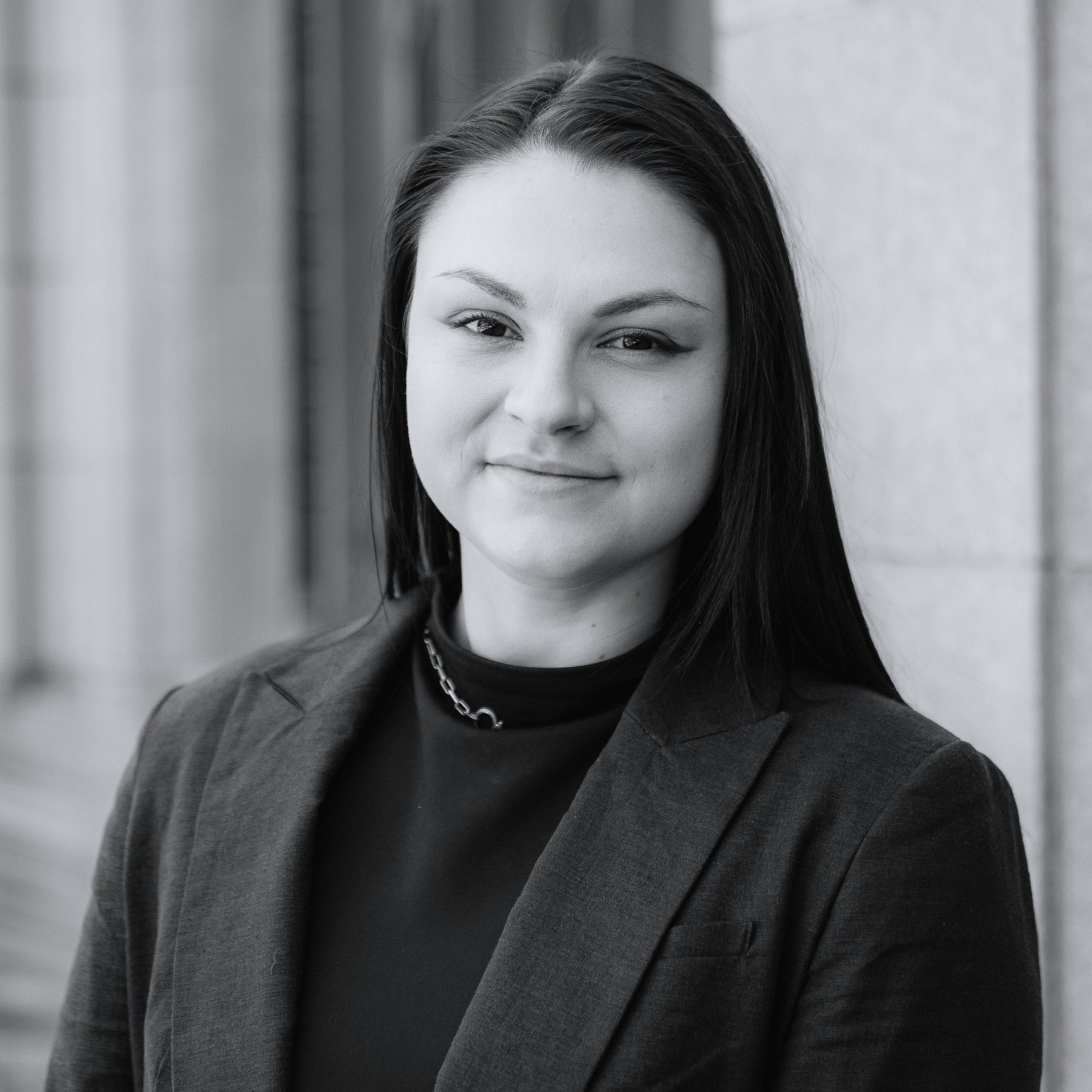
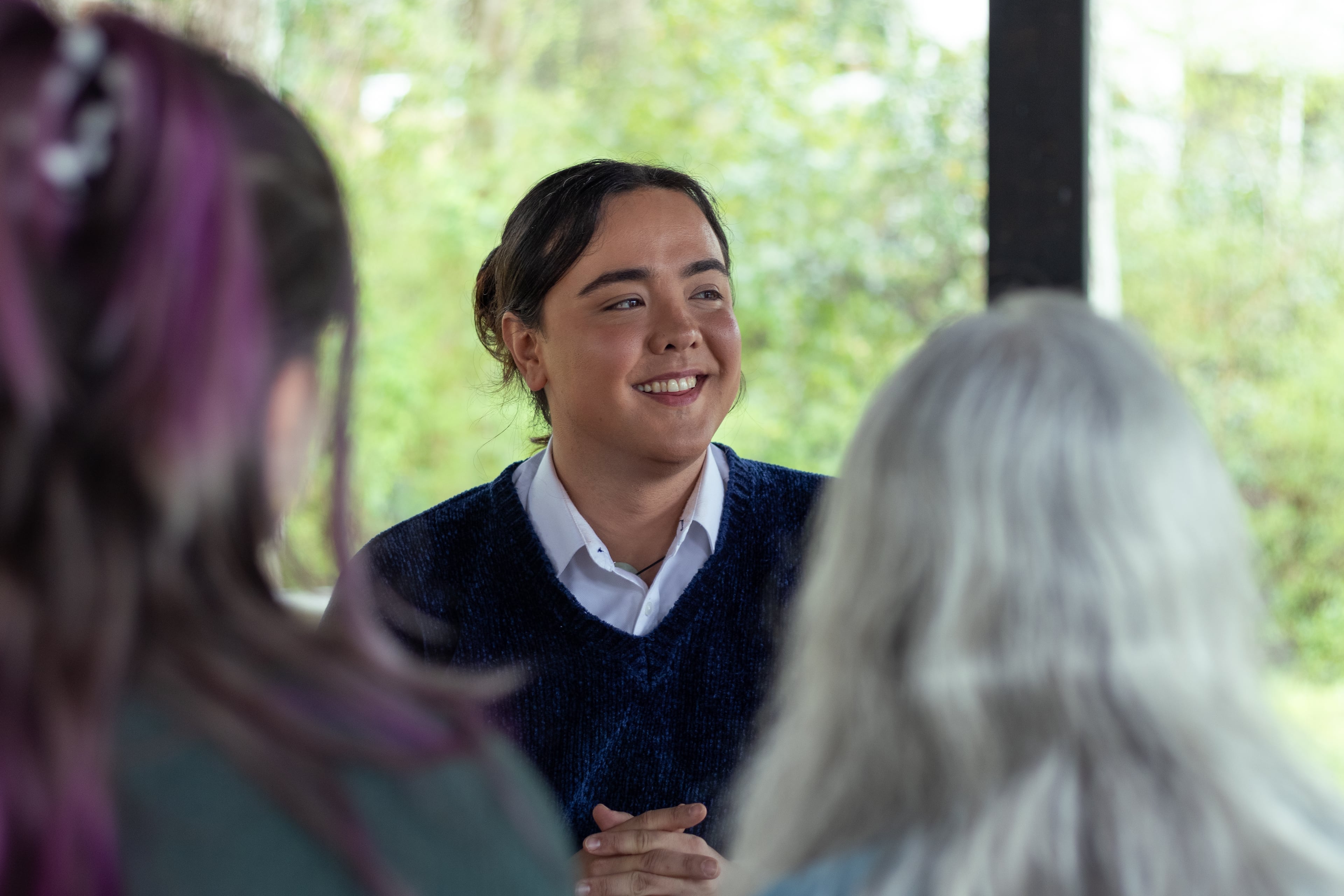
Voting rights activist Bentley Hudgins is on track to become the first Japanese American and first openly nonbinary and transgender person elected to the Georgia General Assembly.
Hudgins — who goes by they/them pronouns — won the Democratic primary in House District 90, a south DeKalb County district that heavily favors Democrats in the general election in November.
“The moral clarity and honesty of progressive candidates is our strength — we’re not hiding behind a bunch of talking points,” they said. “We are grassroots campaigns that are not taking corporate PAC money, that are just knocking doors and being responsive to our neighbors.”
Hudgins argued that the growing cost of living for working families is pushing voters — especially in minority communities — toward more candidates who advocate for liberal policies.
“People are noticing how expensive life is; people are noticing the differences of investment between different communities,” Hudgins said. “And people are noticing that the rights — particularly like Black Americans, people of color, immigrants and LGBTQ+ people — are under attack.”
Also endorsed by the Working Families Party, Democratic organizer Jyot Singh won his primary in Gwinnett County’s House District 97, previously represented by Rep. Ruwa Romman before her bid for state Senate.
Democratic voter turnout soared during the primary, with Democrats casting 190,000 more ballots than Republicans during early voting and on Election Day. The numbers have fueled optimism about the party’s chances of winning statewide seats in November.
“It’s possible that Georgia flips blue in November,” said Atlanta City Councilmember Kelsea Bond. “And if that happens, it will be really important to have progressives at the tip of the iceberg leading fights in the statehouse.”
Last year, Bond — who identifies as nonbinary and goes by they/them pronouns — became the first Democratic Socialist elected to the city council. They pointed to not only the number of left-wing candidates who won primaries but also the number of candidates who decided to launch bids at all.
“It speaks a lot to this political moment and that progressives and young people are feeling emboldened to run for office,” they said.
But political experts are skeptical that more liberal candidates across Georgia will have success beyond primaries.
“One of the challenges that progressives have had — especially in the South and when it comes to big elections — is progressives will win during primaries and they will lose during the general election,” said Tammy Greer, a professor with Georgia State University’s Andrew Young School of Policy Studies.
“Georgia is not a progressive state,” she said. “There may be progressive districts where there’s more acceptance of a progressive candidate, but the challenge that we will continue to have is that the South is not progressive.”
Republicans have controlled the Georgia Legislature for more than two decades, but their majority has grown smaller with each election over the past decade. Liberal Democrats are hoping to further chip away at that majority, but the district where they have the best chance is under threat from a Republican-led redistricting special session scheduled for next month.
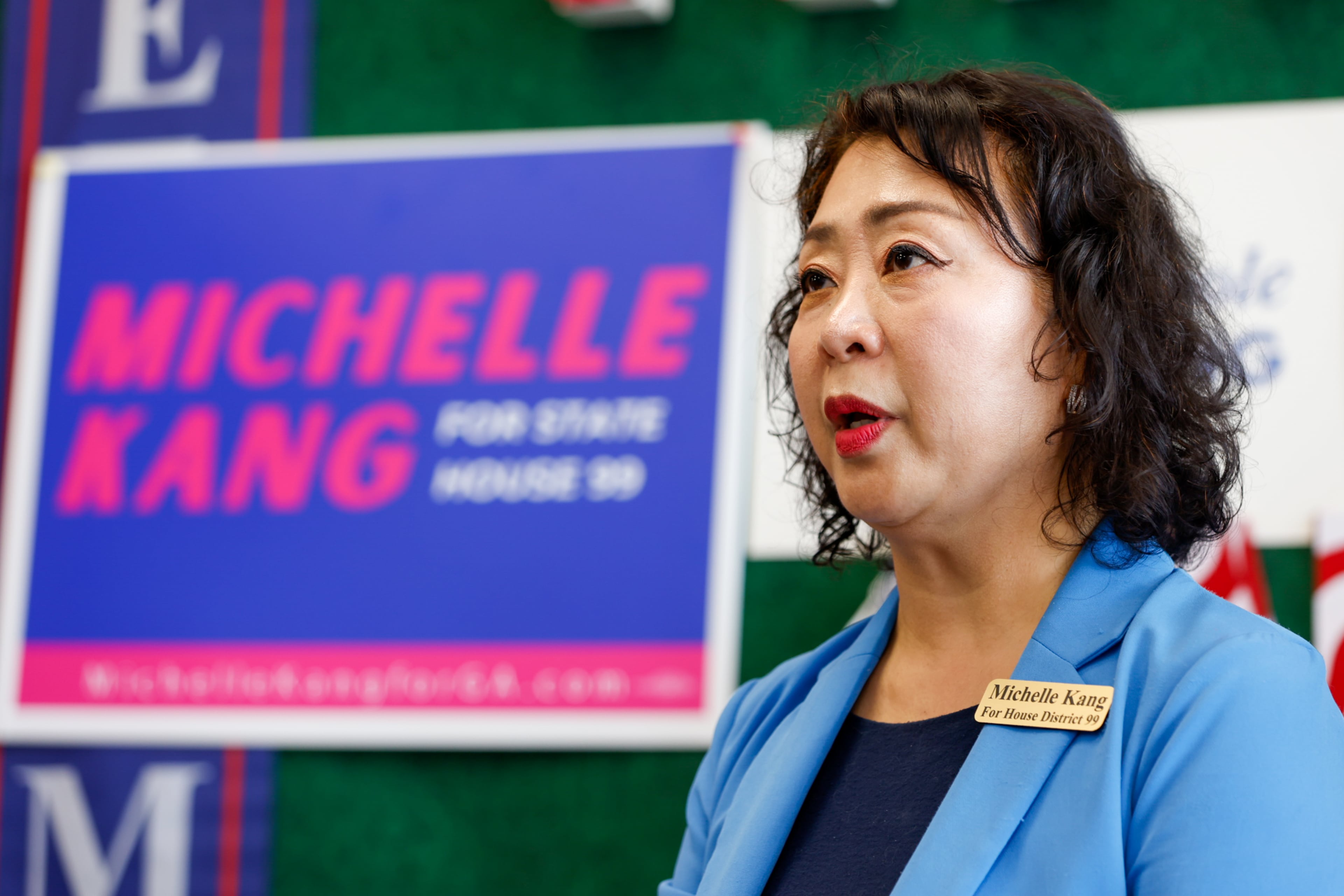
First-generation Korean immigrant Michelle Kang is headed for a rematch in November against Republican Rep. Matt Reeves in a district likely to be targeted when the GOP-controlled Legislature convenes to draw new political maps.
In 2024, Kang came within 621 votes of ousting Reeves in Gwinnett County’s House District 99. Redistricting won’t affect the 2026 election cycle, but it is a likely target for Republicans working to hold onto power in 2028.
“The special session is very intentional,” said Kang, who has been working to educate voters in her area — particularly immigrants — about redistricting. “And their intention is to dilute our voting power.”
Kang’s campaign focuses heavily on pushing back against President Donald Trump’s influence in Georgia. She said voters are “sick and tired of the MAGA-extremist agenda.”
Reeves said he’s confident that Republicans’ focus on affordability and efforts to cut taxes under the Gold Dome this past legislative session will push the party to victory in statehouse races like his.
“I think my constituents know that I’m working for them rather than working for some political agenda from out of state or nationwide,” he said.
Sanchez believes if Democrats have any chance of flipping power statewide or in the Legislature, 2026 is the time to capitalize, but he pointed to a need for the party to pivot its messaging to focus more heavily on the issues of working-class voters.
“The reason that the Democrats are polling so poorly, even worse sometimes than the Republicans, is because people don’t feel that we have been fighting for them,” he said. “We have to change that.”
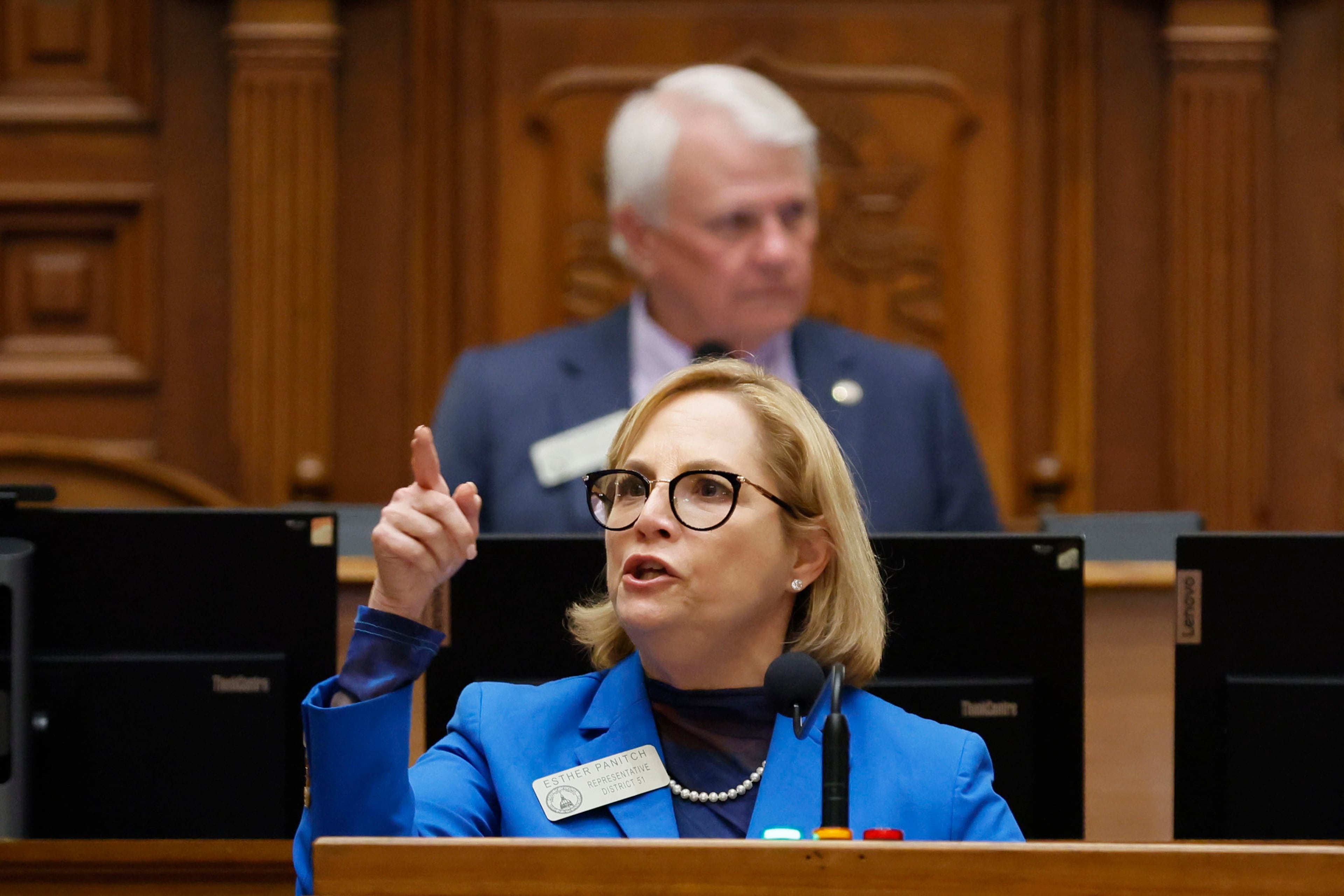
Still, two Democratic Socialist candidates failed to edge out more moderate incumbents in the primary.
In Sandy Springs, incumbent state Rep. Esther Panitch beat a far-left transgender activist in the primary. And in Atlanta, state Rep. Stacey Evans won her primary against another far-left candidate.
Panitch said that more liberal Democratic candidates are “riding on the Mamdani wave,” referring to New York City’s Democratic Socialist Mayor Zohran Mamdani.
“Georgia is not New York City; Atlanta is not New York City,” she said. “I’ve fought against extremism, that’s why I ran for office. I just expected it to stay on the right, and what I’ve seen is that it is also very much on the left.
“Until we reckon with it,” she added, “I think the party is going to be tagged by the far left.”