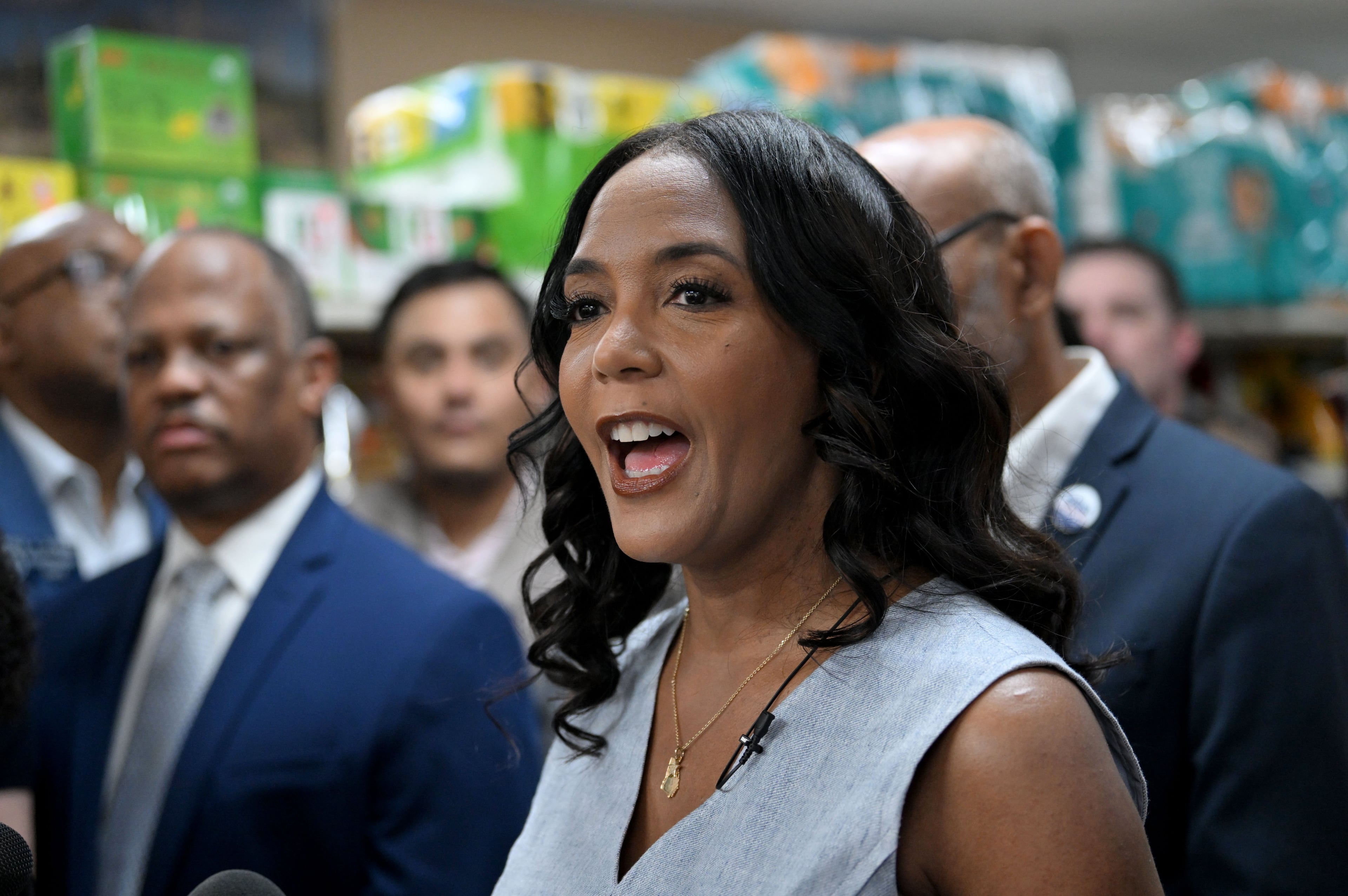
Georgia has avoided a major measles outbreak this year. Will that last?
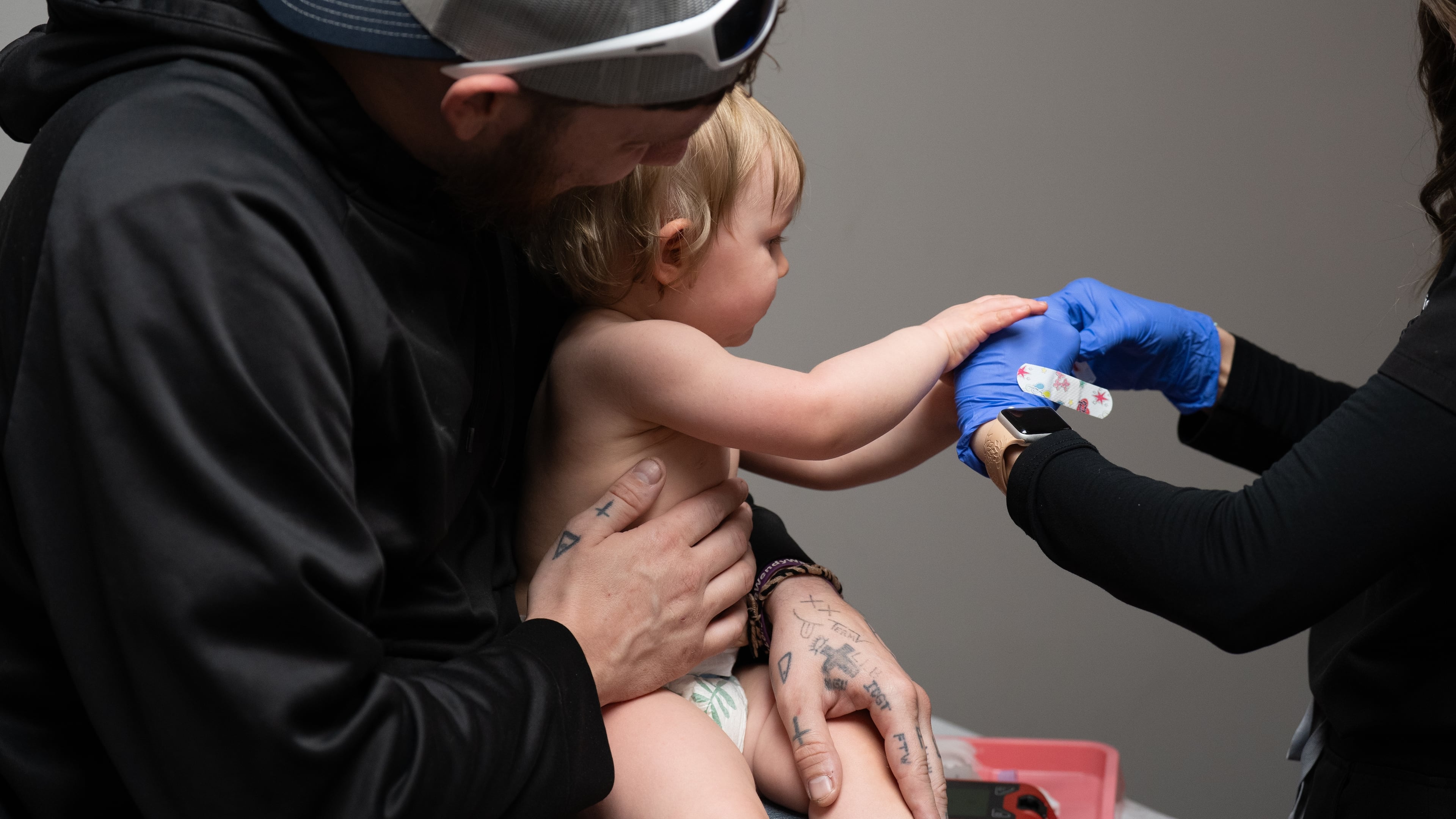

Georgia so far has dodged the measles outbreaks that have ravaged Pennsylvania, Wisconsin and, earlier this year, South Carolina. But infectious disease experts and pediatricians say they’re worried the state could be ripe for an outbreak given years of lower childhood vaccination rates.
“I think Georgia is very much at risk,” said William Matthew Linam, pediatric infectious disease specialist at Children’s Healthcare of Atlanta. “We got lucky being right next door to the big outbreak in South Carolina that it didn’t spill over into some of our communities.”
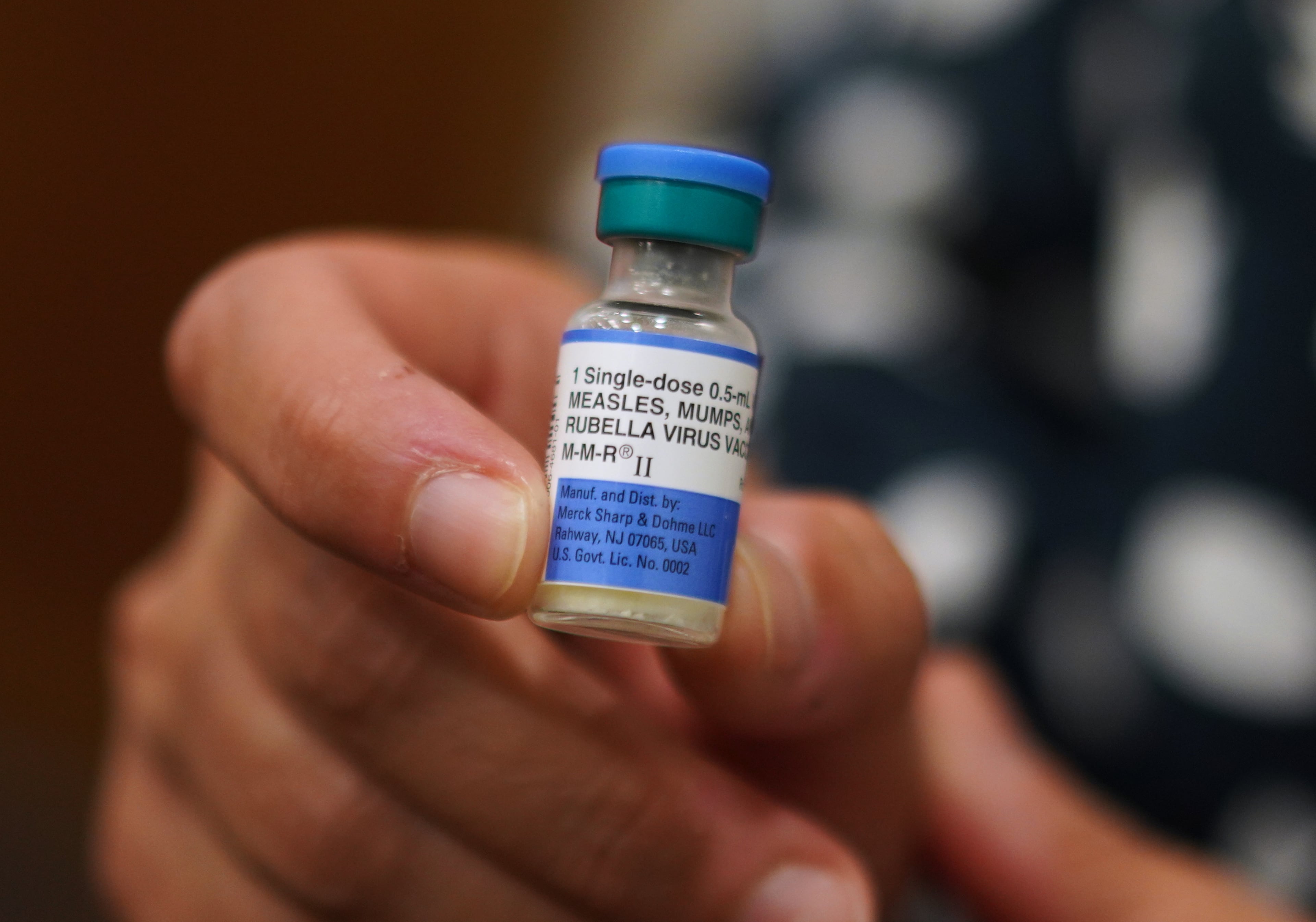
Georgia-based clinicians and public health experts voiced their concern after the Pan American Health Organization announced last week that the U.S. had lost its measles elimination status for the first time since 2000. That means a chain of transmission of the highly contagious virus has continued to spread for at least 12 months. It also suggests that vaccination gaps are large enough to allow the virus to keep circulating.
States have reported nearly 6,100 measles cases so far in 2026, along with 11 measles-associated deaths, according to a tally from the Johns Hopkins Bloomberg School of Public Health. Roughly 96% are among people who are unvaccinated or have an unknown vaccination status, according to the Atlanta-based U.S. Centers for Disease Control and Prevention.
Georgia’s Department of Public Health has confirmed 28 measles cases in the state so far this year. Ten were tied to a metro Atlanta daycare, and a more recent outbreak in Macon County was linked to contact with an infected Pennsylvanian.
While officials have been able to identify patients and encourage them to isolate to stop the virus’ spread, Georgia’s caseload in 2026 is almost triple last year’s — and higher than the last six years combined.
Dr. Cherie Drenzek, Georgia’s state epidemiologist and chief science officer, said the state’s public health infrastructure has been able to handle the recent cases.
“Our epidemiologic capacity in Georgia is strong,” Drenzek said, but she added that “it’s not infinite,” especially compared to case numbers seen in Pennsylvania.
Falling vaccination rates
Public health experts say it could take years for the U.S. to regain its measles elimination status and will require a unified government response to encourage immunizations. Some say state legislatures will also need to bolster school vaccination requirements and tamp down exemptions, reversing recent trends.
Currently, school-aged children in Georgia can be exempted from the state’s MMR vaccine requirement for medical or religious reasons. Unlike more than a dozen other states, Georgia does not have an exemption for philosophical or personal beliefs.
Still, Georgia’s kindergarten vaccination rate has fallen over the last decade, though it did recover slightly from its COVID-era low.
Roughly 89.1% of kindergarteners in the state received the measles, mumps and rubella vaccine in the 2025-2026 school year, according to the most recent data available from the CDC. That’s well below the 95% benchmark generally needed to create herd immunity protection. (The national average was 92.4%.)
A decade ago, Georgia’s MMR vaccination rate was 94.6%.
“It is certainly a huge concern,” Drenzek said. “We have lower than we should vaccination coverage rates among our kindergarten-age children. So does the nation as a whole. It means that the usual guardrails of having protected, vaccinated individuals are not up like they used to be.”
Georgia’s vaccination rate resembles more of a patchwork than a uniform block.
Forsyth County has the highest MMR vaccination rate for school-aged kids in metro Atlanta, with roughly 94.4% in the 2025-2026 school year, according to data compiled by NBC News. Fulton’s was less than 91%, and the rest of the metro area’s was in the upper 80s.
Also troubling, infectious disease experts pointed out, were counties in North Georgia where vaccine exemption rates topped 20%. That includes Union County, where only 77% of school-aged children had the MMR vaccine, and Fannin County, where one in five children had an exemption.
“We should be very concerned,” said Jodie Guest, an infectious disease expert and Emory University professor, who noted that roughly two-thirds of the state had vaccination rates under the 95% herd immunity level.
Linam, from Children’s, compared lower vaccination rates to dry underbrush that collects in a forest and can quickly fuel a wildfire.
“When you look at the outbreak in West Texas and New Mexico and the one in South Carolina ... (they were) able to sort of spread very, very quickly and kind of overwhelm the capacity of the public health department to get it under control,” he said.
New skepticism
Vaccine hesitancy has been around ever since the first vaccine for smallpox was developed in the late 1700s. But clinicians say it’s been supercharged by the advent of social media, which allowed for the rampant spread of misinformation, and distrust of the medical establishment and vaccine mandates that stemmed from COVID-19.
Dr. Nicola Chin, associate professor in the department of pediatrics at the Morehouse School of Medicine, has been a practicing pediatrician in Georgia for almost 30 years. She said she’s always encountered a small amount of vaccine reticence, but that skyrocketed in the years before and after the pandemic.
“I am seeing parents who have immunized their older children now decline and defer on vaccines for their newborns and their younger children,” she said. “That has been a major shift.”
Linam said he’s seen a similar spike in skepticism from the parents of his young patients, whom he said span the ideological, demographic and religious divide.
“Vaccine misinformation can entangle anybody,” he said. “You can be highly educated but have some preconceived biases and trust the wrong influencers on your social media feed and find yourself thinking that vaccines are dangerous. And you can be someone who’s less educated, same sort of thing.”
He said the type of skepticism he encounters also falls along a spectrum, from parents with a few basic questions that are easy to work through to others who want to space out their children’s’ vaccines — or decline entirely.
Because measles cases have been so rare in recent debates, Chin said she has never encountered it among any of her patients. But she’s worried that could change soon.
CDC vows to regain elimination
At the center of the measles firestorm has been the CDC and its new director, Erica Schwartz.
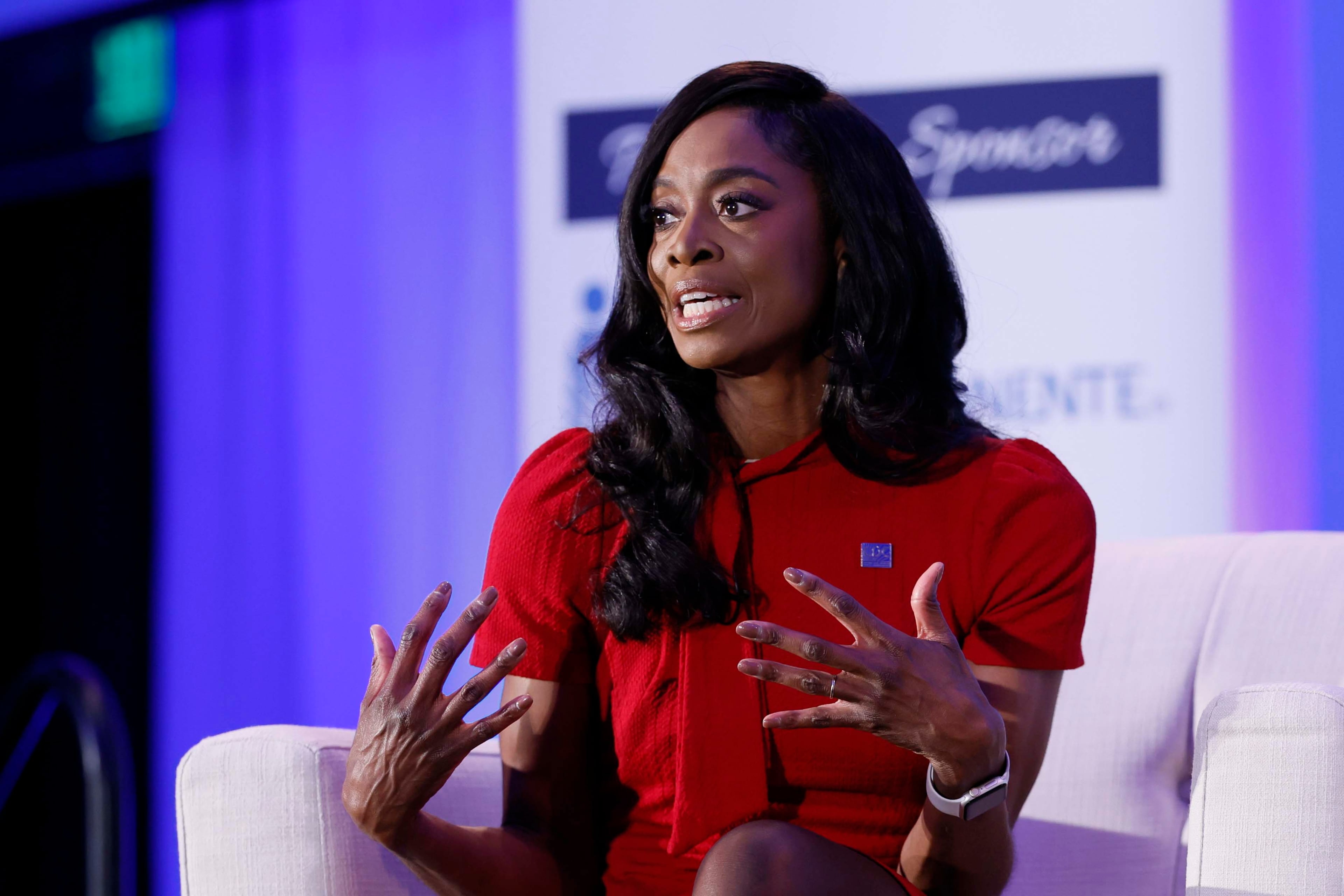
The federal agency has been criticized by public health professionals for its unusual decision earlier this fall to not accept reporting from Pennsylvania’s public health department about its measles-related deaths in the CDC’s official tally of nationwide cases. The agency instead said it would wait for death certificate data, which critics said could lead to monthslong delays and sow doubt.
Last week, senior House Democrats on Capitol Hill accused the CDC of suppressing the total number of national measles-related deaths on its website and described a private briefing Schwartz gave them last month as “evasive,” “misleading” and “woefully inadequate.”
For its part, the CDC said it and its partners “are committed to stopping measles outbreaks, protecting Americans, and regaining measles elimination status.”
“Together, we will encourage MMR vaccination, expand access to vaccines, and help communities close gaps in protection,” the agency said in a statement after the country lost its elimination status. “We will equip state, local, tribal, and territorial health departments with tools and technical support to identify communities at increased risk, engage trusted partners, detect cases quickly, and respond effectively to outbreaks.”
Possible solutions
Drenzek, the state epidemiologist, said getting the U.S. back to its measles elimination status won’t happen overnight, “but we have the tools to do so.” That includes supporting the public health system to make it easier to identify, test, trace and contain cases and intensifying efforts to encourage vaccination, she said.
“It is a long-standing, absolutely safe and effective tool to prevent the spread of measles, and the only way that we can turn this tide back is to ensure that we raise our vaccine coverage rates,” Drenzek said.
Guest said the government needs to speak with one voice about the importance of vaccination and spend time in communities with lower immunization rates to understand why people are skeptical — and tailor its messaging to address those concerns.
She said the state could also tighten the kinds of exemptions allowed for school-aged children in Georgia.
“All states have differing styles of exemptions for childhood vaccinations, but we really need to go back to what we saw 30 years ago, where there was a huge campaign about childhood vaccinations and being ready to enter kindergarten and why it mattered,” she said.
Chin, the Morehouse pediatrician, said one-on-one conversations between pediatricians and parents are critical.
I try to “listen to the parent as to why they’re hesitant, and not give a whole spiel, not give numbers,” she said. “But speak to their apprehension.”
Tamar Hallerman is an award-winning senior reporter for The Atlanta Journal-Constitution. She covers the Fulton County election interference case and co-hosts the Breakdown podcast.