In America First era, Persian Gulf States are beefing up security
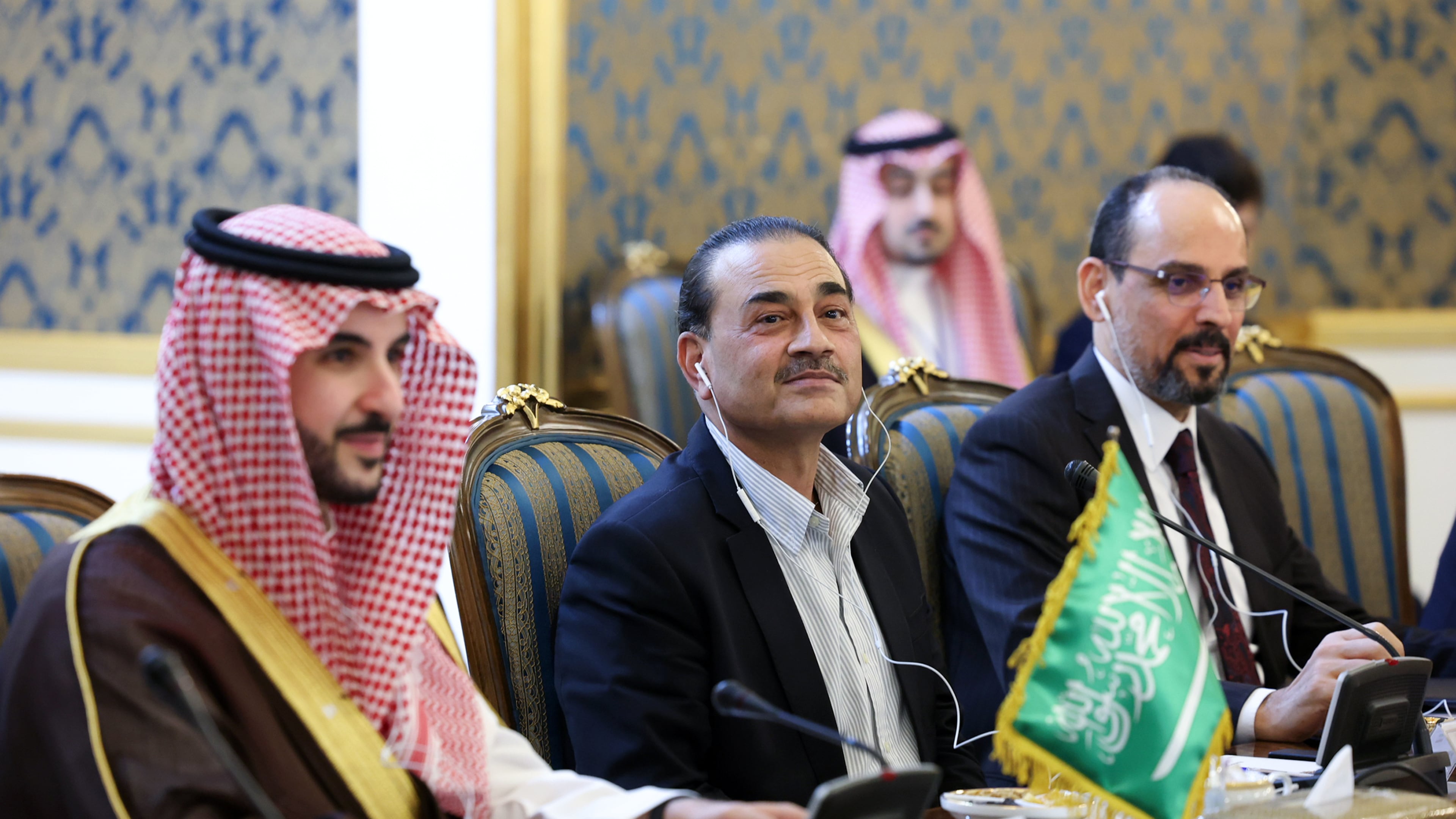
Many commentators presume the Arab states of the Persian Gulf are recalibrating away from their security reliance on U.S. bases in light of the ongoing war on Iran.
In fact, though, this process of hedging, not abandoning the U.S., is one that began years before the current conflict. It reflects their understanding of a need for what American University professor John Calabrese dubs “layered security” in light of waning U.S. hegemony.
The Pax Americana has been eroding for many years — the U.S., since the start of the 21st century, has either been accused of destabilizing the region through the Iraq War, or of withdrawing from it, by scaling back its support for the Saudi-led campaign in Yemen in the 2010s, and failing to respond decisively in the face of the 2019 Houthi attacks on Abqaiq and Khurais oil facilities.
Gulf States have questioned the efficacy of the U.S. security umbrella, then, since at least 2019. As Texas A&M professor F. Gregory Gause explained in 2025, “the U.S. had the power, but it did not have the ideas around which a more consensual and more stable hegemonic order could be built.” And although military hardware and bases are certainly important, they are not all that is needed to support regional hegemony and stability.
Nations are building on mutual defense pacts
The Gulf States have recognized the waning of U.S. power in the region and have sought to build up the Gulf Cooperation Council and to expand other regional relations. Within the Gulf, after the blockade of Qatar between 2017-2021 and rising tensions between Saudi Arabia and the United Arab Emirates that came to the fore in December 2025, the GCC States seem increasingly to realize the need to work together.
In the first week of October, Emirati Vice President Sheikh Mansour bin Zayed Al Nahyan visited Crown Prince Mohammed bin Salman in Saudi Arabia — the highest-level meeting since tensions emerged in December last year.
One Emirati commentator dubbed this meeting “a promising and vibrant new beginning” on X. The GCC more broadly, in a statement after its September 2026 meeting, underscored the need to “enhance cooperation and integration.”
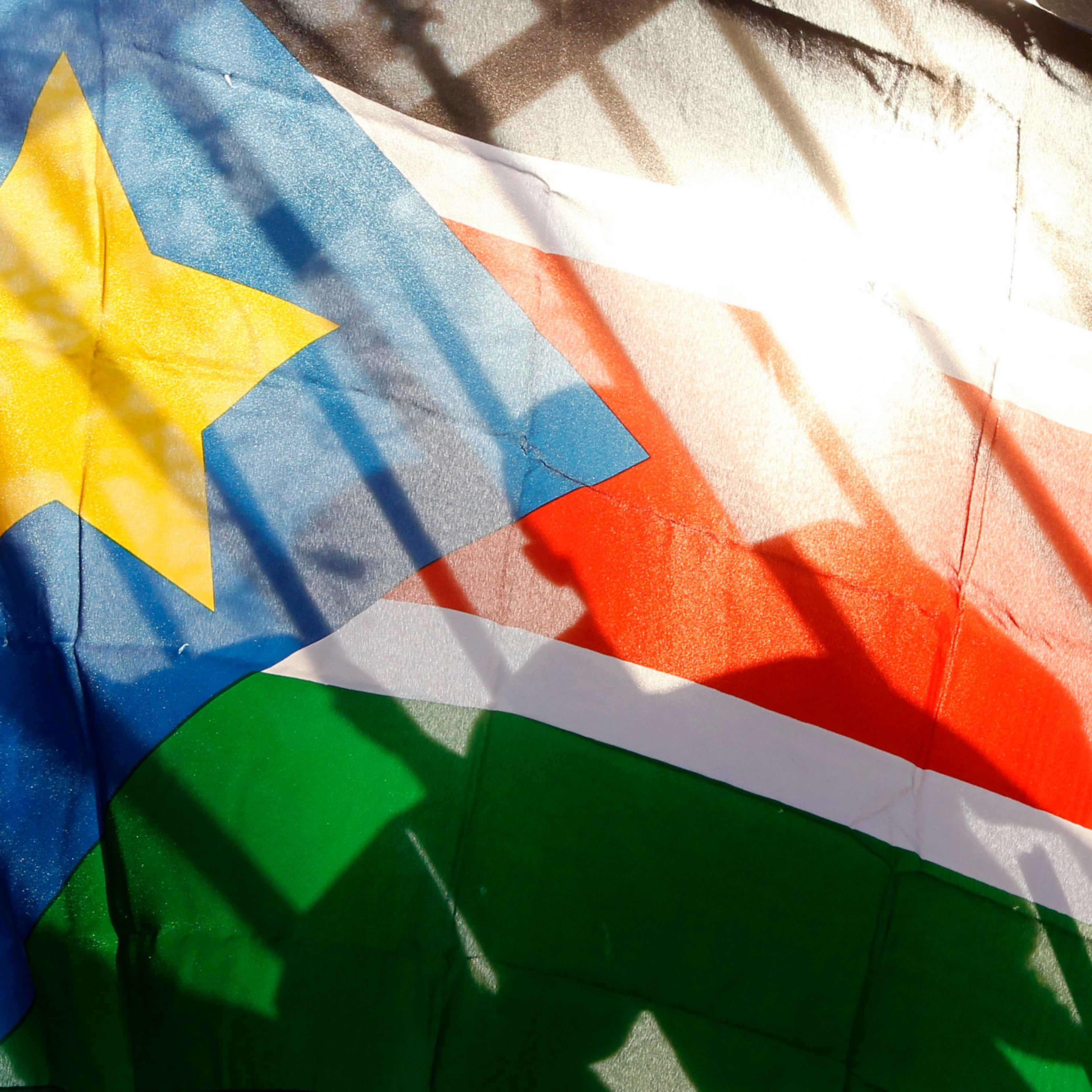
The GCC has also united, at least rhetorically, in its condemnation of Houthi attacks on Saudi Arabia and has called for international action against the group. That the GCC is speaking with one voice on the Houthi attacks, the same threat that exposed the limits of the U.S. response in 2019, suggests that Gulf leaders now consider collective action necessary to complement Washington’s security guarantee.
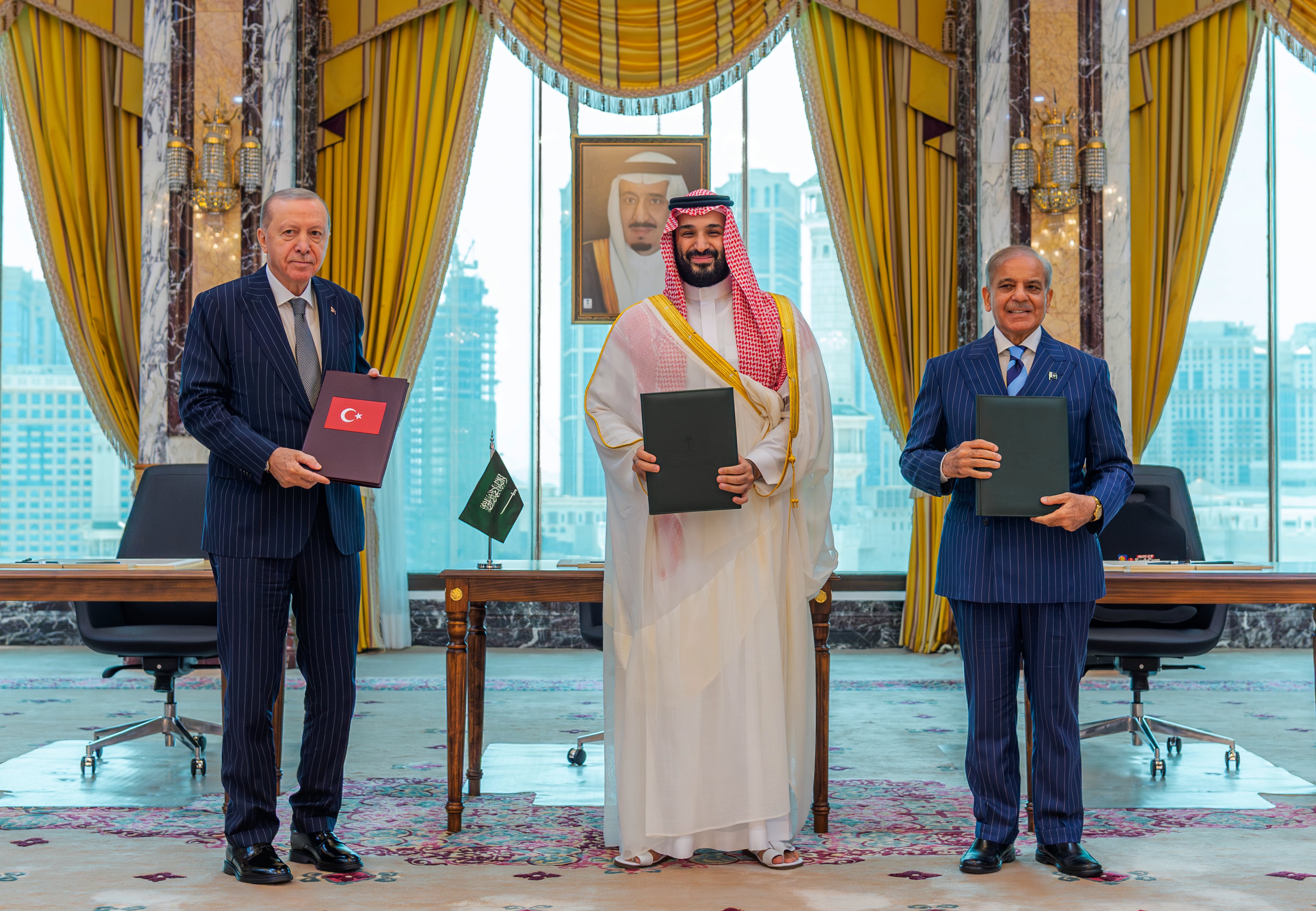
Outside the Gulf, in August 2026, Saudi Arabia, Türkiye and Pakistan signed the Makkah Joint Defence Agreement, which treats the attack on one signatory as an attack on all and builds on the Saudi-Pakistani mutual defense pact of September 2025. The regional four (which adds Egypt) released a joint statement on the sidelines of the U.N. General Assembly highlighting the importance of diplomacy in the Gulf while also noting Saudi Arabia’s “inherent right to defend itself.” Pakistan in particular is becoming a more central player in Gulf defense, having signed agreements with Kuwait and Saudi Arabia.
U.S. may need to offer more than military hardware
Although multialignment of course implies diversification of foreign policy and defense partners, it may also usher in an era of defense nationalism, particularly as domestic capabilities increase.
The UAE, for instance, this May announced a defense-focused free zone as a means to increase domestic defense production. Saudi Arabia’s General Authority for Military Industries said it intends to localize military production to more than 50% by 2030.
And although such defense nationalism does not spell the end of U.S. basing in the Gulf, it will lead to enhancement of local expertise and capabilities and can potentially spur economic diversification away from reliance on oil.

U.S. hegemony in the Gulf has been eroding for several years, as American presence in the region has not guaranteed peace or stability. The Gulf States have responded strategically and are likely to continue to do so, pursuing layered security through GCC relations, regional security pacts and enhancing local defense capabilities.
Particularly in the era of America First, Washington should not be surprised by this realignment, and it may need to offer more than military hardware to retain political influence.
Courtney Freer is an assistant professor in Emory University’s Department of Middle Eastern and South Asian Studies, where she studies domestic politics, international relations and Islamism in the Gulf States. Her research gives her a close view of the strategic calculations driving this shift and of what it could mean for the future of the U.S.-Gulf relationship.
The opinions expressed are those of the writer and do not necessarily reflect the views of The Atlanta Journal-Constitution.
Send letters to the editor of 250 words or fewer with your name, city or town, and contact information to letters@ajc.com.