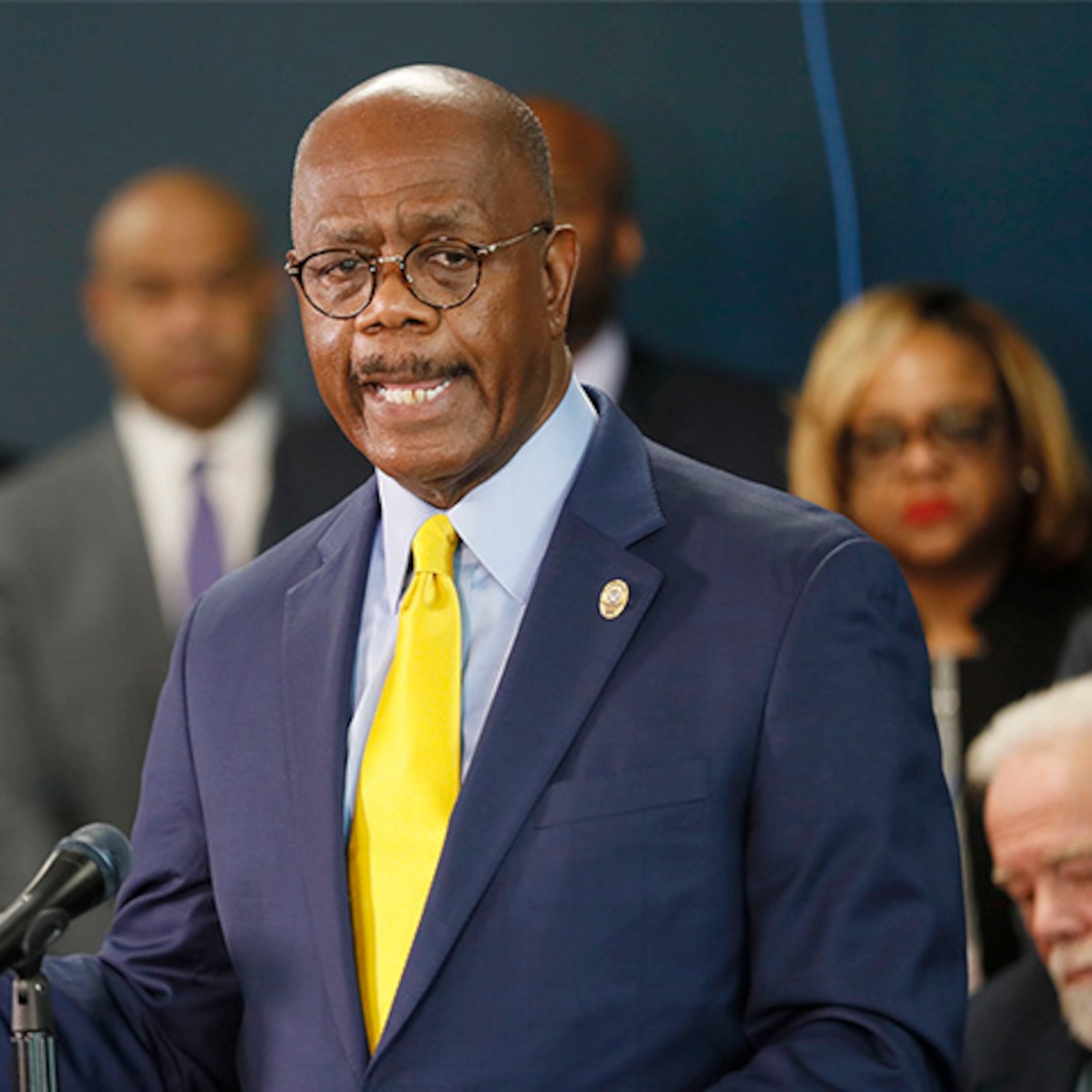
Ex-Fulton DA Paul Howard defies judge. Now, he could be jailed.
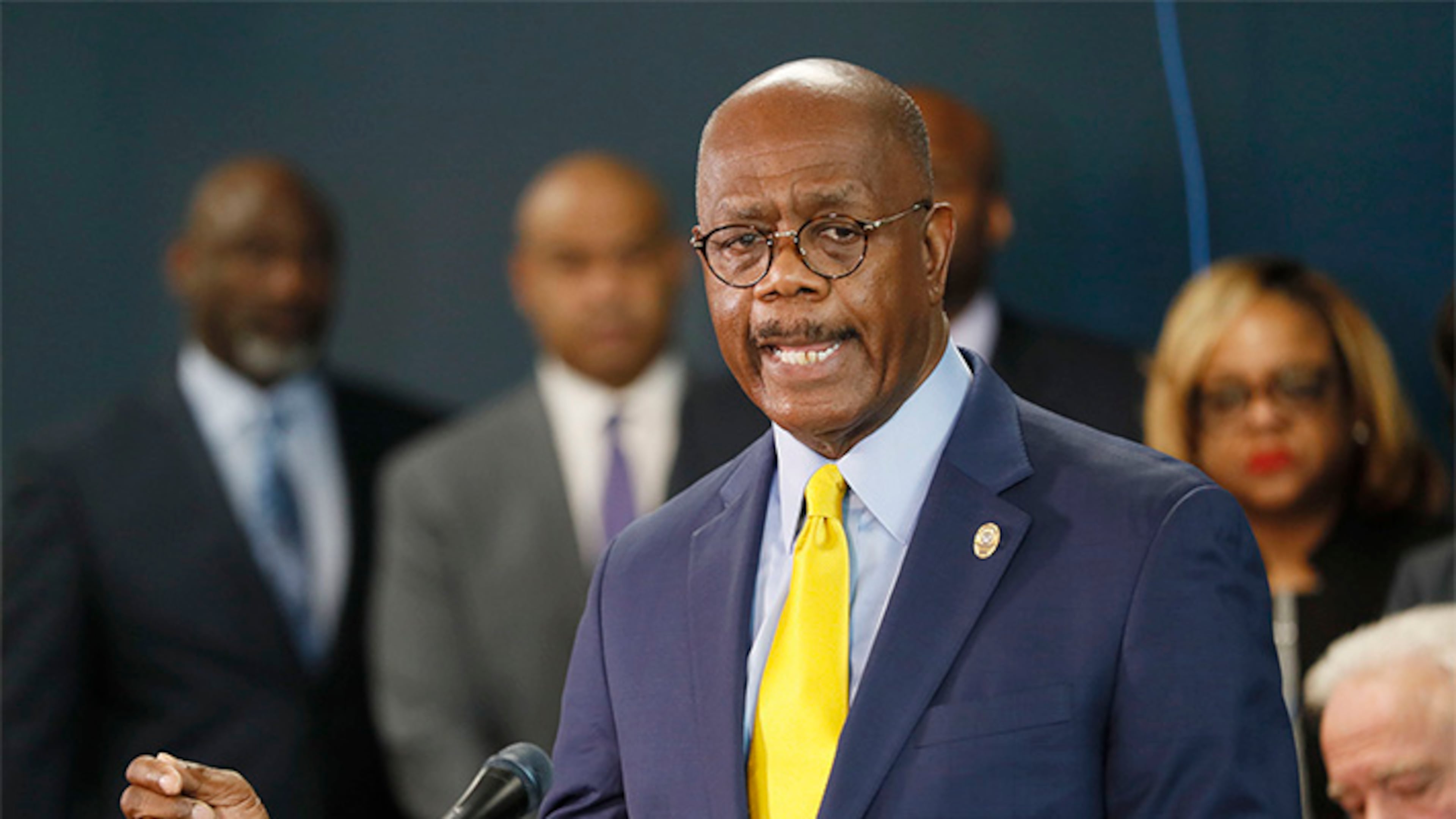

Former Fulton County District Attorney Paul Howard could face up to 20 days in jail after a courtroom argument with a DeKalb County judge ended in Howard being temporarily handcuffed and placed inside a courthouse holding cell.
Howard, who turned to private practice after he lost a 2020 election to Fani Willis while seeking what would have been his seventh term in office, got in trouble Wednesday when he appeared before DeKalb County State Court Judge Kimberly Anderson. He was representing a client charged with misdemeanor battery and disorderly conduct in what was supposed to be the start of a criminal trial when the matter went sideways.

First, Howard argued unsuccessfully for a monthlong trial postponement, telling the judge he was too tired from representing a different client in a Henry County murder trial that wrapped up Oct. 19, court records show.
Then, when the judge declined to grant the delay, Howard refused her instructions to stop pleading his point and sit down, according to an order she filed later that day with a transcript of the testy exchange attached.
“Despite the court’s ruling, defense counsel continued to argue with the court, interrupting it repeatedly and refusing to accept the ruling,” Anderson said in her order. “Finally, the court restated to counsel that it had already ruled and instructed counsel to take a seat. Defense counsel refused to leave the podium.”
In her order, Anderson said she briefly left the courtroom in an effort to calm the situation. She said Howard continued to defy orders from courtroom deputies to sit down or leave the courtroom while she was off the bench, and that’s when the deputies handcuffed Howard and escorted him to the courtroom’s holding cell.
Anderson, appointed as a judge in 2019 by Gov. Brian Kemp, ordered Howard to return to court Dec. 2 to explain why he shouldn’t be held in contempt for “his direct refusal to follow the court’s directions and his disrespectful actions.” The maximum sentence for contempt is 20 days in jail.

Howard, a solo practitioner, did not comment Friday on the situation.
The judge, in her order, said she could have held Howard in contempt without the hearing, which she offered as a courtesy. She then voluntarily recused from presiding over the upcoming hearing, leaving it for another of the court’s judges to decide.
Court records show Howard first asked Anderson to postpone the Nov. 18 trial in the misdemeanor case five days earlier, when he wrote in a filing the Henry trial the previous month had left him “physically and emotionally exhausted.” Howard said that case took his full attention through late October, when his acquitted client was released from custody.
Anderson denied Howard’s request in a Nov. 17 order, noting his work in the Henry case had ended about two weeks before and that she’d already postponed the misdemeanor case trial once to fit his schedule.

In court Wednesday, Howard again told the judge he was too tired to go ahead with the trial and needed 30 days to prepare, saying he wished he were “a younger fellow,” according to the transcript. It includes almost a dozen pages of subsequent back-and-forth between Howard and the judge, who at one point mentioned she turned up to court that day despite her two young children having the flu.
“Did I say I’m not going to be here because I’m tired, and because I’m not getting sleep because my children are sick?” the judge asked. “No … because it is my job.”
Howard replied that her situation was “not a very good example” of what he was dealing with, according to the transcript. It shows the judge asked Howard if he would have agreed, as a district attorney, to postpone a hearing because a defense lawyer was tired. He twice asked the judge what the point was of her bringing up his experience and then said he had agreed to “many” such delays.
And when Anderson said Howard’s failure to prepare for the case was “not my problem,” he replied, “Who said it was your problem?”
Howard was asked several times to stop arguing and take a seat before Anderson left the courtroom “in hopes of calming the proceedings,” she said in her order later that day. She said Howard refused further instructions to sit down from courtroom deputies, who ultimately handcuffed him and placed him in a holding cell.
Howard was allowed back in the courtroom within 15 minutes, Anderson said. She said she told him about the upcoming hearing to determine if he should be held in contempt. And she postponed the trial to Dec. 17, noting in her order the irony that Howard’s behavior “resulted in exactly the outcome he demanded.”