America at 250: Expand who is seen, who is heard and who has opportunity
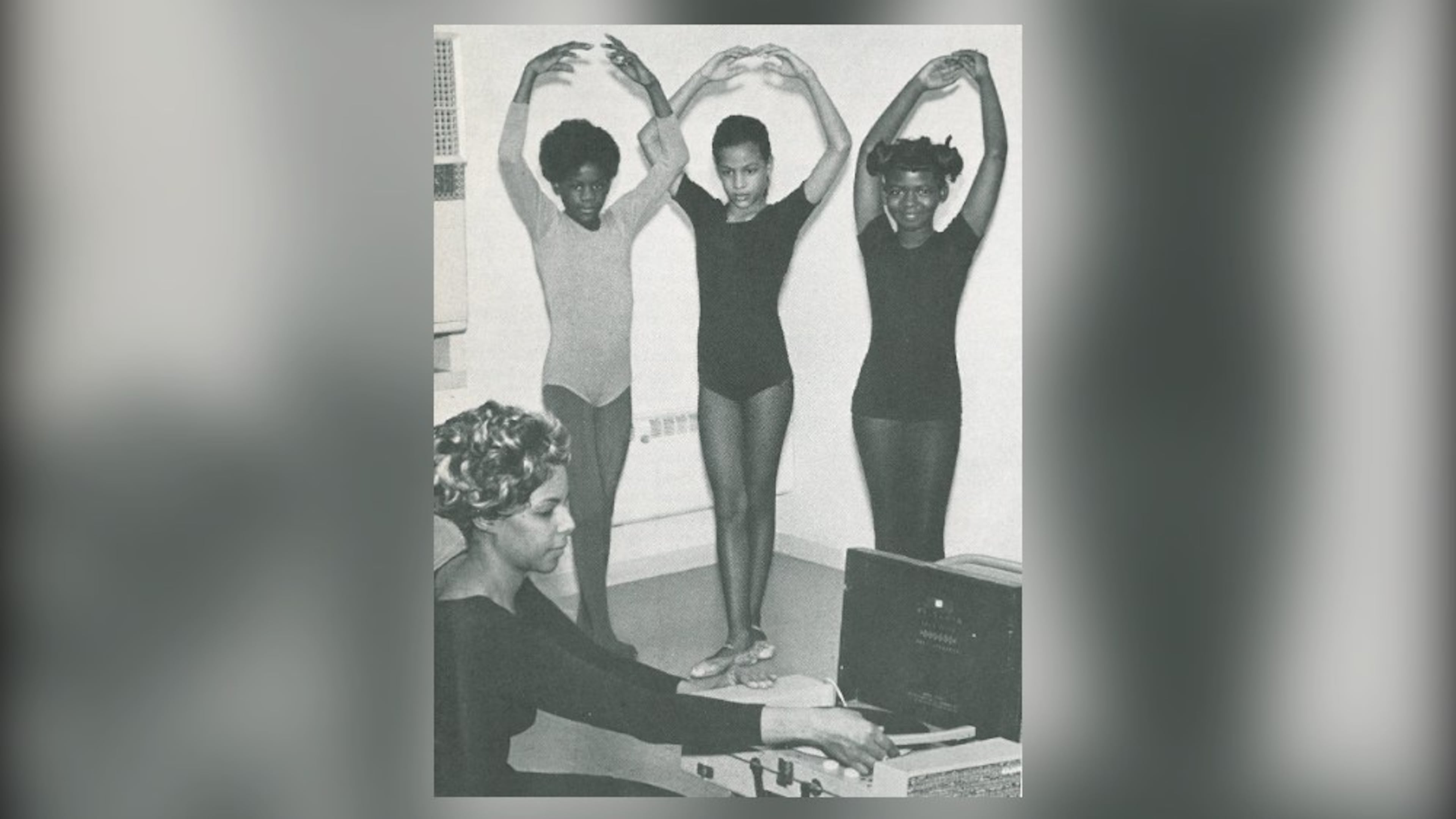
America has turned 250. Amid the fireworks, parades and familiar tributes to the founders, one question lingers: When we tell the story of this country, whose story do we choose to tell — and whose do we leave out?
We love this country. That is exactly why it is so essential that we tell its full story. And that story cannot be told without the women — especially the women of color — who built it alongside the men whose names fill our textbooks.
For more than 165 of America’s 250 years, YWCA has been part of that story. Since 1858, we have stood at the intersection of racial and gender justice — helping shape a nation still striving to live up to its promise. Our history is not separate from America’s; it is woven into it.
From our earliest days, YWCA leaders helped define what progress looks like in practice.
Women like Rosetta Evelyn Lawson, who created safe housing for Black women shut out by segregation; Grace Hoadley Dodge, who unified a fragmented movement into a national force rooted in dignity and opportunity for working women; and Dorothy Irene Height, who pushed YWCA — and our country — toward a deeper commitment to racial justice, ensuring that equality was not aspirational, but actionable.
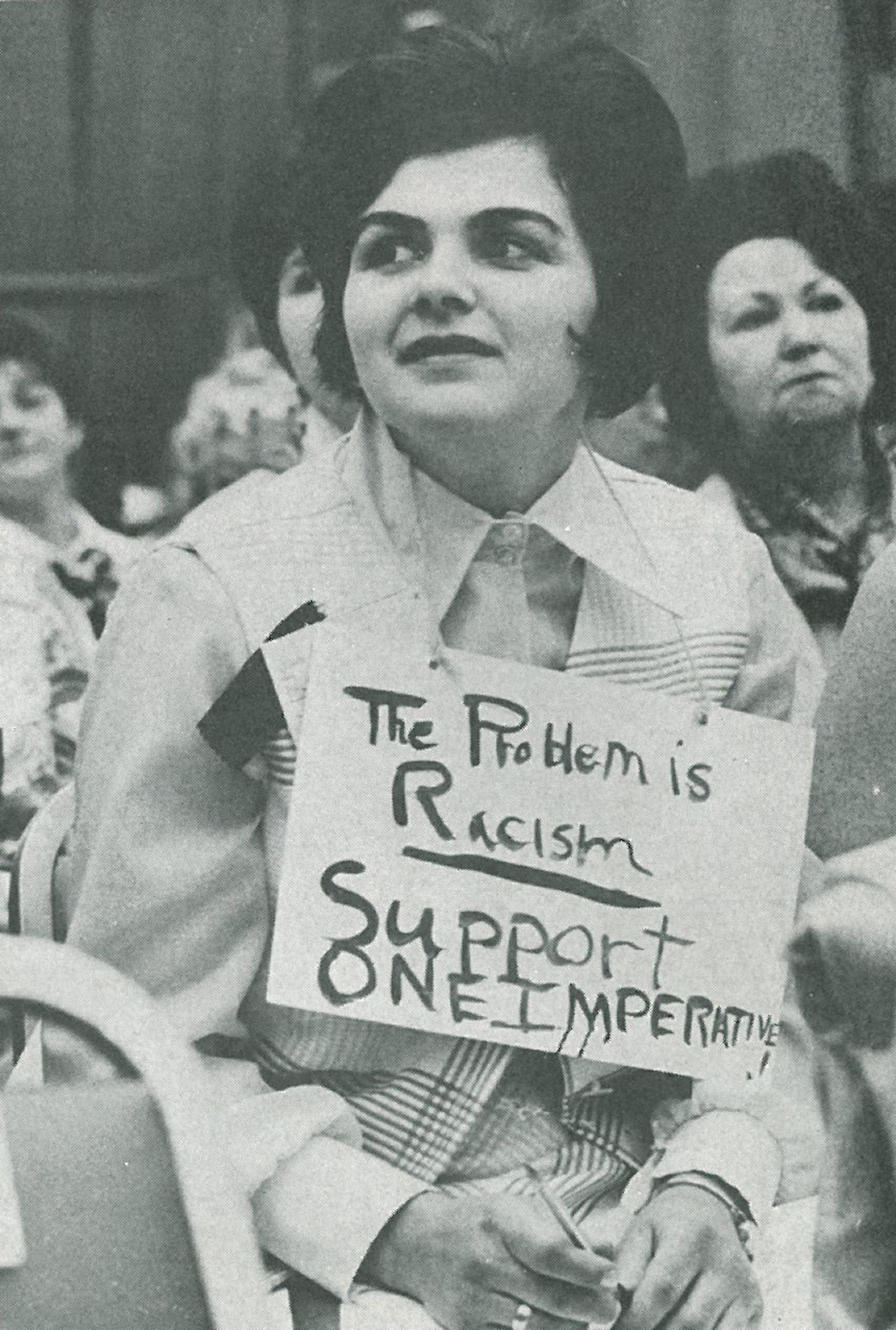
They were not alone. Across generations, YWCA leaders and communities have done the often-unseen work of building systems of care, safety and opportunity — long before those needs were widely recognized.
Choose a fuller, over a comfortable, story
That work became part of the essential, if often overlooked, infrastructure of American life. YWCA helped pioneer professional childcare in the United States. Long before domestic violence was named a national crisis, YWCAs were already opening shelters and supporting survivors.
Today, local associations across the country continue that legacy — serving more than 1 million women, girls and families every year through both advocacy and essential support services.
This is not a sidebar to the American story. It is the American story.
But as we approach this milestone anniversary, we face a choice. We can continue telling a version of history that is comfortable and incomplete, or we can embrace a fuller, more honest accounting — one that reflects both our ideals and our shortcomings.
Telling a more complete story is not just about recognition; it is about power. Whose experiences shape our institutions? Whose voices influence our policies? Whose realities are reflected in the systems that govern our daily lives? Expanding the narrative must go hand in hand with expanding opportunity, access and leadership.
This is the work we continue to lead every day. In communities across the country, we are advancing racial justice, empowering women and creating pathways for more people to thrive — not just in the story we tell about America, but in the systems that define it.
America at 250 essays: Read more from Georgians celebrating Independence Day
In May, the AJC started publishing publishing Opinion essays to commemorate the 250th anniversary of the United States’ Declaration of Independence.
- America at 250: Georgia cities like Eatonton restore our faith in democracy (By AJC Opinion Editor David Plazas)
- America at 250: Celebrate independence by remembering the ladies of Georgia (Margaret E. Holt of Watkinsville, Suzanne M. Minarcine of Macon, Madeline Van Dyck of Athens and Marilyn Vickers of Athens
- America at 250: Civic hygiene can save election integrity in Ga. and beyond (Lori Ringhand, UGA law professor and author of “We the Voters”)
- America at 250: Dr. King’s Prince Hall reminds us to honor the whole story (Carrie Besnette Hauser and Phillip June, Trust for Public Land)
- America at 250: KKK granite from Georgia built U.S. Treasury. Trump wants you to forget that. (Bethany Luchetta, a Daughter of the American Revolution)
- America at 250: Georgians put aside political differences for one night (Keith Strigaro, Georgia Historical Society)
- America at 250: My immigrant clients believe in U.S. system. We should too. (Mills Fleming, immigration attorney in Savannah)
- America at 250: Adams, Jefferson disagreed to the end on Revolution’s meaning (Marianne Holdzkom, Kennesaw State University professor)
- America at 250: Thanks to civics educators for forming the nation’s future (David Bobb, president and CEO, Bill of Rights Institute)
- America at 250: How to live the ‘Georgia Way’ as a discipline for public life (Chris Clark, CEO, Georgia Chamber of Commerce)
- America at 250: First-generation Americans lean into their parents’ cultures (AJC Photojournalist Arvin Temkar)
- America at 250: Atlanta created the model for civil rights and prosperity (John Hope Bryant, CEO of the Operation HOPE)
- America at 250: Celebrating 2-1/2 centuries of disagreeing about our democracy (Page Alexander, CEO, The Carter Center)
- America at 250: Expand who is seen, who is heard and who has opportunity (By Margaret Mitchell, CEO of YWCA USA, and Danita V. Knight, CEO of YWCA Greater Atlanta)
- America at 250: Was slavery wrong? Museums must now answer that question. (Yaba Baker, a fourth-generation grandson of David Drake, aka Dave the Potter)
Everyone shares a responsibility to take action

America at 250 should be more than a celebration. It should be a moment to recognize the full truth of our past — including the voices and stories too often left out — and to move forward with intention.
Because the story of America is still being written. And the next chapter is ours to shape.
For more than half this nation’s history, YWCA has been part of that story — working to expand who is seen, who is heard and who has opportunity. That legacy reminds us that progress is possible when we commit to it, and that inclusion does not happen by chance, but by choice.
Each of us shares in that responsibility — in what we choose to learn, whose voices we elevate and the actions we take in our communities every day.
If we are to build a nation that truly reflects all of us, we must move beyond reflection to action: by listening more deeply, challenging inequity and investing in a more just and inclusive future.
The next 250 years of our nation’s history will be shaped by those choices. And that work does not begin someday — it begins with us. It begins now.
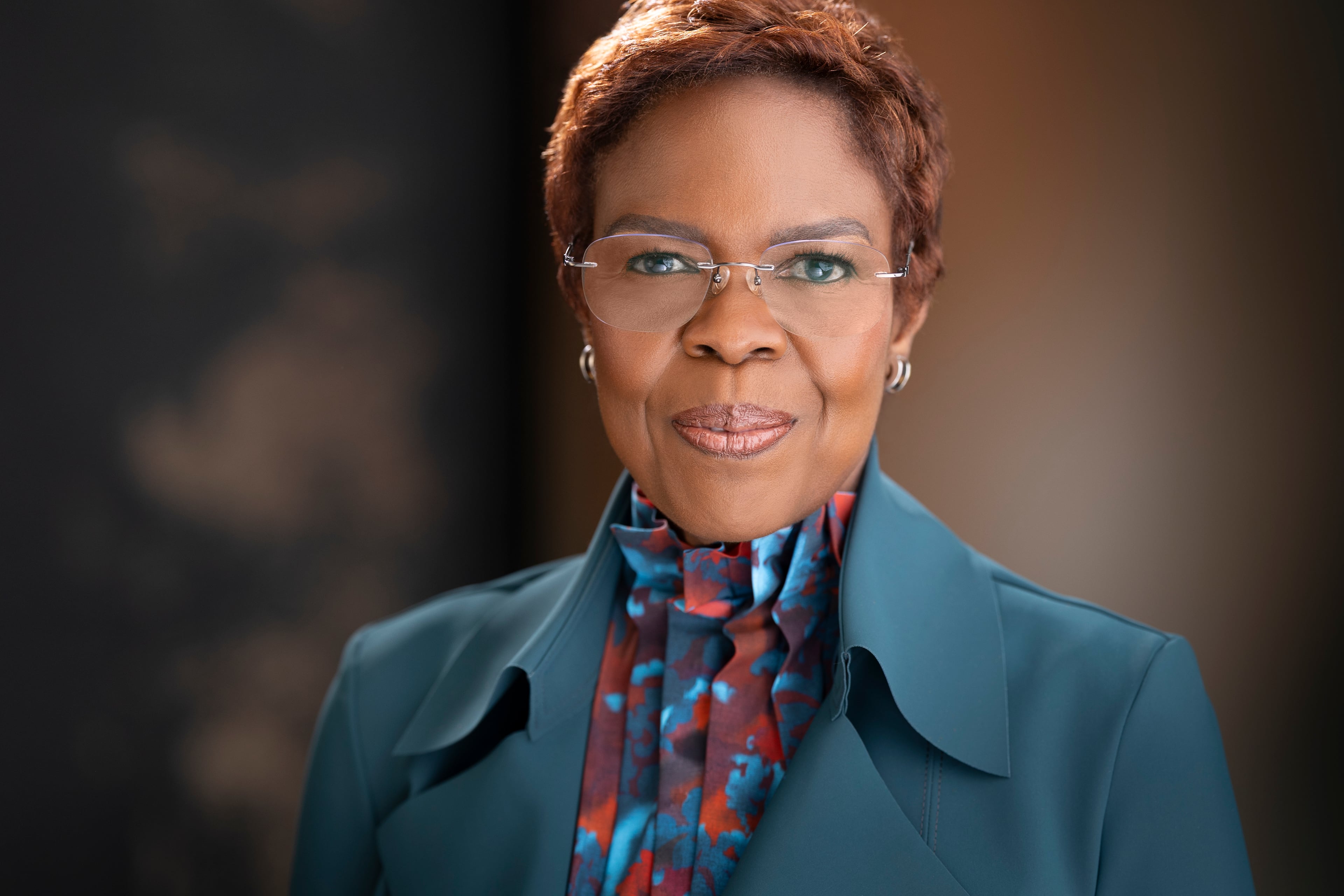
Margaret Mitchell is the CEO of YWCA USA, one of the nation’s oldest and largest women’s organizations, serving more than 1 million women, girls and families annually through a network of over 190 local associations across the country.
Danita V. Knight is president and CEO of YWCA Greater Atlanta, a local association of YWCA USA serving women and families in Georgia for more than a century.
Send letters to the editor of 250 words or fewer with your name, city or town and contact information to letters@ajc.com.