America at 250: Celebrating 2½ centuries of disagreeing about our democracy
As we approach the 250th anniversary of our great nation, it feels impossible to ignore the elephant (or donkey) in the proverbial room: These United States of America don’t feel very united right now.
As Pew Research Center put it, “On the Country’s 250th anniversary, the American people are in a sour mood.” And although I’ve heard countless colleagues and friends across the political spectrum share the same anxieties — folks are feeling more divided than ever and worried about the future — I still feel optimistic. Not with naive rose-colored glasses about the very real challenges ahead, but because I believe in the American people’s ability to come together when it matters. We’ve been doing it since the beginning.
Two hundred and fifty years ago, a group of leaders gathered in Philadelphia and changed the course of human history with their Declaration of Independence, on behalf of “one People.”
These 56 delegates would later become known as America’s Founding Fathers. But at the time, they were little more than an unlikely brotherhood, uniting across differences in support of a revolutionary idea: that all people are created with the inalienable right to life, liberty and the pursuit of happiness.
It was a dangerous and almost arrogant decision to reject the crown, declare war on a global superpower and pledge allegiance to one another instead. It seems so obvious to us now — even fated — that Americans would emerge victorious, but it was an outcome the British Empire could not comprehend.
They thought the Revolutionary War was a battle for land, for territory, for colonial power. But to the Americans fighting the Redcoats, the story was much bigger than that. It was a battle for our identity.
We are resolving conflict and protecting democracy in the U.S.
Today, Americans struggle to channel the kind of pluralism and compromise that made the Declaration of Independence possible. Over the past several years, we have seen a sharp increase in polarization and a fracturing of our shared identity.
But I believe we can find our way back. Back to what brought us all together in the first place and back to what will carry us forward for the next 250 years.
As CEO of The Carter Center, I’ve worked with our team to strengthen democracy across the globe.
And when it comes to the pursuit of freedom, here’s what people often miss: Disagreements are a good thing. Necessary even.
A recent part of our work at The Carter Center is resolving conflicts and protecting democracy in the United States, drawing on our 40 years of experience in peace-building abroad.
The Carter Center supports nonpartisan election observation and integrity work in multiple states. Our Democracy Resilience Networks bring together trusted leaders — from across the political spectrum — to counter misinformation and reduce the risk of political violence in eight states, including right here in Georgia.
Each network has co-leaders from different sides of the political aisle, and each one is locally driven.
They may disagree on policy, but they are united by their commitment to democratic ideals and peaceful political dialogue. Our goal is to bridge divides: to practice listening respectfully, disagreeing agreeably and resisting the urge to dismiss someone else’s point of view.
Nation’s 200th birthday offered a road map for the future

We are living through a particularly uncertain moment in our nation’s history. But uncertainty has been a part of our experience since the beginning. Now is not the time to give up on the great American experience. It is not the time to give in to polarization or apathy. It is time to lean into difficult conversations. Refuse to demonize people who are different than you. It’s time to celebrate the messy, ongoing work of democracy.
It is also not the first time that the United States has navigated polarizing times. Fifty years ago, on the nation’s 200th anniversary, Georgia’s own Jimmy Carter was elected president of the United States. It was 1976, a year when the country had undergone rapid social and economic shocks and confidence in the nation’s institutions had been shaken by political scandals, civil unrest and a decade-long, unpopular war.
To a nation facing deep uncertainty, President Carter reminded Americans of our own origin story. In his inaugural address, he said, “I have no new dream to set forth today but rather urge a fresh faith in the old dream … The American dream endures. We must once again have full faith in our country, and in one another.”
Much has changed since President Carter’s call to action, and indeed since our country’s founding. But then, as now, there is more that unites us than divides us. On this 250th anniversary of our beloved country’s founding, it is our patriotic duty to reconnect with our fellow Americans and return to our shared values in the eternal pursuit of a more perfect union.”
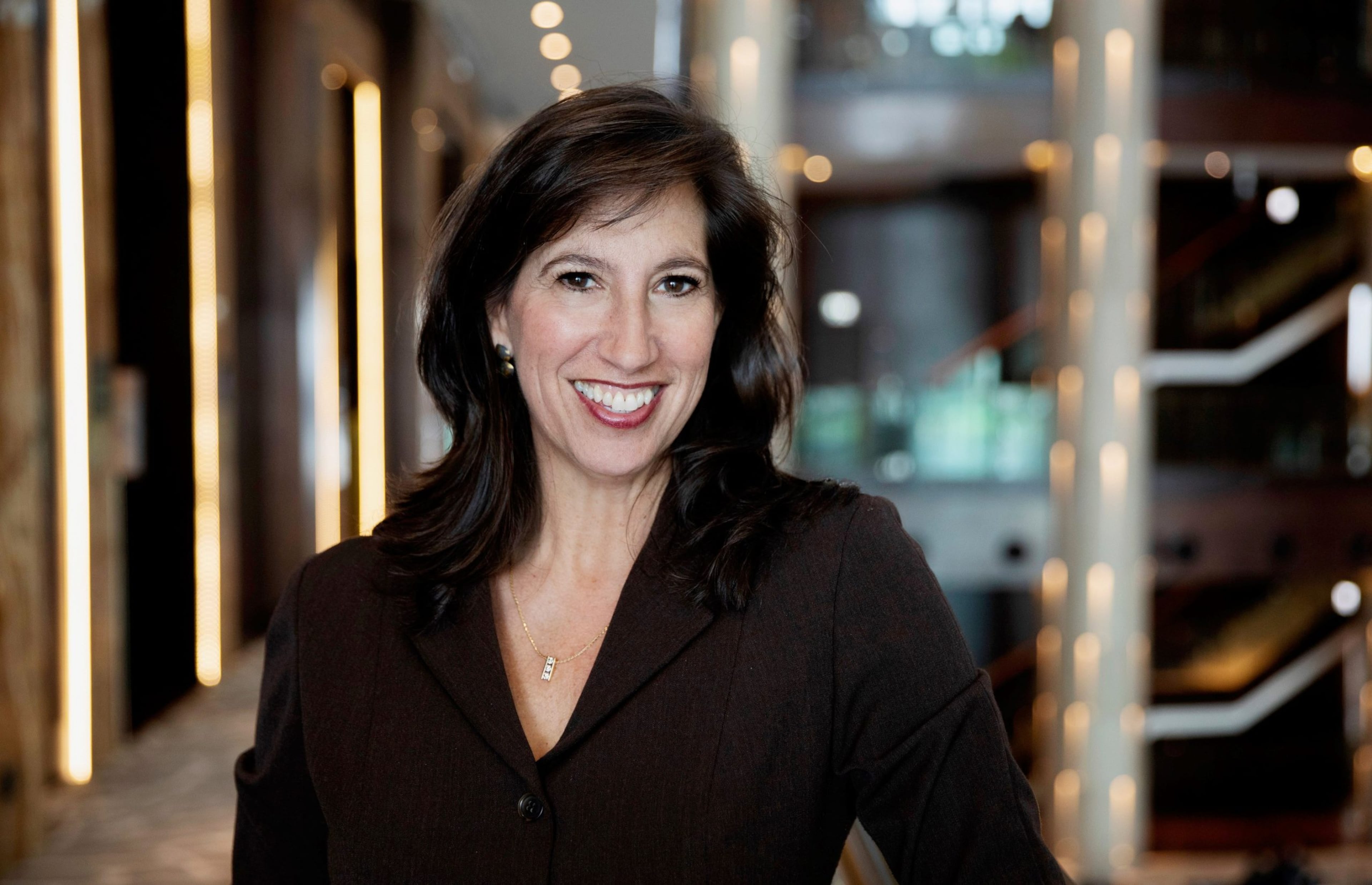
Paige Alexander is CEO of The Carter Center, founded by former U.S. President Jimmy Carter and First Lady Rosalynn Carter to advance peace and health worldwide.
Send letters to the editor of 250 words or fewer with your name, city or town and contact information to letters@ajc.com.