For Porsche, the past is part of the future
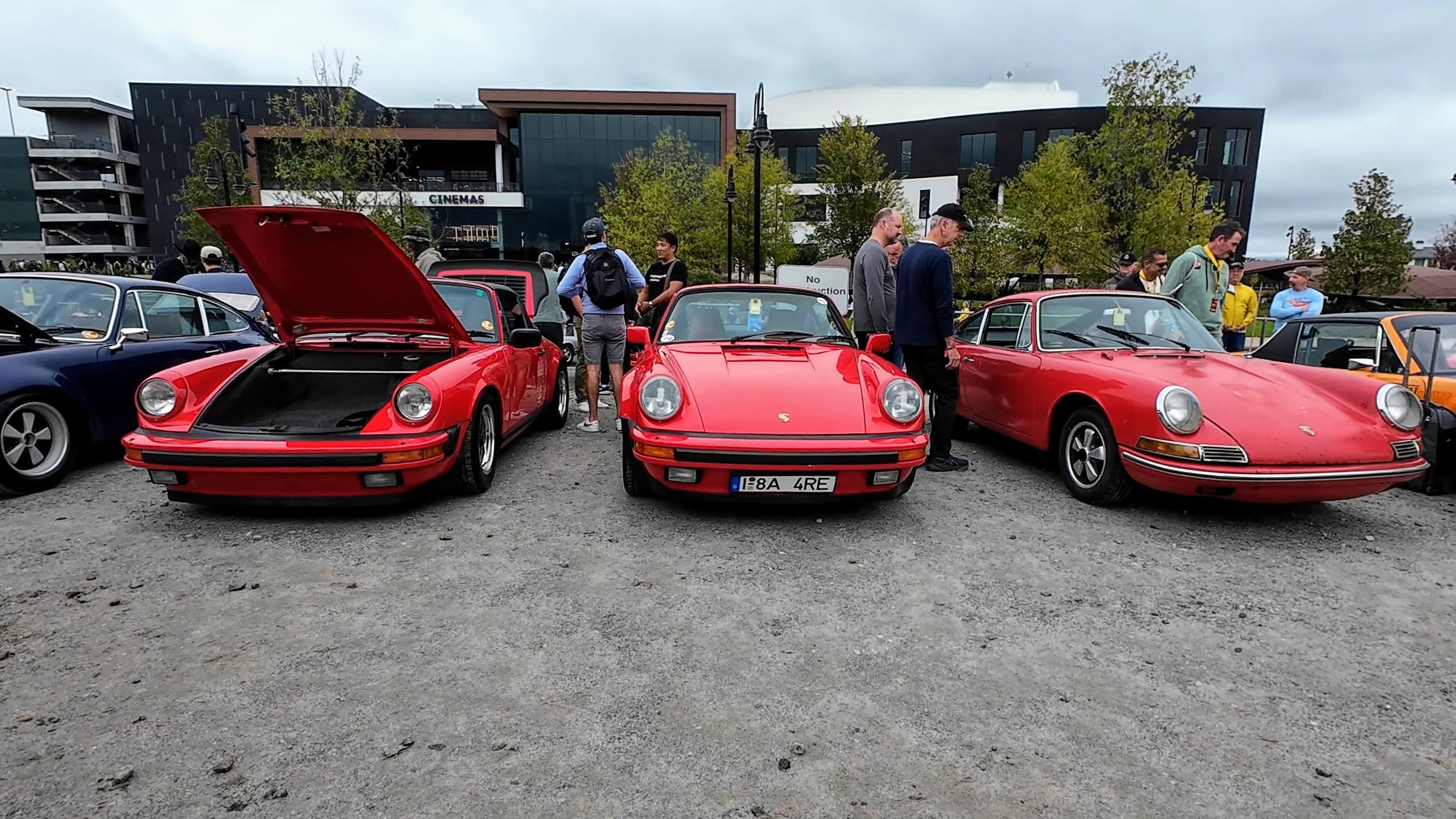
Porsche is investing in electric vehicles, luxury SUVs and sports cars loaded with technology. But at a gathering south of Atlanta, the stars of the show were vehicles the company stopped building decades ago.
At the Luftgekühlt car show, held Oct. 10 at Town at Trilith in Fayetteville, the spotlight was on vintage Porsches, particularly those powered by the air-cooled engines the company phased out in the 1990s.
Among the cars on display was a 1970 Porsche 911 T belonging to Pamela Brundage of Illinois. The car spent roughly 25 years in a garage before she bought it. She performed much of the mechanical work needed to return it to the road.
“I just wanted to put it back the way it was,” she said. “I didn’t want to change anything.”
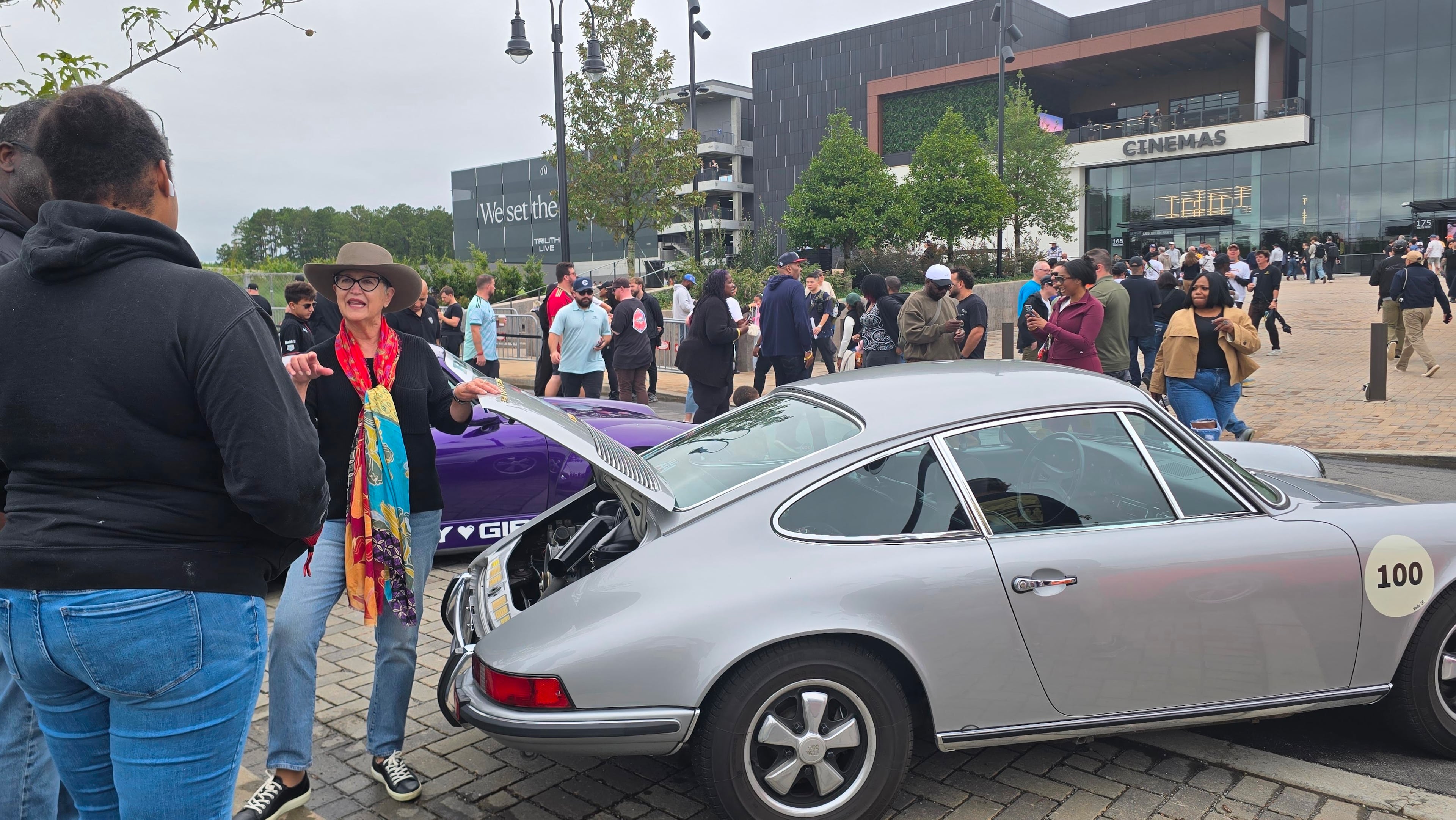
Brundage’s connection to Porsche began much earlier. Her mother taught her to drive in a 1961 Porsche 356 coupe, a car Brundage now owns.
That kind of attachment illustrates something about modern business.
Porsche has cultivated an identity that extends well beyond the vehicles sitting in its dealerships. Its past has become an asset that competitors cannot easily replicate.
Patrick Long, a former Porsche factory racing driver and co-founder of Luftgekühlt, understands that value.
When I interviewed him before the event, I asked why Porsche benefits from keeping people interested in cars it stopped selling 30, 40 or even 60 years ago.
“Your past is your unfair advantage against the people who are coming in and trying to challenge you or knock you off,” Long said.
Building a community
Luftgekühlt, a German word meaning “air-cooled,” began in Southern California as an alternative to conventional car shows.
Long initially envisioned the event as an art exhibition, with the cars as the artwork and their owners’ stories providing the human connection.
The idea caught on. According to Long, the gathering grew from about 40 cars and a few hundred spectators in 2014 to 300 display cars and thousands of visitors at Luftgekühlt 12 this year.
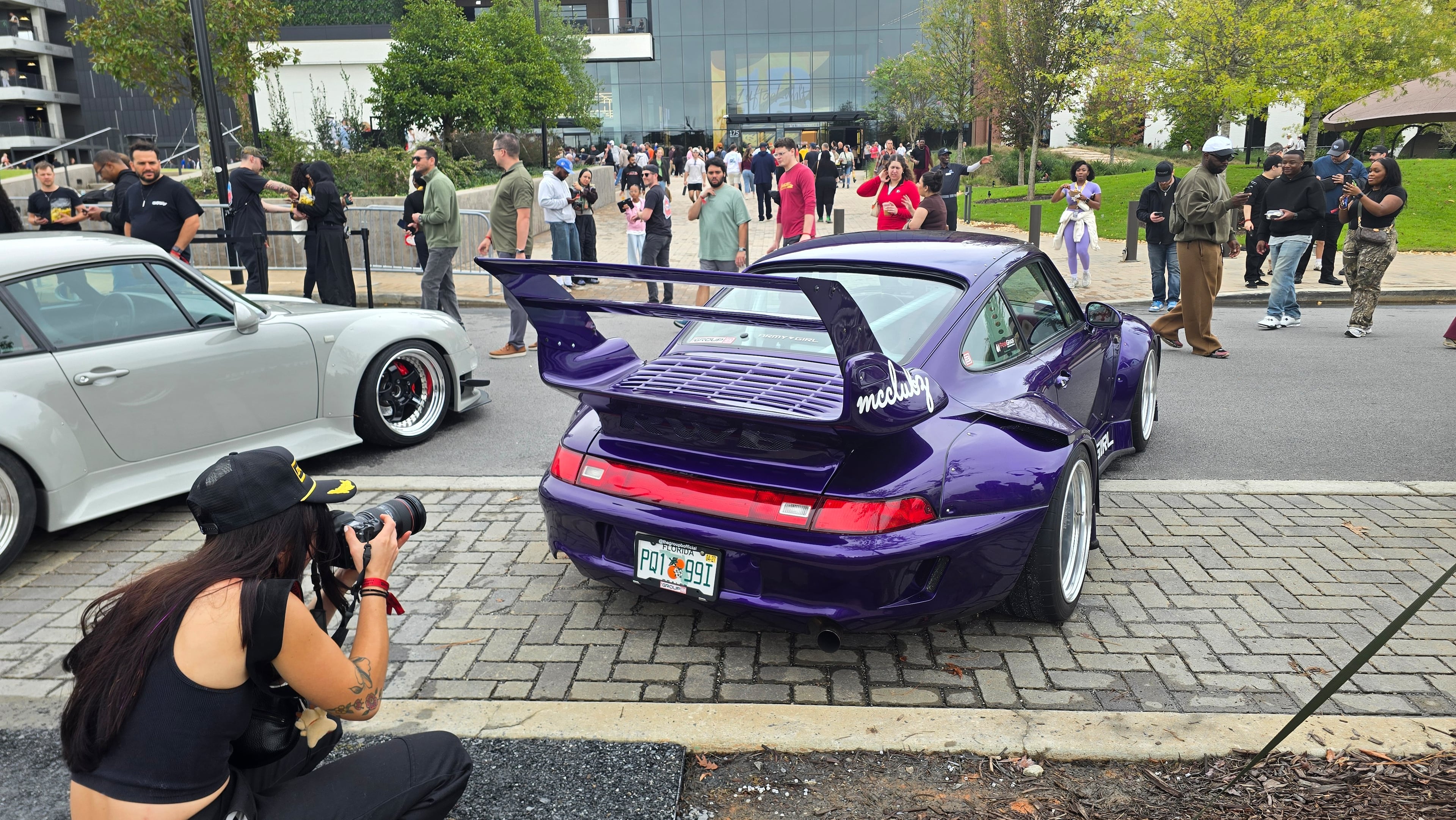
Its arrival in Georgia was fitting. Porsche Cars North America is headquartered in Atlanta, and Road Atlanta has a long history of Porsche racing.
But Luftgekühlt’s appeal extends beyond longtime Porsche owners. Young enthusiasts, families and people who appreciate automotive design can find something to enjoy.
That matters to a company whose future customers may not yet own one of its vehicles but are already developing an emotional connection.
Brundage drove from Illinois to attend Luftgekühlt and regularly participates in Porsche rallies and gatherings. Maintaining an older Porsche takes mechanical knowledge, she said, but owners are remarkably willing to help one another.
“It’s an amazing community of people,” Brundage said. “And then the more people you get to meet, they’ll refer you to somebody else who’s happy to assist.”
A business built on heritage
Porsche’s commitment to older cars extends beyond enthusiast gatherings.
Through Porsche Classic, the company supplies replacement parts, technical expertise and specialized services for vehicles that have long since disappeared from showroom floors.
Its network of Porsche Classic Partners includes Hennessy Porsche North Atlanta in Roswell. The program supports maintenance and restoration, helping keep older vehicles on the road.
That creates an ongoing business relationship with owners whose cars may be decades old. Parts and service generate revenue, while helping owners preserve vehicles they might otherwise abandon. Every maintained vintage Porsche also serves as a reminder of the company’s engineering history and longevity.
Long believes successful brands must improve their products without losing the characteristics that made them successful.
Porsche has introduced front-engine sports cars, SUVs and electric models while maintaining a recognizable identity.
For consumers, the lesson is that a strong brand is about more than a familiar badge. Product quality, reliability and consistency help create the loyalty that marketing alone cannot buy.
Selling the future without forgetting the past
That loyalty matters especially now. Porsche’s global deliveries fell 16% through September, and the company is restructuring to restore profitability amid weaker demand and a costly shift in its electric strategy.
Porsche develops new vehicles for modern buyers, including customers who want the practicality of an SUV or the performance of an electric powertrain.
Long recognizes the balance. He drives a modern 911 himself and appreciates the technology and performance improvements. But he believes the company benefits from understanding the ideas that shaped its earlier vehicles.
The challenge is to innovate without abandoning the characteristics customers recognize and appreciate.
It’s a lesson that extends beyond expensive sports cars. Automakers spend billions developing new products and attracting customers. Maintaining relationships with existing owners and cultivating enthusiasm among future buyers can be just as important.
At Luftgekühlt, Brundage recalled seeing a family arrive in an older Porsche with two young children. It reminded her of riding with her own mother and brother decades earlier.
“You get people and their children, and the children remember this,” she said, imagining those children wanting to do the same thing when they grow up.
Porsche will keep building new cars. But stories like Brundage’s illustrate something its older vehicles continue to do: Give another generation a reason to care about the brand.
Chris Hardesty is a veteran news researcher and editor who provides advice on buying, owning and selling cars for Kelley Blue Book and Autotrader.
The Steering Column is a weekly consumer auto column from Cox Automotive. Cox Automotive and The Atlanta Journal-Constitution are owned by parent company Atlanta-based Cox Enterprises.