Tech giant OpenAI plans to build $20 billion data center near Georgia coast

Editor’s note: This article was updated late Wednesday after additional details were made public in a regulatory filing.
RINCON ― Georgia’s growth as a data center hub is expected to reach the coast for the first time with a planned OpenAI facility near Savannah.
OpenAI, the artificial intelligence company behind the ChatGPT chatbot, said it intends to build a $20 billion data center in an industrial park in mostly rural Effingham County, about a 30-minute drive from Savannah’s downtown. The data center is projected to employ 400 workers in six-figure jobs when it opens in 2028 and increase to 1,000 employees by 2032.
OpenAI would receive a 50% property tax abatement for 15 years. Even with that tax break, the company is projected to become the county’s largest taxpayer, according to the Effingham County Industrial Development Authority. The authority board approved the 50% incentive in a Tuesday night meeting.
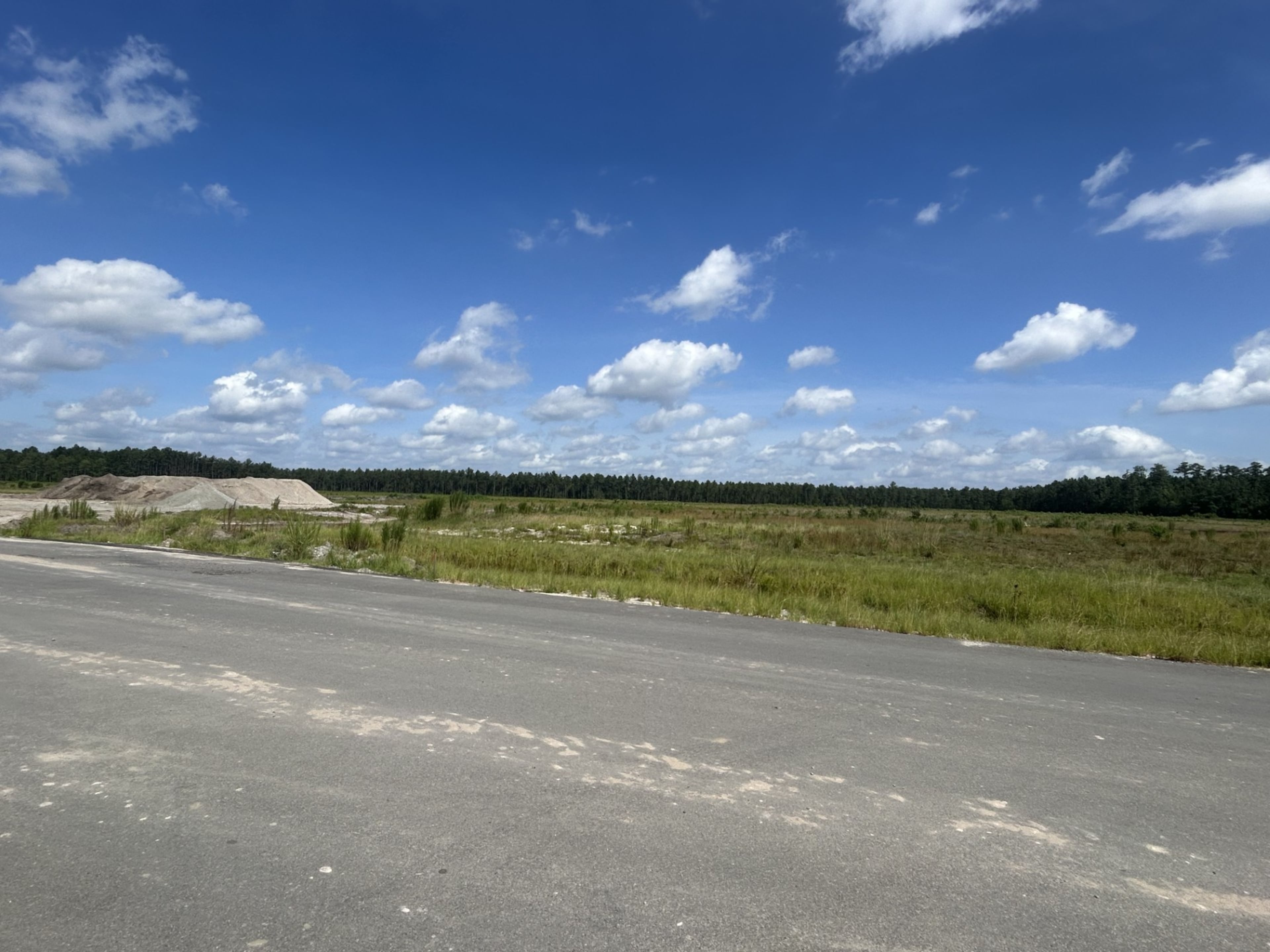
The San Francisco-based tech giant said it hasn’t yet finalized the data center’s acreage and square footage. The industrial park site includes 1,600 undeveloped acres and an initial state development planning filing, known as a Development of Regional Impact, proposed a four-building campus measuring a combined 4.4 million square feet.
OpenAI didn’t provide a detailed breakdown of its planned $20 billion investment, which would represent one of the most-expensive development projects in the state’s history, or give a construction timeline.
Those details will be refined following a series of community meetings, starting with an open house at 6 p.m. Thursday at the Effingham College & Career Academy, according to the company.
“We’re early in the process and we want to do this the right way and in the best interest of the community,” said Chris Lehane, OpenAI’s chief global affairs officer. “That started with conversations with local officials about what they wanted to see. Next comes discussions with residents. We want to meet the community where it is.”
The project has the backing of the Effingham County Industrial Development Authority and the county government. The Development of Regional Impact filing triggers an intragovernmental review ahead of the project moving forward. The filing indicated OpenAI would not seek zoning changes or variances for the data center development.
Moderating fears about the impact of data centers and artificial intelligence is a growing challenge elsewhere. Only 24% of Americans support a data center being built within 3 miles of where they live, according to a Politico/Public First poll released this week, down from 37% in January.
OpenAI already has taken steps to address the power and water concerns that swirl around most data center development projects. The company projects a need for 3.2 gigawatts of power — enough to power 2.25 million homes — but will reduce its consumption by as much as 1 gigawatt during peak hours to curb spikes that result in higher bills for other customers. OpenAI will also fully fund energy infrastructure improvements and equipment installation related to its data center.
“At Georgia Power, we are working every day to help ensure that growth from data centers and other large-energy users brings value for our customers through higher reliability and lower prices,” Aaron Mitchell, senior vice president of strategic growth for Georgia Power, said. “Companies like OpenAI are making real commitments when it comes to responsible operation and development and demonstrating the benefits that these facilities can bring to Georgia communities.”
As for water, OpenAI will install a closed-loop system that recirculates water to cool its computer servers and other equipment, much like a car radiator. Usage should equate to that of an office building housing the same number of employees as the data center, OpenAI’s Lehane said.
OpenAI has committed to being “an engaged community partner, a responsible steward of its investment and an important contributor to Effingham County’s continued prosperity,” said Brandt Herndon, chief executive of the Effingham County Industrial Development Authority.
“Economic development is about attracting companies that create lasting value for the community. This project represents a major private investment that will generate substantial new tax revenue, bring hundreds of high-paying jobs, and create new opportunities for local businesses, contractors, suppliers and our future workforce,” Herndon added.
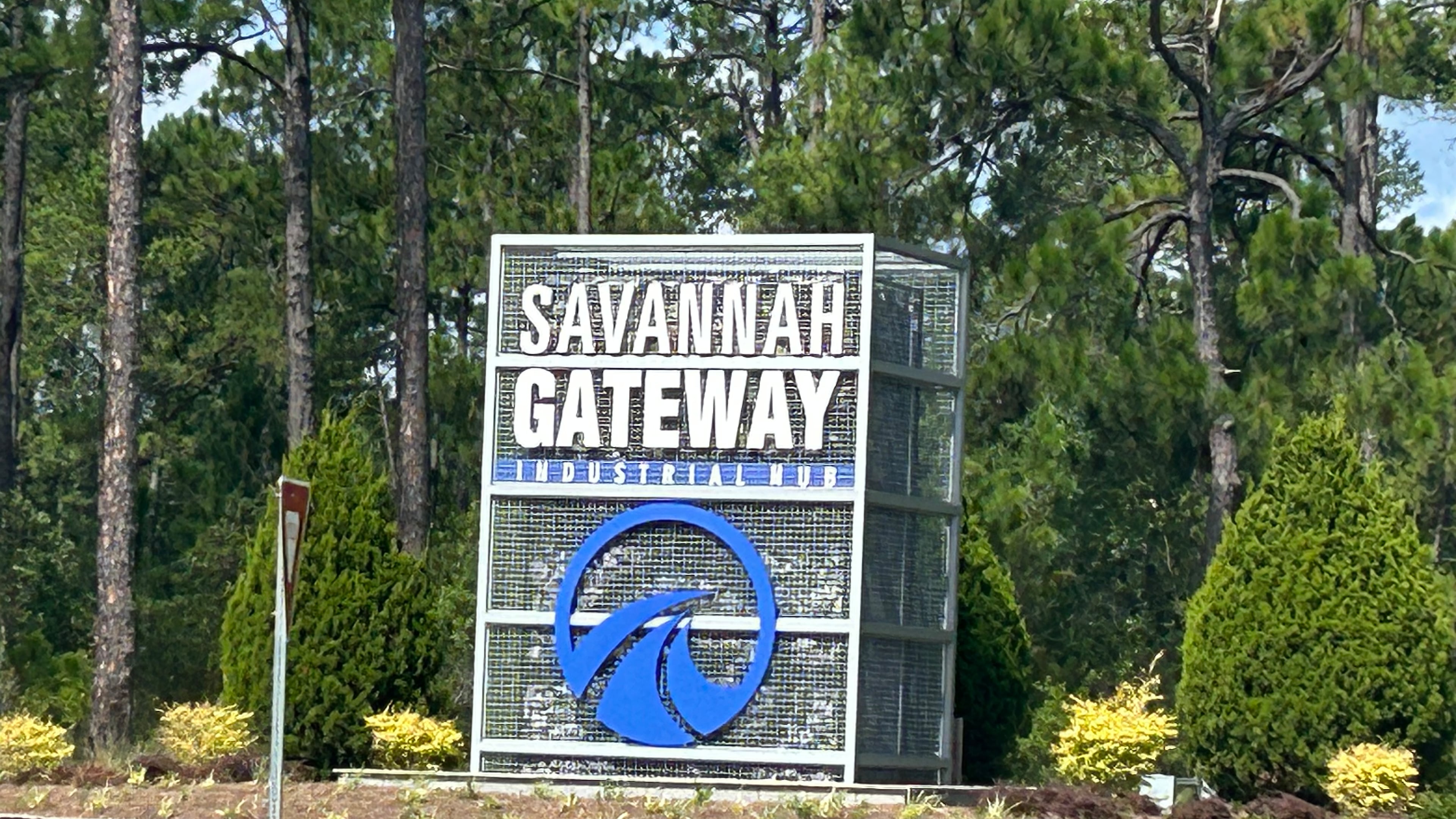
The development site is in the 2,600-acre Savannah Gateway Industrial Hub off Ga. 21 in Rincon, a fast-growing city of 12,000 residents best known as the home to former MLB star Josh Reddick. OpenAI would share the industrial park with several logistics companies that have built or leased warehouses and distribution centers there over the last decade.
Data Surge: An AJC series
Data center development is surging in Georgia with metro Atlanta becoming the fastest growing market for server farms in the U.S. and one of the top locations in the world. But the data center boom has raised many questions about land use, the resources the complexes consume and the risk of costs being spread to other Georgia residents and businesses. The Atlanta Journal-Constitution “Data Surge” takes an in-depth look into the power and water demands of data centers and the deliberations of policymakers about this rising industry.
Part 1: Why mall-sized data centers are popping up across Georgia
Part 2: Data centers become new flashpoint for local controversy in Georgia
Part 3: Data Center Alley has lessons to teach. Is metro Atlanta listening?
OpenAI is rapidly expanding its data center network across the United States as artificial intelligence tools become more broadly used. A flagship location opened last September in Abilene, Texas, and two others are under construction in Michigan and Wisconsin.
OpenAI is also partnering with Oracle to build data centers elsewhere in Texas as well as in New Mexico.
“No one in the history of man built data centers this fast,” OpenAI Chief Financial Officer Sarah Friar told CNBC in an interview last September.
The project’s unveiling appears to answer the lingering question of when data centers would come to Georgia’s coast. The Atlanta area is one of the fastest-growing data center markets in the world, rivaling the leader, northern Virginia, and computer server farms are also planned for other parts of Georgia, such as Valdosta and Blakely.
Several local governments along the coast have explored zoning ordinance updates to include data center development in recent years. Those include Glynn County, home to Brunswick and the Golden Isles; Bulloch County, which neighbors Effingham; and Port Wentworth, a Savannah suburb located 10 miles from the planned OpenAI site. Discussions have taken place during public meetings in Brantley and Ware counties as well.
A large data center near Savannah was thought unlikely by local officials because of power and water demands. The metro area’s population and business growth so far this century and projections for the next two decades led Georgia Power to build one of the U.S.’s largest high-voltage distribution facilities at a property outside Savannah. The substation came online earlier this month.
As for water, much of metro Savannah, including most of Effingham County, is under withdrawal restrictions from the primary water source, the Floridan aquifer. A $500 million water treatment and distribution system that pulls from the Savannah River is being constructed but won’t be operational until later this decade. Until that system comes online, Effingham buys 4 million gallons daily from Savannah’s municipal water system.
OpenAI’s power generation and closed-loop water plans are meant to curb public concerns.

For comparison, the 2-year-old Hyundai automobile manufacturing plant in neighboring Bryan County is projected to use 4 million gallons a day once it reaches full production in 2028.
OpenAI officials said the company is committed to invest $80 million for local schools, public safety, healthcare, utilities, workforce training, housing, veterans’ services, and support for small businesses and working families.
Company leaders will share more information during Thursday’s open house and in follow-up community meetings in the coming weeks.