Georgia’s first data center ‘pop-up’ power plant is breaking rules, groups say
COVINGTON — Some people dream of living off the grid, controlling their own supply of electricity.
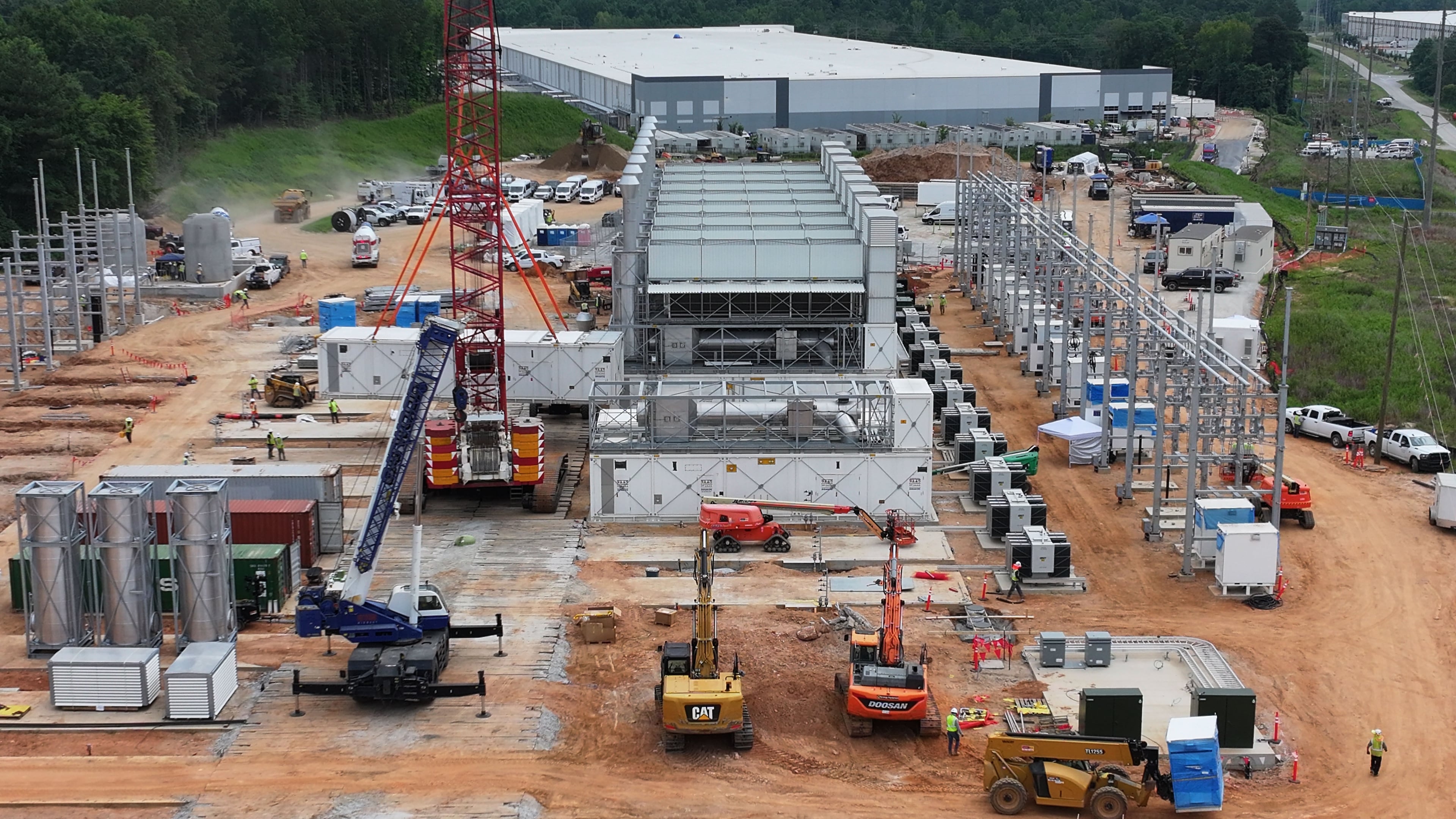
A data center racing to open about 40 miles east of downtown Atlanta plans to do just that, assembling natural gas-powered generators on-site to provide electricity and bypassing utilities such as Georgia Power. This could be Georgia’s first “pop-up” power plant to serve a data center, burning natural gas around the clock to provide all of the facility’s electricity.
Georgia leads the nation in data center development, and the surge in construction of such power-hungry computing campuses has put pressure on utilities to supply enough electrons to power them. In some cases, tech companies and developers in Georgia and elsewhere are going to great lengths to secure power — and to do so fast.
But environmental groups argue the data center developer, Serverfarm, and the company building the pop-up power plant haven’t followed state and federal pollution laws.
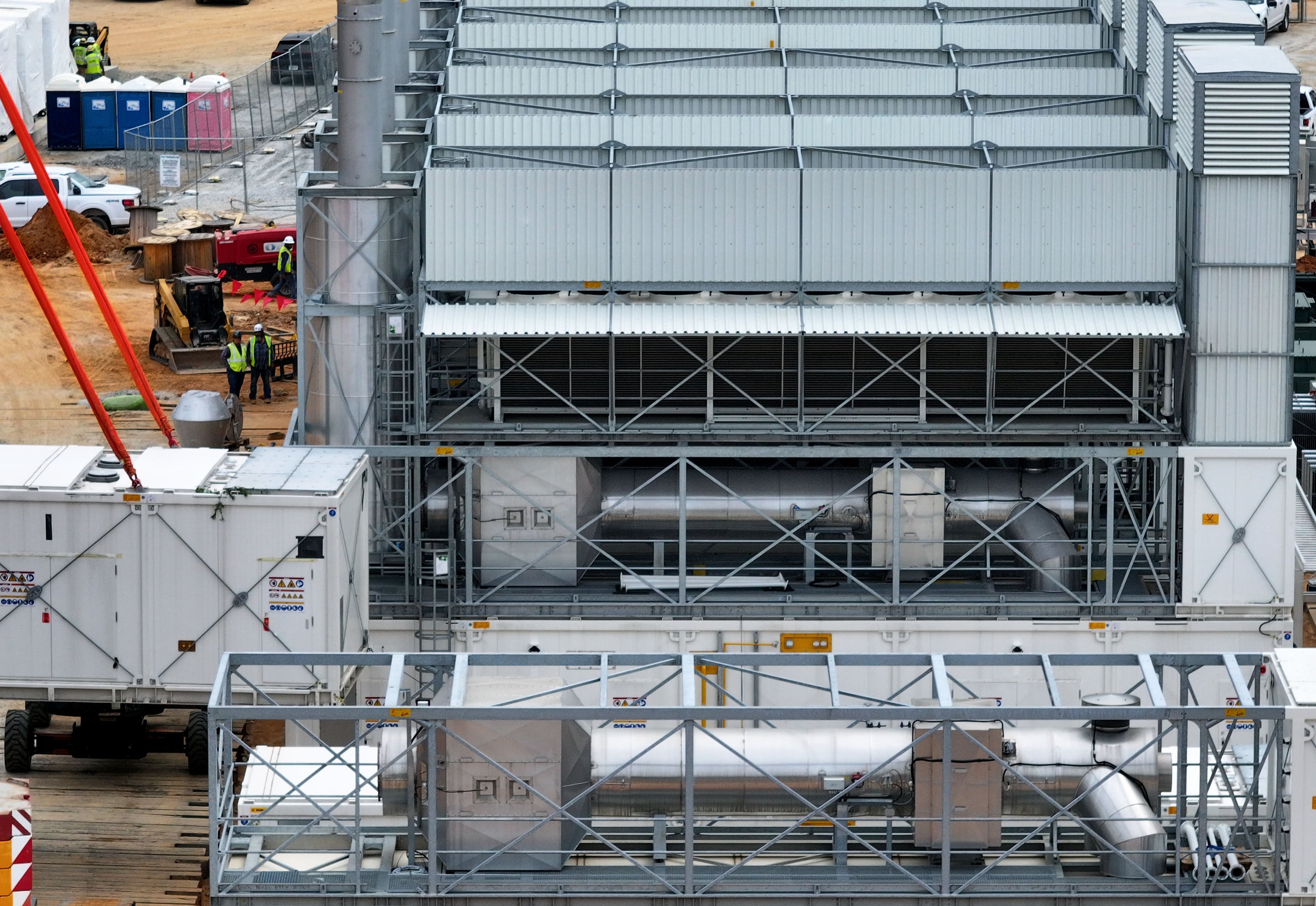
Last week, attorneys from the Southern Environmental Law Center sent a letter to the Georgia Environmental Protection Division arguing VoltaGrid, a Houston-based firm constructing the generators, appears to be in violation of Georgia law and the federal Clean Air Act in its rush to power the Covington facility.
In Georgia, which is delegated authority to enforce parts of the Clean Air Act, permits are required before beginning construction of any facility that can generate air pollution.
Data Surge: An AJC series
Data center development is surging in Georgia with metro Atlanta becoming the fastest growing market for server farms in the U.S. and one of the top locations in the world. But the data center boom has raised many questions about land use, the resources the complexes consume and the risk of costs being spread to other Georgia residents and businesses. The Atlanta Journal-Constitution “Data Surge” takes an in-depth look into the power and water demands of data centers and the deliberations of policymakers about this rising industry.
Part 1: Why mall-sized data centers are popping up across Georgia
Part 2: Data centers become new flashpoint for local controversy in Georgia
Part 3: Data Center Alley has lessons to teach. Is metro Atlanta listening?
Part 4: As data centers flock to Georgia, state lawmakers haven’t pumped the brakes
Part 5: Data centers’ thirst for power and water places Georgia on edge
Part 6: Why Big Tech sees Georgia farmland as ripe for data centers
Part 7: What data center companies are spending for Georgia land might shock you
Part 8: Data centers promise tax gains for Georgia. But are they delivering?
Part 9: Georgia’s sales tax breaks for data centers tally more than $2.5 billion
Part 10: Metro Atlanta cities question how many data centers are too many
Part 11: Atlanta banned data centers in most of the city. One is trying anyway.
Part 12: The data center boom is transforming Georgia. Some residents could lose their land.
Part 13: Georgia’s first data center ‘pop-up’ power plant is breaking rules, groups say
As of Tuesday, VoltaGrid had not been issued a final air pollution permit by EPD, the agency confirmed. Meanwhile, the backup generators for Serverfarm’s data center weren’t issued a final air permit until this week.
When The Atlanta Journal-Constitution viewed the site last week, the VoltaGrid and Serverfarm sites were a hive of activity, with workers assembling engines and electricity infrastructure despite the lack of permits. A crane was busy guiding semi-trailer-sized blocks containing the generators onto freshly poured concrete pads.
The rectangular modules arranged in neat rows house supersized versions of the engines found in most automobiles, a type of generator called a reciprocating internal combustion engine, or RICE unit.
VoltaGrid plans to set up 33 of the engines to supply the data center next door.
In its letter, the SELC argued that, “By jumping the gun, VoltaGrid and Serverfarm are ignoring not only EPD’s legal requirements, but are wholly disregarding the public participation process and the concerns of those living downwind of the facility.”
EPD spokesperson Sara Lips said it was aware of the SELC’s claims and “will investigate the allegations.”
The SELC said it flagged the potential violations on behalf of itself and the nonprofits Sustainable Newton and the Altamaha Riverkeeper. The groups have asked EPD to order an immediate stop to prohibited construction activity and fine the companies for the alleged violations.
Nathan Ough, the president and CEO of VoltaGrid, did not respond directly to a question about the groups’ claims, but said his company “appreciates the opportunity to do business in Georgia” and “will continue to operate in compliance with applicable laws.”
Representatives for Serverfarm did not respond to multiple emails seeking comment.
‘It’s just not right’
In the fast-moving world of tech and artificial intelligence, a delay of a few months can be the difference between success and failure. “Off-grid” electricity stations like this one — with a planned output of 90 megawatts, enough to power at least 36,000 homes — offer a way around the long waits to connect to the power grid.
Maurice Carter, the president and co-founder of Sustainable Newton, said that by commencing construction without final permits, the companies have short-circuited the opportunity for public engagement.

Last year, when EPD released the VoltaGrid facility’s draft air permits, the SELC and Sustainable Newton raised concerns about the air pollution the facility is expected to release, plus offered suggestions for tweaks to its permits and design.
With construction already well underway, Carter said it makes it easier for the company to argue changes to its plans are too difficult or costly to make.
“For them to be putting unpermitted infrastructure in place without answering those very fundamental questions, it’s just not right,” Carter said. “It’s not how you do business.”
‘Shoving everything else aside’
Amid the rush to train artificial intelligence systems, on-site power is becoming an increasingly appealing option around the country to meet data centers’ huge electricity needs quickly. But in other states, projects like VoltaGrid’s have raised concerns about pollution and tech companies’ seeming disregard for the regulatory process.
xAI, the artificial intelligence company owned by Elon Musk, has drawn the ire of environmental and civil rights organizations for powering a data center near the Mississippi-Tennessee border with dozens of unpermitted gas turbines.
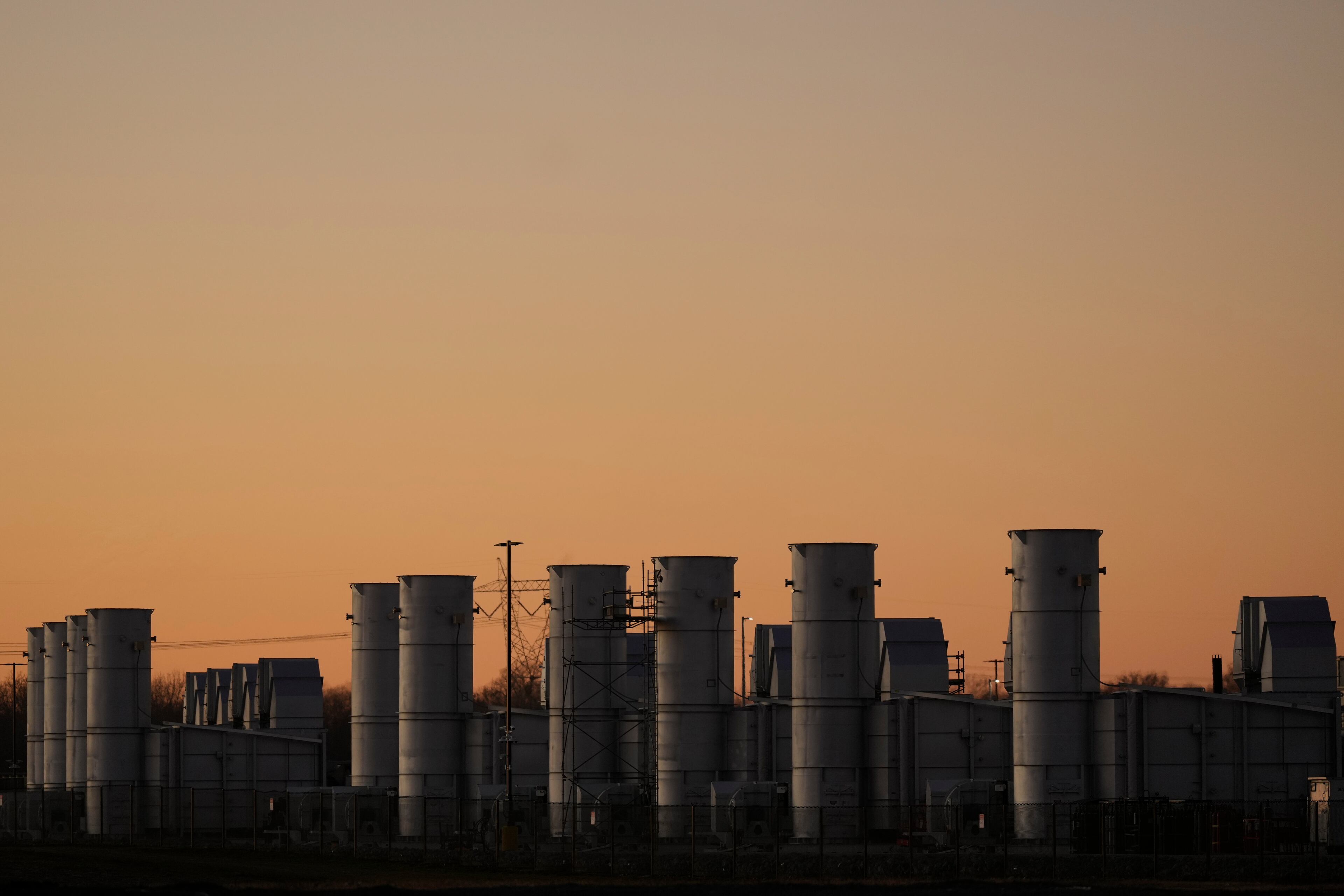
The SELC and other groups are involved in a lawsuit over xAI’s turbines. The litigation is ongoing, but last month, the Justice Department under President Donald Trump argued to a federal court that the case should be thrown out.
As Georgia’s data center boom continues, Patrick Anderson, a senior attorney at the SELC, said he worries about the precedent VoltaGrid and Serverfarm’s hurried construction sets.
“It’s a continuation of what we’ve seen from other data centers, where the need to move so fast for monetary or business reasons is just shoving everything else aside,” Anderson said.