Three new measles cases in metro Atlanta confirmed by state
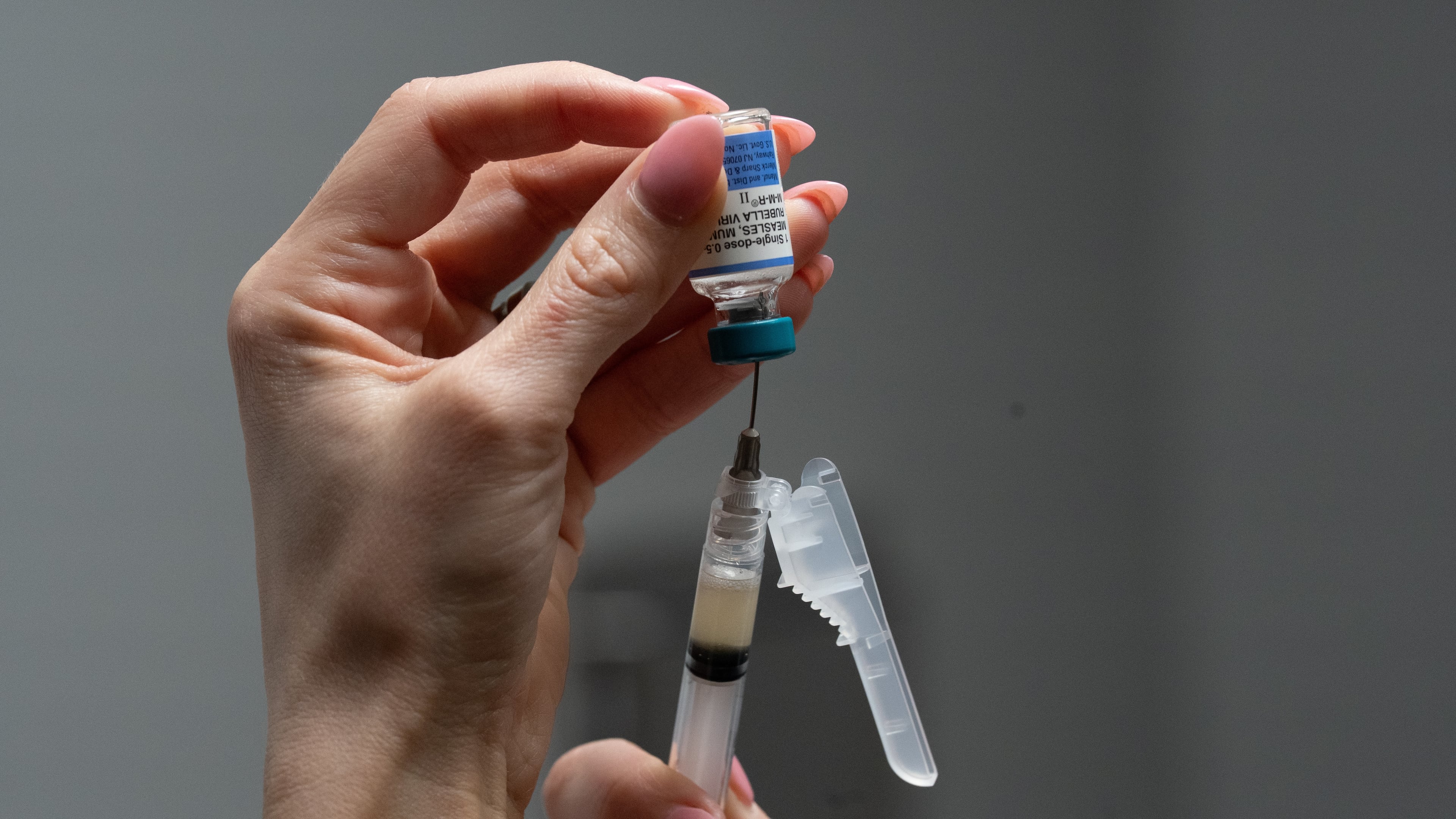

Georgia health officials say three unvaccinated members of a metro Atlanta family tested positive for measles recently after returning from international travel, bringing the state’s total to five cases this year.
Department of Public Health officials said the family was not infectious at the time of travel and did not develop symptoms until after returning to Georgia. The DPH is working with the family to identify individuals who might have been in close contact with them after exposure.
There are currently no reports of secondary cases, health officials said.
Two other measles cases were discovered in coastal Georgia earlier this year. One case involved a baby in an undisclosed county who had recently traveled outside the country; the other case was a Bryan County resident, near Fort Stewart.
South Carolina has the most confirmed measles cases this year with 669, according to the CDC. That is followed by Utah (482), Texas (182) and Florida (138). Texas led the way last year with 803 cases, ahead of South Carolina (333) and Arizona (222), according to the CDC.
There were 10 known measles cases in Georgia last year.
Measles is extremely contagious and spreads through the air when an infected person coughs or sneezes. The virus can remain in the air or on surfaces for up to two hours. The virus is especially dangerous for children under 5 years old.
Health officials say the best way to protect against measles is vaccination, which helps prevent the virus from spreading.
“As long as there are people who are not vaccinated, there will be more cases of measles in Georgia, in the country, and abroad,” DPH spokesperson Nancy Nydam said.
For people who get the MMR (measles, mumps, rubella) vaccine in time, just one dose has a 95% success rate of preventing measles, and two doses lift protection to 98%.
The Centers for Disease Control and Prevention recommends children receive their first dose of MMR vaccine between 12 months and 15 months of age, and a second dose between 4 years and 6 years of age.
For babies aged 6-11 months traveling internationally, the CDC recommends a single dose of the MMR vaccine beforehand, followed by two additional doses after their first birthday.
Overall vaccination rates have fallen in recent years, according to the CDC. Vaccination coverage among U.S. kindergartners has fallen from 95.2% in the 2019–2020 school year to 92.5% in 2024–2025, leaving an estimated 286,000 children at risk of measles this year, health officials say.
About 95% of people need to be vaccinated to prevent widespread transmission of the virus by “herd immunity,” epidemiologists say.
Health officials reinforce how crucial vaccinations are in preventing an outbreak.
“Transmission” begins when vaccination rates drop below 90%, said Dr. Carlos del Rio, professor of medicine in the Division of Infectious Diseases at Emory University.
“The tragedy here is that people shouldn’t get measles because we have a good and effective vaccine,” del Rio said. “The message is: vaccinate your kids.”
There have been nearly 2,000 cases nationwide this year, according to the CDC.
States with the most confirmed cases as of May 21, 2026
— South Carolina, 669.
— Utah, 482
— Texas, 182
— Florida, 138
— New Mexico, 100
Total confirmed cases in the U.S.
— 1,952 as of May 21, 2026.
— 2,288 in 2025.
Source: U.S. Centers for Disease Control and Prevention.