GSP troopers fired after alleged scheme to profit off police chases
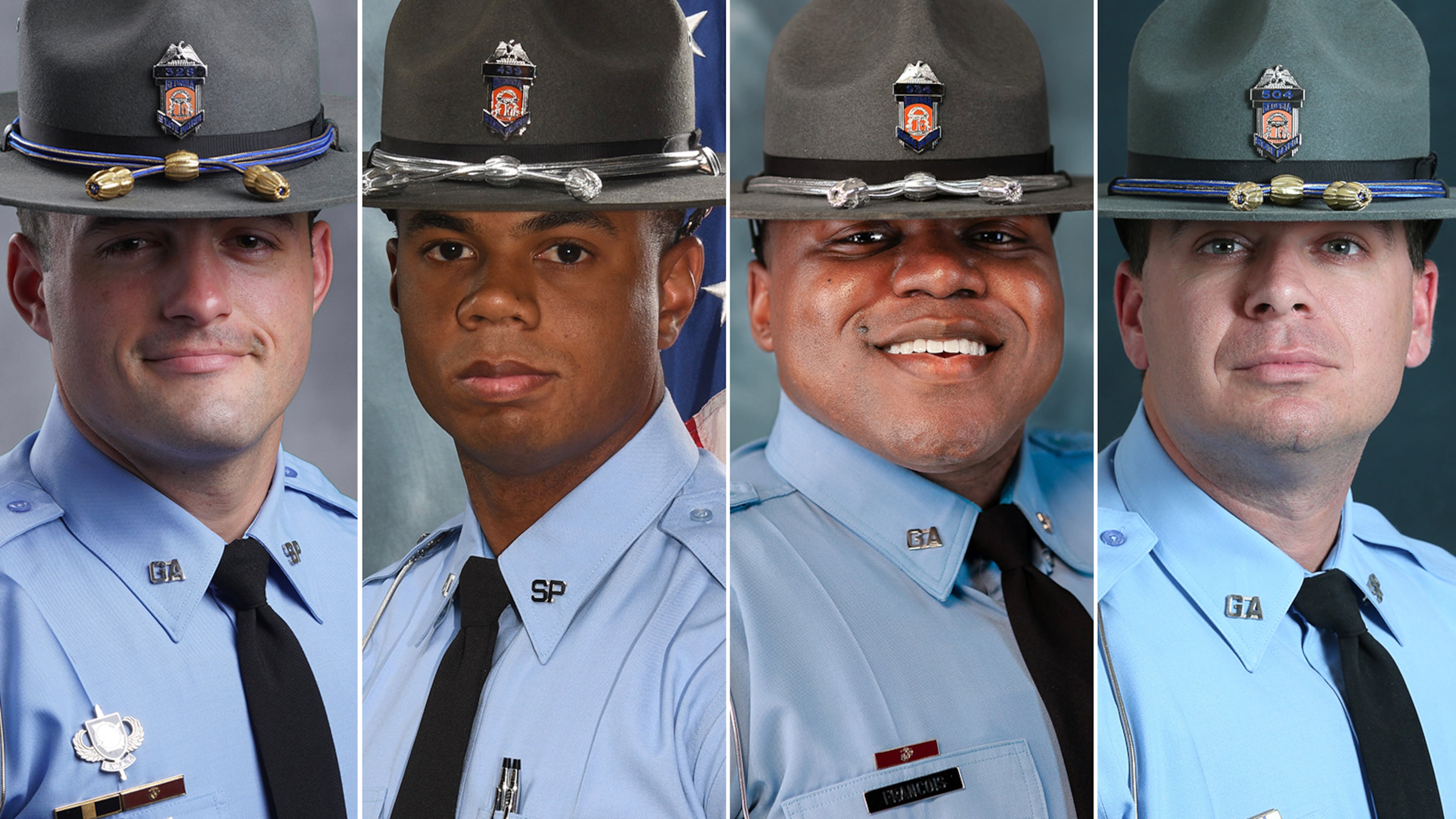

Three Georgia State Patrol troopers and their supervisor were fired from the department after an investigation revealed a scheme where officers used insurance claims to profit off of vehicle chases, an internal report concluded.
The internal investigation determined that after ending pursuits with stop techniques like the PIT maneuver, the troopers were filing personal injury claims against the fleeing drivers’ insurance companies and receiving settlement money — despite reporting no physical injuries stemming from the chases to the department, the report said. Each settlement payout was up to $25,000.
The troopers’ supervisor was fired after failing to report their conduct and after failing to recognize it as a conflict of interest, according to the report.
The firings are the latest episode to raise questions about the patrol’s controversial and aggressive pursuit culture. An investigation by The Atlanta Journal-Constitution that concluded last year identified the patrol as one of the most aggressive agencies in the country when it comes to high-speed pursuits, which regularly led to injuries and deaths to passengers and bystanders.
One of the troopers involved in the insurance scheme, Tyler Byrd, admitted to investigators that making the claims against fleeing drivers was a way to supplement his salary and that he and the others had “found a way to make money in addition to [a] paycheck,” according to an investigative summary obtained Monday through an open records request.
The investigation by the Department of Public Safety’s Office of Professional Standards was lodged in late January after a sergeant reported overhearing troopers from the Nighthawks South task force, based in Savannah, making jokes about recent pursuits. Some of those PIT maneuvers would qualify for a check, the troopers joked, according to the report.
Over the course of several interviews, investigators determined troopers Byrd, Hunter Waters and Isaiah Francois had been sending crash reports to a private attorney who would then send demand letters to the insurance companies on the troopers’ behalf.
The three troopers collectively were involved in at least 17 pursuits that ended in PITs between 2021 and 2023, according to an AJC analysis of public records. It is not clear which or how many pursuits the troopers attempted to file claims over; investigators said the troopers turned over less than half the number of crash reports that they sent the attorney.
The AJC’s investigation in late 2024 and 2025 determined GSP troopers operate under some of the loosest pursuit policies among law enforcement agencies nationwide. The agency’s troopers were involved in more that 6,700 pursuits over a five-year period, which resulted in more than 1,900 injuries and 66 deaths. About half of those harmed were bystanders and passengers.
The PIT, a controversial tactic where officers ram their vehicle into a fleeing car, was used in more than 2,000 chases during that same period.
The AJC’s investigation also found that lawsuits over deaths or injuries to bystanders and passengers rarely succeed. The state agency is shielded from most legal liability by GSP’s pursuit policy and by broad legal exemptions in Georgia law.
Waters, who had been with GSP since 2018, told investigators the attorney had sent about eight demand letters to insurance companies on his behalf. Three of those resulted in settlements. Waters said he paid the attorney a third of the settlements, leaving him with roughly $50,000.
Byrd, who had been employed as a trooper since 2022, received two $25,000 settlements, leaving him with about $33,000 after attorney’s fees.
Francois had been in law enforcement since 2018 and was hired by GSP in 2023. He had not received a payout at the time of the investigation, but was expecting a $25,000 settlement.
Francois told investigators there was “no ethical violation” for him seeking settlements from insurance companies of a fleeing driver.
The troopers’ supervisor Sgt. Joseph Curlee told investigators he did not report the troopers’ conduct. He said the troopers were seeking the insurance claims as private individuals, “not as members of the department,” according to the report.
Curlee had been in Georgia law enforcement since 2008, according to the Georgia Peace Officer Standards and Training Council (POST) records. He began his career as a Savannah police officer before being hired as a GSP trooper in 2012. In February 2021, he was promoted to the rank of sergeant.
He told investigators he believed there was “not really any policy” on it, the investigative report said.
The department’s code of conduct says employees should not seek compensation stemming from performing their official duties “unless authorized by the commissioner.” According to the investigative report, no commanding officers nor the commissioner were made aware of the crash reports being sent to the private attorney or the demand letters sent over the officers’ “purported personal injuries.”
Investigators looked at 16 crash reports the troopers had sent to the attorney. Of those cases, only one reported an injury to an officer.
Despite that, the demand letters sent by the attorney had statements of “body aches” and “soreness from the impact,” the investigative summary said. The letters also reference the troopers’ anxiety and trouble sleeping after the crashes.
“The body of each letter is the same, including the same typographical errors,” the investigative report said, adding that they cite the same Georgia code for policy limits.
“There is no mention that Byrd and Francois are law enforcement officers or that vehicle contact was made in performance of the job. There are no medical bills, claims of medical care, or listing of injuries,” the report said.
Contacted by phone on Monday, Byrd declined to comment, as did Curlee and Francois. Waters did not respond to phone messages and texts.
A state patrol spokesperson did not immediately respond to a request for comment. In a statement posted on the Department of Public Safety’s Facebook page, the agency said it holds its troopers and officers to a “high standard.”
“The actions of these few individuals do not reflect the core values of professionalism and trust that define our agency,” the statement said.