Even Mercedes-Benz Stadium’s owner had World Cup ticket sticker shock
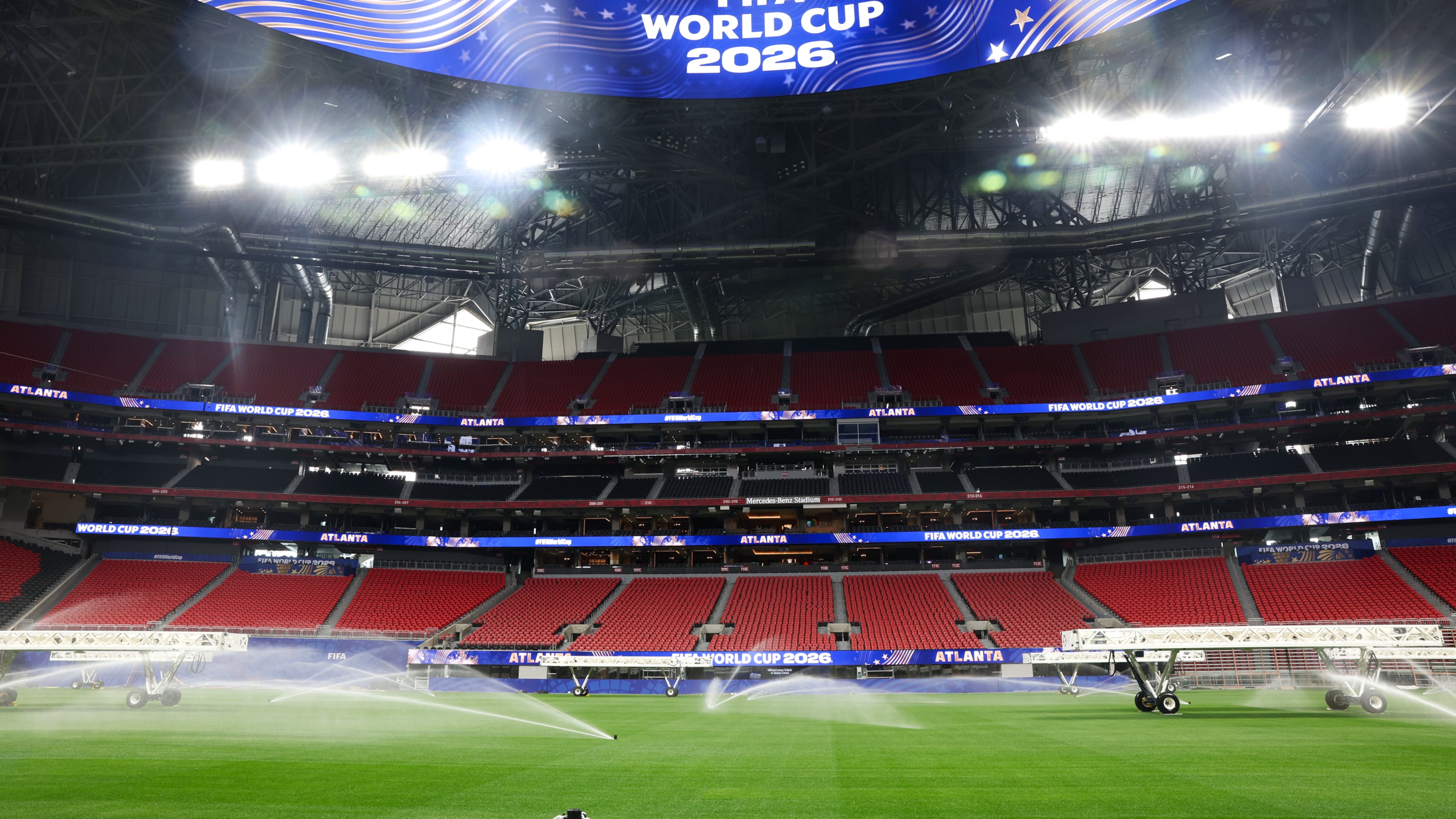

When stadium suites for the FIFA World Cup went on sale last year, the prices were so high that even the owner of Mercedes-Benz Stadium hesitated to buy one.
The Georgia World Congress Center Authority, the state agency that owns the building that will be called Atlanta Stadium during the World Cup, has two suites to entertain customers when the facility hosts routine events like Atlanta Falcons games.
Keeping them for all eight of Atlanta’s World Cup matches would be costly, the agency learned.
At $596,000 for the duration of the tournament, the cheapest suite would cost more than the typical home in metro Atlanta. The most expensive option ran more than $1.1 million, a price that included “arrival champagne” and all-inclusive food and drink.
While GWCC owns the building, it doesn’t run the events there or sell the tickets to get in.
“We are starting to believe a suite at this time is not the most prudent use of public funds,” GWCC chief commercial officer Joe Bocherer wrote in an email at the time.
In an interview Wednesday, GWCC chief executive Kevin Duvall said the agency concluded that booking a suite was worthwhile, because it would help sell event organizers on the colossal convention center it runs next door to the stadium.
But to defray the cost, GWCC decided to split an $885,500, 22-seat suite with the Atlanta Convention and Visitors Bureau, a taxpayer-funded nonprofit that markets the city to tourists and event organizers. Both agencies also decided to buy hundreds more tickets apiece, their leaders said.
All told, the two agencies spent more than $1.2 million on the suite and tickets, The Atlanta Journal-Constitution found: GWCC spent $612,000 and the visitors bureau $615,000. On average, their tickets cost about $1,800 apiece, including the suite tickets.
For the visitors bureau, the ticket spending is one part of a marketing plan around the World Cup expected to cost more than $3 million in all, records show.
“Any large event like this, we understand the pricing is going to be expensive, and if we wanted to have guaranteed inventory, we were going to have to participate in the pricing,” Duvall said. “We just said, no, we can’t go that alone, that’s not a good position for us to be in.”
The New York Post first reported on GWCC’s ticket purchases and its price concerns.
While GWCC owns Mercedes-Benz Stadium — which will change its name during the tournament because FIFA doesn’t allow host stadiums to use their corporate sponsors’ names — it outsources the venue’s day-to-day operations and ticket sales.
That job falls to AMB Sports and Entertainment, the owners of the Falcons and the Atlanta United soccer club. AMB declined to comment. Ticket prices are set by FIFA, which did not respond to a request for comment.
The leaders of GWCC and the visitors bureau say their thinking is simple: They’re in the business of selling Atlanta and booking big events like conventions and trade shows. World Cup matches give them a chance to show the city in action, and they’re a powerful enticement to convince event organizers to see the transformation of downtown and Centennial Yards.
“I know that some people may have a hard time believing it, but if we land one convention out of this, it will easily have a return that easily justifies the cost of what we paid for tickets,” Duvall said.
When GWCC first considered a suite rental, Bocherer predicted there wouldn’t be enough demand across the World Cup’s 16 host cities to support the astronomical prices, and he suggested buying individual tickets instead. But when he checked on the prices for club-level tickets, he found those were costly, too, starting at more than $21,000 for the tournament.
“Wow! This is still crazy…” wrote Bocherer, who oversees the convention center’s sales and marketing efforts.
The agency ultimately decided to buy regular tickets instead, at prices running from $180 for group stage matches to $3,040 in the semifinal round, records show.
William Pate, president and chief executive of the visitors bureau, said his organization was offering tickets to the organizers of 100 conventions and conferences, including some that have hosted events in Atlanta in the past. The list of prospects includes trade shows for cancer researchers and truckers; volleyball and cheerleading competitions; and a smattering of Fortune 500 companies.
As an extra perk, the biggest convention targets will also be offered expenses-paid trips to Atlanta for the World Cup, Pate said, if they agree to join tours of the city’s event venues and amenities. Those visits, called “familiarization trips,” are expected to cost another $146,500, including hotels, dinners and airfare, visitors bureau budget documents show.
If any of them pick Atlanta, they could bring millions of dollars into the city, Pate said.
“It gives you a reason to come,” Pate said, adding: “We’re gonna end up booking a lot of business coming out of this.”
Pate and Duvall said their organizations have employed a similar strategy for other major events, like the Super Bowl and the NCAA Final Four.
In their view, then, ponying up for World Cup tickets was just the cost of doing business in the competitive world of booking conventions.
And despite the high price, they said, locking down tickets meant they didn’t have to risk paying resellers even more: If they’d taken their chances on secondhand tickets, Duvall said, they might have been out of luck.
Data journalist Jennifer Peebles contributed to this report.