Gov. Kemp proposes $50 million to help cities combat homelessness

Perhaps the most surprising element of Gov. Brian Kemp’s legislative agenda this year is one of the smallest items on his wish list: a $50 million plan to combat homelessness.
It’s a legislative request that caught off guard advocacy groups and local officials who are unaccustomed to Republican leaders elevating street-level homelessness as a priority — and who, at one point not long ago, looked to punish cities like Atlanta for the problem.
That’s what happened in 2022, when Senate Republicans introduced a bill that would have penalized cities for having higher-than-average homeless populations. It was part of a trend of rural GOP legislators pushing measures that city leaders adamantly opposed.
But the proposal failed and sparked an unusually fierce backlash from Atlanta officials and advocacy groups working on the front lines of homelessness. And it helped set the stage for a broader effort to ease city-state tensions that deepened during former Atlanta Mayor Keisha Lance Bottoms’ administration.
Citing trust in Atlanta Mayor Andre Dickens, Kemp underscored the importance of pouring funds toward homelessness ahead of FIFA World Cup games that are expected to bring 300,000 visitors to downtown Atlanta.
“When people from around the world visit our capital city in the coming months for the FIFA World Cup, they will not only see a state with a thriving economy but also one that cares about its people,” Kemp said at the Georgia Chamber of Commerce’s Eggs & Issues breakfast in January.
Kemp leaned on familiar conservative language to make a pitch for what he calls a Homelessness Response Grant, insisting it isn’t a “handout program with limited impact” but a carefully calibrated effort to help foster more stability for the neediest Georgians.
If approved by the Legislature, the funding would go toward emergency shelter and transitional housing, street outreach and engagement teams, and wraparound services like substance abuse programs.

The announcement is a testament to the strong relationship between Atlanta and state leaders that — before Dickens took office — dissolved during the COVID-19 pandemic.
After beginning his first term in 2022, the mayor made mending fractures between City Hall and the Gold Dome a top priority.
On the second day of the annual legislative session this year, Dickens was spotted in the state Capitol building meeting with Republican leaders. The mayor has made fighting homelessness a centerpiece of his time in office, along with the lofty affordable housing goal of creating or preserving 20,000 units by 2030.
Dickens argued that homelessness is not confined to big-city streets but is increasingly a statewide concern reaching into suburban and rural Georgia. He’s also the first mayor of Atlanta to serve as chair of the Atlanta Regional Commission.
“I’ve gone down to visit folks in South Georgia, and they have challenges with homelessness — they’ve seen an uptick as the cost of living across America has gone up,” Dickens said in an interview.

The race to be World Cup ready
Longtime community advocate Tim Franzen said $50 million could be enough money to serve 1,500 to 2,000 unhoused individuals with support services for a little more than a year.
“That might sound like a big number, but it costs a lot more (when they are) on the street,” he said. “People say: ‘Oh, we don’t want to do wraparound services.’ But guess what? We already are. It’s called Grady, police — and it’s a lot more expensive than putting people in a home and giving them the services to stay in a home.”
Franzen and other advocates working on the ground say the money needs to be distributed quickly if it’s going to have an impact ahead of the World Cup games, which start in June.
“There’s not a lot of time to put a whole lot of thought into this,” Franzen said. “The money needs to go immediately into existing vendors that are building these units right now.”
Atlanta is looking to “eliminate” downtown homelessness through a controversial plan dubbed “Downtown Rising” that looks to house 400 people ahead of the World Cup.
Advocates worry the plan could lead to arrests and incarceration — echoing the crackdown before the 1996 Summer Olympics, when an estimated 9,000 homeless people were arrested, according to the Brookings Institution.
“If we don’t move now, we have hundreds and hundreds, maybe even 1,000 unhoused people in the footprint of this event, and they will go somewhere,” Franzen said.
According to Partners for HOME, the nonprofit that helps coordinate the city of Atlanta’s homeless strategy, it costs between $25,000 and $32,000 to house one individual with services for one year.
Courtney English, the mayor’s chief of staff, said the administration is working with the governor’s office to build out the program but is still awaiting more details on the timeline.
“World Cup is important, but Atlanta and the state of Georgia is going to exist long after the World Cup has come and gone,” he said. “The mayor has always said Atlanta is a group project. And we need all our partners to step up on this issue and all the issues facing Atlanta and Georgia.
“We’re glad the state is participating in the group project.”

Will state leaders OK Kemp’s plan?
It’s still a work in progress, but the contours of the proposal are becoming clearer.
Department of Community Affairs Commissioner Chris Nunn said the initiative will take the form of a “flexible competitive grant program” that requires matching funds from local communities and philanthropic partners.
“While $50 million is a lot of money, at the same time when you consider the housing needs statewide, it’s not that much,” Nunn said. “To stretch these funds further, we expect these applications to include matching funds, and I’ve already had conversations with philanthropic providers and communities.”
Early reaction has been positive from both sides of the aisle. Still, bipartisan interest doesn’t mean Kemp’s proposal is a shoo-in for passage. Lawmakers are likely to pore over every item on the governor’s agenda, and layer in their own priorities.
State Rep. Kasey Carpenter, a Dalton Republican, offered an early glimpse of potential pushback, asking Nunn whether the state could be more “cost efficient” by focusing on Georgians who are not yet homeless.
He argued it costs less to keep someone in stable housing than to help them climb back once they’ve fallen into homelessness.

“We could get more bang for our buck that way,” Carpenter said. “Some people might just need a couple hundred dollars to pay their rent, versus needing $1,000 to get one person off the street.”
Supporters say they expect more skepticism ahead. To build his case, Nunn has pointed to a 2020 study from the Government Accountability Office that indicated a $100 increase in median rent was associated with a 9% increase in homelessness.
“This $50 million isn’t going to solve all the housing issues in our state,” said Nunn, noting that his agency once administered $1 billion emergency rental assistance during the coronavirus pandemic.
“The intent here is a flexible program that meets local needs,” he said. “The solutions in Rome are going to look different than they will in Toccoa or Atlanta.”
About the Authors
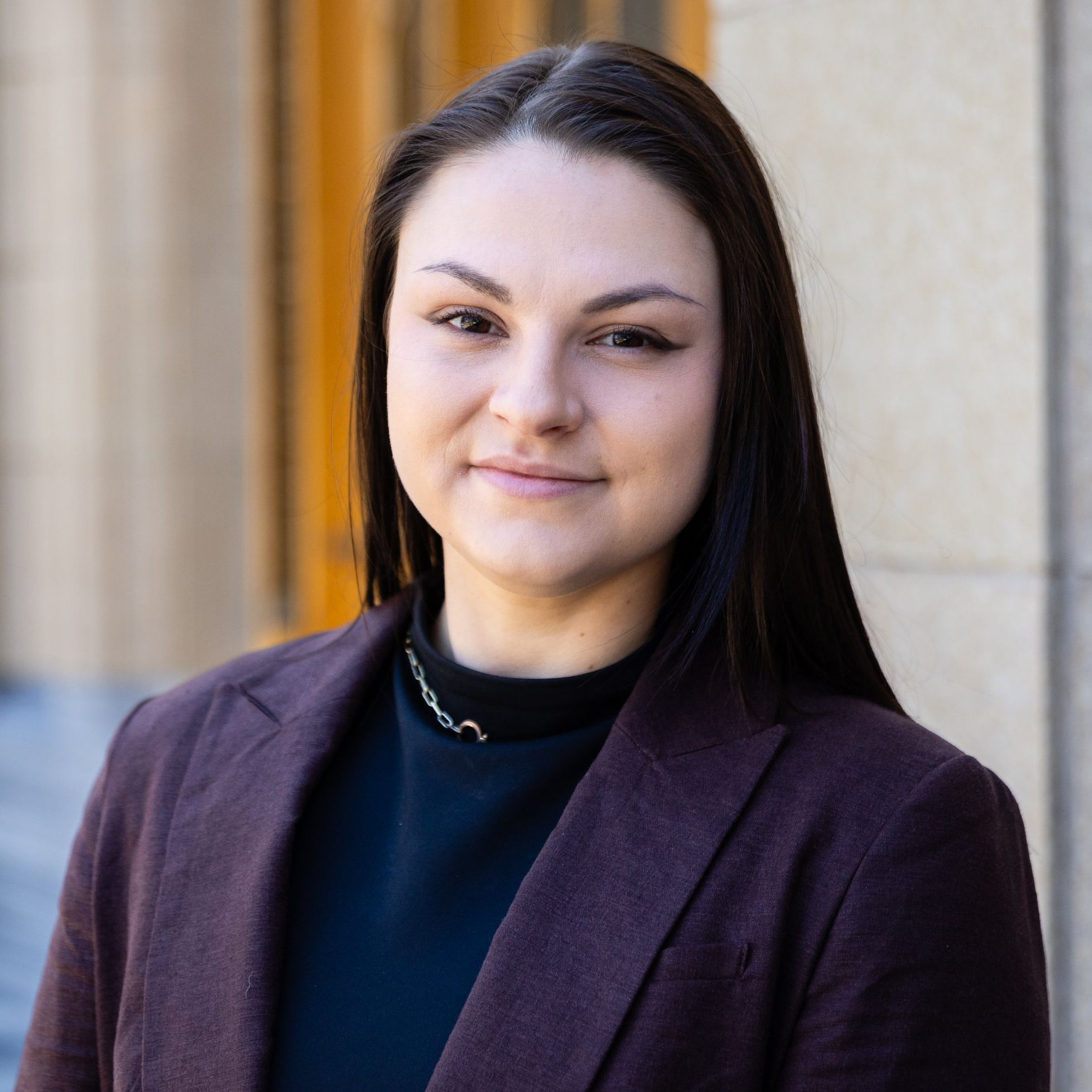
Riley Bunch is a reporter on the local government team at The Atlanta Journal-Constitution covering Atlanta City Hall. She covers the mayor and Atlanta City Council while also keeping an eye on the city’s diverse neighborhoods.
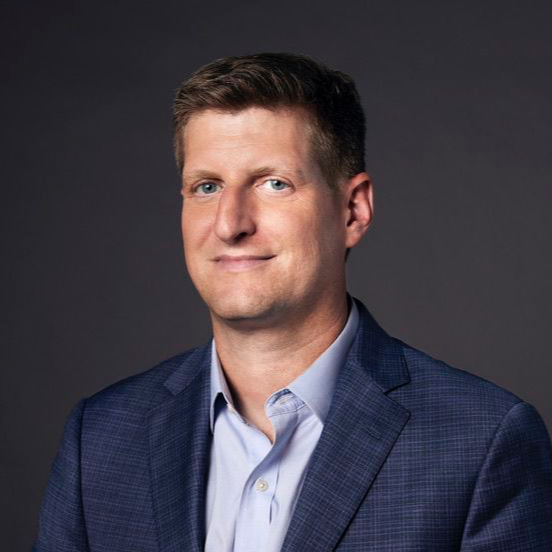
Greg Bluestein is the Atlanta Journal Constitution's chief political reporter. He is also an author, TV analyst and co-host of the Politically Georgia podcast.


