How Atlanta plans to curb violence on Edgewood Avenue
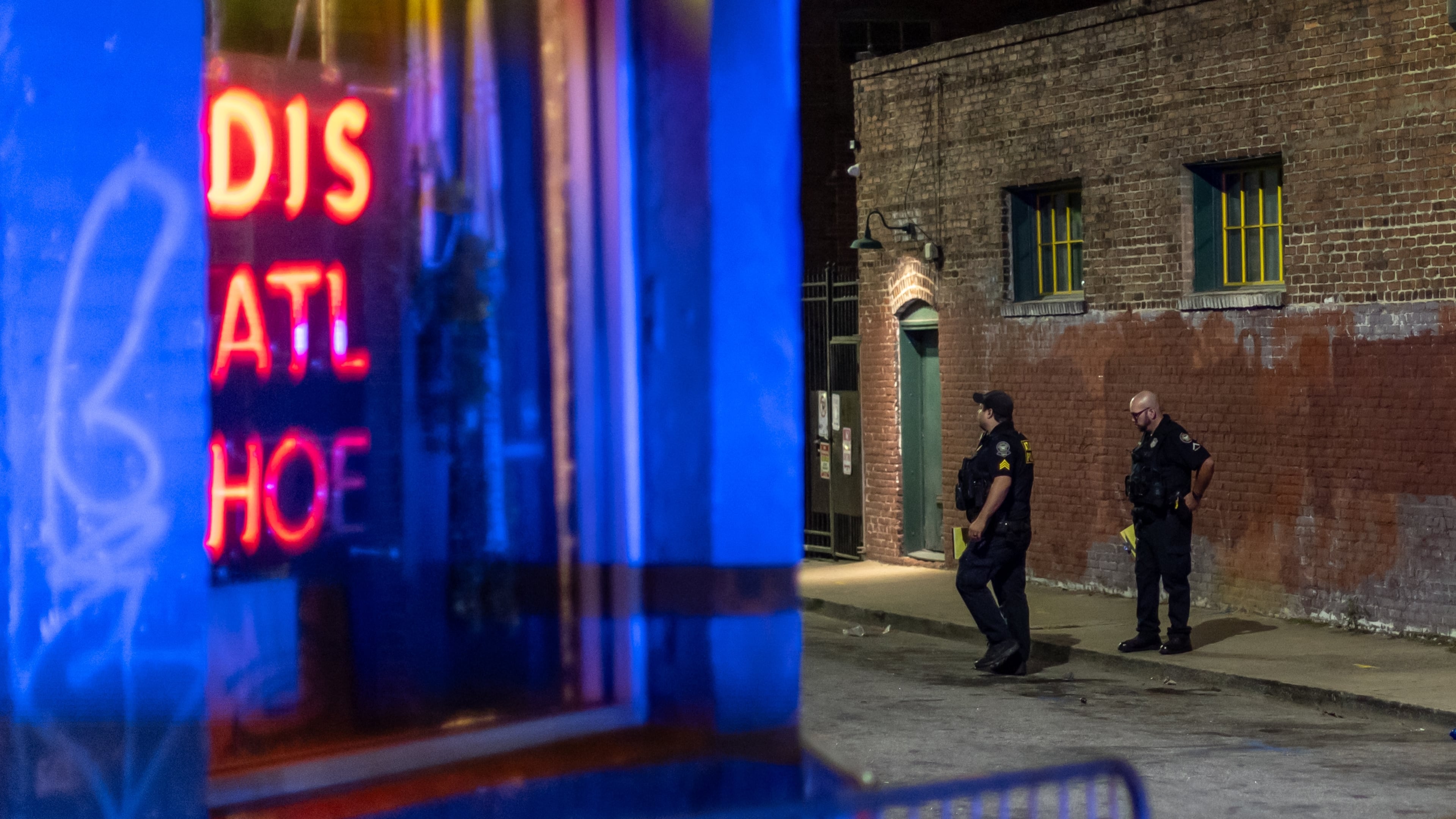
In July, residents in Sweet Auburn were left reeling after four shootings on one weekend left 16 people wounded and a man dead along Edgewood Avenue.
Violence concentrated along the popular nightlife strip nestled in the middle of the Rev. Martin Luther King Jr.’s home neighborhood prompted community leaders to call on city officials for help.
A task force charged with coming up with ways to bolster public safety in the historic neighborhood recently released its plan to combat crime. It includes pausing new liquor licenses, cracking down on party houses, installing more cameras and adding a “mini” police precinct.
“This is the end of analysis and the beginning of accountability,” said council member Liliana Bakhtiari, who represents the area. “The task force delivered a clear road map. The city’s obligation now is not to dilute or delay it, but to implement.”
According to the task force report, about 2,155 residents live in the predominantly Black neighborhood, where nearly half of households live below the federal poverty line.
While the shootings last summer prompted the city to step up enforcement by adding more police patrols during the weekend, some business owners told The Atlanta Journal-Constitution they planned to hire off-duty officers for security at their own expense.
---
Atlanta looks to renew popular e-bike program
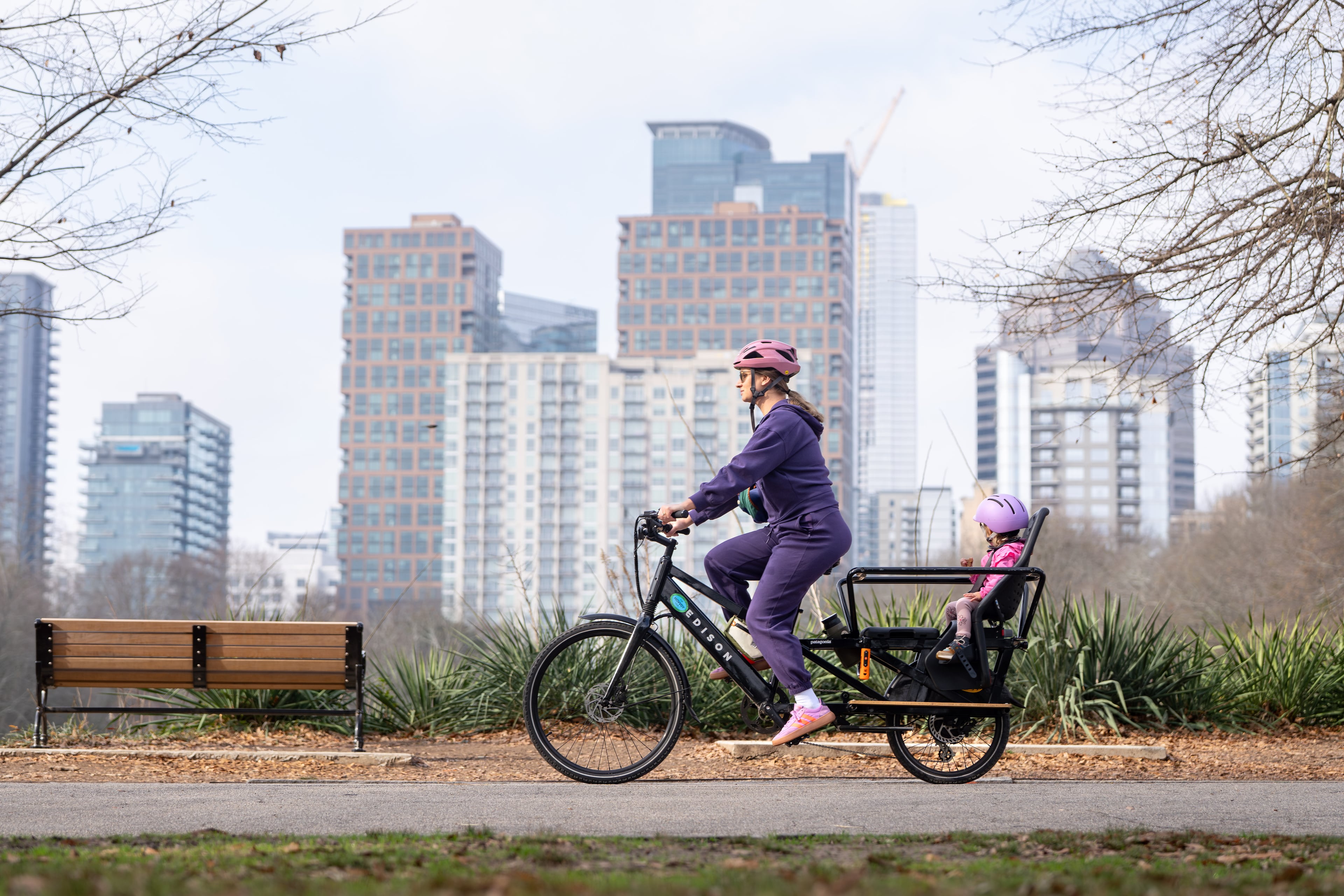
Atlanta leaders are working to get cars off the road by encouraging alternative forms of transportation like e-bikes, which spiked in popularity after the COVID-19 pandemic.
In 2024, the city launched its first e-bike voucher program that paid more than 500 income-qualified Atlantans anywhere from $1,500 to $2,000 toward purchase of a standard or cargo e-bike.
The first round of the $1 million program saw 11,000 applicants.
Now, City Council members are looking toward a second round of funding — that’s once again earmarked exclusively for spending at local bicycle shops.
According to a report from the Atlanta Regional Commission, which oversaw the program in conjunction with Propel ATL, a transit advocacy group, Atlantans who received a voucher were taking 40% fewer car trips to work or school.
That also cuts costs for families who opt to leave their cars at home. The U.S. Bureau of Labor Statistics found that Atlanta residents spend more than $13,000 annually on transportation.
Legislation authorizing a second round of the program was introduced last week at the City Council meeting and will be reviewed by committees before coming before the full council for approval.
---
Got tips, tricks or just want to say hello? Email me at riley.bunch@ajc.com. Sign up to get the AJC’s Inside City Hall newsletter directly to your inbox by visiting ajc.com/newsletters/riley-bunch-columnist.

About the Author

Riley Bunch is a reporter on the local government team at The Atlanta Journal-Constitution covering Atlanta City Hall. She covers the mayor and Atlanta City Council while also keeping an eye on the city’s diverse neighborhoods.


