Black history at 100: Five years that changed Atlanta
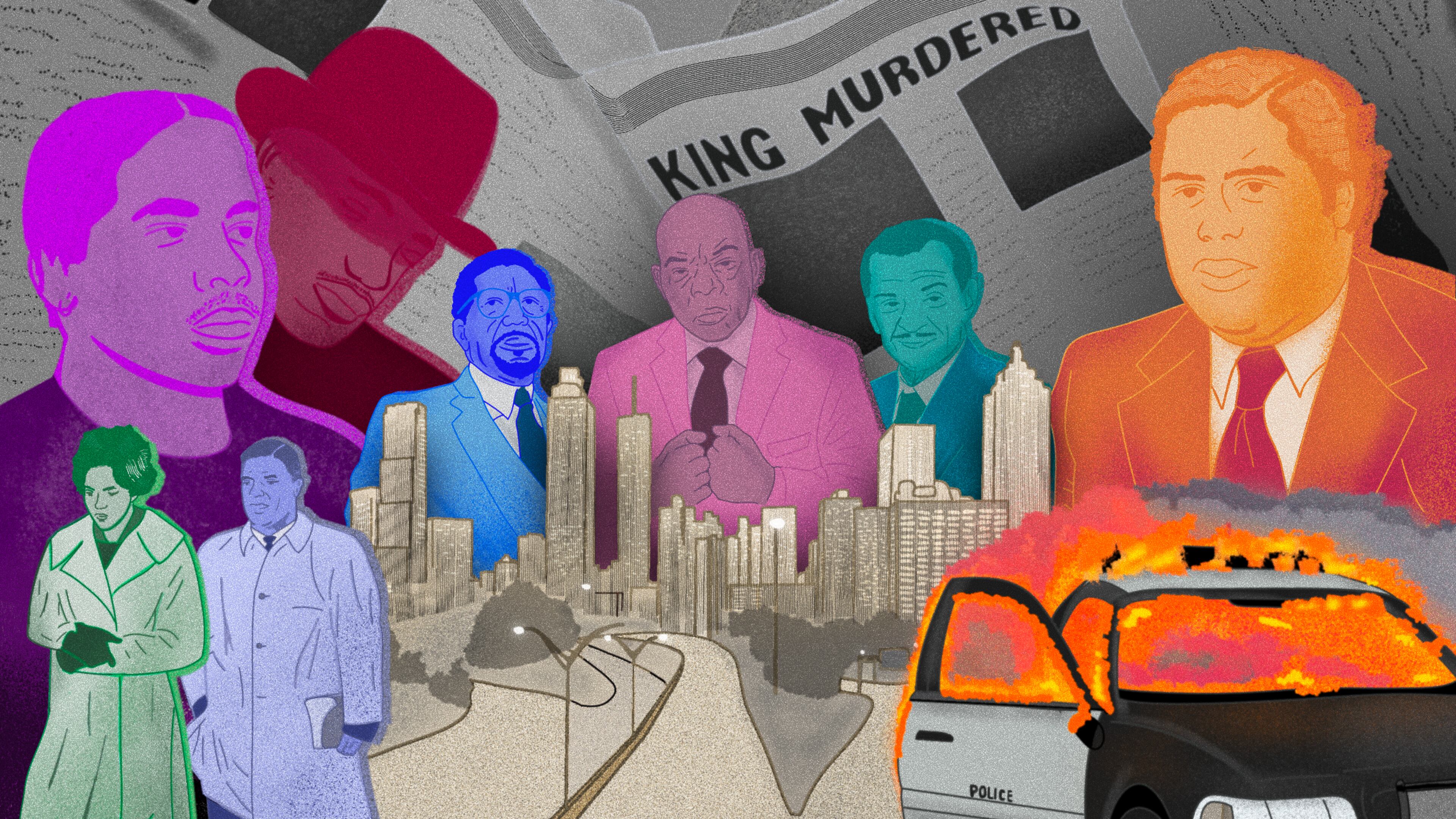
In 1929 — at least for Black Atlantans — Atlanta sat at a crossroads.
It was a place of opportunity, tightly fenced by segregation. Black residents built schools, businesses, churches and neighborhoods even as Jim Crow laws dictated where they could live, learn, work and vote. Atlanta was, at once, one of the most promising Black cities in the country and one of the most rigidly controlled.
The slogan “the city too busy to hate” had not yet entered the civic lexicon, but the logic behind it was already visible. White leaders favored economic order over racial terror.
Not equality, but segregation instead of the mob violence seen elsewhere in the South. For Black Atlantans, that uneasy balance created narrow but vital space to build institutions of their own.
About the Author

Ernie Suggs is an enterprise reporter covering race and culture for the AJC since 1997. A 1990 graduate of N.C. Central University and a 2009 Harvard University Nieman Fellow, he is also the former vice president of the National Association of Black Journalists. His obsession with Prince, Spike Lee movies, Hamilton and the New York Yankees is odd.

