Atlanta kava bars offer island culture, alcohol-free social spaces

During a recent gathering at Kava Mama in Mechanicsville, Alofamoni Galoia dunked a mesh cloth full of ground kava root into a tanoa (bowl) brimming with water and methodically squeezed. The harder Galoia pressed, the stronger the kava beverage became.
Kava is a plant native to the South Pacific Islands, whose roots have been used for centuries to make drinks for both recreation and traditional ceremonies. When a kava drink is made fresh and imbibed soon after, it’s said to produce a calming effect.
Kava bars, similar to coffee houses, have a growing presence in the United States, including in Atlanta. Some, such as Kava Mama, focus on the cultural and traditional benefits of drinking kava, while others, like Tea’z Social and the Sober Social, offer kava as an alcohol-free beverage to enjoy while socializing and relaxing.
Angie Lizarraga, her long hair occasionally dyed blue with butterfly pea flower, is the Kava Mama for whom the shop is named. She, along with her husband Shaun Capuy (aka Kava Papa), opened Kava Mama’s brick-and-mortar location in the Railyard complex about four years ago.
“What you put into the kava is what you’re gonna get out of it,” explained Galoia, who is from American Samoa. Her hands methodically squeezed and massaged the bag of kava root in a meditative process.
“You gotta give it love so it can give love back,” Lizarraga added.
Once the kava beverage is ready, it is poured into halved coconut shells or small glasses and distributed to those in attendance at the monthly gathering.
“Bula,” the group says in unison before clapping twice and throwing back the tepid liquid. In Fijian, the word bula directly translates to life, but it’s said across Fiji and in kava bars everywhere before drinking a shell of kava.

The brown drink has a bitter, earthy taste, not something a person would want to sip on, and it numbs the mouth for a few minutes immediately after drinking. The freshly brewed kava will only last about three days before it loses its strength.
Lizarraga said she learned about kava while searching for a way to help people calm their minds without alcohol. “In Fiji, they believe alcohol tears families apart, but kava brings them together,” Lizarraga said.
Capuy said many of their customers come to Kava Mama in search of a sober social environment since Kava Mama doesn’t allow alcohol on the premises. In the evenings, there are often events like music, talent shows and game nights.
“There’s not many places you can go to just hang out at like 9 p.m. if you don’t want to be around alcohol,” he said. “We’ve kind of built a community around that.”
When Lizarraga decided to bring kava to Atlanta, it was important to her that the bar represented kava’s indigenous practices, even through the decorations; a mural across one wall depicts a traditional kava ceremony on the islands, and the flags of Fiji, Samoa and American Samoa hang on the walls.
Creating alcohol-free social spaces
Creating a place to gather and socialize without alcohol is the motivation behind other kava bars in Atlanta.
Tea’z Social in Little Five Points opened about a year ago. Owner Joe Lewis and his business partner, Casey Deyton, met while working in nightclubs. Two decades of nightlife were taking a toll on Lewis’ body, he said. In Atlanta, in particular, he found it difficult to find spaces that didn’t revolve around drinking.
“We wanted to find another way to live. We didn’t want to have to drink all the time and make that such a part of our lives,” Lewis said.
Their solution is Tea’z Social, offering a variety of kava beverages and social programming, similar to what a person may find at a bar. The large building includes a TV and gaming area, board games, a reading nook, an outdoor space for yoga classes and pool tables. In the evenings, they host events like drag shows and open mics.
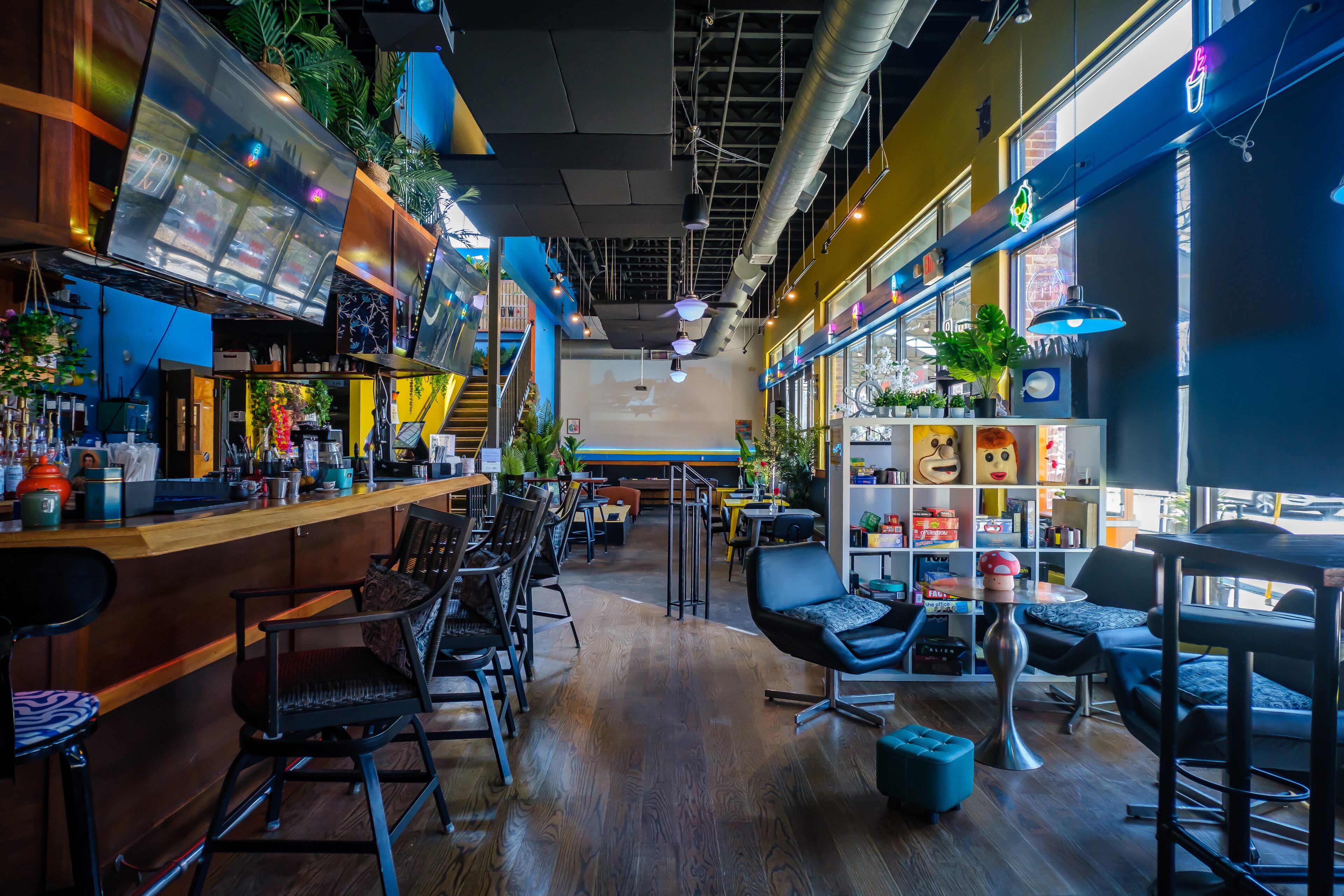
Getting the business off the ground, especially as a social space without alcohol, has been a challenge, Lewis said, and it’s required a lot more intentional marketing and programming on their part. But he believes some of the younger groups who come in are interested in a new lifestyle — “they haven’t made space for drinking” in the same way as generations past, he said.
The percentage of adults who drink is the lowest it’s been in almost 90 years, according to a recent Gallup poll, which has been tracking Americans’ drinking behavior for decades, and the percentage of young adults who say they drink has fallen from 59% in 2023 to 50% in 2025.
Aja Wolfe opened the Sober Social about four years ago inside the Koncept House building in Castleberry Hill. It’s trendy and positioned like a cocktail bar, albeit one that doesn’t serve alcohol.
Wolfe wanted to open something between a coffee shop and a bar, and since she’s never been much of a drinker, she decided to try a nonalcoholic bar that specializes in mocktails, THC drinks, kava and adaptogens, which are plants, herbs and fungi, like ashwagandha or lion’s mane mushrooms.
She recognized that, while more people may be moving away from alcohol, they still want a way to relax at the end of the day. She hand-squeezes her Fijian kava and usually offers it on Fridays and Saturdays until it runs out. Because the taste can be off-putting, she started offering “Kava Koladas” made with pineapples and coconut milk.
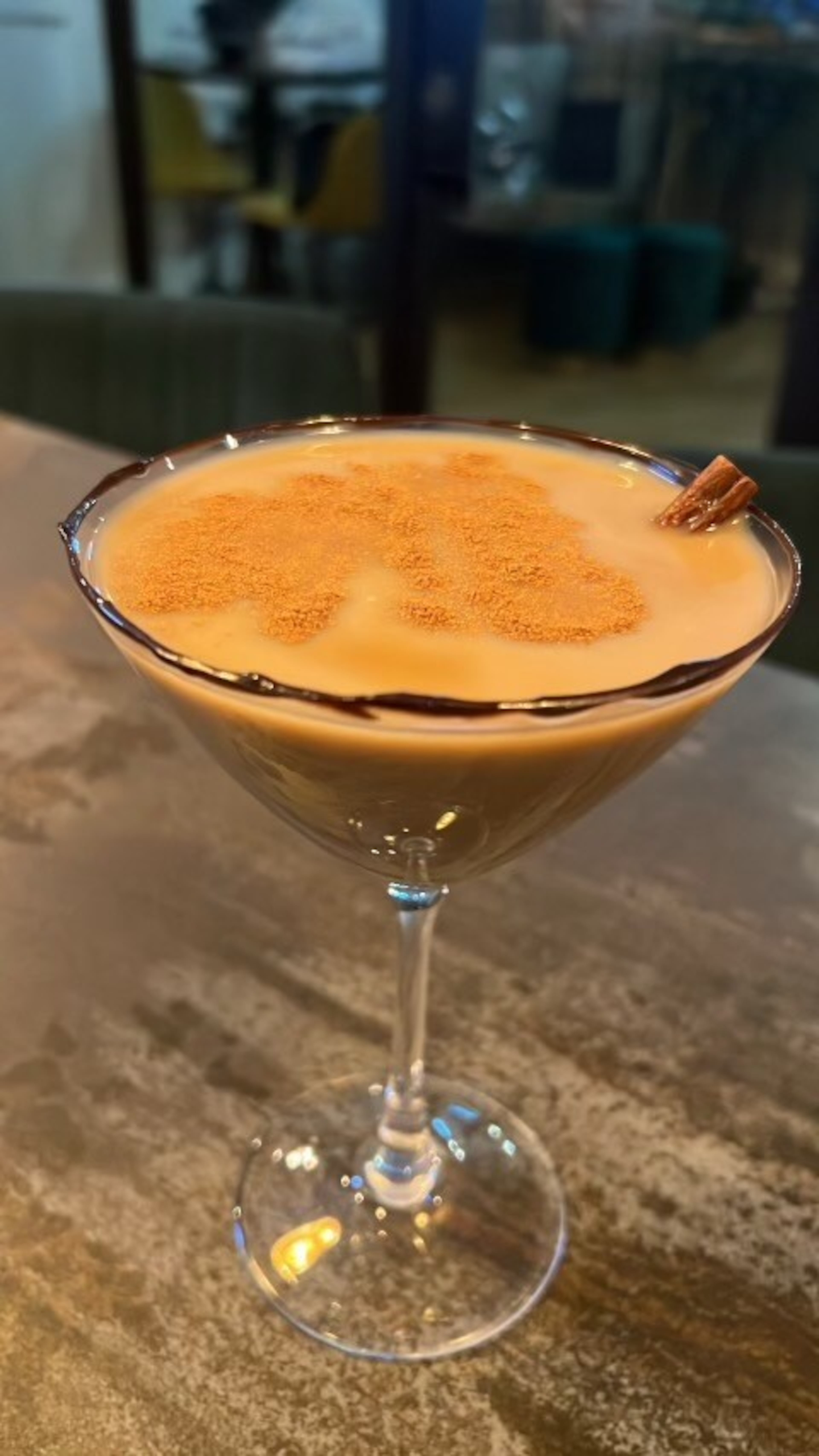
The Sober Social isn’t a place for people struggling with alcoholism, Wolfe emphasized, especially because the environment can trigger the same feeling as a bar since she uses cocktail glasses and nonalcoholic spirits.
The debate: How safe is kava?
In the Western world, the safety of kava consumption has been debated, like in the early 2000s when Germany and other countries banned it after reports linked it to liver damage.
In 2007, the World Health Organization published an alternative assessment of the risk of hepatoxicity from kava, concluding that kavalactones, the psychoactive compounds in kava, rarely cause adverse liver reactions. However, it’s still unclear how kava interacts with other drugs, and people who consume excessive amounts of alcohol or who have preexisting liver conditions may see a higher risk of complications. Lizarraga does not recommend drinking kava and alcohol together, and she suggests avoiding kava extracts that are made with ethanol.
In a recent interview with The Atlanta-Journal Constitution, Chengguo Xing, a researcher at the University of Florida who’s been studying kava and its potential in cancer prevention for almost 20 years, recommends that if people consume kava, they do so in moderation.
“Kava is known to potentially cause liver issues, but even all those reports that reviewed those issues concluded that the risk, if it’s there, is very, very low,” Xing said.
There are also many subtypes of kava, Xing added, not all of which are appropriate for human consumption. The noble varieties are recommended for human use, he said.
Dedication to fellowship and community
Galoia discovered Kava Mama in a Polynesian Facebook group. At first, she was skeptical about going to a kava bar in Atlanta, but when she met Lizarraga and saw how Kava Mama centers the plant’s indigenous roots and traditions, she was happy to work with them to spread the culture.

Her monthly kava gatherings do a lot to facilitate knowledge of its history and uses, and Lizarraga’s sourcing of kava from Fijian farmers who still live on the land they cultivate is one of the things that resonates with Galoia.
“It’s very disheartening seeing that something that’s super-sacred to me and my people for thousands of years, for centuries, is becoming commodified, and people don’t know where it comes from,” she said.
She hopes other kava bars will follow Kava Mama in educating consumers about the origins of the plant and its traditions. And for those who do take part in Atlanta’s kava world, she wants them to understand and appreciate Polynesian culture and its tight-knit familial bonds.
“I just hope that they get the social aspect of being close with one another and being open and honest,” she said.
Among Kava Mama regulars, it’s the social environment and the dedication to fellowship and community, without the pressure of drinking, that keeps them returning.
About the Author

Olivia Wakim is a digital content producer on the food and dining team. She joined the AJC as an intern in 2023 after graduating from the University of Georgia with a journalism degree. While in school, she reported for The Red & Black, Grady Newsource and the Marietta Daily Journal.


