Investing in stronger systems is helping Newton County raise student outcomes
As superintendent, some of the most honest feedback I receive comes from my Student Advisory Council. I call them our district’s “truth-tellers” because they offer clear and unvarnished perspectives that help make me a better leader.
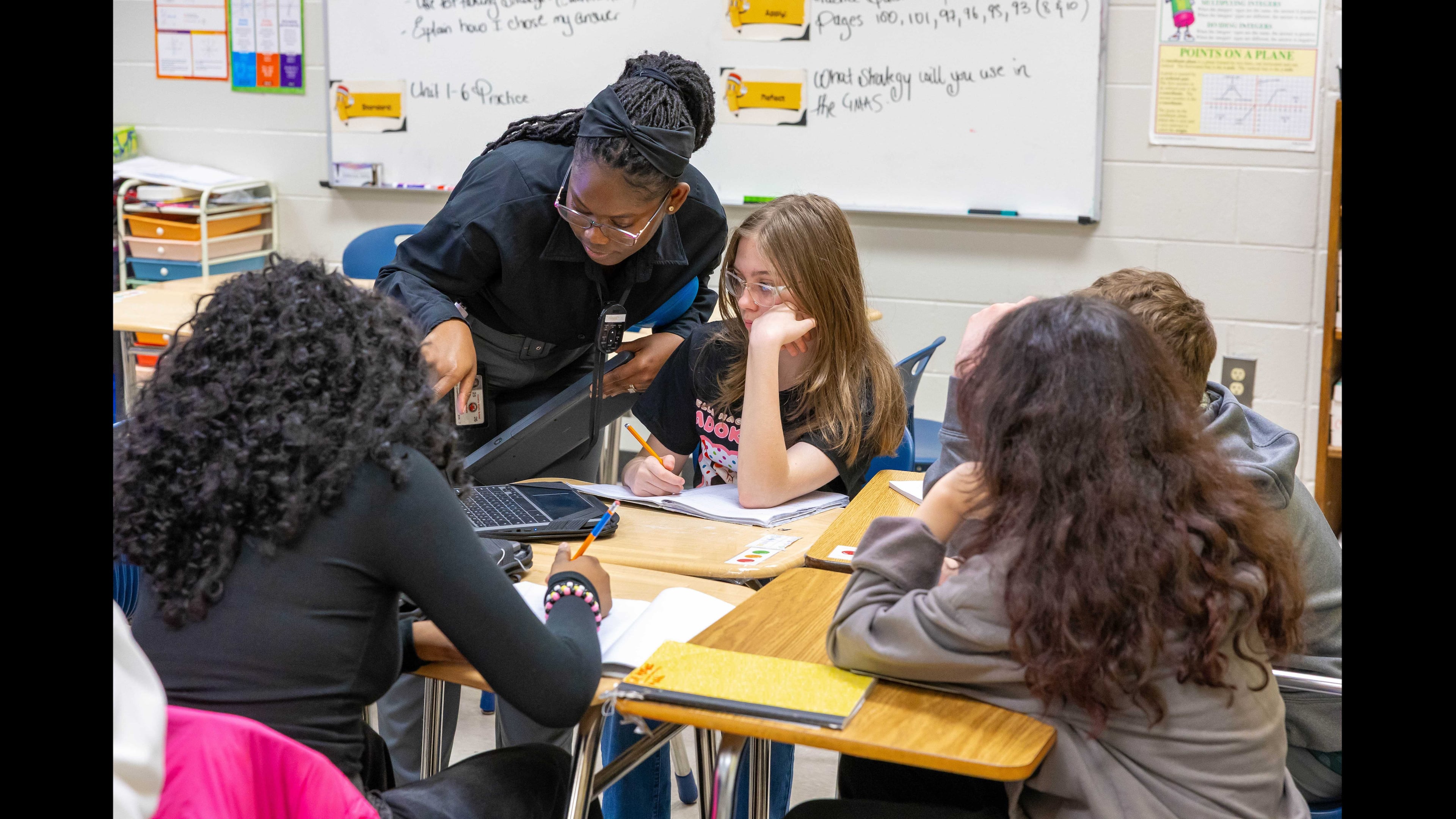
About a year ago, they shared having noticed a difference in how their teachers were delivering instruction across many of their classes. They could not articulate exactly what had changed, but they knew something was different. That feedback suggested that our work was impacting students’ classroom experiences — and for the better.

Over the years, I’ve learned school improvement can often be limited to conversations about programs, test scores and various initiatives. But Newton County Schools’ progress reflects the value of investing in the people and systems that make strong teaching and learning possible.
In recent years, our middle schools have made the most academic progress. From 2023 to 2026, the percentage of eighth grade students performing at the developing level or above on the Georgia Milestones increased by 23 percentage points in math, 5.6 points in science and 12 points in social studies. At Cousins Middle School, sixth grade math increased 31 percentage points, while eighth grade Algebra at Indian Creek Middle School increased 36 points.
This progress is part of a broader pattern of districtwide improvement. Last year, 134 more Newton County students scored proficient or above in mathematics than the previous year, and since 2023, 21 of our 24 schools have improved their College and Career Ready Performance Index ratings.
That momentum has continued this year, with the district reaching a record 239 AP Scholars and achieving its highest-ever graduation rate of 91.72%.
Independent research reinforces this progress.
The 2026 Education Scorecard found that Newton County Schools’ test scores were improving faster than comparable districts, serving as evidence that our efforts are rapidly moving in the right direction.
These results are worth celebrating, but the more important story is what changed.

Three years ago, our Board of Education approved a recommendation to restructure the central office by creating principal-supervisor roles that were not part of our previous organizational model. This investment centered principal leadership as a key lever for improving outcomes and required systems that enabled principals to lead effectively.
We aligned elementary, middle and high schools under dedicated supervisors, allowing principals to collaborate, examine data and solve problems collectively. This was particularly valuable for challenged middle schools.
We also adopted a more rigorous approach to selecting school leaders while matching each school’s needs with the leadership capabilities required to address them. Over three years, all but one of our five middle schools welcomed a new principal. The goal was not simply to change leaders, but to ensure each could strengthen instruction, develop people and build school culture to lead improvement.
Leadership matters, but so does the system surrounding it. We assembled a Core Change Team, which brought district leaders together around shared responsibility for student outcomes. The aim was to move beyond isolated departments and initiatives toward coordinated improvement.
We also strengthened standards-based instruction through higher-quality instructional materials, targeted professional learning and classroom observation and feedback to support a culture of continuous improvement.
We were seeking consistency in the application of research-based practices so students’ experiences do not depend on their classroom or school. Stronger leadership and coordinated support help principals establish these expectations and help teachers translate them into daily classroom practice.
Our efforts have been supported by the University of Virginia’s Partnership for Leaders in Education, a national program that strengthens educational leadership and system capacity.
I first experienced this model as a turnaround high school principal, where I partnered with UVA-PLE to improve a historically underperforming school — and, later, in another assignment while serving as deputy superintendent.

Today, in Newton County Schools, UVA-PLE has served as a thought and accountability partner to help strengthen instructional systems and ensure continuous improvement. The priorities, however, belong to our board and our leadership team.
Partners bring expertise and perspective, but lasting improvement must be owned and sustained by those doing the work every day.
Our progress to date is not a finish line. Yet, Newton’s experience offers a lesson for districts confronting unfinished learning, persistent achievement gaps and uneven academic recovery.
Lasting improvement requires more than a new initiative. It requires capable leaders and systems that allow effective practices to spread.
We’ve improved because we recognize that better student outcomes depend on the organizational capacity to turn strategy into stronger classroom practice.
That work is hard. But our students are showing us that it is worth doing.
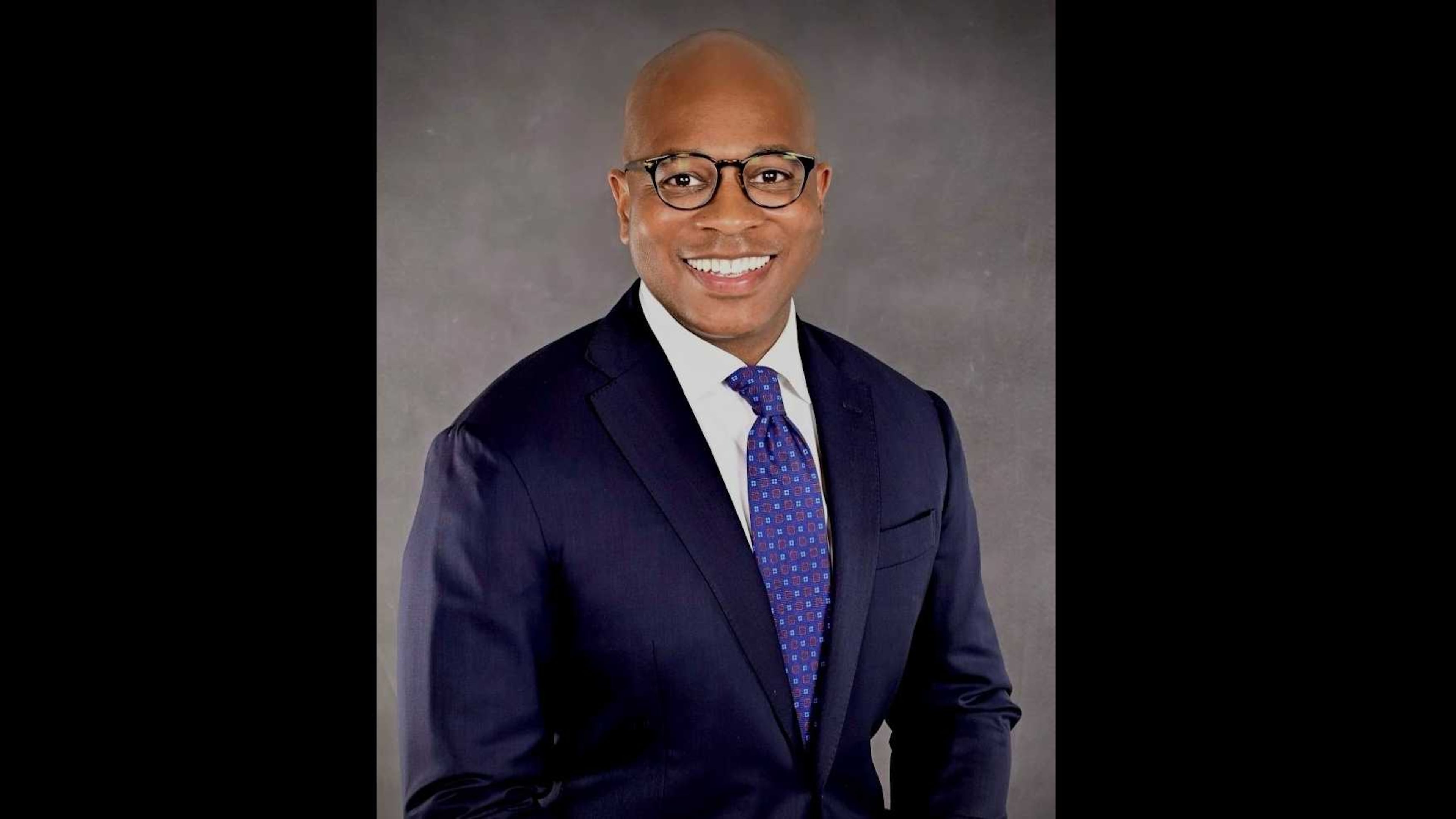
Duke Bradley III is the superintendent of Newton County Schools.
If you have any thoughts about this item, please go to our AJC Get Schooled Facebook page. If you’re interested in writing an op-ed for the AJC’s education page, drop us a note at education@ajc.com.