Morehouse, Spelman face student scrutiny after sexual assault complaint



For generations, Morehouse and Spelman colleges have celebrated a special relationship built on shared traditions, academic excellence and the expectation that the men of Morehouse will look out for their Spelman sisters.
But that relationship is being tested as students at the two historically Black colleges raise allegations of sexual misconduct and accuse administrators of failing to adequately protect victims and aggressively investigate alleged misconduct.

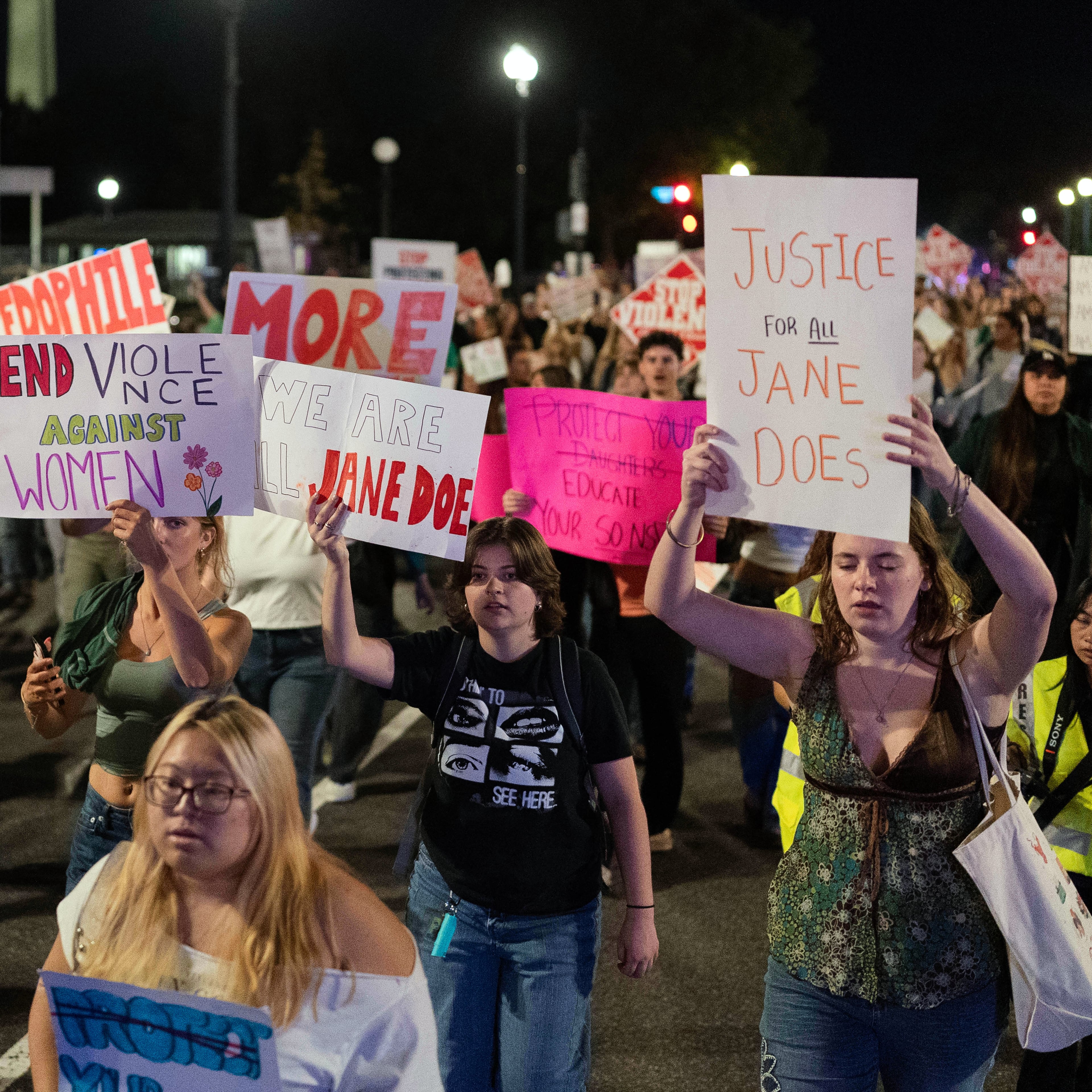
October at the Atlanta HBCUs was marked with protests, emotional campus meetings and demands for greater accountability, all following a Spelman student’s allegation on social media that a Morehouse student sexually assaulted her.
That frustration boiled over Tuesday when Spelman student Azali Fortier, recorded herself confronting college President Ayanna Howard during a book signing on campus, accusing her of failing to protect students from sexual misconduct. The student later posted the video on Instagram, where it drew widespread attention.
Both colleges maintain that they take sexual misconduct reports seriously and are committed to student safety. They also said they are working harder to create a climate where students feel more confident every complaint will be resolved fairly.
The Spelman student who made the accusation against the Morehouse student in October sent a Title IX report to The Atlanta Journal-Constitution and other local media outlets.
In it, she wrote that she was off-campus in a car with the Morehouse student when he touched her waist, “which was not prompted nor wanted by me.”
When she “repeatedly tried to get out of the car he would grip my waist harder and say ‘no, no no’ when I tried to leave,” she wrote.
The student did not respond to requests for an interview from The Atlanta Journal-Constitution.
Her emailed report was accompanied by a handwritten statement she also posted on social media, where she alleged the colleges had “perpetuated and facilitated” sexual abuse and sexual assault.
A ‘recurring’ issue
“Unfortunately, this issue has been recurring for a very, very, very long time,” said Rai-Elle Ingram, a Spelman sophomore who organized an October protest outside the AUC’s Robert W. Woodruff Library. “What students are looking for is acknowledgment, and not just saying, ‘We are against sexual assault,’ but also saying, ‘We understand that you’re fearful.’”
A week after the protest, F. DuBois Bowman, president of Morehouse, the all-men’s historically Black college, faced questions about the allegations during a town hall organized by students. The AJC and Spelman students were not allowed inside the meeting.
Jamel Powell, a sophomore at Morehouse, said he left the town hall early because he was frustrated by school leadership’s responses to questions and “rearranging of answers.“
He also felt Bowman’s responses flipped responsibility to the students to determine what Morehouse “can do to be more accountable and to be more proactive.”
“The system is not going to fight for us,” said Powell, a psychology major from New Jersey. “It’s very clear that we are on our own.”
In a statement to the AJC, Morehouse said it cannot discuss individual reports or proceedings due to student privacy. But when it receives information about possible misconduct, it immediately assesses it and determines appropriate steps to take under the HBCU’s policies.
“We understand that students are concerned and want clear answers about campus safety and how the College responds to allegations,” Morehouse said. “We have been and remain committed to responding promptly, providing supportive resources, and ensuring a fair and impartial process for everyone involved.”

A few days after the Morehouse town hall, the Women’s Research and Resource Center at Spelman hosted a “rape culture” town hall attended by hundreds of students across the Atlanta University Center. During the nearly three-hour event, dozens of students shared personal stories of being sexually assaulted while enrolled at Spelman or Morehouse. The AJC could not independently verify the allegations shared during the meeting.
Students voiced frustration with what they described as inaction by their institutions. They said they were dismissed when bringing complaints to school staff.
Some alleged they were told by administrators that the school could not take action if no official reports were filed. Others said their schools were more concerned about the future of the alleged abusers and told the victims not to say anything.
Students at the meeting on Spelman’s campus asked for mandatory seminars on anti-rape, anti-violent and pro-safe sex behavior.
Those calls for accountability continued Tuesday in an explosive confrontation aimed at Spelman’s new president Howard, who was hosting a signing for her new book on artificial intelligence.
In Fortier’s video from the book signing that she posted on Instagram, she accused Howard of failing to attend recent campus meetings about sexual misconduct and questioned her commitment to student safety.
“Until I have a president who cares about my safety and the safety of my sisters, I’m not buying no damn book!” she shouted.
“I do encourage people to think carefully about placing money into the hands of people who will not even expend their power to protect their students,” she told the crowd.
By Wednesday night, the Instagram post had been reshared more than 3,000 times and attracted more than 1,000 comments.
Howard “is working alongside students to ensure their voices and needs inform the College’s actions and next steps,” Spelman said in a statement about the incident.
“The concerns raised by students in recent weeks have underscored the importance of turning our attention inward and prioritizing the needs of our community,” the college said. “We remain committed to intentional listening, reflection and centering the well-being of our community.”
Addressing the concerns
Several colleges nationwide are experiencing greater scrutiny over how they address sexual assault complaints and other forms of misconduct in the wake of widespread criticism over Cornell University’s response to a woman who reported she was gang raped at a campus fraternity house in 2024.
There were two rapes on Morehouse’s campus in 2025, according to the school’s most recent safety report. There was one rape at Spelman that same year, according to Spelman’s annual report. The annual reports are required of all colleges participating in federal student financial aid programs.
The recent allegations have sparked a broader conversation about sexual misconduct on campus. Several students have gone to social media to raise their concerns and criticism. Allies as well as survivors of sexual misconduct are now “making sure that the conversation never dies,” Ingram said, adding that it appears to be making some impact on the schools’ administrations.
“They’re paying attention. They’re hosting workshops. They’re hosting dialogues for individuals to voice their concerns,” she said.
Ingram said there have also been issues with Clark Atlanta University students, as well as visitors to the AUC who “are able to take advantage of the women.”
“(Sexual misconduct is) a recurring pattern with Morehouse men, but it isn’t only Morehouse men,” she said. “And it isn’t all the Morehouse men.”
In a statement, Spelman College said it stands with students speaking out and promotes education against sexual discrimination and violence.
“In addition to regular programming hosted by Title IX throughout the year, we have also hosted intentional listening sessions in recent weeks to hear directly from students,” Spelman College said in a statement. Title IX is a federal law that prohibits gender-based discrimination, including sexual harassment or sexual violence.
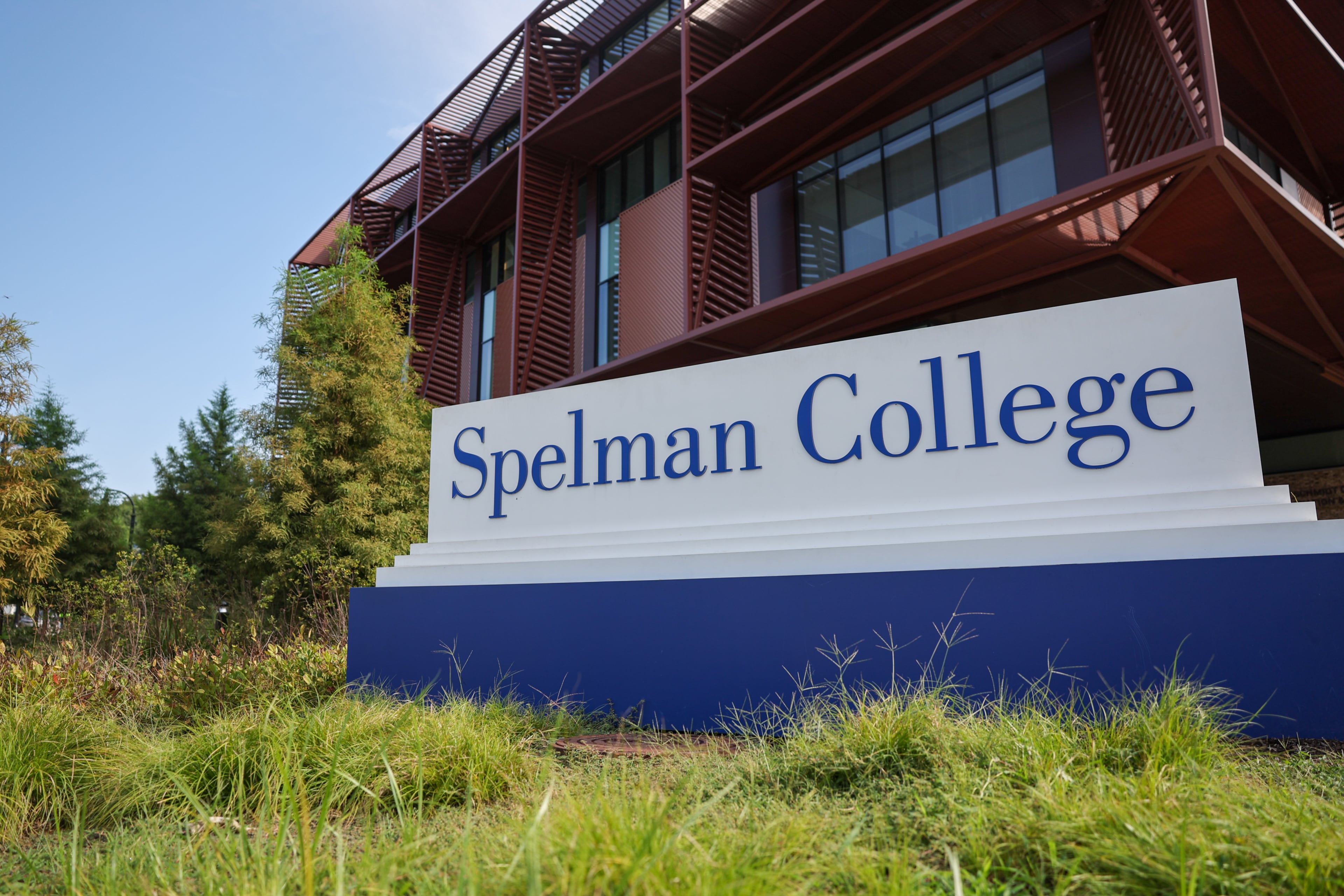
The school said it’s planning additional opportunities for community engagement and where sexual assault survivors can feel heard and respected.
In an additional statement to the AJC, Spelman said it provides resources and support to impacted individuals in sexual misconduct incidents.
“While we cannot comment on individual cases, Spelman College takes all reports of sexual misconduct seriously and recognizes the courage it takes for individuals to share their experiences,” it said. “There are some scenarios, such as when the respondent is not enrolled at Spelman, where Spelman is unable to impose sanctions and our students are subject to the Title IX processes of other institutions.”
The Title IX process can be bureaucratic and complicated, but it gets especially complicated when the students involved attend different schools, according to Peter F. Lake, a law professor and Title IX expert at Stetson University.
For colleges with neighboring campuses and with students that frequently interact, he said, it’s best practice for the schools to have coordinated Title IX policies and a common understanding of how they’ll handle sexual misconduct complaints.
“If they don’t come up with an understanding on how to manage these things, you’re going to find it becomes a perpetual problem,” said Lake. “You shouldn’t let Title IX get in the way of good campus management.”
Morehouse said it works to prevent sexual misconduct regardless of whether a formal Title IX complaint is filed.
“This academic year, for example, the College has held discussions during orientation and throughout the Fall semester addressing healthy relationships, along with a recent workshop involving the counseling center, campus police, and housing staff,” it said. “These efforts complement ongoing education about relationships, sexual misconduct, and reporting options.”
Morehouse added in its statement, “We have and will always encourage our students and others to report concerns and seek support, even if they are not ready to pursue a formal complaint. We will continue engaging with students about these issues and making clear where they can turn for help.”
Nonetheless, Powell said Morehouse is not maintaining the standards it has set upon itself.
“The top priority should be your students’ well-being first and foremost,” he said.