American universities have a sexual assault problem
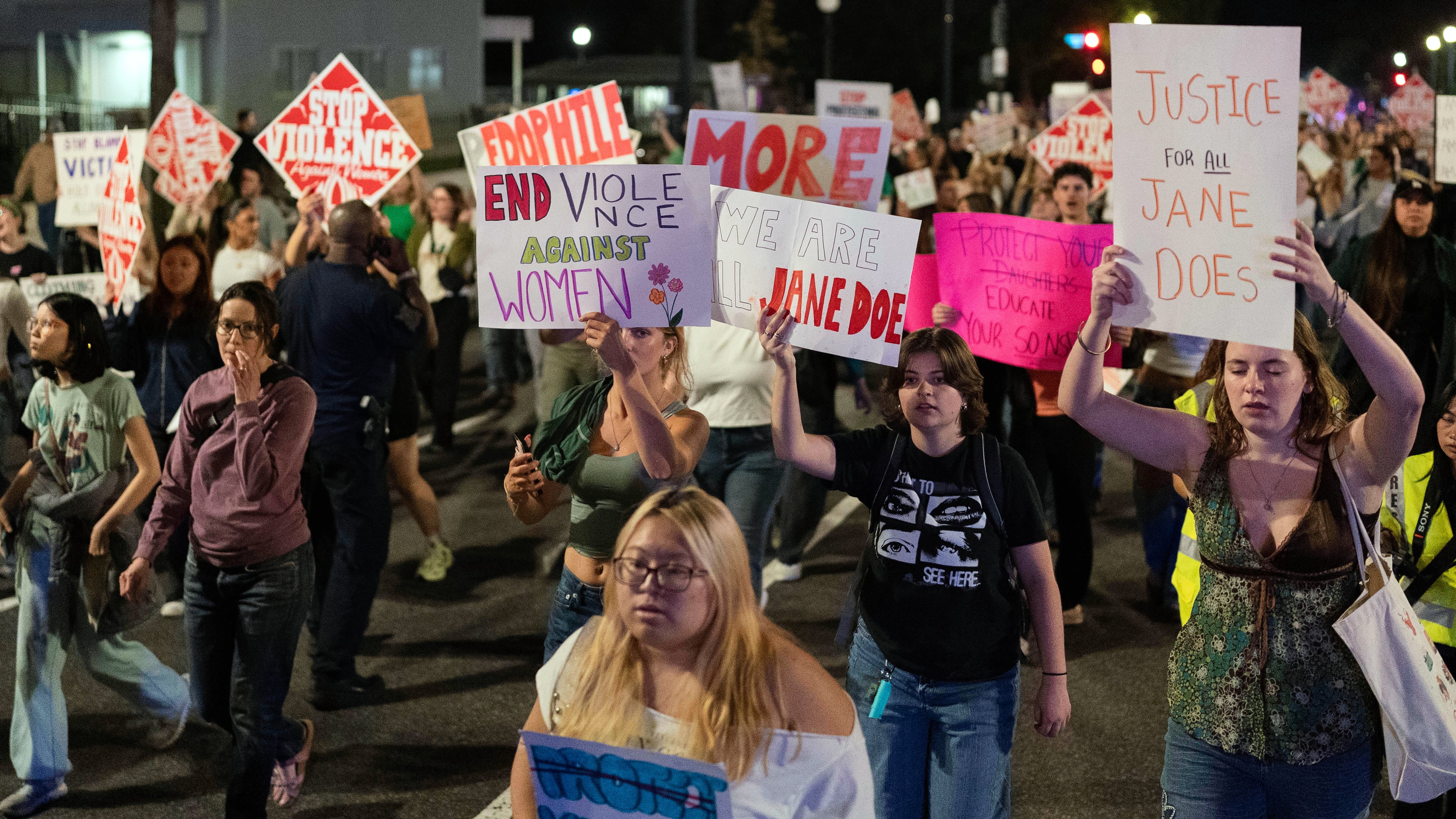
Sometime in mid-October 2024, in the early morning hours after a ketamine-fueled alleged gang rape at Cornell University’s Chi Phi fraternity, a Snapchat message reportedly inquired into whether or not the “shop” was “still open.” Another message reportedly responded, “Yea.” Still another reportedly stated, “I … love Chi Phi.” One fraternity member on the chat took a screenshot of the messages (from another phone) and, “outraged,” shared the evidence anonymously with the survivor’s lawyer. The 56 other men on the Chi Phi chat remained silent, making them complicit. To date, not one of them has faced consequences.
At the college level, about 1 in 4 undergraduate women nationwide have been sexually assaulted, and assaults are more likely to occur at fraternities, like the alleged assault of Jane Doe at Cornell, according to the Rape, Abuse, and Incest National Network, an anti-sexual violence organization. Similarly, 1 out of 14 men have been sexually assaulted on college campuses, according to RAINN. More than three-quarters of victims know the assailant.
The percentage of rape or sexual assault victimizations reported to police nationwide decreased significantly, from 46% in 2023 to 24% in 2024. But police records don’t show the complete picture because most survivors never report what happened. What is perhaps even more insidious: 4 out of 5 assailants never actually serve jail time because of underreporting of assaults and a system that works overtime to not protect the victims of sexual assault and rape, but to protect men from “false accusations” or any meaningful consequence.
From an early age, our educational institutions operate from the premise that girls bear the responsibility for preventing unwanted attention rather than situating the responsibility on boys. Across the K-12 landscape, girls are often the targets of restrictive dress code policies that operate, essentially, from the expectation that “boys will be boys” and that girls must police their clothing in such a way that ameliorates distractions for boys. Authoritarian dress code policies that punish girls for the clothes that they wear create a foundation whereby girls shoulder the blame for bearing their shoulders. In this system, the victim carries the responsibility for prevention but also the blame via a “what was she wearing?” interrogation serving to justify the behavior of men.
According to the University of North Georgia Title IX Coordinator, where the authors are located, during the 2025-2026 academic year, 147 reports of sexual misconduct were received involving complainants from the university’s Dahlonega campus. To date, 49 reports have been received for the Dahlonega campus during the current academic year.
Sexual assault constitutes a medical emergency where women must also navigate other burdensome obstacles. At the University of North Georgia, the nearest hospitals and medical facilities no longer offer Sexual Assault Nurse Examiner exams to support survivors, according to UNG Public Safety. Survivors must drive over an hour to Gainesville, Alpharetta or Athens to access a Sexual Assault Forensic Exam and consult with an examiner trained and equipped to gather DNA evidence of an assault and counsel the survivor. Although, when campus officials share this information, they are sure to mention that a student reporting to UNG police can request transportation assistance.
At some universities, reporting to campus police, however, is not always encouraged, as universities may be more concerned with keeping the story quiet, or muddying the process, than supporting the survivor. And since, according to RAINN, evidence must be collected within 72 hours of the event (although there are other forms of evidence that may be admissible after 72 hours), all steps in the process impede reporting. The one-hour (plus) drive from Dahlonega must be made despite the shock, numbness, trauma, confusion, doubt, shame, emotional exhaustion, embarrassment, sadness, helplessness, fear, loneliness and isolation that follow after such a traumatic event.
In a culture where the majority of sexual assault cases go unreported, the long drive makes it even less likely that a survivor will report. A question must be asked, with statistics making it abundantly clear we live in a “rape-prone society,” where collegiate rape culture seems to suggest that rape and sexual assault are inevitable, where men are seemingly “required to dominate women,” and where on NCAA Division I college campuses, a home football game sees the number of rape reports increase by 41%. Why does any college in the United States not host a SANE nurse within its student health department, nursing school or counseling program? Is making “safe spaces,” “Rape Response” stickers and magnets enough? Even in the crudest approach, the cost of hiring SANE nurses will be far less than the cost of the backlash that Cornell is facing.
Addressing the overt and covert systems and culture across our society and within our institutions (educational or otherwise) that reinforce a culture of sexual assault on women, as well as the obstacles to reporting, medical care and criminal investigations and penalties, is an urgent issue. While universities do not have a monopoly on facilitating environments that lead to sexual assaults, they can exacerbate them, and there needs to be a serious and multifaceted effort to review, amend and add policies that seek to protect students. Requiring all USG institutions to hire SANE nurses not only provides students with better medical intervention but will aid in helping students pursue criminal investigations. Professional licensure programs at USG institutions like nursing and education should require professional development for all students (who are mandated reporters) prior to graduation that serve as an educative platform for identifying suspected abuse and assaults, as well as the development of clear reporting mechanisms.
Changing American culture from one that privileges males while putting women at risk will take time. Georgia’s institutions of higher education have, right now, the opportunity to enact policies that begin that work and our students, communities, parents and children cannot wait any longer for action.
T. Jameson Brewer is a professor of education policy and social foundations of education at the University of North Georgia. Westry Whitaker is a professor of middle and secondary education at the University of North Georgia.