Hispanic Heritage Month is about the next generation, too

Hispanic students make up approximately 20% of the enrollment in Georgia’s public schools, nearly a 5 percentage point increase in the past decade. AJC Get Schooled is publishing a series of guest essays this week exploring the educational landscape for Hispanic students in Georgia as part of our Hispanic Heritage Month coverage. Here is the third of these essays.
Hispanic Heritage Month is a time to celebrate the generations of Hispanic Americans who have helped shape our communities. For me, it is also a time to reflect on the community that shaped me, the experiences that first led me into public service and why protecting the next generation remains so important to me today.
I grew up in Doraville in the years leading up to the 1996 Atlanta Olympics. It was an incredibly diverse community, but it was also a place where young people could find themselves surrounded by gangs and criminal activity. As a kid, the threats we worried about were usually right in front of us. You knew the streets where trouble could find you and the people or situations you needed to avoid.
Those experiences stayed with me. Years later, I had the privilege of serving on the Doraville City Council. In 2005, I helped establish a city youth soccer program that gave kids a better place to spend time, off the streets. The program was open to everyone, but reaching Hispanic children in our community was a key motivating factor.
To me, the program established a strong foundation for kids, with opportunities to find community and grow in a positive environment. If we want our children to succeed, we have to create an environment where they are safe enough to do so. Nearly a generation later, that principle has not changed, but the environment has.
Today, protecting a student means thinking beyond what happens inside a school building. A child can leave school at 3 p.m., but the pressures and influences they face can follow them home through their cellphones, social media platforms or computers. School safety no longer ends at the schoolhouse door.
Physical security remains important, and so do safe neighborhoods and strong communities. But modern student safety requires additional steps. Today, we must also confront issues like cyberbullying, inappropriate online content, constant digital distractions and artificial intelligence that can interact directly with a child without a parent ever knowing. These were the challenges my generation could not have imagined when we were sitting in a classroom.
Georgia has been adapting as those challenges have emerged. In the Senate, we have worked to create more distraction-free classrooms and reconsider how technology should be used during the school day. Most recently, I authored Senate Bill 540 to establish protections around certain conversational artificial intelligence services accessible to minors.
The legislation requires disclosures from chatbot operators when users are interacting with AI, provides parental control tools and establishes protections involving explicit interactions and situations involving self-harm. As technology becomes more sophisticated, the safeguards surrounding our children must evolve with it, and just passing a law under the Gold Dome does not finish the job.
Government is often slow by design, but technology is not. The platforms and tools our children use can change dramatically before a legislative body ever meets again. We cannot allow bureaucracies at any level to simply keep doing things the way they have always been done. Protecting the next generation requires an all-in mentality. State leadership, local governments and school systems all have a role to play. Technology companies have responsibilities, as well. Perhaps most importantly, parents have a role that government can never replace.
As a father, I keep a tight leash on what my own children can access. Every family will make those decisions differently, but I believe parents should control the technology available to their children rather than allowing technology to control their children. As a parent and a legislator, it is important to me that parents across our state know they are not alone as we confront these challenges.
My heritage is part of the reason I think so often about what one generation leaves behind for the next. When I first entered public service, I knew one way I could help was by putting a soccer ball in a child’s hands and giving that child a positive place to go. Today, the challenges facing young people are different and, in many ways, harder to see. However, my goal remains remarkably similar.
Technology will continue to evolve and remain at the forefront of conversations about education and student safety. We cannot predict every platform, application or artificial intelligence tool that comes next. What we can do is remain focused on the principles that should guide our response.
Our job is to find new ways to keep society moving forward without losing sight of what matters most. Our world will continue to change, and technology will continue to advance. Our responsibility is to make sure our duty to protect our children never gets lost in the rush to embrace what comes next.
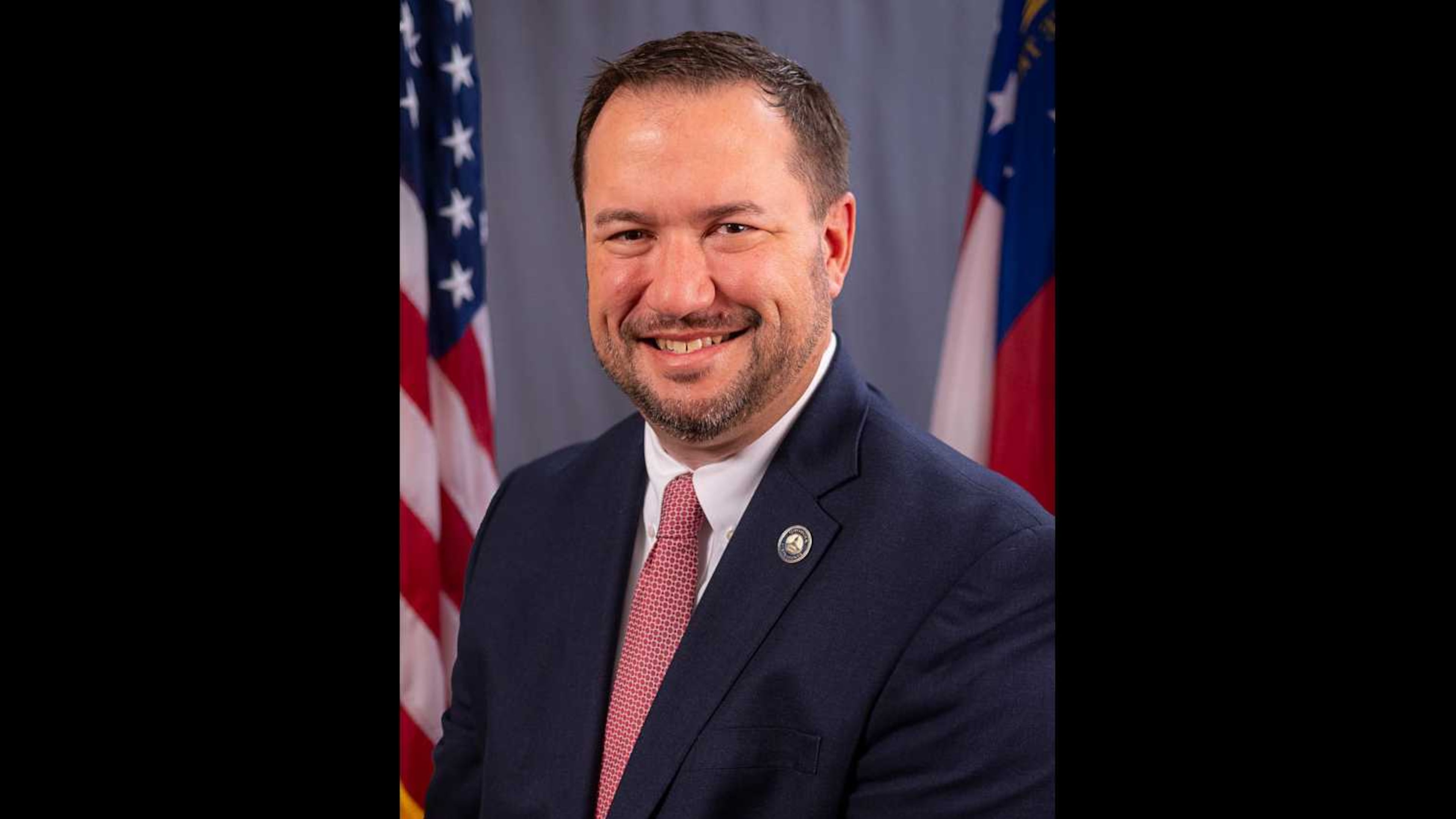
Georgia state Sen. Jason Anavitarte serves as Senate majority leader. He represents the 31st Senate District, which includes Polk County and a portion of Paulding County.
If you have any thoughts about this article, or if you’re interested in writing an op-ed for the AJC’s education page, drop us a note at education@ajc.com.