One of Georgia’s largest data center projects will soon go before voters
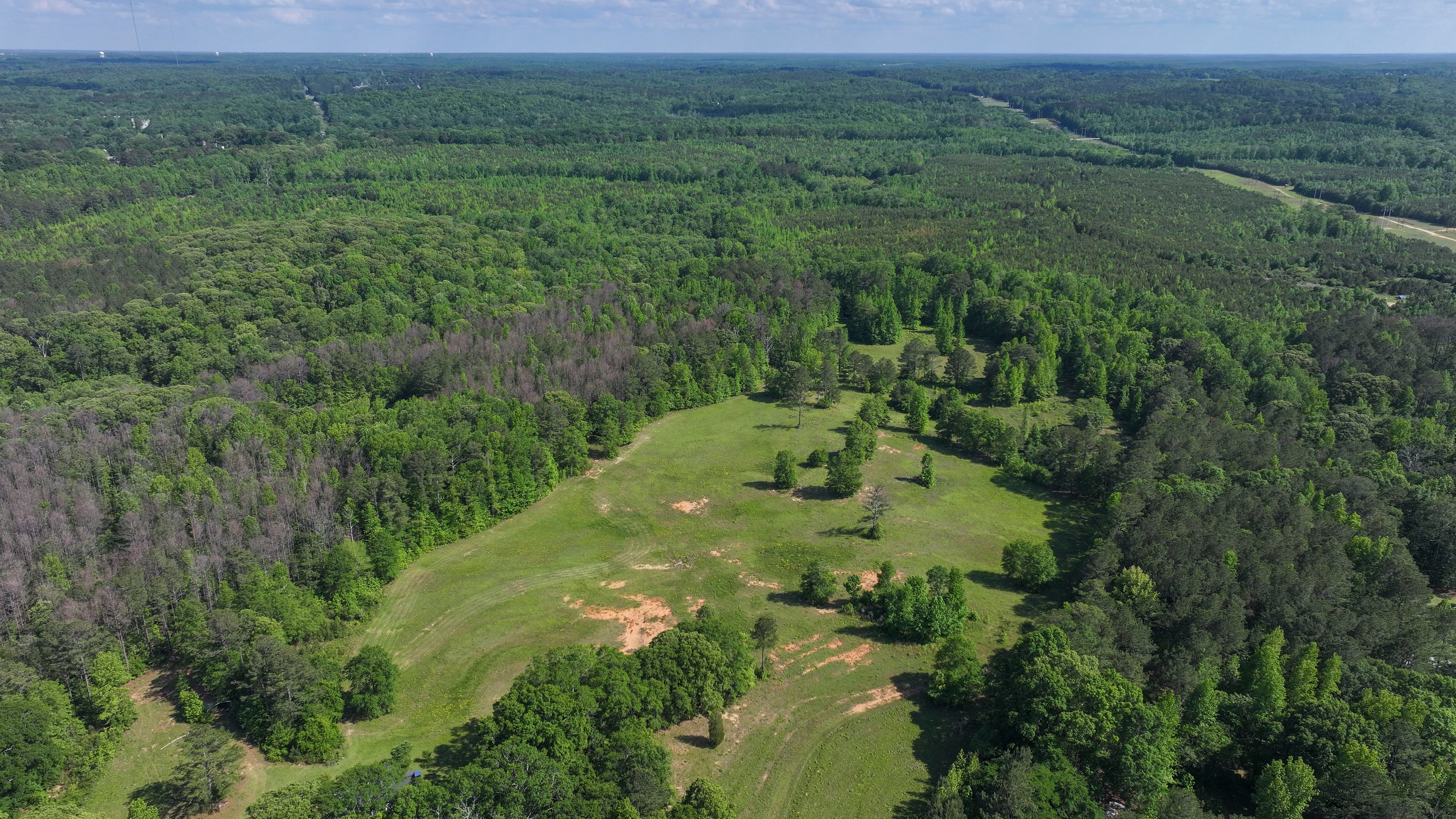

In a razor-tight vote earlier this year, county leaders southwest of Atlanta decided to rezone an expanse of wooded property for one of Georgia’s largest data center projects.
But voters in Coweta County will soon get to decide whether to repeal that decision — and whether to ban all other data centers in the county going forward.
A petition collected more than 11,000 signatures to force a referendum to reconsider the fate of the $17 billion Project Sail campus, a Coweta County probate judge wrote Monday in a court order. The ballot measure set for a Jan. 12 special election also aims to tweak the county’s zoning code to ban all data centers and crypto mining facilities.
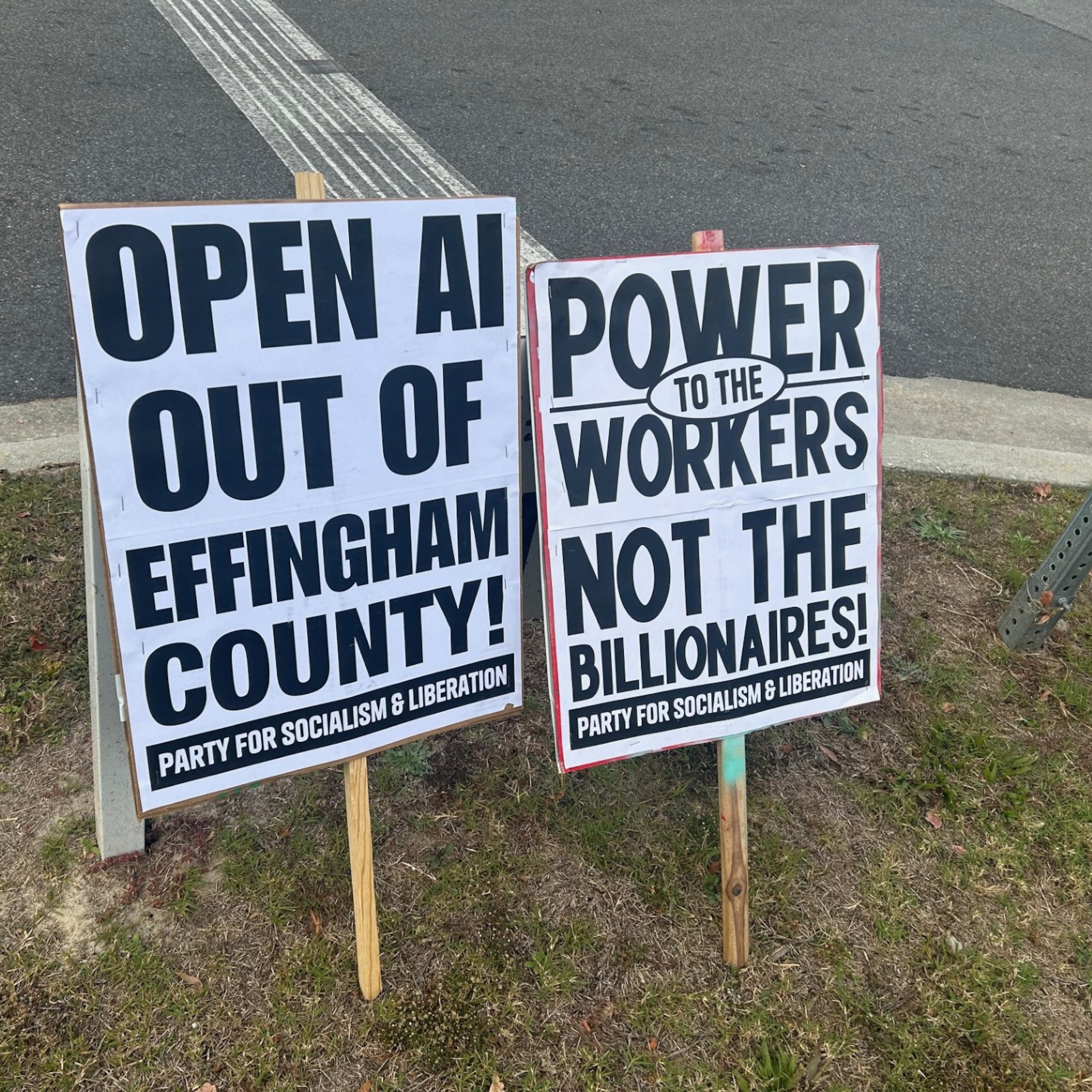
It’s the latest sign of the grassroots anti-data center movement that is sweeping across Georgia and much of the U.S. spilling over into political action. The Project Sail referendum also provides a last-resort road map for other Georgia communities that have rallied against similar data center proposals, albeit with a high bar to clear because of how many signatures are needed.
“Thousands of you signed, and volunteers stood in parking lots, on sidewalks and at local events collecting signatures in the summer heat to make it happen,” the grassroots organization called Citizens for Rural Coweta posted on Facebook after the judge’s order.

The January vote will also be the first time a portion of Georgia voters will get the opportunity to directly affect data center policy, which has dominated local zoning meetings across the state in recent years. Metro Atlanta has emerged as the nation’s leader in construction of new server farms, and parts of rural and coastal Georgia have recently landed large projects.
The hulking facilities that store cloud computing servers and power artificial intelligence performed poorly on ballot measures nationally during the midterm elections. There were no data center referendums on the ballot in Georgia, either statewide or locally, but polling has shown a deep distrust in AI and data centers. Some Georgia politicians, such as Gov.-elect Keisha Lance Bottoms, campaigned on pausing development.
Dan Diorio, executive vice president of state policy and government affairs for the Data Center Coalition, a trade association that represents the industry, recently told The Atlanta Journal-Constitution he recognizes the public outcry against Big Tech’s projects. He said the industry needs to address those concerns, arguing the economic promise offered by data centers can get lost amid other controversies over power use, water demands and their sheer size.
“Data centers can play a key role in addressing those (affordability) concerns,” he said, citing high-paying jobs and property tax revenue projections. “But clearly, the data center industry needs to do more to develop that trust with local communities.”
Neither Atlas Development, the developer of Project Sail, nor its intended end user, Prologis, responded to a request for comment on the special election. The Coweta County Board of Commissioners said it is assessing the potential implications on the forthcoming referendum.
“We anticipate that legal questions and challenges may arise among the entities involved,” the statement said.

What is Project Sail?
The AJC first reported on Project Sail after it was unveiled in a state infrastructure review filing on New Year’s Eve in 2024.
The project was estimated to be worth $17 billion and would require as much electricity as one of Plant Vogtle’s nuclear reactors, making it one of the largest data center projects pitched in the country at the time.

Initially, the only entity attached to the project was Atlas Development LLC, a relatively unknown firm founded in 2017 with an address in rural Whitesburg. The company’s website focuses on its land rezoning and entitlement expertise, critical steps required for large developments to move forward.
Prologis confirmed to the AJC in May 2025 it was under contract to operate Project Sail if it was approved. The San Francisco-based company owns about 1.3 billion square feet of industrial space, primarily warehouses, across 20 countries, but it’s been making a large push to expand into the fast-growing data center industry.
The same month, Coweta adopted a moratorium on rezonings and permits for data centers to give time for county leaders to rewrite zoning codes. Project Sail was the primary project impacted by the moratorium, which lasted until December.
Many of the project site’s neighbors formed a group to oppose the data center initiative called Citizens for Rural Coweta, which has grown into a political action committee.

On April 7, the Coweta County Board of Commissioners voted 3-2 to rezone more than 800 acres for Project Sail.
What led to the referendum’s approval?
A rarely used clause in the Georgia Constitution gives citizens a path to overturn local government decisions.
Called the Home Rule provision, it requires the collection of enough voters’ signatures to force a ballot measure. For a county the size of Coweta, the bar to meet was 10% of its registered voters — 10,971, to be exact.
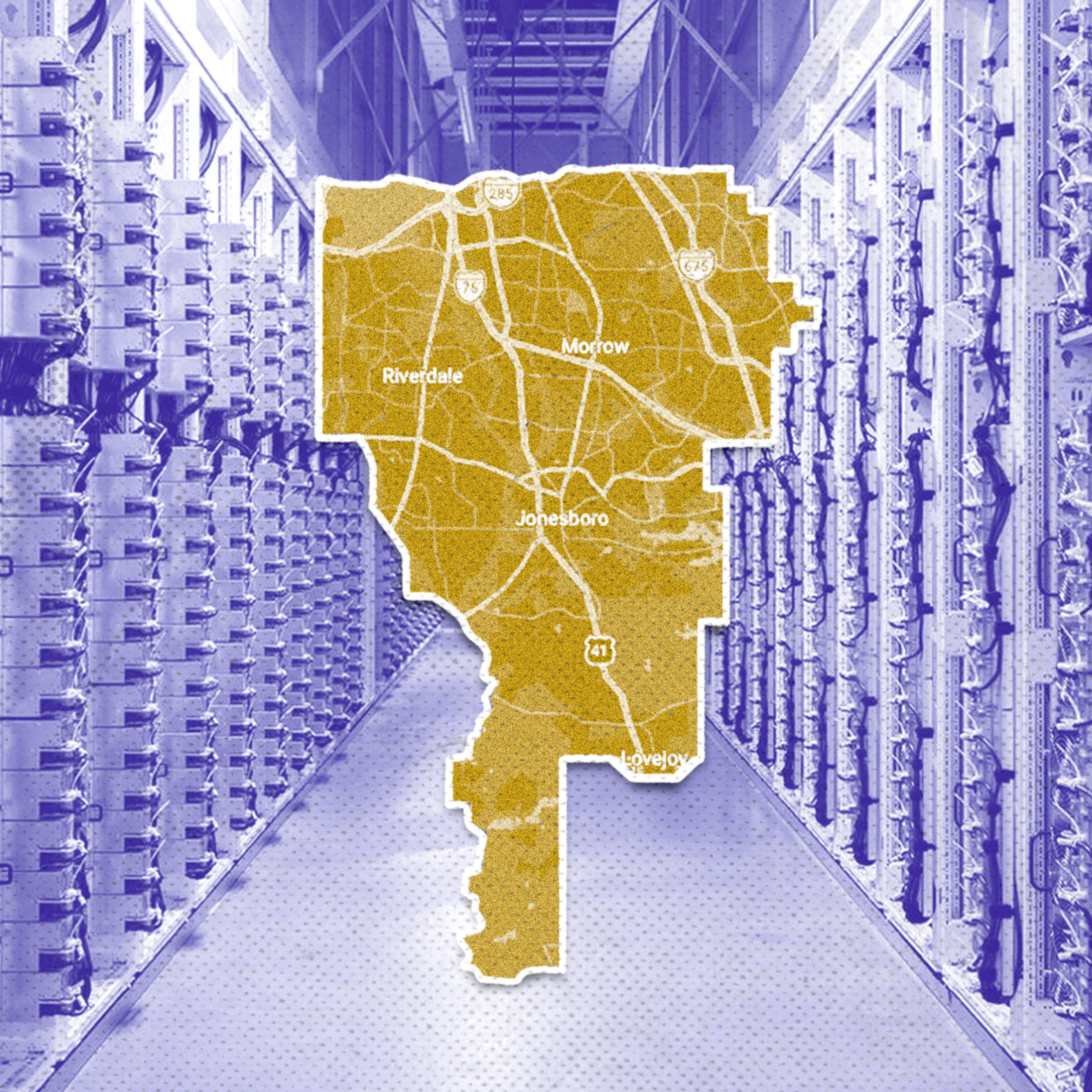
Citizens for Rural Coweta on Oct. 16 submitted a petition with 14,820 signatures, and the county’s director of elections verified enough to trigger a referendum. Atlas Development filed an objection to challenge the Home Rule provision being used in this case, but it was rejected by Coweta County Probate Court Judge Carrie Markham.
The ballot measure Coweta voters will see Jan. 12 focuses on two things. Voting “yes” would be a vote to repeal the April 7 rezoning decision for Project Sail and to prohibit data centers and cryptocurrency facilities from all zoning districts across the county.

It’s rare for Home Rule provision petitions to get to a vote, and those that have found success have faced legal challenges. But these petition-spawned referendums have generally held up in court, overturning large and divisive land-use decisions.
A March 2022 referendum in Camden County rejected plans by local officials to purchase land for a commercial launch pad. The decision was challenged to the Georgia Supreme Court, which upheld the referendum results that scuttled the 12,000-acre spaceport project.
Last year, McIntosh County voters used the same mechanism to repeal a zoning ordinance that would have allowed the construction of large vacation homes on Sapelo Island, home of freed Black slaves and their descendants known as the Gullah Geechee. Two days after the vote results, the county’s commission approved new zoning to preserve the island’s housing as only modest dwellings.
The political ripple effects of Project Sail may not end in January. The three Coweta commissioners who approved Project Sail’s rezoning are scheduled to be up for reelection in 2028.
“The elected people at all levels of government should work for us and remember we don’t work for them,” Steve Swope, one of the Citizens for Rural Coweta leaders, said in an email.