‘A defining milestone’: Beltline finalizes land deals to finish trail loop


The puzzle that is the Atlanta Beltline’s main trail has been solved.
With a 0.2-acre purchase in northwest Atlanta, the Beltline has acquired all the land it needs to complete its 22-mile contiguous trail loop that will encircle the city.
The process to assemble one of the country’s largest rails-to-trails corridors took about two decades, spanning four mayoral administrations. It involved nearly 200 land closings and more than $200 million, but it paves the way for the loop’s completion by 2030.
Clyde Higgs, the Beltline’s president and CEO, called it “a defining milestone” for a project that wasn’t a foregone conclusion.
“What began as a vision has become one of the most ambitious urban transformation projects in the country,” Higgs said in a news release. “And this milestone gives us the foundation to finish what we started.”

The final land closing was on English Street in Blandtown, plugging a small gap in the planned Northwest Trail. The 0.2-acre vacant parcel was purchased for roughly $550,000 in a transaction that closed Sept. 22.
In isolation, it’s a small piece of innocuous property changing hands. But when pieced into the larger Beltline puzzle, it’s just as essential as all the others, said Dave Pierce, the Beltline’s vice president of real estate and asset management.
“When you’re constructing a circle, every acquisition is equally important because if you don’t have it, you don’t have a complete loop,” he told The Atlanta Journal-Constitution.
The initial plan for the Beltline traces back to Ryan Gravel’s master’s thesis at Georgia Tech in 1999, envisioning transforming abandoned rail corridors into paved trails and a light rail system. The trail is on track to be complete by 2030, including multiple miles of additional spurs, but the rail has yet to be delivered amid debate and delays.
In 2005, Atlanta leaders created the Beltline Tax Allocation District — an area where property tax revenue growth is allocated to pay for infrastructure within its boundaries — that acted as a financing mechanism for the trail’s development while also specifying additional goals. The trail also received nearly $1 billion in public and philanthropic support since 2005.
The first sections of the Beltline sparked adjacent real estate frenzies, creating a new skyline of luxe towers in Old Fourth Ward and popular mixed-use destinations in the burgeoning West Midtown neighborhoods. Affordability — or lack thereof — emerged as a controversy for the Beltline as longtime residents saw their property taxes balloon, stoking concerns over gentrification.
Pierce said the Beltline had to continue piecing together the main trail while also adding a focus on buying adjacent land for future development, most of which focuses on affordable housing and commercial spaces.
“Every transaction has been different. The smallest one was 15 square feet — the size of a closet,” he said, adding that the largest was 65 acres from Norfolk Southern. “It’s just every type of land use you can imagine, from a single-family homeowner to a Fortune 500 company.”
“There’s no such thing as easy when it comes to buying land in a major city,” he continued. “It’s been a ton of work.”
The Northwest Trail was a unique challenge because the 4.3-mile stretch needed to carve its own path from Blandtown to Lindbergh. There was no existing rail corridor in that area.
In 2024, a large piece of that gap was filled when the Beltline paid $11 million to acquire the three parcels that comprise the former Elleven45 Lounge, an infamous nightclub that had been shut down over a deadly shooting. The Beltline later added an adjacent 3.2 acres for potential affordable housing and commercial space development.
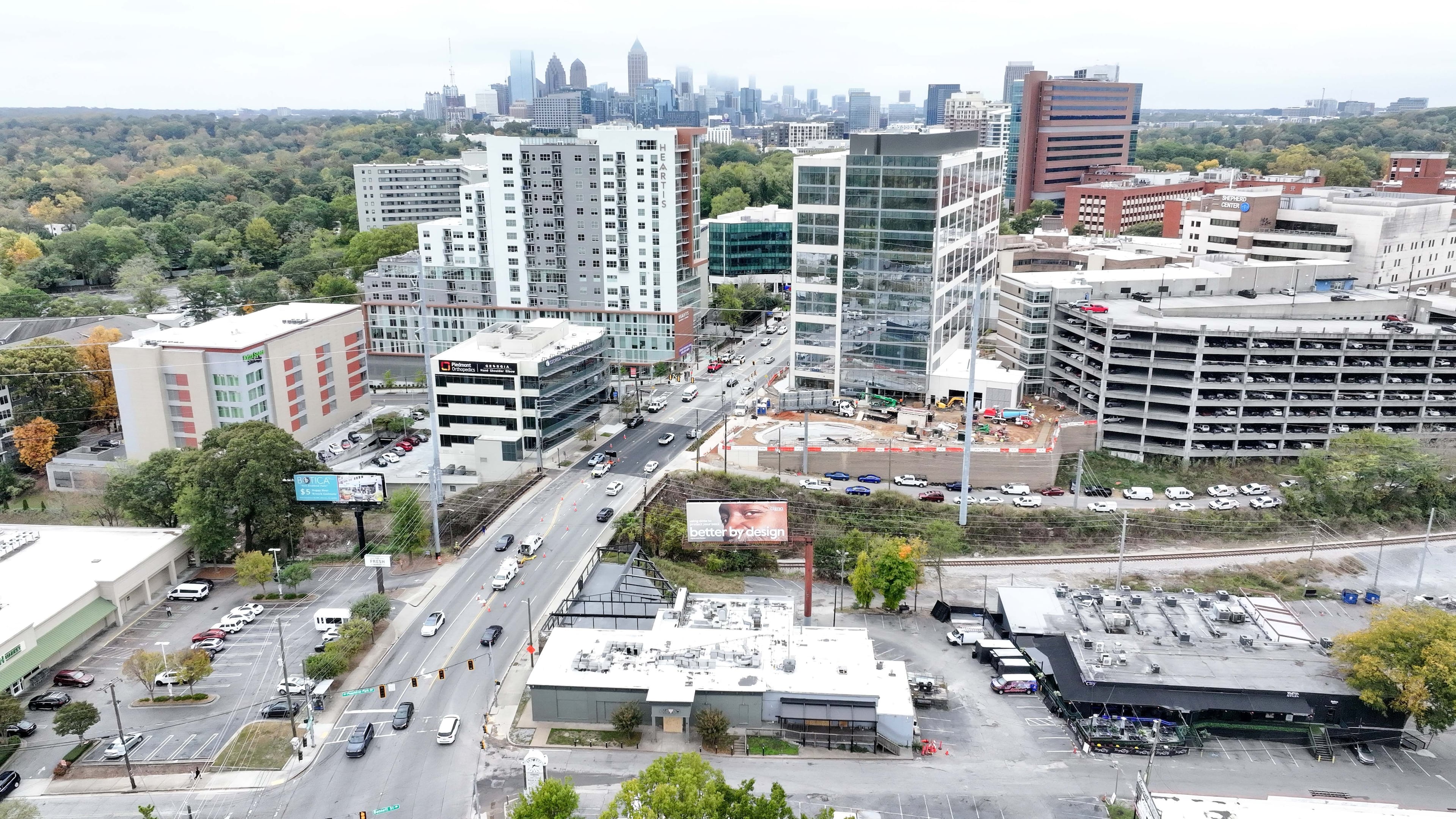
An economic impact analysis released in May found the Beltline’s development spurred $14.2 billion in private investment — surpassing its initial $10 billion goal five years ahead of schedule. It’s also credited with helping to create tens of thousands of full-time jobs from companies operating in the trail’s orbit.
In June, the Beltline completed nearly 17 contiguous miles of trail, a stretch colloquially referred to as “The U” that connects the eastside and westside of the city. The Beltline also has a goal of creating or preserving 5,600 affordable housing units by 2030, and the organization said it is 81% of the way there.
The Beltline has purchased property from sellers ranging from landowners, railroads, utilities, large companies, apartment complexes and religious organizations. Eminent domain was also used with the city’s approval.
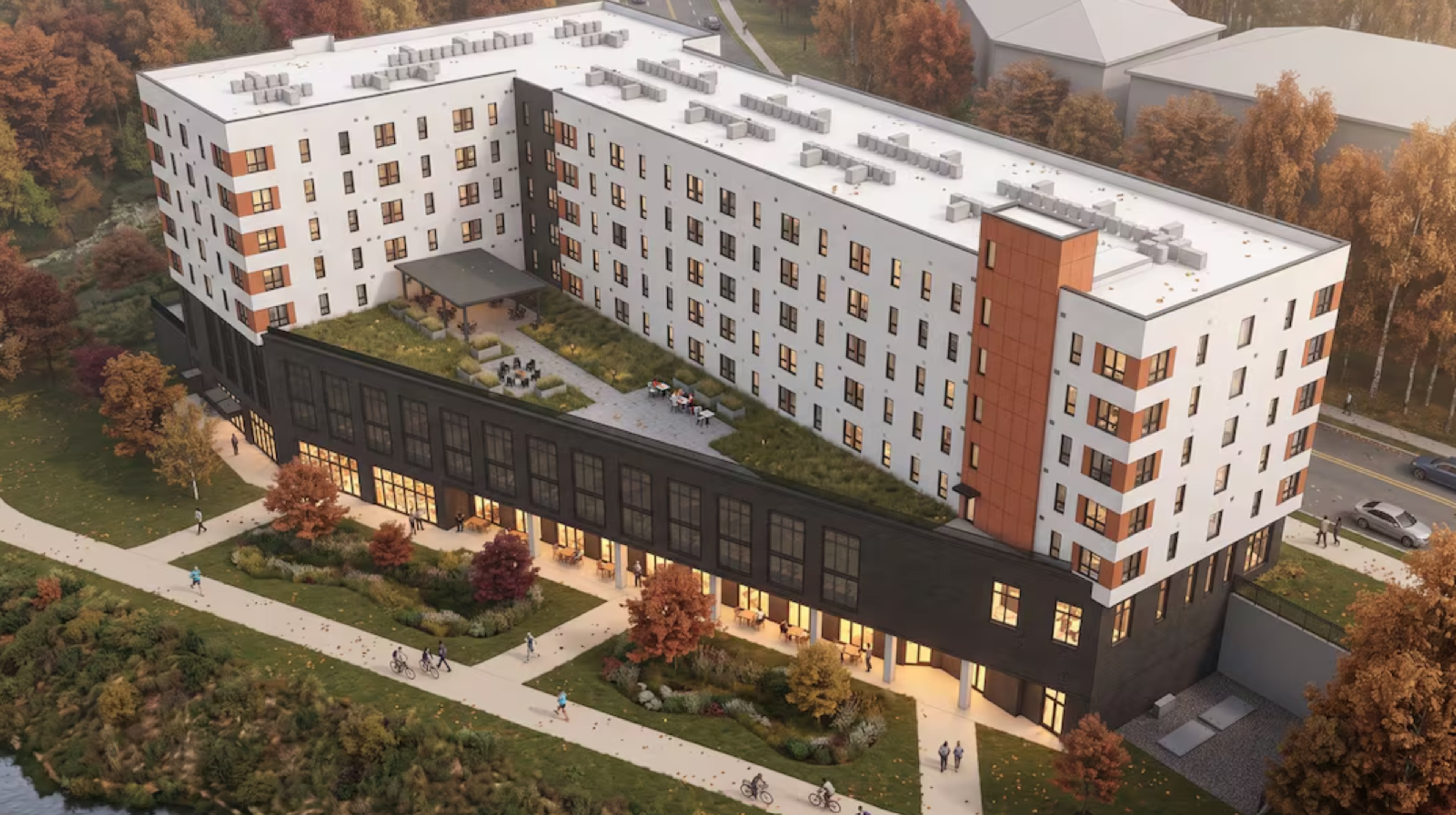
The Beltline has amassed 94 acres of development sites along the trail loop, and Pierce said the organization plans to remain aggressive.
“The market has good times and bad times, so we’re always looking for those opportunities to go on offense and control land,” he said. “… Being able to get the affordability in there before the trail comes has been a great turn of events because it hasn’t always been that way.”
Pierce added that the Beltline is also evaluating ways to improve the main trail loop. For example, he said he’s working with the Georgia Department of Transportation to evaluate placing a Beltline-only trail over I-20 along Bill Kennedy Way in southeast Atlanta to “vastly improve that user experience.”
“Cities are always evolving,” Pierce said. “The Beltline corridor can evolve over time too.”