Electronic dance music is rising from the underground in Atlanta, elsewhere
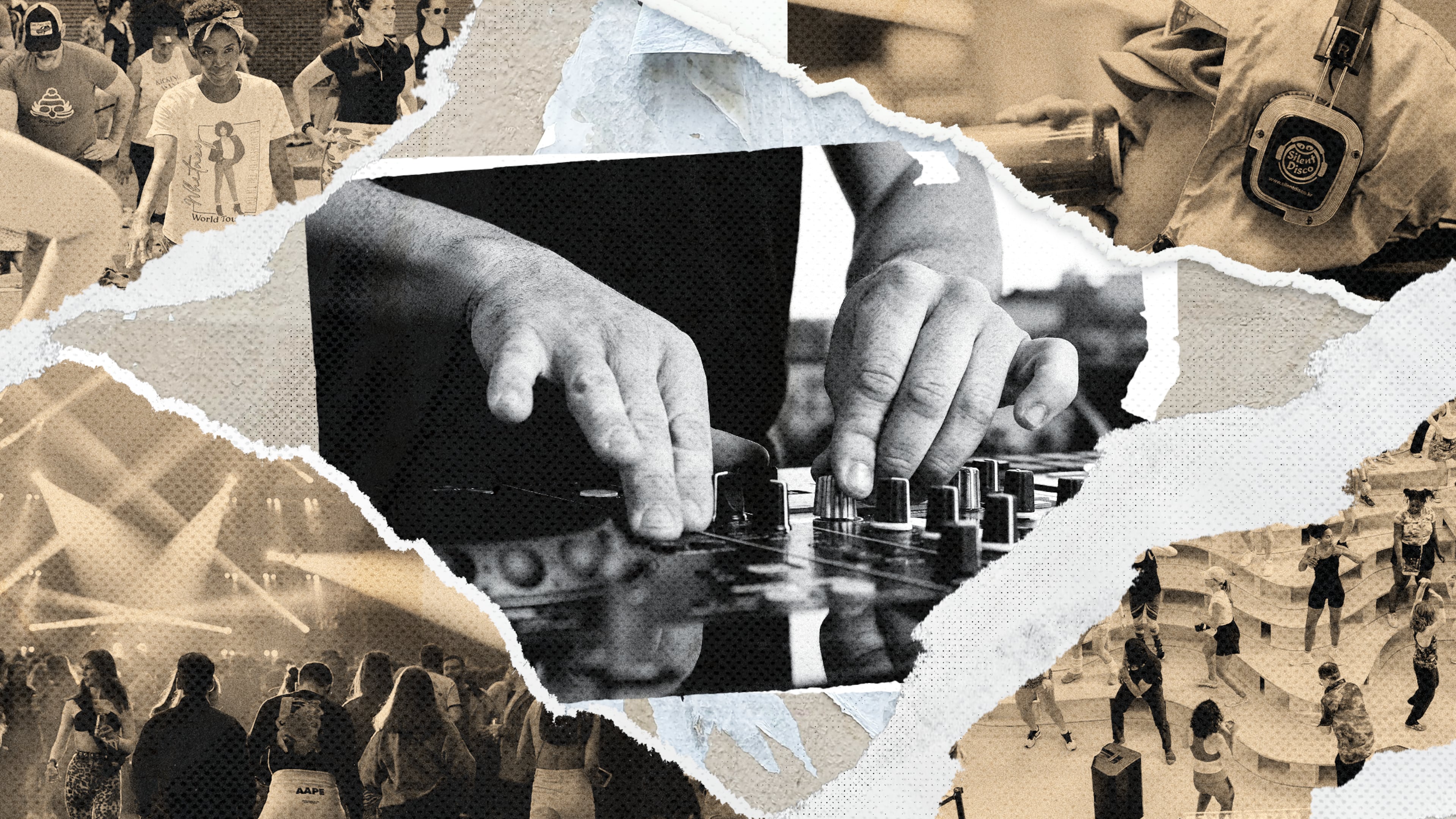
Electronic music and raves have played an important role in Atlanta’s music scene since the mid ’90s. In the beginning, raves often offered marginalized communities a space to express themselves without fear of persecution or judgment.
Now, what started as an underground genre, electronic music — an umbrella term for music made using electronic machines and computers instead of acoustic instruments, with subgenres such as EDM (electronic dance music) and House — has become one of the most popular music genres around the world. It has received billions of streams every year, global chart success led by artists such as Skrillex, Calvin Harris and David Guetta and a market value of $15.1 billion.
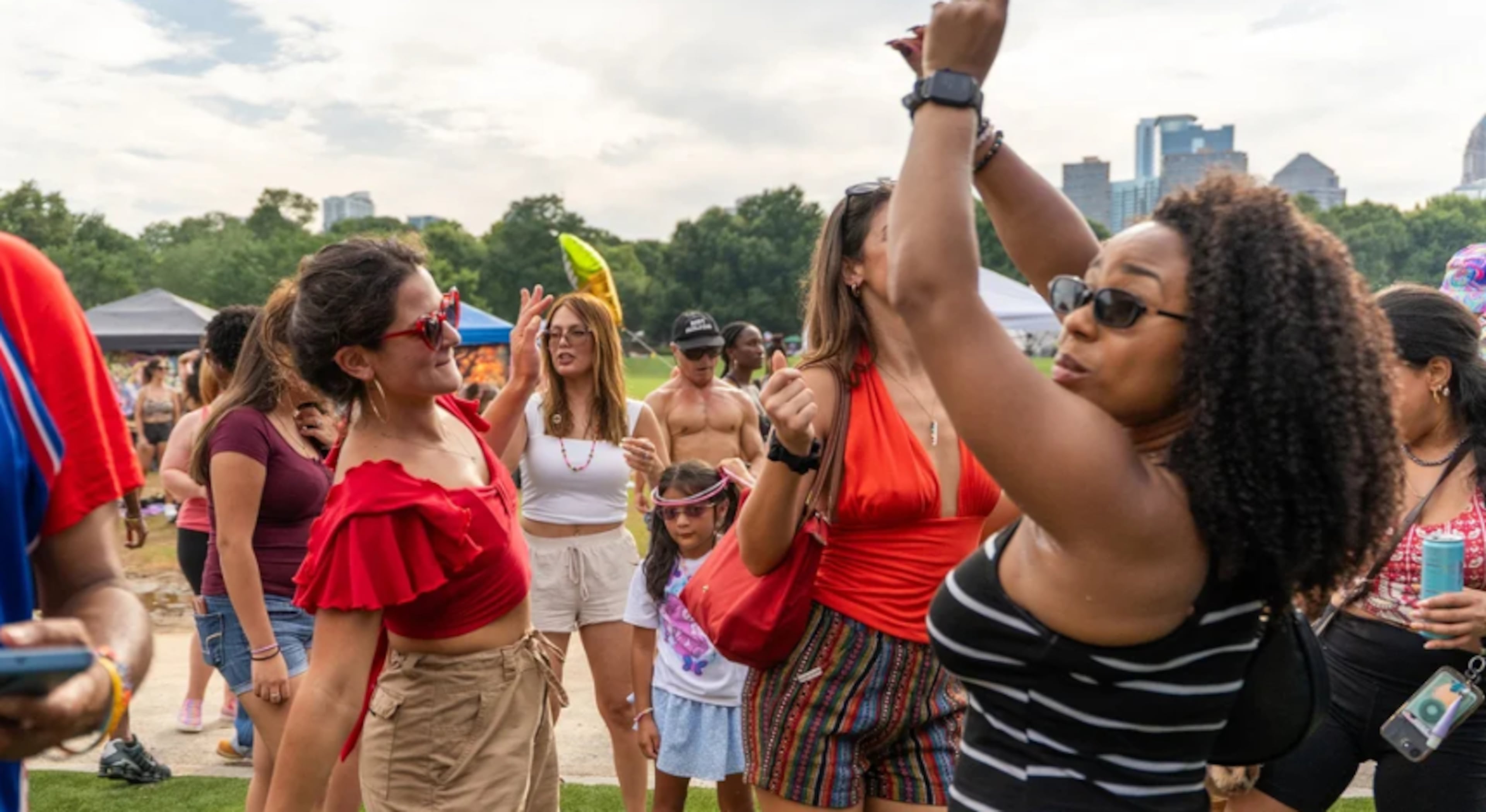
Not that many years ago, raves took place in the late hours in industrial warehouses or clubs across Atlanta, but now they’re held everywhere from State Farm Arena to coffee shops, museums or shopping malls. The way electronic music fans experience raves has changed here, with events becoming more accessible and a regular part of many people’s lives, regardless of age or background.
An important figure in the rave scene is Cat Martinez, CEO and founder of Atlanta EDM, an independent platform and community hub for EDM events. Having attended her first EDM show at the Tabernacle in 2012, when she saw Canadian DJ Excision, Martinez instantly fell in love with the “kindness and sense of togetherness” of the EDM community. She was so inspired that she switched her major at Georgia State University from nutrition to marketing to be part of what was happening behind the scenes.
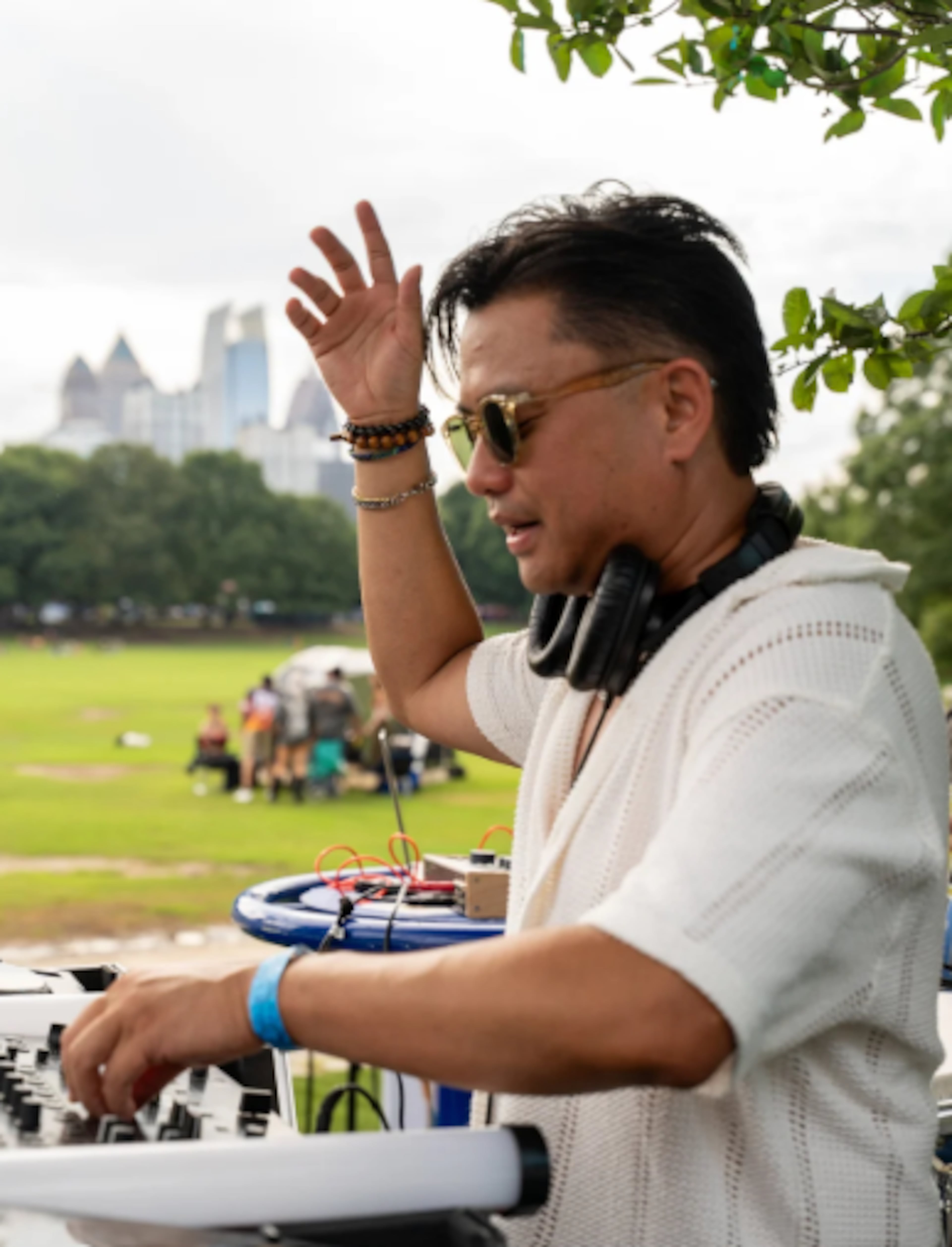
Today, she says, EDM continues to grow, with “more visibility, a broader audience and more commercial interest.” Indeed, Atlanta EDM’s website lists more than two dozen shows in the metro area from mid-November through the end of the year.
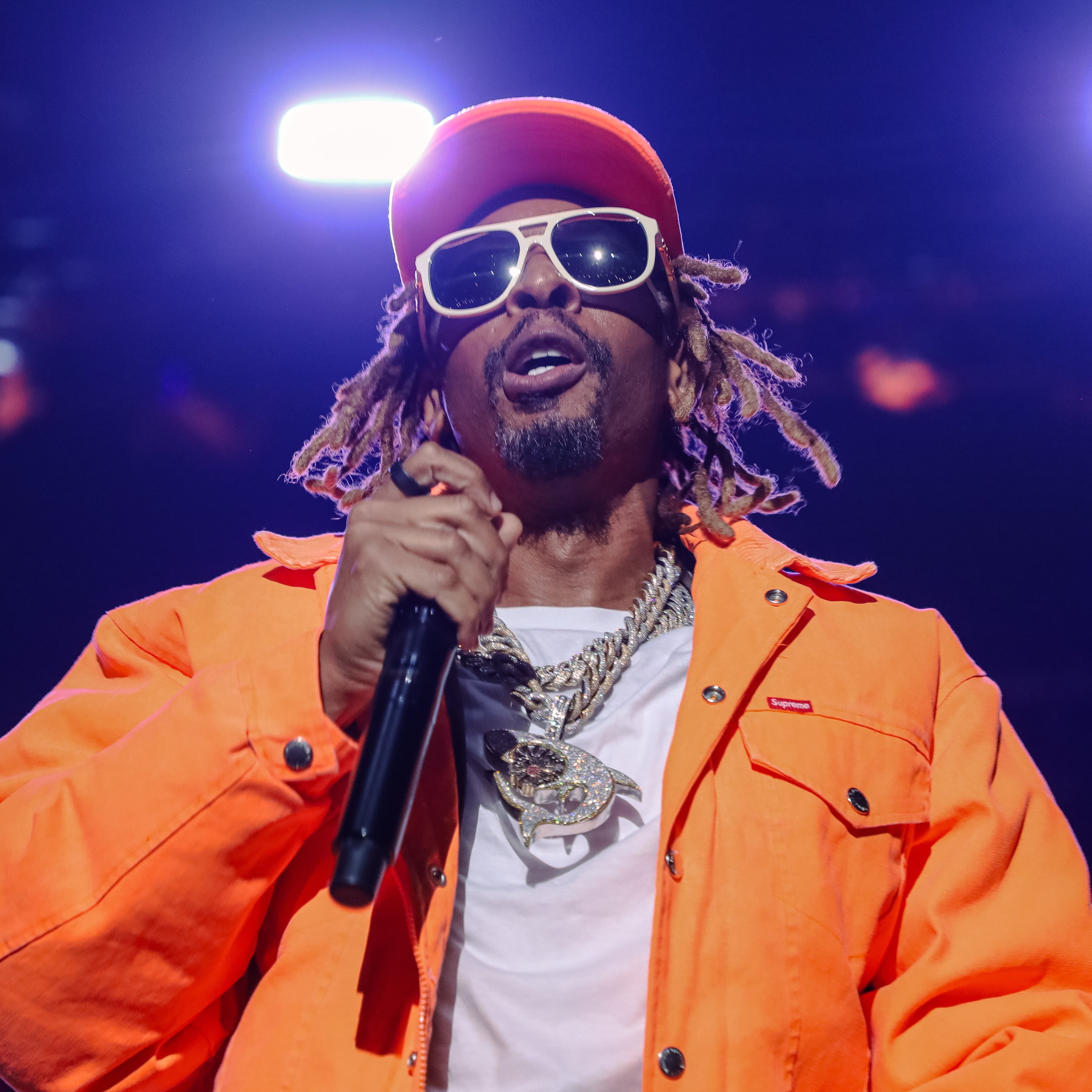
The increased popularity and prominence of electronic music is something being experienced not only in Atlanta, but across the U.S., says Katie Bain, senior music correspondent at Billboard and director of Billboard Dance (the magazine’s digital channel, editorial hub and social media presence). Bain says the music also is starting to become a major genre in cities such as Austin, Nashville and Portland, Oregon — secondary markets that people wouldn’t historically associate with club culture.
“What we used to call ‘underground music’ has become the new mainstream,” Bain says. “What’s striking is that this hasn’t happened because the underground moved toward the mainstream — it’s happened because the mainstream moved toward the underground. Younger listeners are actively seeking out more challenging, more visceral, ‘cooler’ and more communal music experiences.”
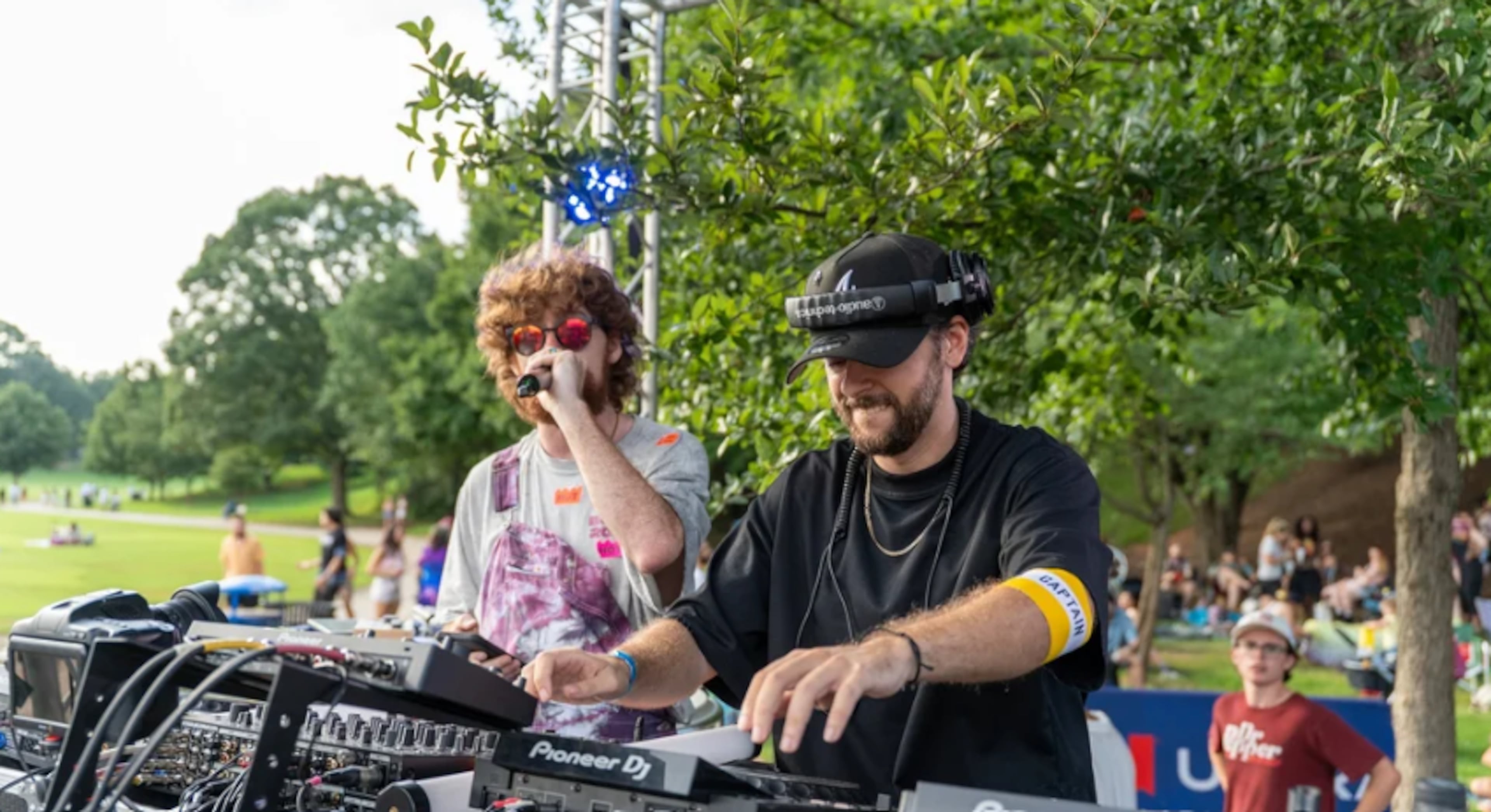
This rise in popularity has impacted not only live music — as indicated by multigenre festival lineups and the growing number of large-scale commercial dance music events — but also the changing face of pop music.
“Tangentially, dance music has massively influenced pop music over the last half-decade, Bain says, “most crucially via Charli XCX’s “Brat” bringing club culture to the fore, Lady Gaga working with French DJ and producer Gesaffelstein on her “Mayhem” album and bringing his hard-edged productions to mass audiences, Beyoncé’s “Renaissance” celebrating the scene’s Black and brown creators and Madonna’s “Confessions II” reminding us that she’s the OG club queen.”

Electronic music’s record-breaking success can also be attributed to the rise of social media, with Atlantan Martinez suggesting it has helped bring house music and EDM from small clubs and warehouses to major festivals around the world.
“Being able to see and share the experience makes people curious and encourages them to attend,” Martinez says. “That could be an influencer, a close friend, or a viral video showing a fun moment at a show. You can even watch an EDC (Electric Daisy Carnival, a major multiday electronic dance music festival and multisensory experience), Lost Lands (an annual EDM festival in Arrington, Virginia) or Coachella livestream from your own couch. That visibility also gives people a chance to reconsider their assumptions about what a rave looks like. They can see the music, production, creativity and community instead of relying on a stereotype.”
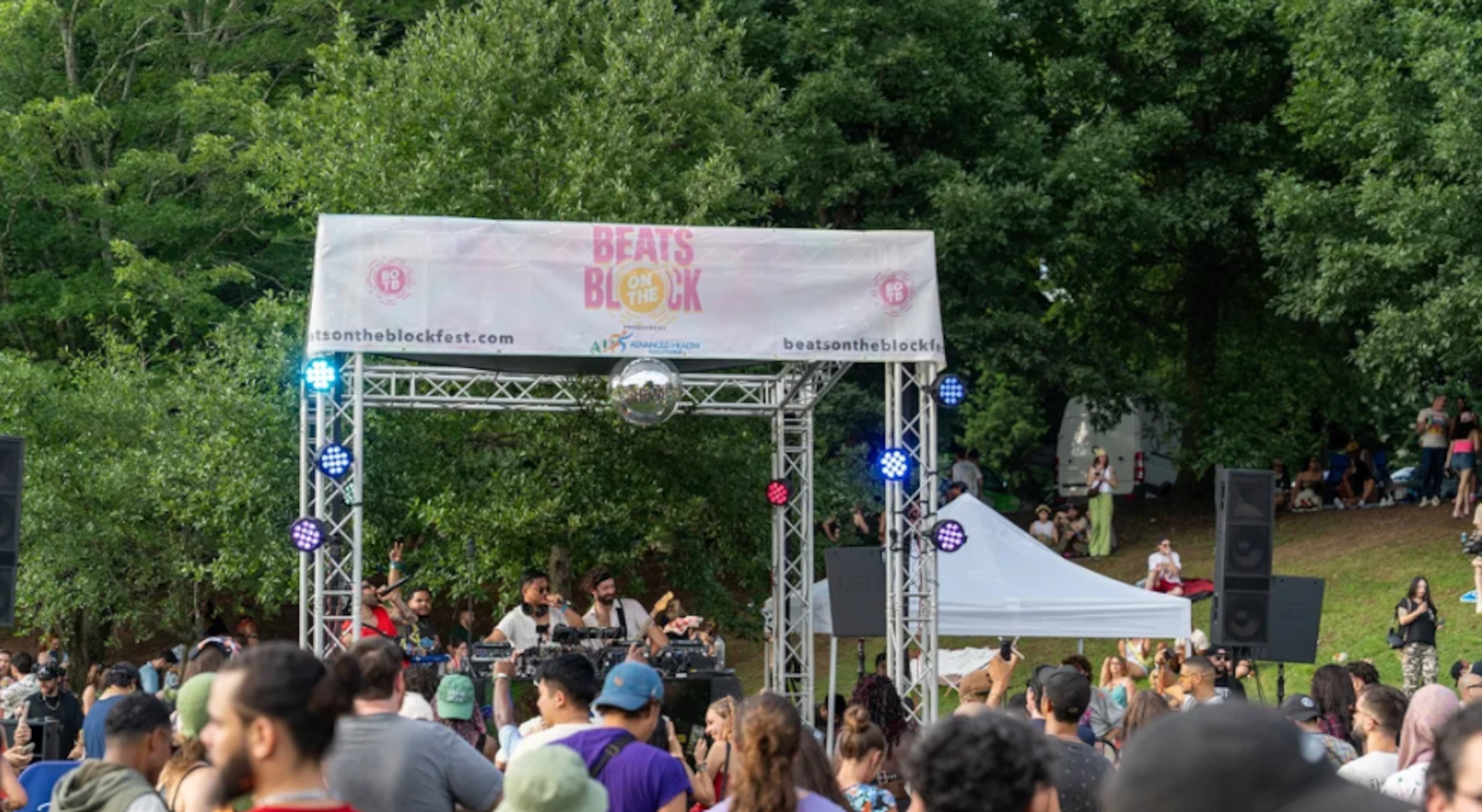
Social media exposure has led to companies viewing these events and spaces as business opportunities, allowing them to connect with an engaged audience through targeted content promoting their businesses.
As a result of Electronic Music being introduced to different demographics and audiences through social media and commercial opportunities, new event formats have emerged across Atlanta, including ONDA Presents: SPARROW (CH) in mid-October. The EDM event took place at Padel Haus Atlanta, the West Midtown racket club, in mid-October. The DJ performed for the crowd on a 360-degree stage in the center of a padel court while a padel tournament took place alongside special effects and various brand activations.
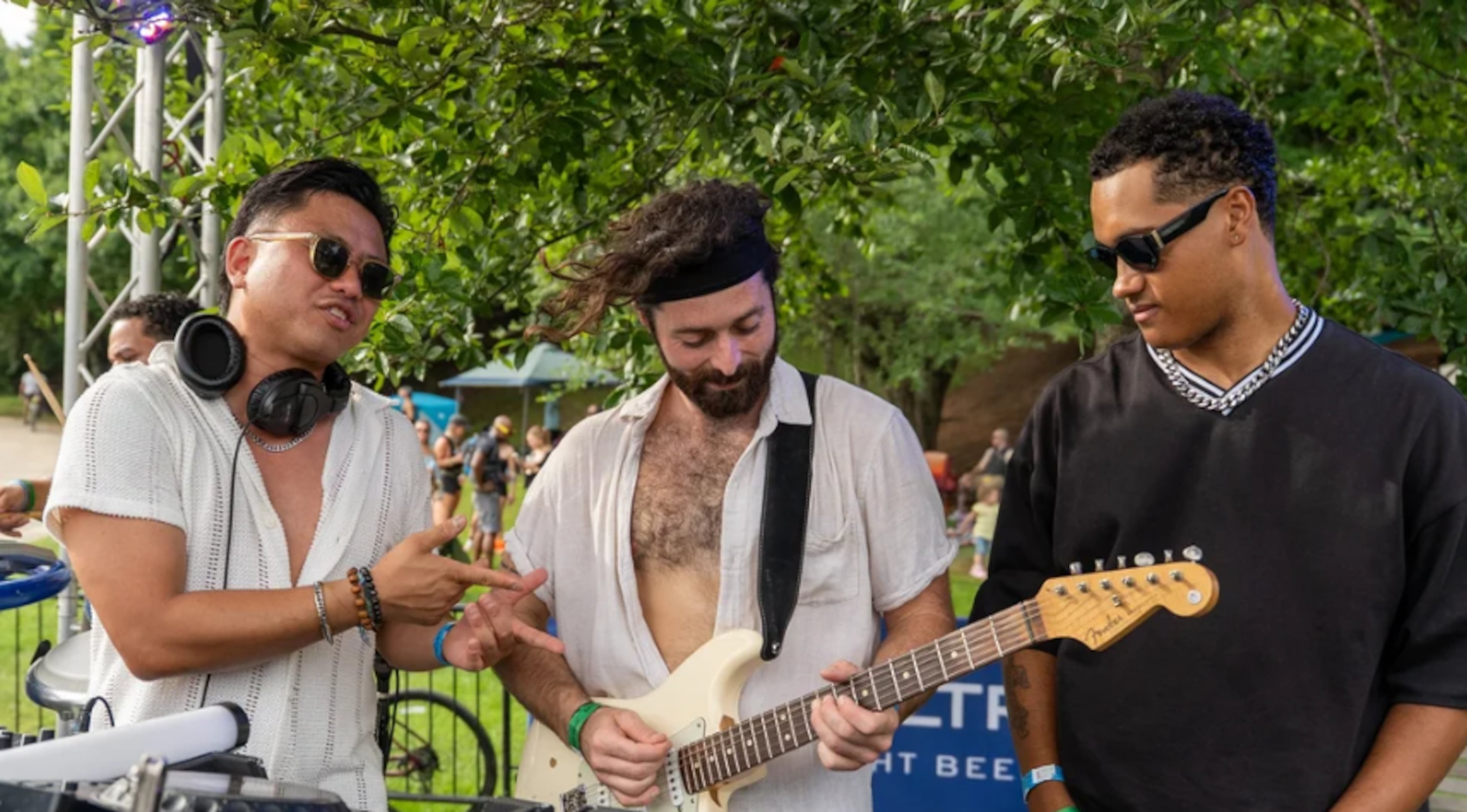
Another factor that contributed to the changing face of EDM across Atlanta and the United States was the pandemic, which changed social habits, with many people searching for alternatives to drinking-centered nighttime experiences. Instead, there is more emphasis on low-pressure gatherings, some when the sun is still shining, that are inclusive and celebrate community.
In addition to Atlanta, these alternative daytime parties have also popped up in cities including Copenhagen, Toronto and London.
Daybreaker, a morning dance and social wellness movement, hosts events around the world, including in Atlanta. Most recently, it presented the event “Let’s Be Friends: Rooftop Recess” at the Roof at Ponce City Market on Nov. 1.
The morning event opened with a music-infused collective yoga experience led by Atlanta wellness guide Tie “Hippie Heathen” Simpson before transitioning to a sober rave, with DJs taking over the rooftop space.
When raves emerged in Atlanta, they offered marginalized communities a safe space to express themselves. Given this history, one might consider whether the growing popularity and commercialization of raves indicates them straying from their roots and what made them so culturally significant with their core followers.
Martinez, for one, believes that the growing mainstream appeal of raves and new formats doesn’t go against the idea of raves as a form of social escape but rather enhances it.
“Social escape doesn’t have to mean disconnecting from reality,” she says. “To me, it means mentally closing all the tabs open in your life for a little while so you can smile, dance and express yourself freely.”
Martinez says she loves “seeing the scene become more inclusive,” whether it’s through sober events, designated sober camping at EDM festivals such as Seven Stars or even child-friendly raves.
“The benefit of that broader reach is that more people can find a version of this experience that works for them,” she says. “You don’t have to participate in one particular way to belong. Becoming more accessible doesn’t automatically mean losing its heart. To me, making room for more people to experience that joy is a positive evolution.”
WHERE TO FIND EDM MUSIC IN ATLANTA
District Atlanta and Believe Music Hall “are two of the most consistent spots for electronic music, regularly bringing in touring headliners,” says Cat Martinez, CEO and founder of Atlanta EDM, a hub for electronic dance music events.
Terminal West, the Eastern and Variety Playhouse, concert venues operated by partners Zero Mile Presents and AEG Presents, “regularly book electronic acts and are a big part of (Atlanta’s EDM) scene, Martinez says.
ONDA, which bills itself as “a new wave of underground dance culture in Atlanta,” and Daybreaker, also part of the Atlanta market, is an international presenter of EDM shows “across rooftops and under open skies, in cathedrals and gardens and city monuments made sacred by movement,” its website says.