‘American Amazon’ IMAX doc at Fernbank showcases splendors of the Southeast


IMAX films featured at Fernbank Museum of Natural History over the years have covered the entire planet and even outer space, typically places accessible to only the most intrepid travelers.
But Bozeman, Montana-based Grizzly Creek Films spent four years traveling six Southeast states capturing seldom seen treasures within driving distance of Atlanta. The result is the 45-minute IMAX film “American Amazon” airing at Fernbank at least through the end of March.
“The more we looked, the more we found,” said writer, director and producer Eric Bendick, in an interview with The Atlanta Journal-Constitution. “The Southeast is often considered the most biodiverse of the lower 48 states. The last ice age didn’t reach the Southeast so it became a refuge for species to evolve.”
Despite human population growth in the region, he noted environmental awareness is helping save areas like the Okefenokee National Wildlife Refugee, which was recently designated as Georgia’s first UNESCO World Heritage Site.
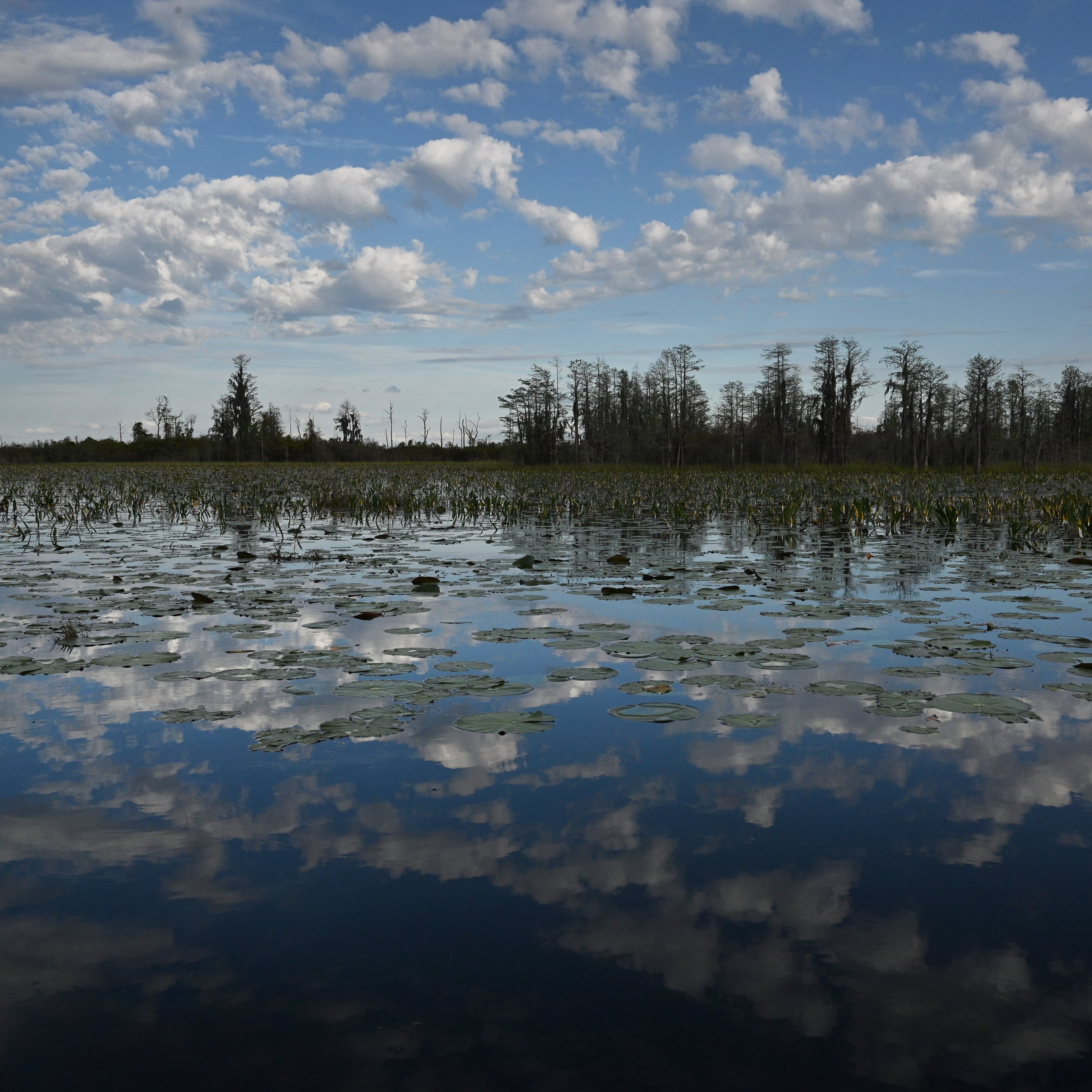
“Nature in the South is still so rich, vibrant and connected,” Bendick said. “It’s always trying to come back even on its own. We like to frame this film as the return of the wild.”
Bendick, a native Floridian who now lives in Montana, said he first heard the Southeast described as the “American Amazon” by the late biologist and professor E.O. Wilson about 15 years ago. “He’s considered the father of biodiversity who spent his entire career highlighting the Southeast,” Bendick said.
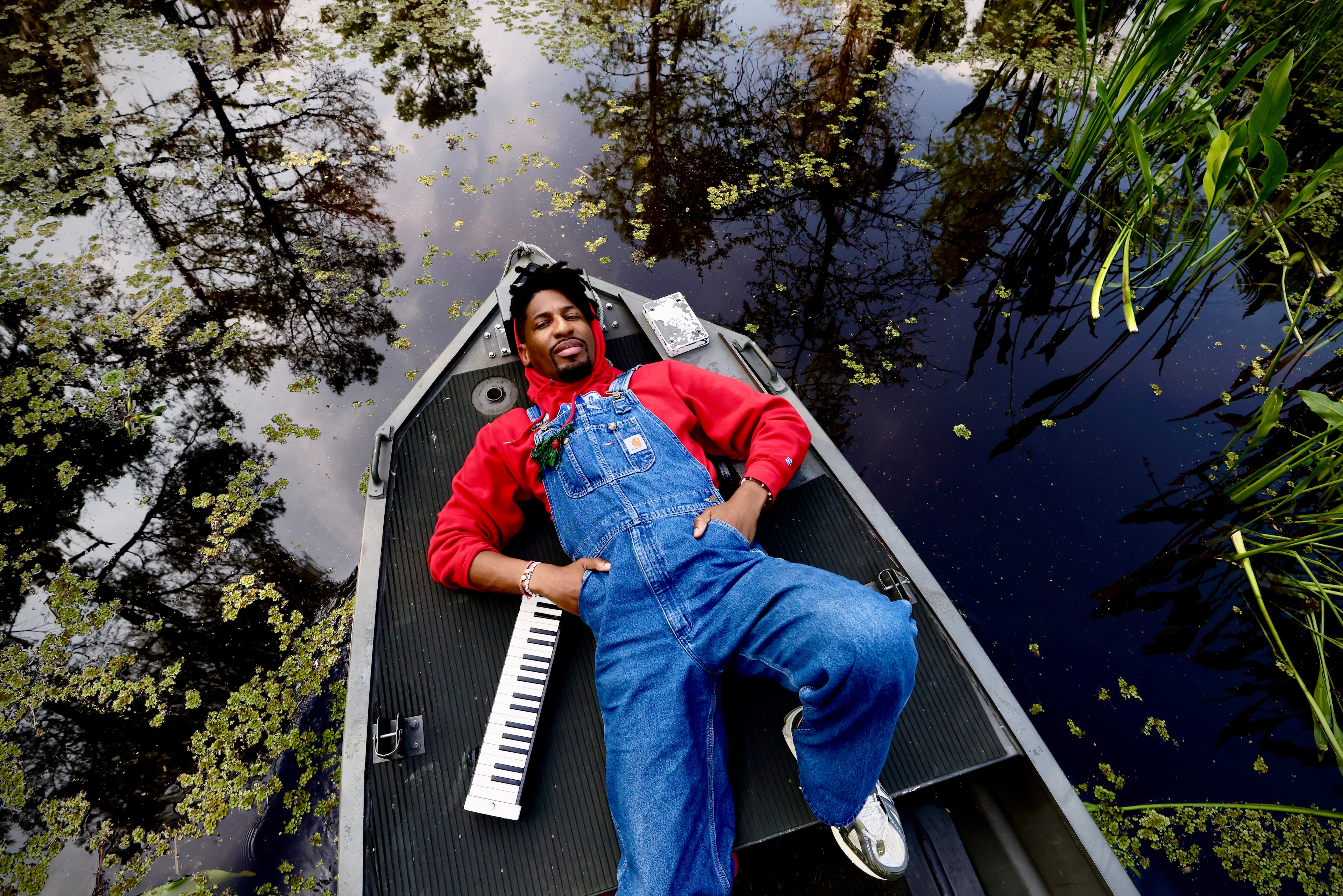
To give the documentary some celebrity juice, Bendick convinced Grammy-winning musician and Louisiana native Jon Batiste to narrate the film.
“He elevated the project in so many ways,” Bendick said. “When we reached out to him, he instantly got it. He is very passionate about the swamp and the environment. You see the those themes running through his own work.”
The producers were able to film Batiste for the doc this past spring while he was slated to perform at the 2026 New Orleans Jazz & Heritage Festival. In the opening of the documentary, Batiste is seen on Lake Maurepas playing a melodica in a flat-bottomed Cajun canoe.
“Things kind of came together quickly,” Bendick said. “We recorded his voice-overs two weeks later. He is such a great vocal performer. He was amazing in the black bear scene communicating the emotions of the different bears.”
There are plenty of recognizable animals in the film including the aforementioned black bears, manatees and alligators.
And there is an extended scene featuring seldom seen hellbender salamanders found in the Toccoa River in the North Georgia mountains.
Hellbenders possess flattened heads with a broad, rounded snout and nestle themselves in the riverbed, camouflaged amid the rocks and silt. This makes them difficult to film.
“I think this is the first time hellbender salamanders are captured on giant IMAX screens,” Bendick said. ““They look kind of like dragons. Our photographer Dave (Herasimtschuk) knows their behavior. He was obsessed with finding them.”
A second part of Georgia featured in the documentary is Tallulah Gorge, a 1,000-foot deep canyon in northeast Georgia. Bendick and photographer Mac Stone installed high-end camera gear in the gorge and mounted a helmet camera on Olivia McGinnis, a kayaker from Alpharetta, while she tackled the white-water rapids, providing viewers spectacular perspectives of the action from the safety of a theater.
“We got plenty the first time she did it, but she offered to do it again, so we’d get more footage,” Bendick said.
Jennifer Grant Warner, president of Fernbank, said when they were offered the film, it was a no brainer.
“This one aligned perfectly with our mission in terms of cultivating curiosity about the natural world,” Warner said. “And we don’t always appreciate what we have right under our nose. This movie helps us do that.”
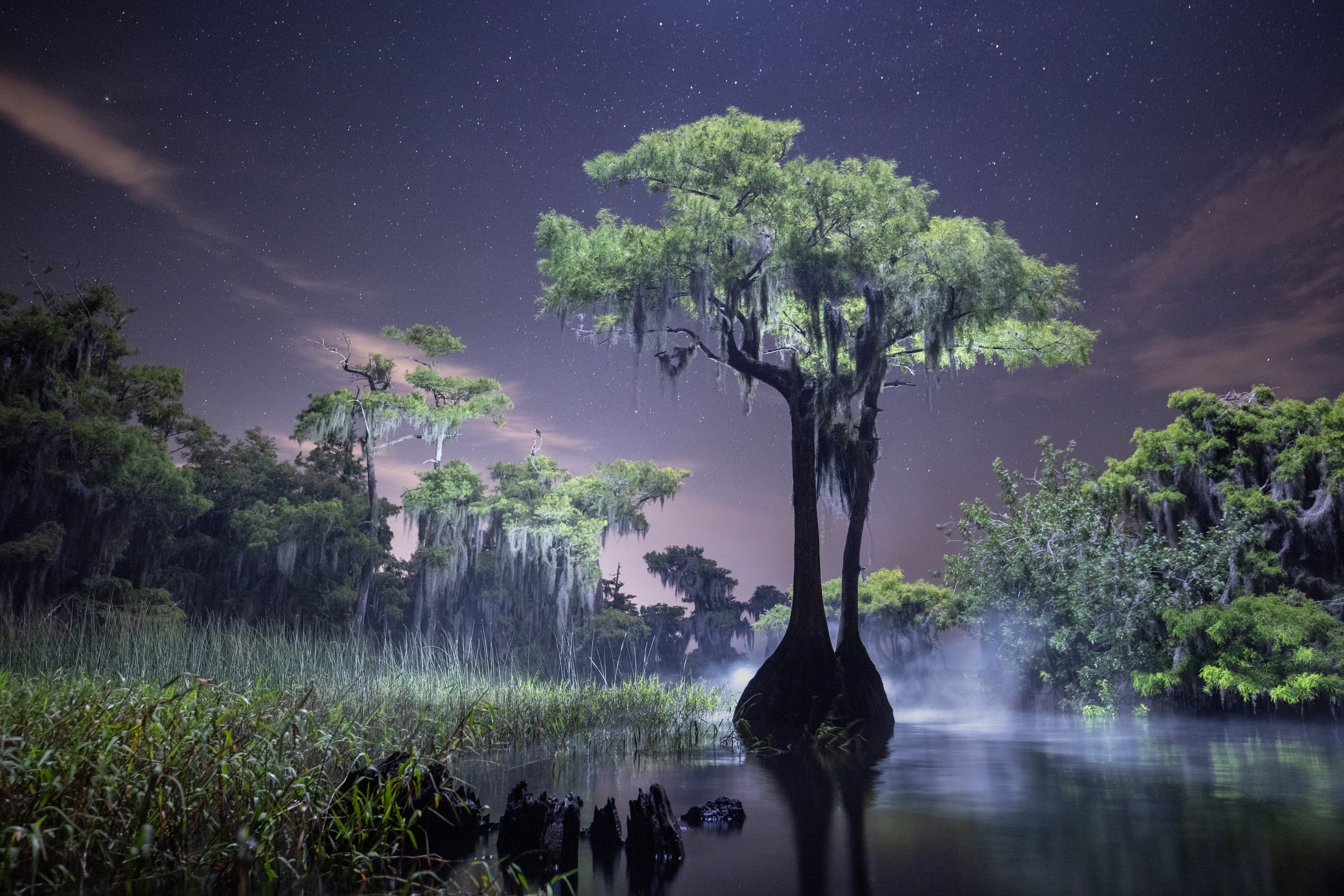
One of Warner’s favorite moments in “American Amazon” came from the ancient cypress trees along the Black River in southeastern North Carolina. One elegant cypress, the film noted, is estimated to be at least 2,629 years old.
“They don’t rot,” Bendick said. “They have these deep root systems that can withstand hurricanes. They’re engineered for longevity.”
The Black River is one of the few areas of old-growth bald cypress trees remaining on earth after heavy logging in the 19th century into the early 20th century wiped most of them out.
“That spoke to me,” Warner said. “Our campus is filled with old trees that are several hundred years old.”
Warner was also mesmerized by rocky shoals spider lilies. The white blossom opens once a year for just 24 hours. The film captured hundreds of them blossoming simultaneously at Cahaba River National Wildlife Refuge in West Blocton, Alabama.
“We nailed those lilies,” Bendick said. “That was one of the most spectacular shoots of the whole production.”

Atlanta-based Cox Enterprises, which also owns The Atlanta Journal-Constitution, backed the creation of “American Amazon.”
“The Southeast is home to our headquarters, many of our businesses and so many of our people,” said Cox Enterprises CEO and Chairman Alex Taylor in a public LinkedIn post. “It’s a part of the country with remarkable natural treasures that don’t always get the attention they deserve, and I’m proud that Cox is helping bring this story to a much larger audience as the lead presenting sponsor.”
An extended two-part 100-minute version of “American Amazon” will air on PBS early next year.
“It will be a much deeper dive,” Bendick said. “The IMAX film is more like the thrill ride version.”

If you go
“American Amazon”
10:15 a.m., 12:15 p.m., 2:15 p.m., 4:15 p.m. daily with added evening showings Nov. 27 and Nov. 28. Included with Fernbank admission starting at $25.95 for adults and free for members. Fernbank Museum of Natural History, 767 Clifton Road NE, Atlanta. fernbankmuseum.org