An Atlanta exhibition you can take with quite a few grains of salt
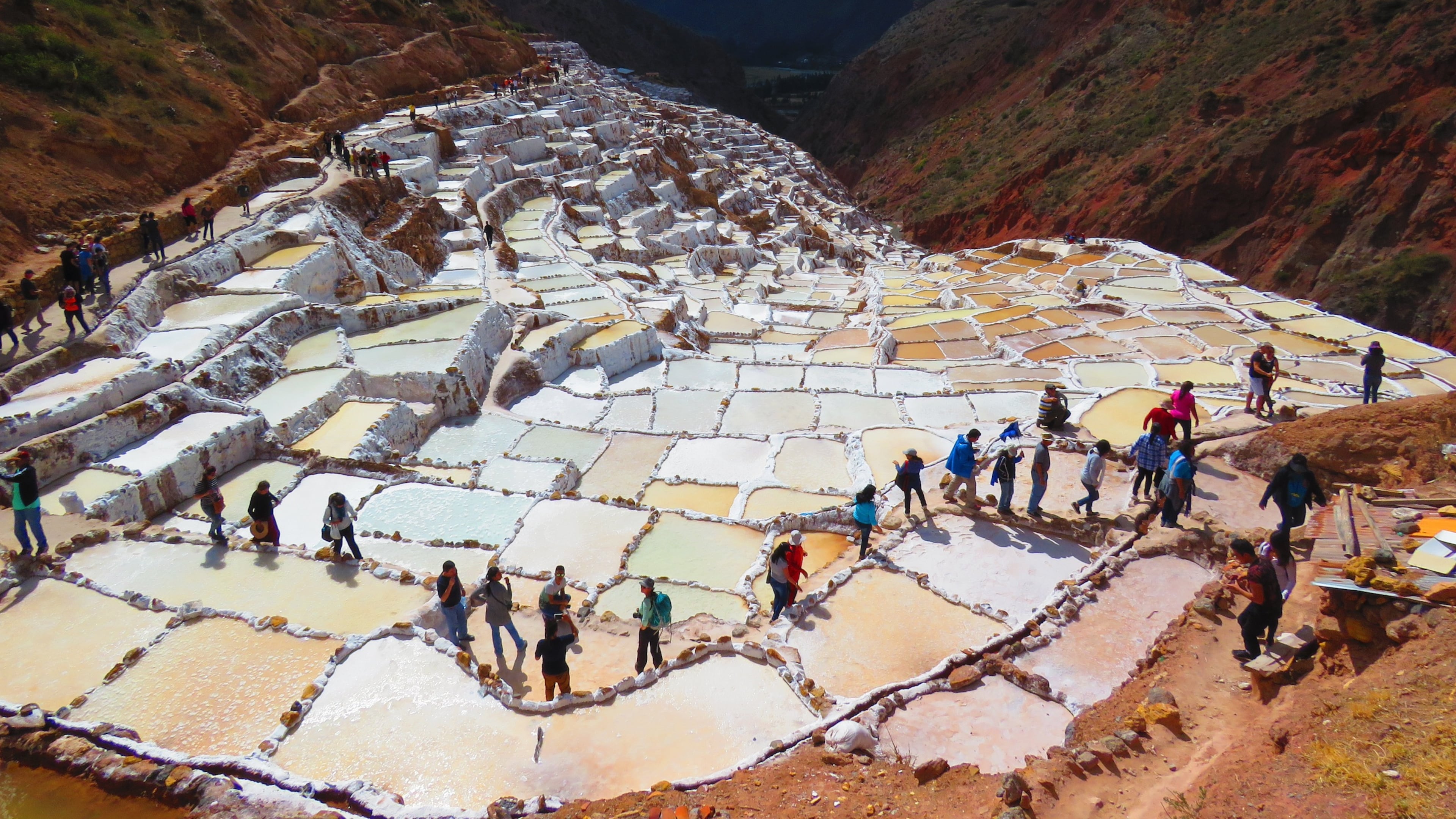
A substance necessary to sustain life, salt has fueled conflicts and inspired religious and cultural rituals and also led to challenging conversations with family doctors about high blood pressure.
Salt is also at the center of a new exhibition at the Museum of Design Atlanta on Peachtree Street across from the High Museum of Art.
Opening Sunday, “Salt: A Design Story” is perhaps the most granular of the various food-centric exhibitions staged at MODA, whose topics have included deep dives into chocolate, pasta and espresso.
But unlike the design and packaging of a type of pasta or brand of chocolate, salt is a naturally occurring substance rather than a designed object, notes Laura Flusche, the exhibition curator and executive director at MODA. “We’re using design as a response to our need for salt, so salt is really the driver of design here rather than the output.”
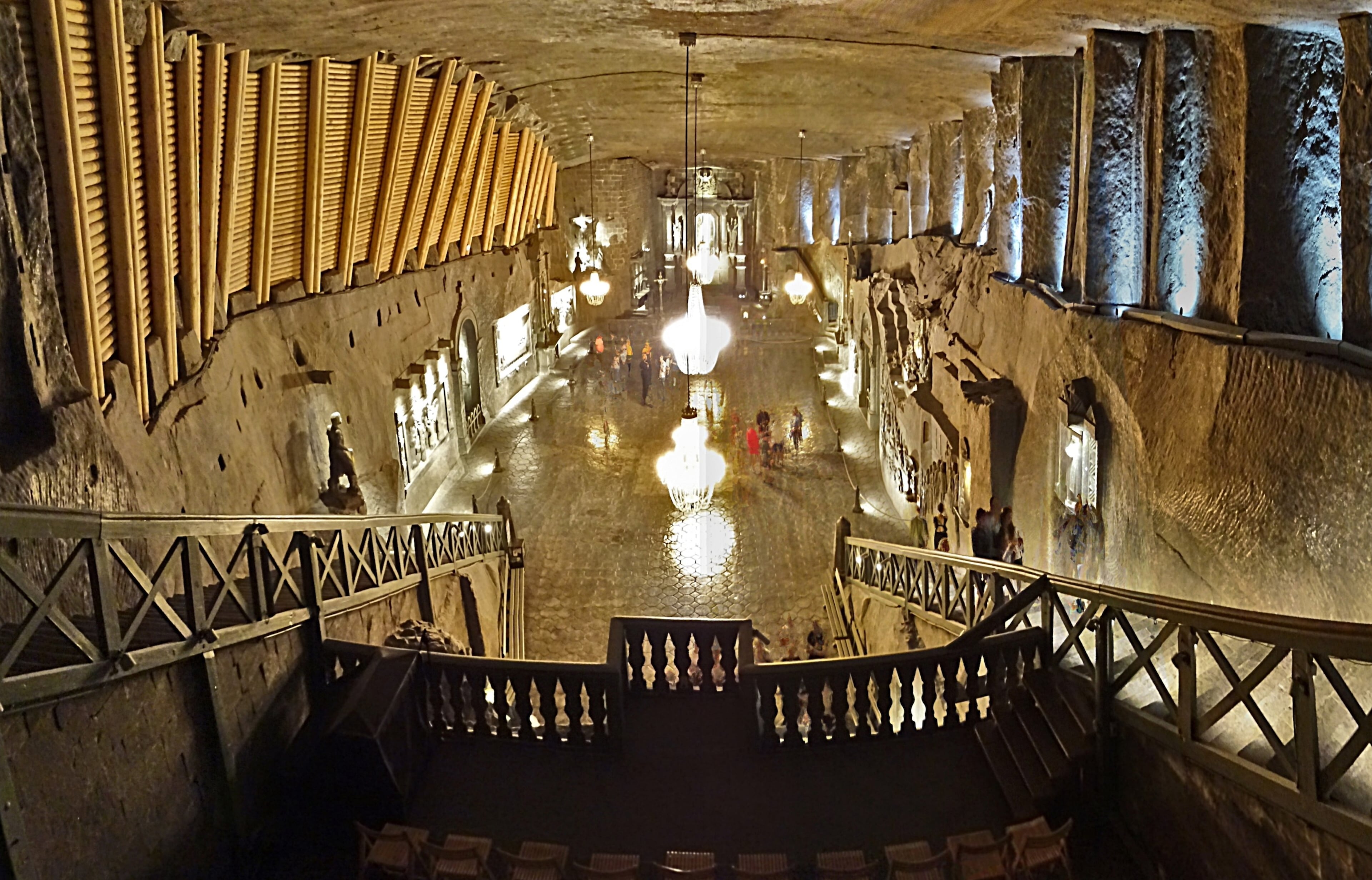
Salt is not a subject that everyone will immediately understand in the context of a design museum. But Flusche points out that the way it intersects with commerce, landscape, geography, ritual, language and — of course — cuisine builds a case for its role as a design agent.
“From the very beginning of human existence, we have designed a world that allows us access to salt,” Flusche says of the intertwined histories of humans and the salt they source from the sea or the land.
“We don’t think about it so much now because we go to the grocery store and get salt, but for many, many millennia, getting salt was harder and more complicated, and a primary thing that people had to think about almost every day. And so the cities that exist in our world: roads, canals, systems, structures — a lot of them were designed in order to help us get salt.”
The exhibition traces the influence of salt from the world’s largest flats, Salar de Uyuni in Bolivia, harvested since the 17th century, to the craft revival in unexpected places. In Charleston, West Virginia, for instance, salt is being harvested from ancient sea deposits beneath the Kanawha Valley by J.Q. Dickinson Appalachian Mercantile.
Flusche thinks one of the most interesting aspects of the show is a section titled “Design by Nature” that shows places where landscapes have been transformed by the presence of salt, such as the Dead Sea or the Devil’s Golf Course in California’s Death Valley.
She points out how deeply embedded salt is in human behavior. It’s included in Jewish religious tradition and in our language: think pillar of salt, salt of the earth, but also words such as salad, sausage and salary.
“We really have universally designed rituals and cultures around salt, with the idea that salt can protect us and take care of us in the face of things that we as humans can’t control,” Flusche says.
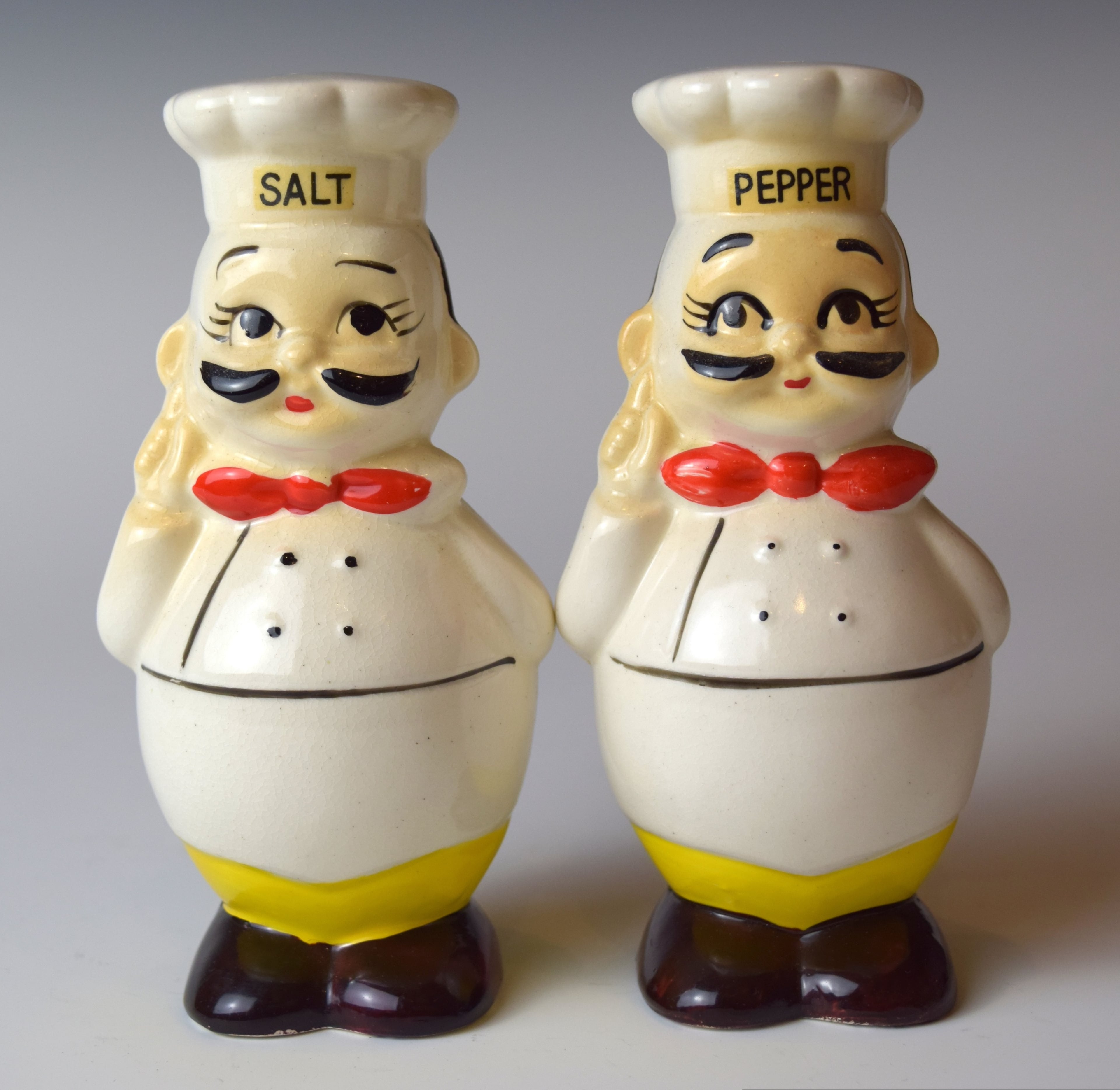
Along with the complex and loftier historical story of salt, MODA will provide some more accessible moments from the here and now, including a display of 126 pairs of salt and pepper shakers culled from the 20,000 sets on view at the Salt and Pepper Shaker Museum in Gatlinburg, Tennessee. Home to 20,000 varieties, the museum was the brainchild of the late Belgian archaeologist Andrea Ludden, who saw social and cultural shifts reflected in salt and pepper shakers.
In addition, MODA often includes Atlanta-based experts and creators in its exhibitions. The museum is working with salt purveyor Suzi Sheffield, the craft salt founder of Grant Park’s Beautiful Briny Sea.
During the exhibit’s run, Sheffield and her team will offer salt tastings and a salt blending workshop in which participants can add ingredients to her signature Spanish sea salt to create a bespoke condiment.
“I’m kind of a salt dork,” Sheffield says with a laugh of the repertoire of building and finishing salts that define her brand. Like other artisanal salt purveyors. Beautiful Briny Sea retains the elements in its salts, such as minerals (calcium, copper, zinc, magnesium) and terroir (the unique flavor defined by where the salt originates) that have been stripped out of grocery store table salt brands.
“It’s ancient,” Sheffield says of the vast, complex history of salt that still fascinates her. “Salt is essential for life.”
Correction
July 8, 2026This story has been updated with the exhibit's new opening times.
EXHIBIT PREVIEW
“Salt: A Design Story”
Opening Sunday through Oct. 31. Noon-7 p.m. Wednesdays-Sundays. $12; $8 seniors, military, students and educators; $5 ages 6-12. 1315 Peachtree St. NE, Atlanta. 404-979-6455, museumofdesign.org.