Emory program treats rare, potentially fatal heart-lung condition
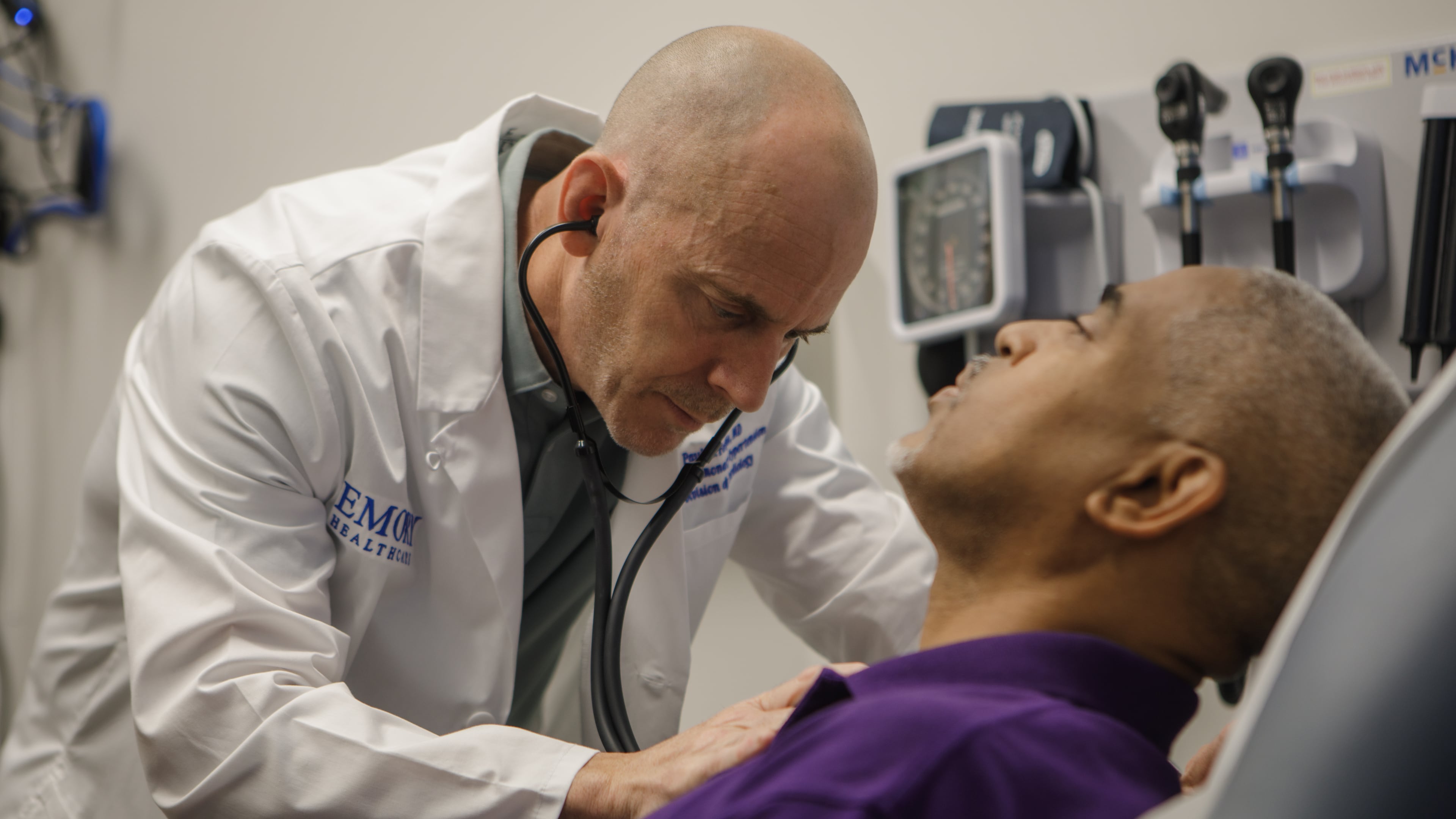
Bill Owings spent much of his life playing sports. Even in his mid-70s, he was competing in tennis matches for up to three hours several times a week, often against younger players.
Then he started having trouble breathing.
“It got progressively worse,” Owings recalled.

Until then, he never had a health issue and for that reason, Owings knew he needed to seek immediate medical attention. Doctors at his local hospital in Birmingham, Ala., diagnosed him with a pulmonary embolism, a condition in which blood clots impede blood flow to the lungs.
Doctors at the University of Alabama-Birmingham prescribed blood thinners and monitored his condition for about two years. But his condition did not improve. Eventually, they referred him to Emory Healthcare, where he received a different diagnosis last year: chronic thromboembolic pulmonary hypertension, or CTEPH.
The rare condition develops when blood clots in the lungs fail to resolve. Over time, the clots can form scar tissue that narrows or blocks the pulmonary arteries, increasing blood pressure in those vessels and putting strain on the right side of the heart.
Without treatment, CTEPH can lead to heart failure and death. But unlike many other forms of pulmonary hypertension, it can be cured through surgery, according to the American Thoracic Society.
That possibility is changing the outlook for patients who, like Owings, may spend years struggling with symptoms before receiving the correct diagnosis.
A difficult condition to diagnose
CTEPH is estimated to affect thousands of people in the United States each year. At least 5,000 new cases are diagnosed annually, according to the Cleveland Clinic, though the actual number may be higher because the condition is frequently misdiagnosed.
Symptoms can include shortness of breath, fatigue and difficulty performing everyday activities. Because those symptoms can resemble other heart and lung conditions, patients may go months or years without knowing what is causing their breathing problems.
Emory joins a growing list of medical centers recognizing the benefits of a CTEPH program, said Bill Auger, former medical director of the CTEPH program at the University of California San Diego, one of the country’s first centers to specialize in the condition.
“Atlanta is lucky to have such a good program at Emory. We need more centers,” said Auger, who consults other hospitals trying to start CTEPH programs.
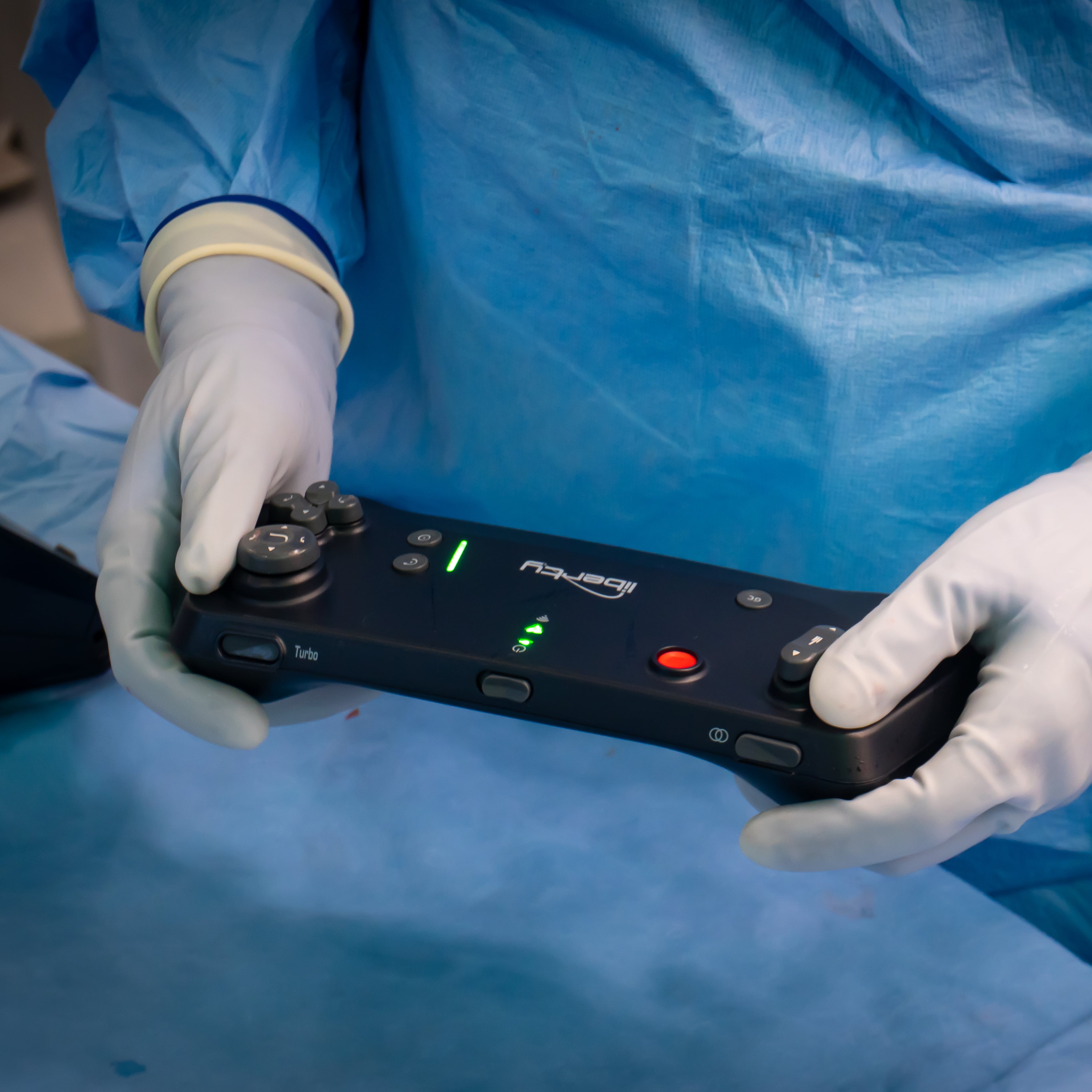
Auger now consults with hospitals interested in establishing their own programs. He has watched the field expand from just two medical centers offering specialized CTEPH care more than 40 years ago to a growing network of programs nationwide.
When Owings sought care, Emory had just created Georgia’s first comprehensive CTEPH program with a team of cardiologists, pulmonologists and surgeons highly trained in treating the condition. Dr. Paul Forfia, an Emory professor of medicine and cardiologist specializing in pulmonary hypertension and CTEPH, founded and directs the program.
A path to recovery
For patients who qualify, pulmonary thromboendarterectomy, or PTE, surgery can remove the scar tissue and chronic blood clots obstructing the pulmonary arteries.
The procedure has a decades-long track record of positive results, according to the American Thoracic Society.
In its first year, Emory’s program performed about 50 PTE surgeries. Patients typically spent about 10 days in the hospital, and all survived the procedures and experienced significant improvement in their health, Forfia said.
Based on the number of surgeries performed, survival rates and length of hospital stays, Forfia said the program ranks among the top five in the country. He attributed the results to careful patient selection, experienced surgeons and close management of patients’ recovery.

For patients who are candidates for surgery, the transformation can be remarkable, particularly after years of struggling to breathe.
“Whereas the person may have been ill for five or 10 years before diagnosis, once correctly diagnosed and treated … the patient can go from being short of breath walking across the room or being stuck in the hospital dying of heart failure to living a normal life within a few weeks,” Forfia said.
Back to an active life
Owings, now 77, believes his condition could have become fatal if he had not received treatment when he did.
Today, he’s back to maintaining an active schedule. He traded competitive tennis for pickleball since the operation, but he is once again enjoying the physical activity that has long been part of his life.
“I feel very fortunate right now,” he said.
Roni Robbins has been a journalist for nearly four decades. This is her second stint as a freelance reporter for the AJC. She was formerly a freelance reporter and editor for Medscape. Her writing has appeared in WebMD, HuffPost, Forbes, the New York Daily News, BioPharma Dive, MNN, Adweek, Healthline and others. She’s also the author of the award-winning novel, “Hands of Gold: One Man’s Quest to Find the Silver Lining in Misfortune.”